The Importance of Measuring Stamp Perforations
Postage stamps that look identical at first glance may actually be entirely different issues with vastly different histories. One of the key physical characteristics used to distinguish these look-alike stamps is the perforation measurement. Perforations are the small holes punched between stamps on a sheet to make them easy to separate. When stamps are torn apart, they leave behind small paper teeth along the edges.
Because postal authorities frequently changed the spacing of these holes during production, measuring them is a fundamental step in philatelic research. To keep your collection organized and safe, you must learn how to measure these delicate structures without causing physical damage to the fragile paper teeth.
Understanding the Perforation Measurement Standard
The standard method for measuring perforations is based on the number of holes, or teeth, that appear within a span of 20 millimeters along the edge of a stamp. While it is technically possible to count these holes manually using a standard ruler, doing so is highly confusing and significantly increases the risk of damaging the stamp through excessive handling.
Instead, collectors rely on a specialized tool known as a perforation gauge. These gauges are typically made of cardboard, plastic, or metal and feature pre-printed scales representing various perforation sizes. By matching the stamp's edge to the correct scale, you can quickly determine the exact measurement.
Safe Handling Rules for Fragile Stamp Edges
Preservation must always be your top priority when analyzing stamp varieties. Before you begin measuring, ensure that your work surface is clean, dry, and free of dust. You should only measure dry stamps; never attempt to use a perforation gauge or handle wet stamps that have recently been soaked, as wet paper is highly fragile and prone to tearing.
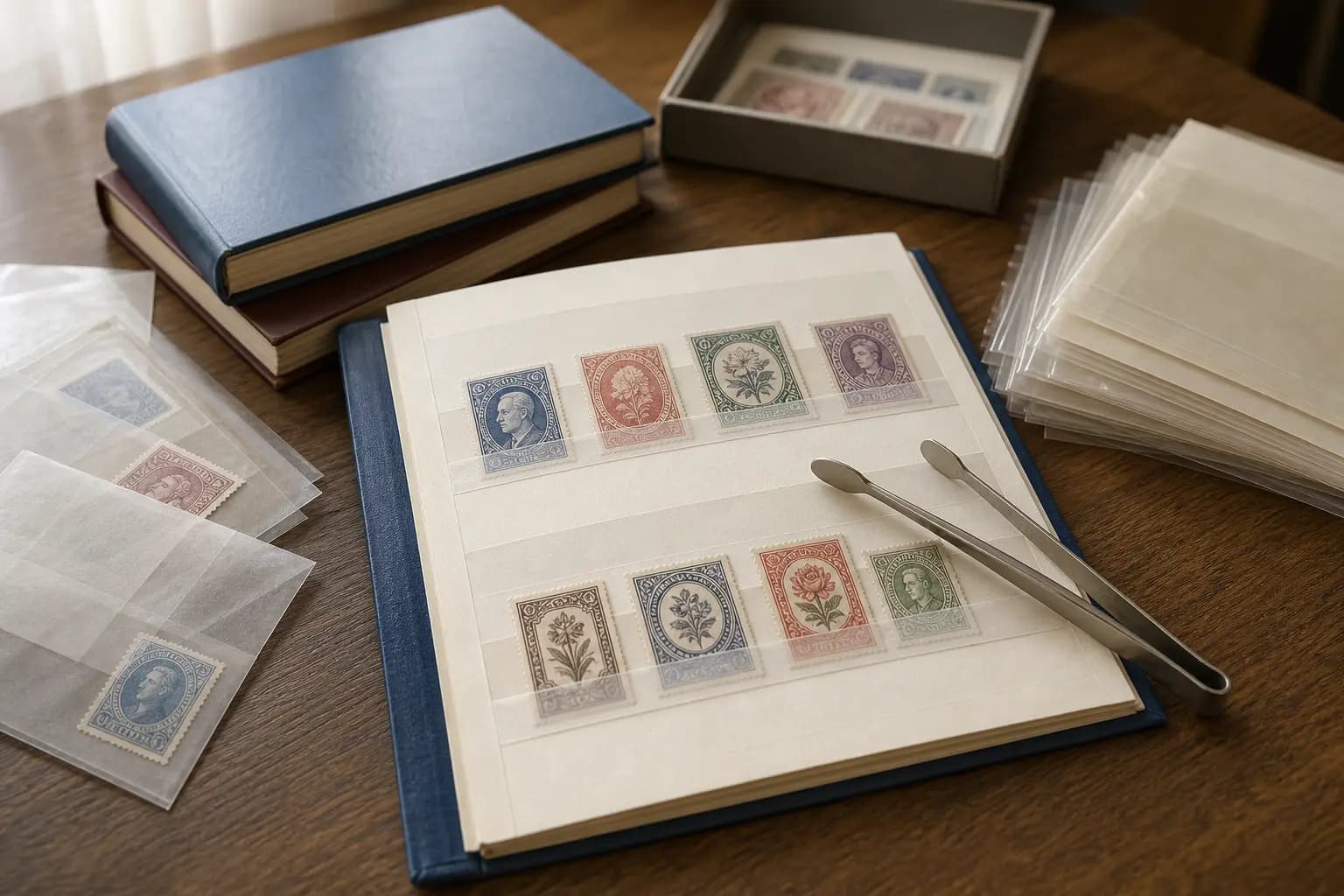
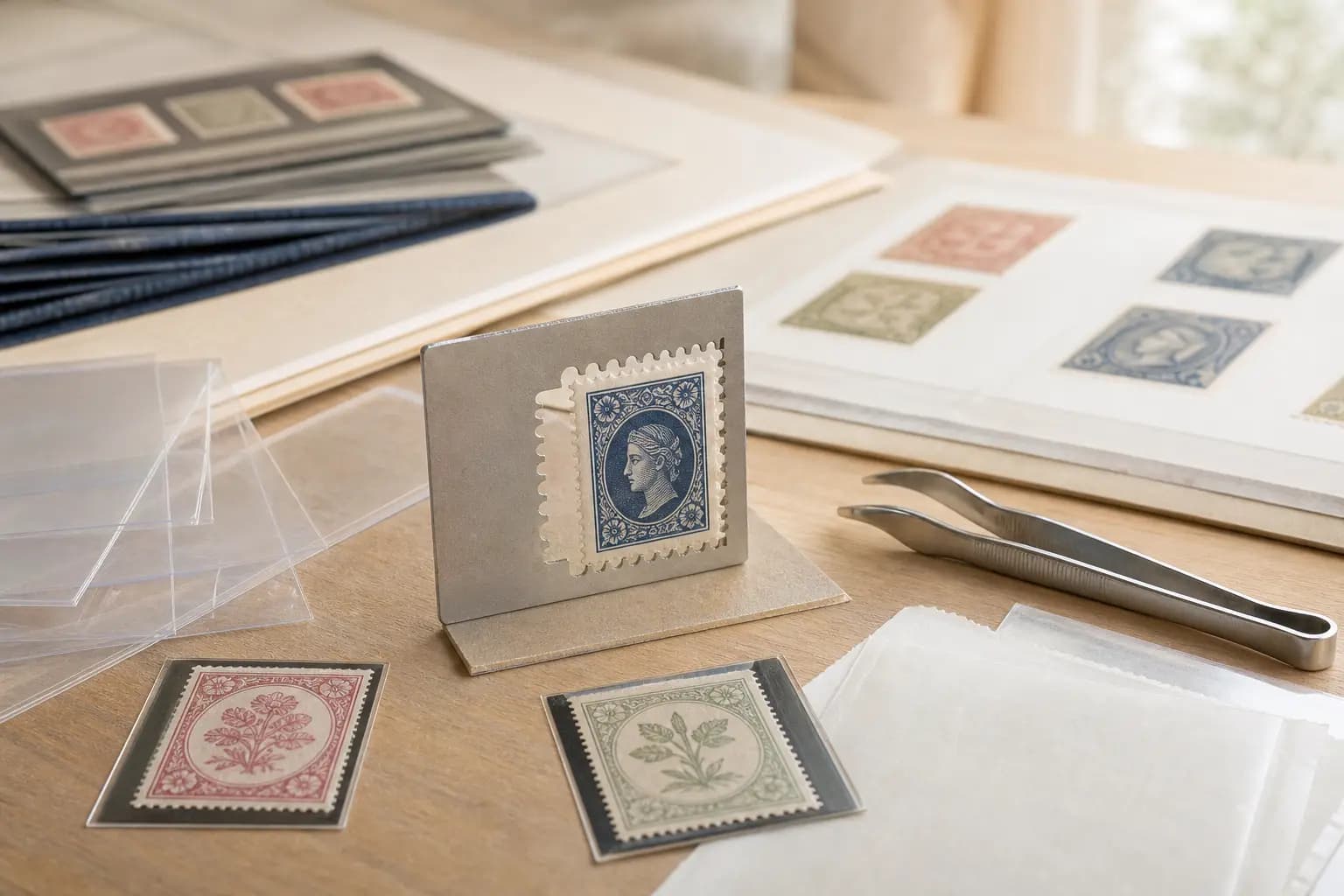
While stamp tongs—specialized tools that look like tweezers but feature a smooth gripping surface—are excellent for handling dry stamps to prevent skin oils from causing damage, you must exercise extreme caution. Never recommend using tongs on a wet stamp, as the metal tips can easily puncture or tear softened paper fibers. Always let your stamps dry completely overnight between paper towels before attempting any physical measurements.
How to Use a Perforation Gauge Step-by-Step
To safely measure your stamp, place the dry stamp flat on your work surface. Using your stamp tongs, gently slide the stamp toward the perforation gauge. Do not slide the gauge over the stamp, as the hard edges of a plastic or metal gauge can scrape the delicate ink or bend the paper teeth.
Instead, align the edge of the stamp with the different scales printed on the gauge. Move the stamp from one scale to another until the teeth of the stamp match the black dots or lines on the gauge scale exactly. Once you find the perfect match, read the number indicated on that specific scale. This number represents the perforation measurement of your stamp, which you can then use for identification.
Utilizing Your Measurements for Accurate Identification
Once you have determined the perforation measurement, you can consult a stamp catalog to identify the specific variety. A stamp catalog is an invaluable reference book filled with illustrations, issue dates, descriptions, and details on how a stamp was printed. It also provides the estimated value of stamps in both used and unused conditions.
By combining your perforation measurement with visual details, you can narrow down the exact issue. For a convenient digital option, you can use the StampSnap app to scan your stamp and create a likely identification or digital collection record, allowing you to keep your inventory organized and easily accessible.
Storing Your Identified Stamps Safely
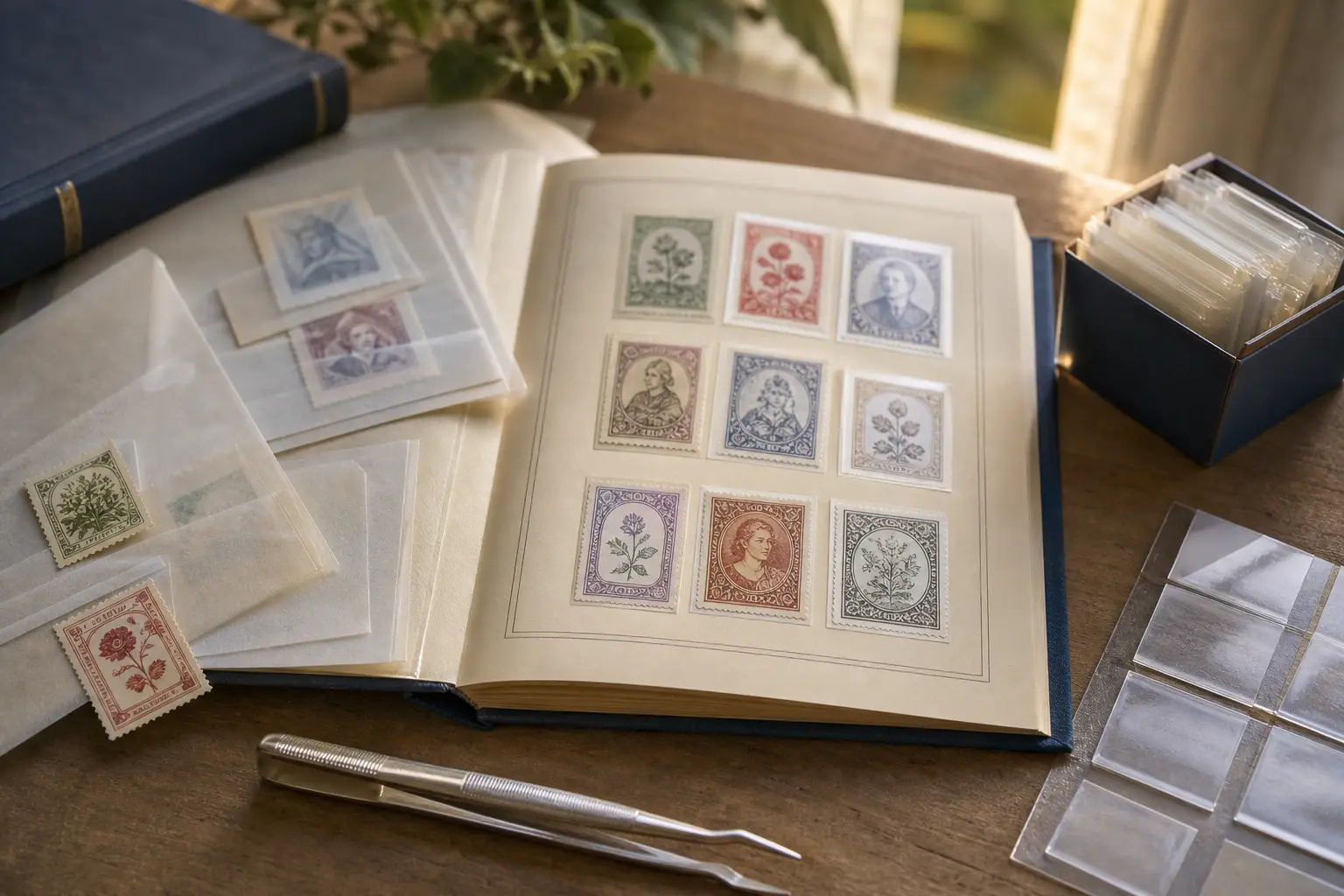
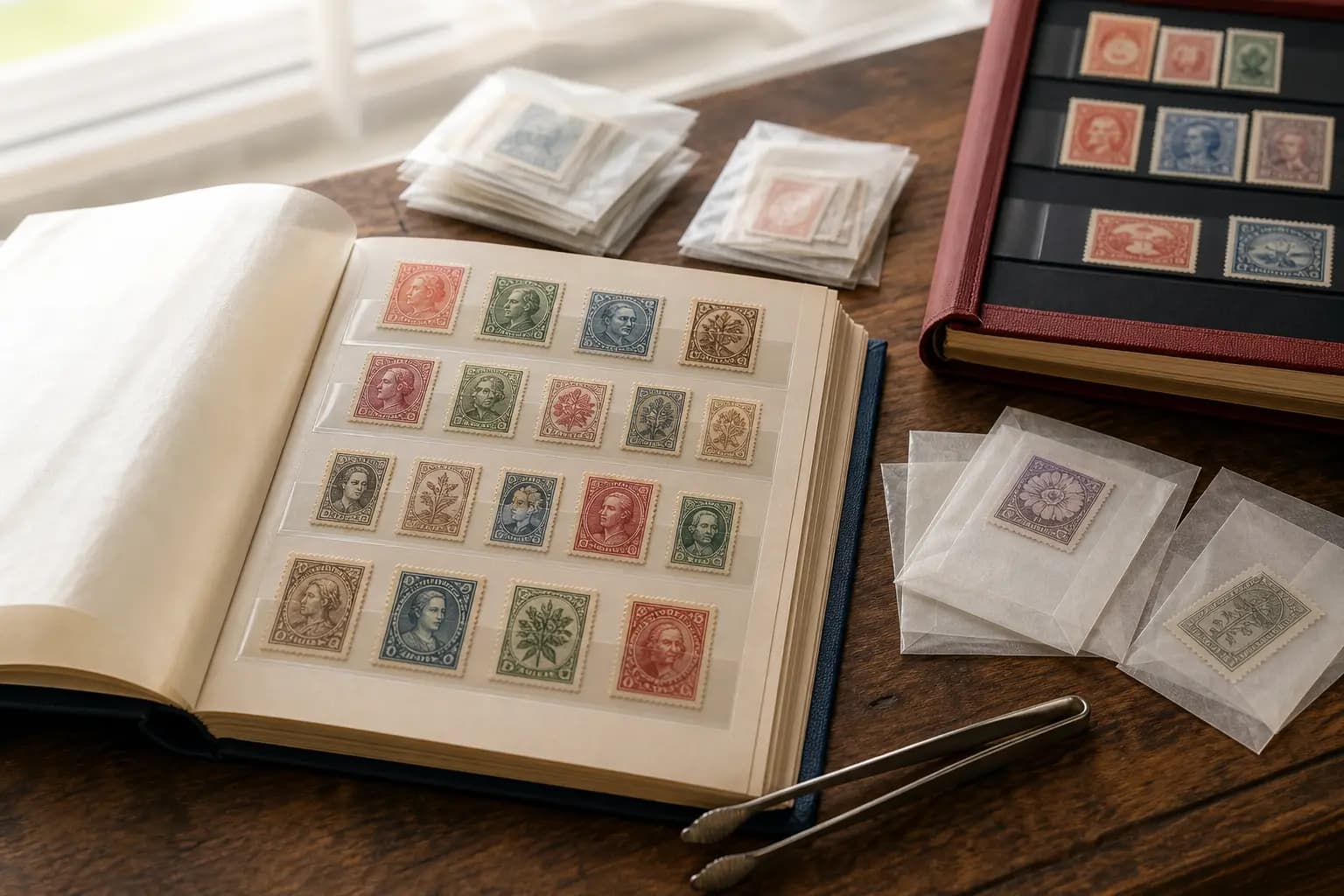
After identifying your stamp, it is crucial to transition it to safe, long-term storage to preserve its condition. You can store your dry stamps in glassine envelopes temporarily, or mount them in a dedicated stamp album or stock book. Stock books feature plastic or paper pockets that allow you to organize your stamps freely without the need for adhesives.
If you choose a traditional stamp album, use peelable hinges or clear plastic mounts to secure them. Never use household tape or glue, as these adhesives will permanently damage the paper, ruin the original gum, and drastically decrease the stamp's value.
Frequently asked questions
What is a perforation gauge and what is it made of?
A perforation gauge is a philatelic tool used to measure the spacing of the holes along a stamp's edge. It is typically made of cardboard, plastic, or metal and features various scales that show different sizes of perforations.
Can I use a perforation gauge on a wet stamp?
No. You should only measure dry stamps. Wet stamps are highly fragile and easily damaged. Let wet stamps dry completely overnight before handling them or placing them against a perforation gauge.
Why do some stamps with the same design have different perforation measurements?
Postal authorities and printers often changed the perforation spacing during different production runs of the same design. Measuring these variations helps collectors identify rare varieties and specific printings using a stamp catalog.
How does skin oil affect stamps during measurement?
No matter how well you wash your hands, natural oils from your skin will transfer to the paper and damage your stamps over time. Always use smooth-surfaced stamp tongs to handle dry stamps during measurement.