The short answer: collect used stamps by choice, not by guesswork
You can absolutely build a meaningful collection from used stamps, and you do not need special skills or a large budget to begin. A used stamp is one that has served its purpose carrying mail, so the first safe rule is simple: collect what interests you, and handle it in a way that preserves the stamp’s condition as it came to you.
If you are asking whether used stamps are a good collecting route, the practical answer is yes. Many collectors prefer them because they often cost less than mint examples, do not require you to preserve gum, and can be mounted with inexpensive hinges if you use them on album pages. That makes used stamps a very manageable entry point for beginners and for collectors with limited space or time.
Start with the right tools for safe handling
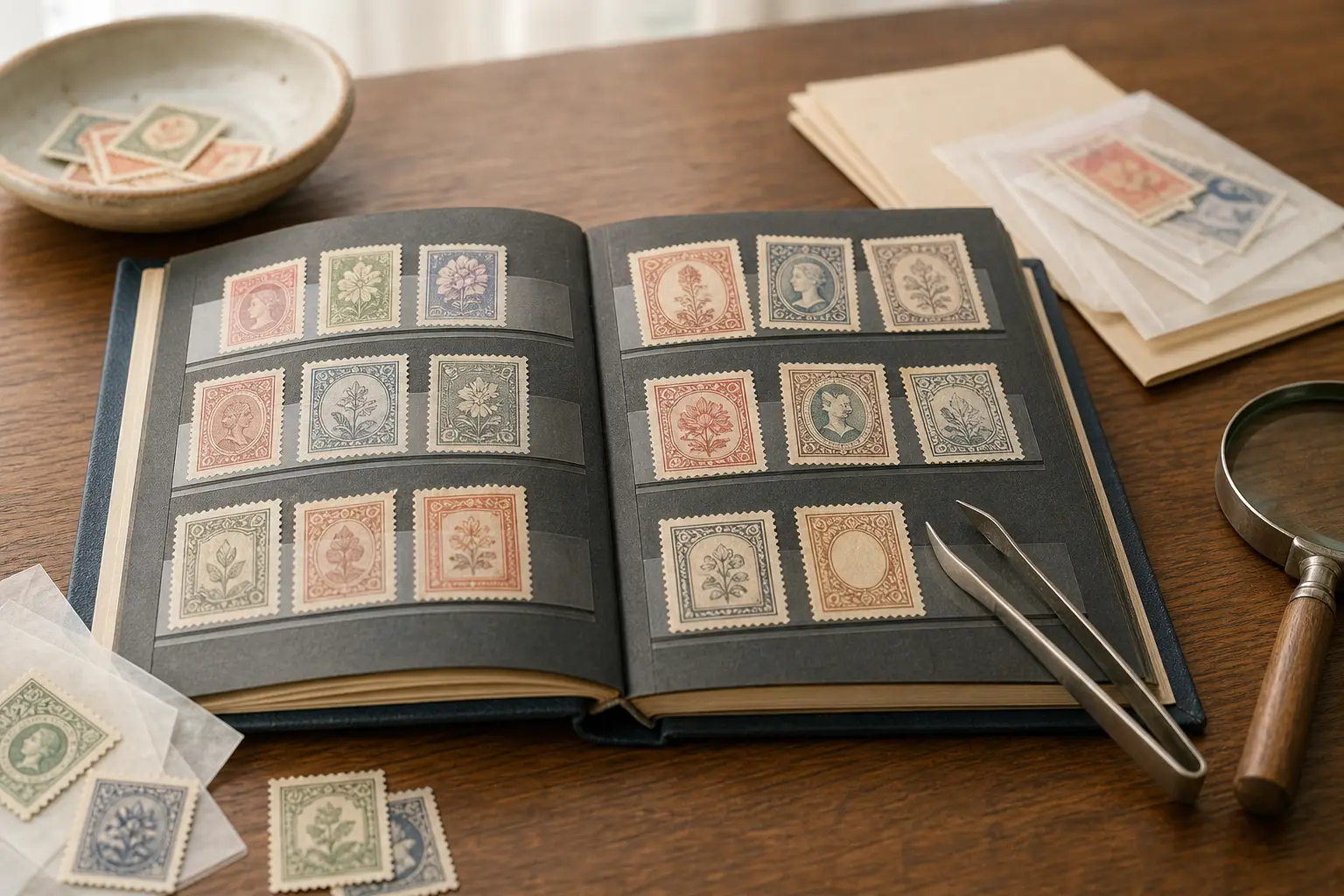
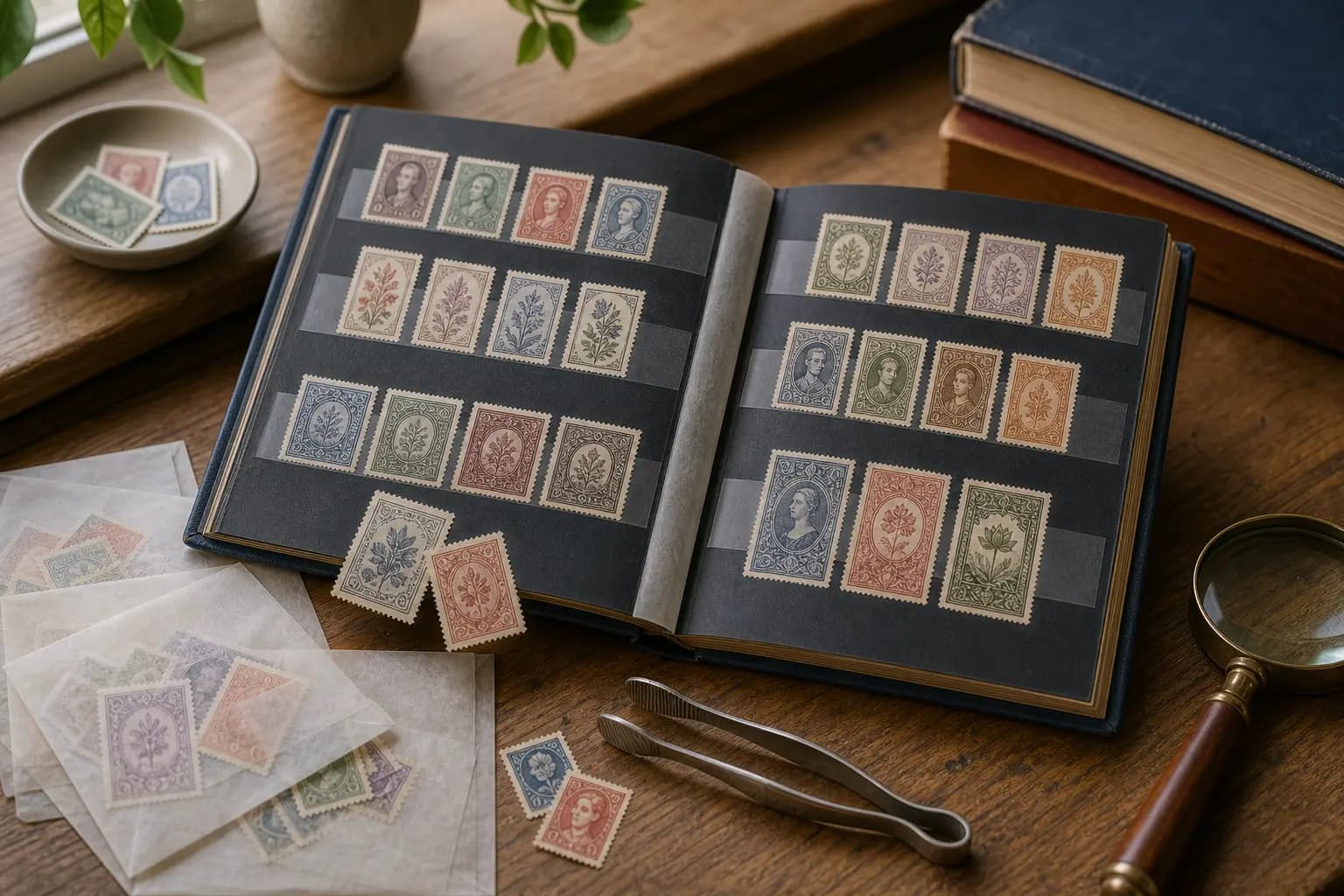
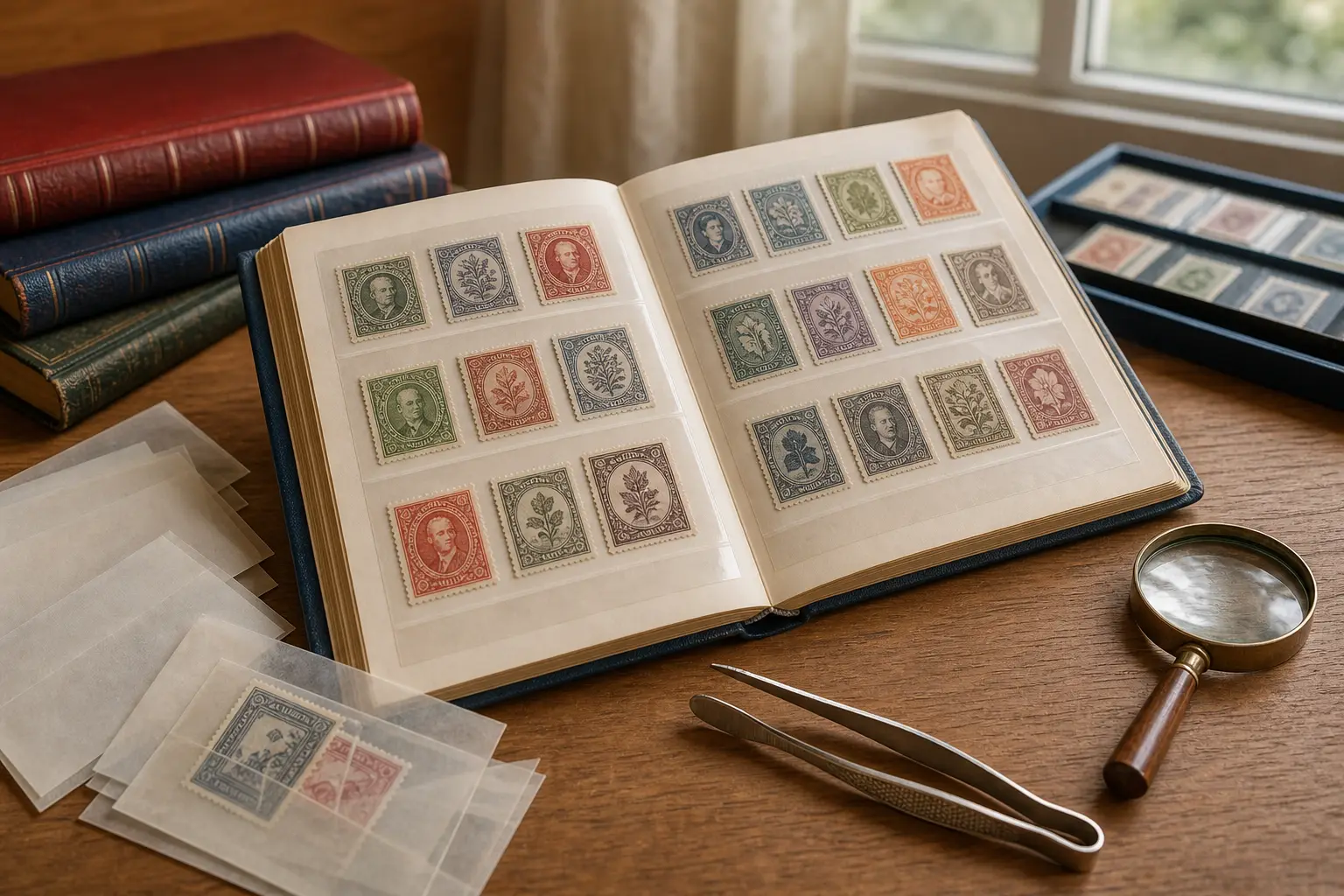
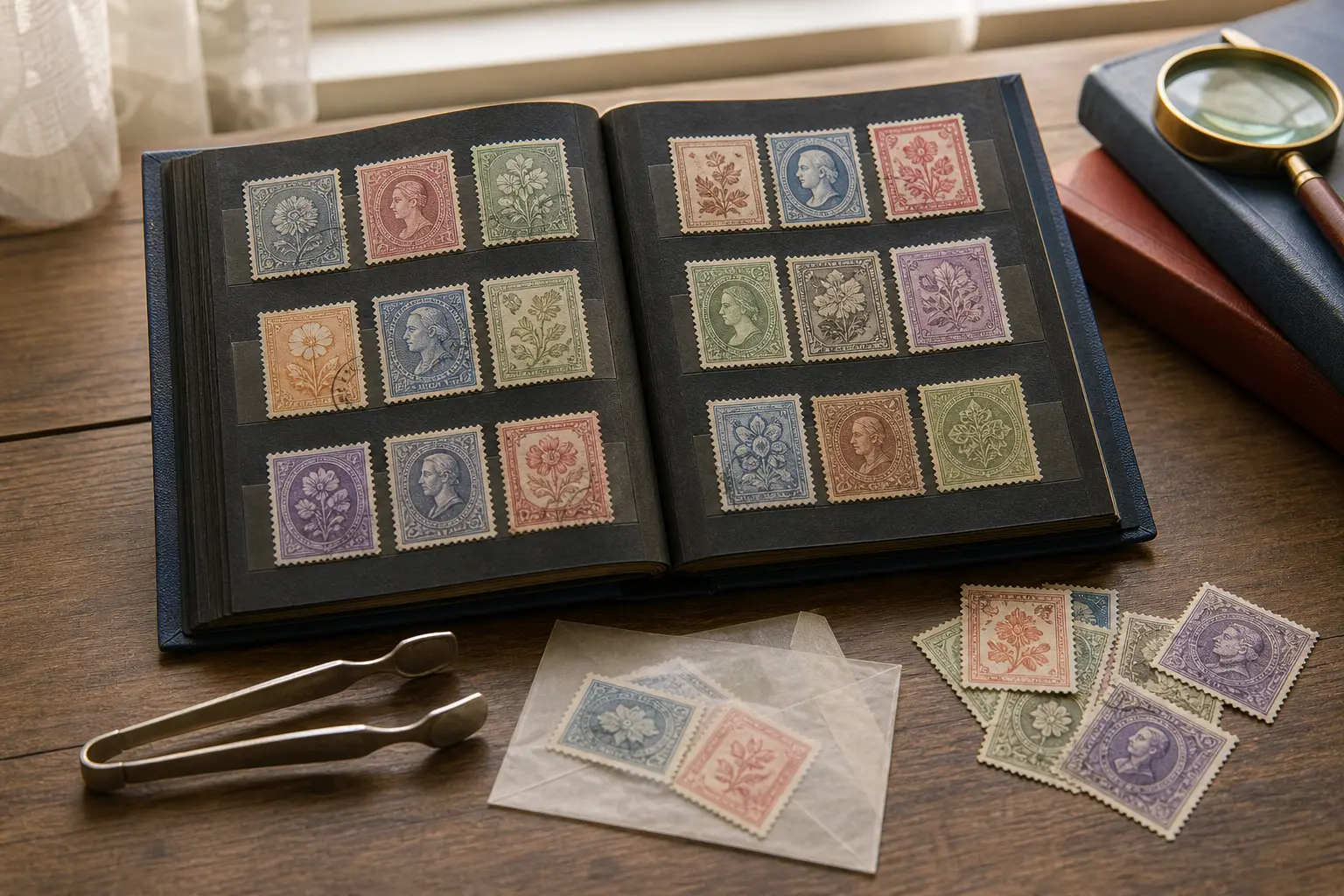
The safest basic kit is small: stamp tongs, an album, and a general reference book are enough for a new collector. Tongs matter because they have smooth ends that let you pick up stamps without direct finger contact, which helps reduce the risk of bends, smudges, and accidental tearing.
A magnifying glass can help you see small design details, and a perforation gauge can help distinguish look-alike issues by measuring the perforations. The Smithsonian National Postal Museum also notes that watermark detectors, color guides, and catalogs are specialist aids. When you use those tools, remember that physical observations should be compared with reliable references rather than treated as conclusive on their own. A record in StampSnap can help you keep those observations together in one place, but it is still only a record, not an authentication.
Decide what kind of used-stamp collection you want
There is no right or wrong way to collect, so begin by choosing a focus that matches your interest. Some collectors choose worldwide material, but that can become unrealistic if you do not have a lot of money, space, and time, because countries issue a very large number of stamps each year. Others prefer a single country, often their home country, a place they know well, or a country whose stamps simply appeal to them.
Used stamps also work well for topical collecting. You can collect by subject such as animals, birds, flowers, ships, space, scouts, Disney, or sports, and you can widen the idea further with special postmarks, first day covers, or postal stationery when they fit your topic. You may also choose by type, such as airmail stamps or coil stamps, or by other traits such as shape or color. The main point is personal enjoyment, not proving that one style is better than another.
Sort used stamps by clear, observable features
Once you have a few stamps, sort them by features you can actually see and later verify. Country, theme, denomination, shape, cancellation style, and perforation pattern are all useful starting points. If a stamp seems to belong to a familiar issue but something about the perforations or design details looks different, set it aside for closer checking instead of forcing a quick decision.
This is where careful comparison matters. Catalogs can record details such as issue date and printing method, but they should be used as references alongside your own observations. If two stamps look nearly the same, it is safer to call them a possible match until you confirm the details. That conservative approach protects you from building a collection around a mistaken identification.
Protect paper, cancellations, and perforations
Used stamps may not have gum to protect, but they still need careful handling. Hold them with tongs, move them one at a time, and avoid pressing on the paper or the perforated edges. The perforations are part of the stamp’s condition and can be damaged easily if you slide stamps across rough surfaces or stack them carelessly.
Store stamps in an album or other safe holding system as soon as you can, and keep them dry. The evidence provided here supports simple, dry storage and safe handling, not improvised treatments. Do not use household solvents, tape, glue, or rough methods to separate or clean material. If a stamp is attached to something else or is otherwise unusual, stop and consider whether it needs more careful, expert handling before you proceed.
Use a methodical workflow for every new stamp
A reliable routine keeps a used-stamp collection organised. First, pick up the stamp with tongs. Next, look at the country, design, cancellation, and perforations. Then compare what you see with your reference book or catalogue, and only after that decide where it belongs in your album or list. This workflow is slower than guessing, but it is much safer and it helps you build habits that scale as your collection grows.
If you are making a digital or paper record, note the features you can verify directly and leave uncertain details flagged as uncertain. That is especially useful when a stamp resembles another issue, when the cancellation obscures part of the design, or when a small difference could matter later. StampSnap can support this kind of recordkeeping by helping you organise your observations, but the final identification should still rest on comparison with reliable references.
When to stop and double-check
Do not assume that every used stamp can be identified from a quick glance. The sources here specifically warn that physical observations should be compared with reliable references rather than treated as conclusive on their own. If the issue seems uncommon, if two examples look almost identical, or if the perforations do not match what you expected, pause and verify before you mount or label it.
That caution is part of good collecting, not a sign of uncertainty about the hobby itself. Stamp collecting is flexible enough to suit nearly any age and any schedule, and used stamps are one of the simplest ways to begin. The best results come from steady handling, clear records, and a willingness to leave some items unresolved until you have enough evidence.
Frequently asked questions
Can I start a stamp collection using only used stamps?
Yes. Used stamps are a practical starting point, and collectors may choose them because they are often less expensive and do not require gum preservation.
What tools do I need to collect used stamps safely?
A simple set of stamp tongs, an album, and a general reference book is enough to begin. A magnifying glass and perforation gauge are useful next tools.
Should I identify a used stamp from appearance alone?
No. The supplied evidence says physical observations should be compared with reliable references, because appearance alone is not conclusive.
Can I collect used stamps by topic instead of by country?
Yes. Topical collecting is a recognised approach, and used stamps can fit many topics, including animals, ships, space, sports, and more.
What is the safest way to handle used stamps before storage?
Use stamp tongs, handle one stamp at a time, and store it dry in an album or other safe system without using tape, glue, or household solvents.