Why Use Glassine Envelopes for Stamp Storage?
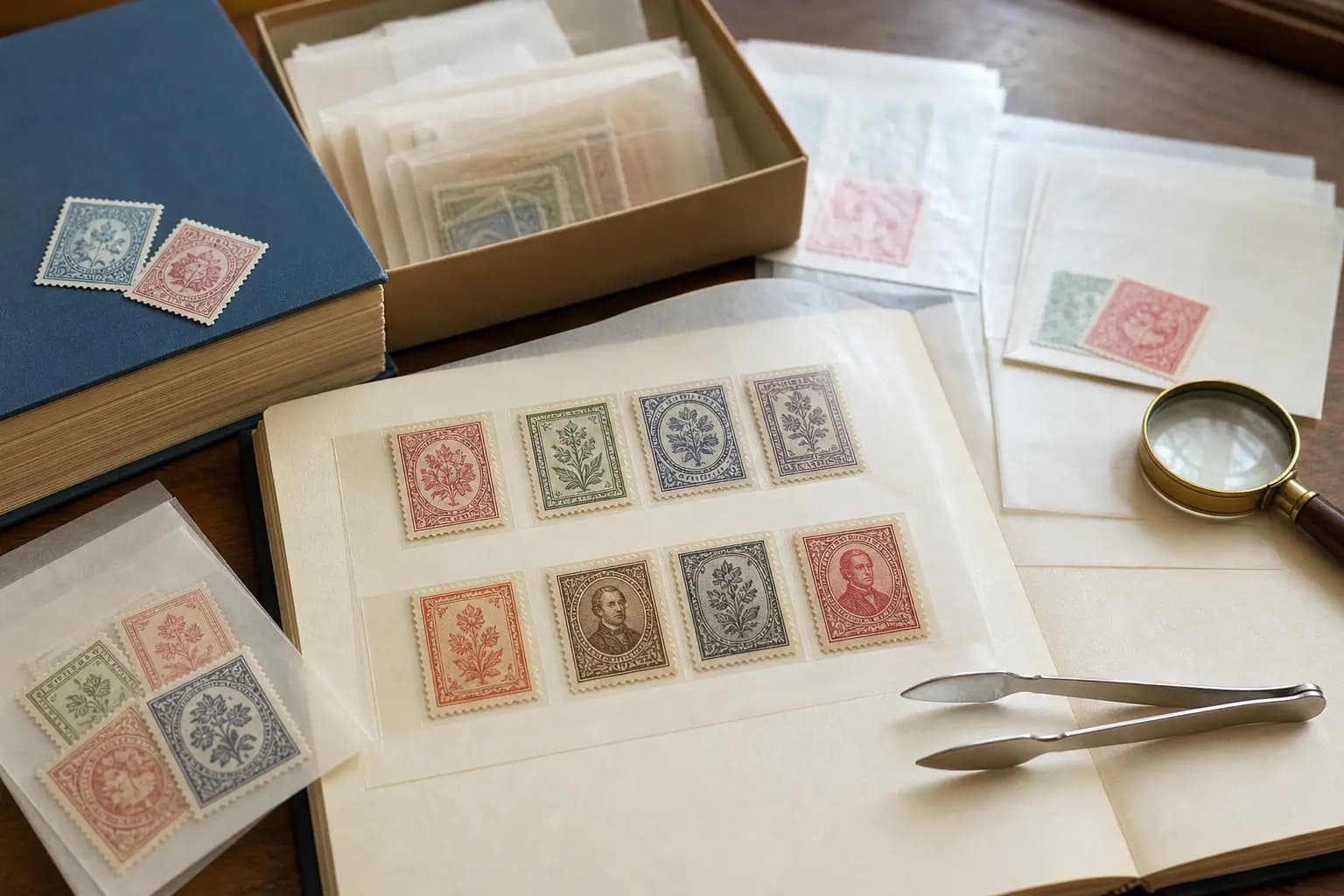
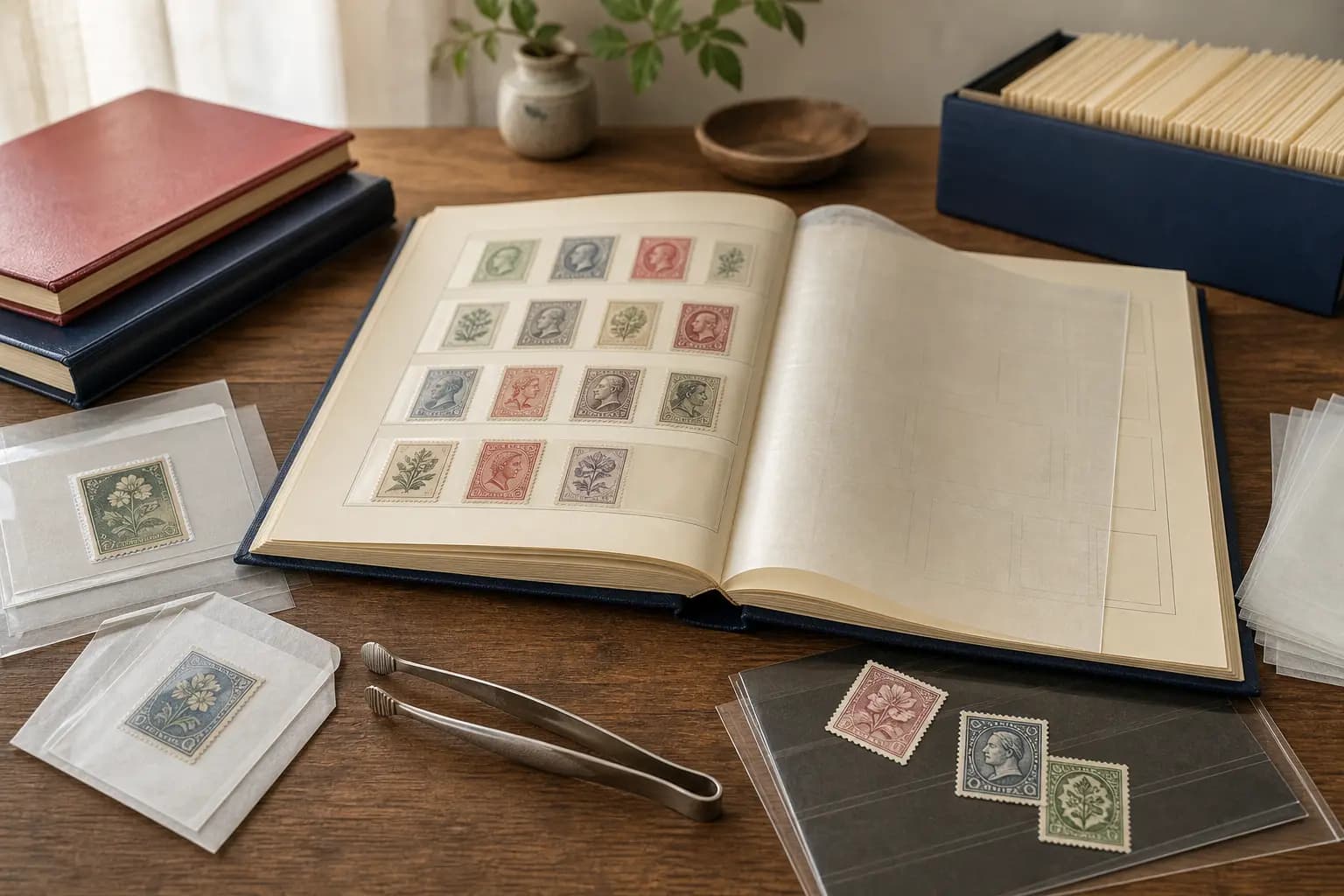
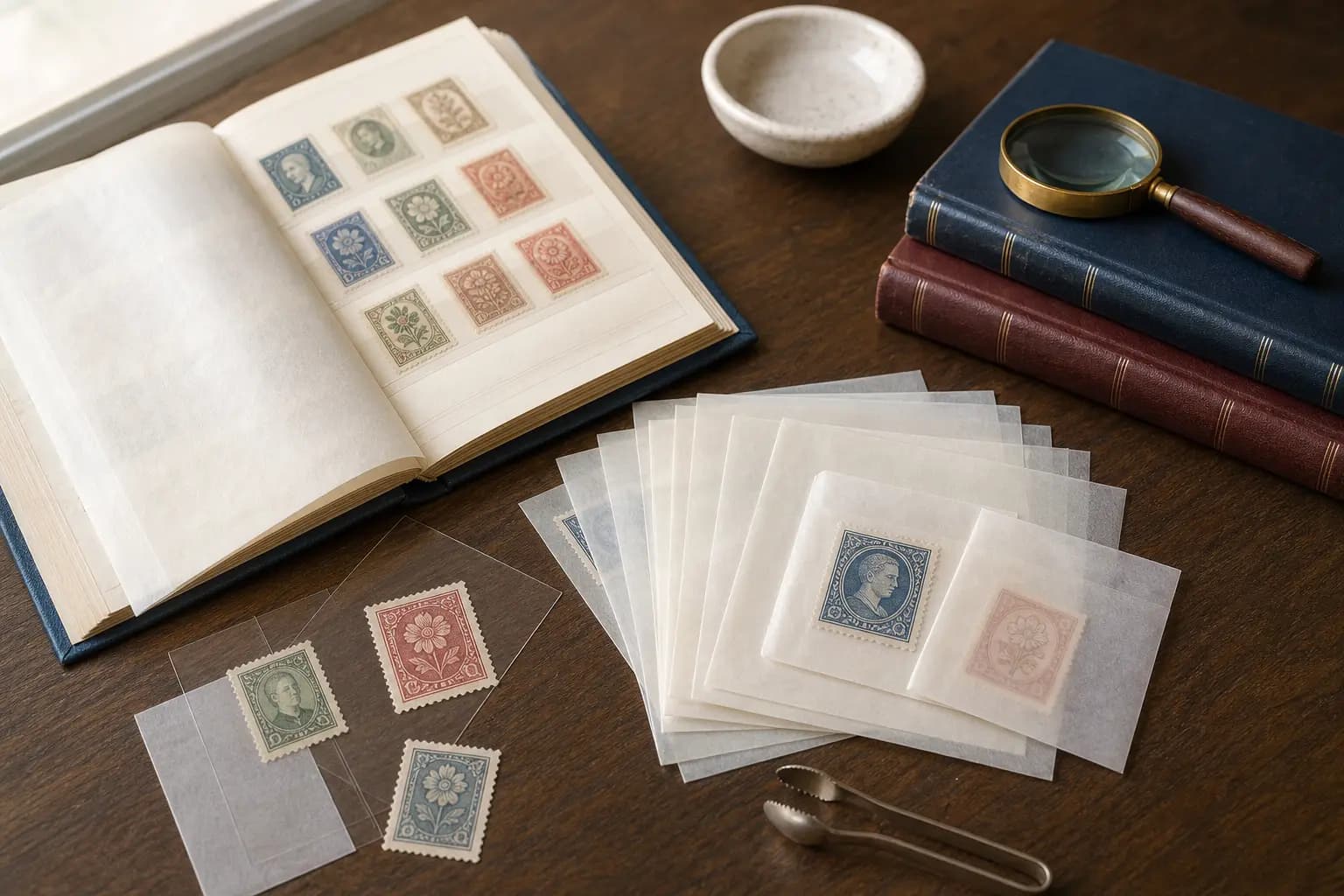
Glassine envelopes are widely used by collectors to store loose, dry stamps before mounting them in albums or stock books. Glassine is a semi-transparent, smooth paper that resists moisture and prevents sticking, making it ideal for temporary storage. Using glassine envelopes helps protect stamps from dust, fingerprints, and accidental bending during sorting and organization.
Unlike plastic bags or regular paper envelopes, glassine does not contain chemicals that can damage stamps over time. It also allows you to see the contents without opening the envelope, which is helpful when sorting or trading. Glassine envelopes are available in various sizes to accommodate single stamps or larger groups, making them versatile for different collection needs.
Preparing Stamps for Storage
Before placing stamps in glassine envelopes, ensure they are completely dry and free from adhesive residue. If you have soaked stamps to remove them from envelopes, allow them to dry overnight between paper towels with a weight on top to prevent curling, as recommended by the American Philatelic Society. Handling wet or damp stamps can easily cause tears or creases, so always wait until they are fully dry.
Sort your stamps by country, topic, or service type according to your collection goals. Remove any badly damaged stamps unless they are rare and difficult to replace. Selecting the best centered and lightly canceled copies for storage will help maintain the quality of your collection.
Safe Handling Before Storage
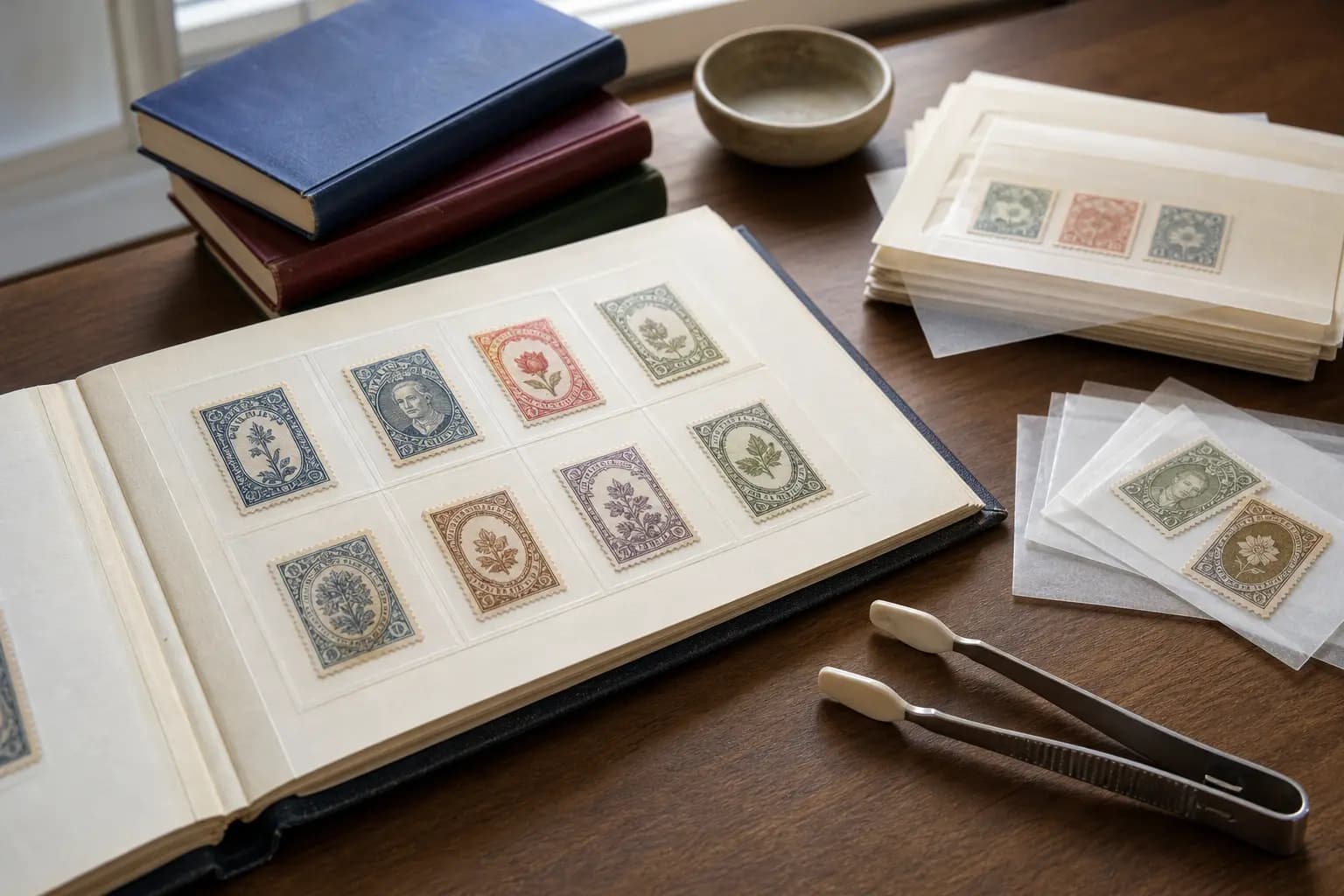
Minimize handling of stamps to avoid transferring oils or dirt from your fingers. Use stamp tongs with a smooth gripping surface when handling dry stamps, as even clean hands can leave residue that damages stamps over time. Never use tongs on wet or softened stamps, as they are more fragile and prone to tearing.
If you are sorting a large batch, work in a clean, dry area and handle one stamp at a time. Avoid stacking stamps directly on top of each other, which can lead to accidental creasing or sticking. Glassine envelopes provide a safe, intermediate step before mounting stamps in albums.
Organizing Stamps in Glassine Envelopes
Place stamps gently into glassine envelopes, grouping them by your chosen sorting method. Do not overfill envelopes, as overcrowding can cause stamps to bend or stick together. For valuable or delicate stamps, consider using separate envelopes to prevent accidental contact.
Label each glassine envelope with relevant information, such as country, topic, or date acquired. This helps keep your collection organized and simplifies the process of mounting stamps later. Glassine envelopes are also useful for storing duplicates intended for trading or future sorting.
Environmental Considerations for Storage
Store glassine envelopes in a cool, dry place away from direct sunlight, humidity, and temperature fluctuations. High humidity can cause stamps to stick or develop mold, while excessive heat may damage the paper and adhesive. Avoid storing envelopes near sources of moisture or in areas prone to pests.
If you plan to keep stamps in glassine envelopes for an extended period, periodically check for signs of deterioration or sticking. Glassine provides temporary protection, but long-term storage is best achieved in archival albums or stock books with acid-free pages.
Transitioning from Glassine Envelopes to Albums
When you are ready to mount stamps in albums or stock books, handle them carefully to avoid damage. Use stamp tongs for dry stamps and choose peelable hinges or mounts for attachment. Never use tape or glue, as these can permanently damage stamps and reduce their value.
Glassine envelopes are a practical tool for short-term storage, but albums and stock books offer greater protection and organization for your collection. StampSnap can help you record stamp details and organize your collection digitally, complementing your physical storage methods.
Common Mistakes to Avoid When Using Glassine Envelopes
Do not place wet or damp stamps in glassine envelopes, as this can cause sticking, mold, or other damage. Always ensure stamps are dry before storage. Avoid overfilling envelopes, which increases the risk of bending or creasing.
Do not use household adhesives, tape, or glue to seal glassine envelopes or attach stamps to album pages. These substances can cause irreversible damage. If you are unsure about the best storage method, consult reputable collector resources or use tools like StampSnap to help identify and organize your material safely.
Frequently asked questions
Can I store wet stamps in glassine envelopes?
No. Only store dry stamps in glassine envelopes. Wet or damp stamps may stick, tear, or develop mold. Allow stamps to dry completely before storage.
Should I use tongs to place stamps in glassine envelopes?
Use tongs only for handling dry stamps. Never use tongs on wet or softened stamps, as they are more fragile and can be easily damaged.
How long can stamps stay in glassine envelopes?
Glassine envelopes are best for temporary storage. For long-term preservation, transfer stamps to archival albums or stock books with acid-free pages.
Is it safe to use tape or glue with glassine envelopes?
No. Tape and glue can damage stamps and reduce their value. Use peelable hinges or mounts when attaching stamps to album pages.
How can I organize stamps in glassine envelopes?
Group stamps by country, topic, or type, and label envelopes for easy identification. Avoid overcrowding and use separate envelopes for valuable items.