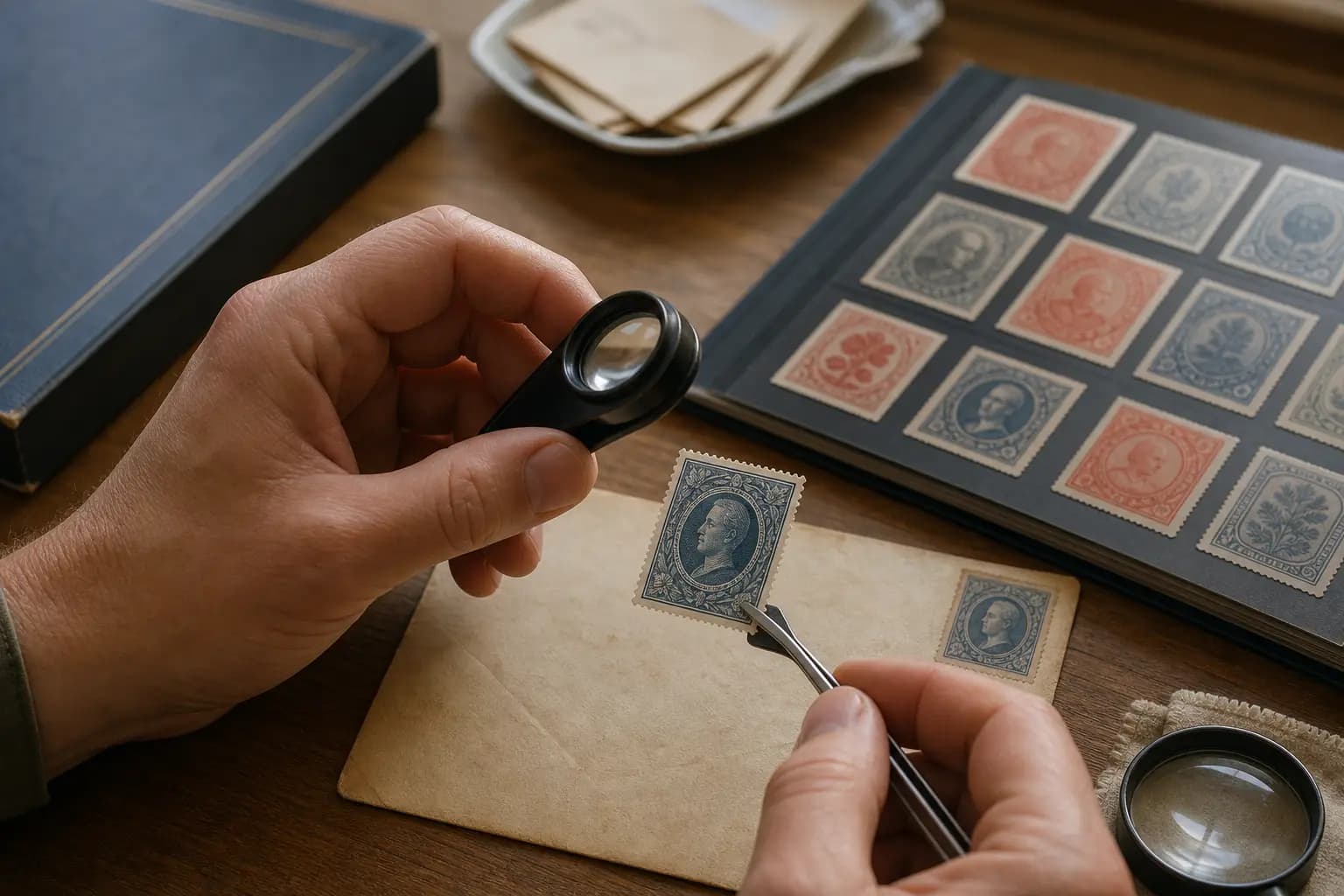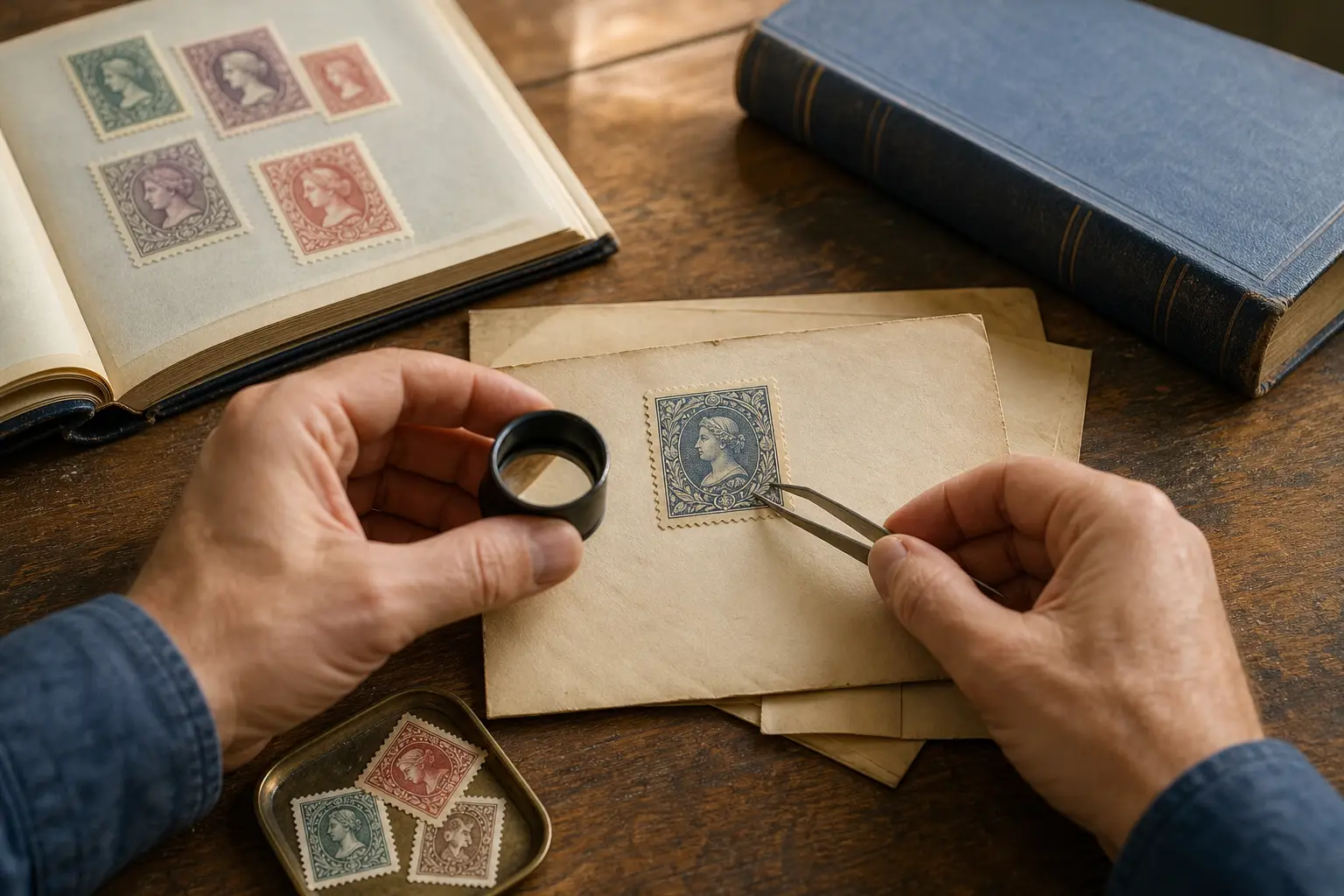

Short answer: yes, a watermark can split value
Yes. In philately, a watermark can separate one stamp from another in both cataloging and valuation. The American Philatelic Society notes that stamps with the same design may receive separate catalog numbers when they differ by the presence or absence of a watermark, or by the watermark design itself. That means a watermark can be the only visible clue standing between a common stamp and a much scarcer listing.
For collectors, the practical point is simple: do not assume that two stamps with the same design have the same value. A watermark is not just a paper curiosity. It can be a defining feature of the issue, and that makes it relevant to identification, organization, and any informal value estimate you make for your own records.
Why watermarks matter in valuation
The APS explains that watermarks were originally a security measure in stamp paper used to deter counterfeiting. They may appear as words, letters, symbols, monograms, or numbers, formed by thin areas in the paper. Because of that role, a watermark can tell you something important about how the paper was made and which stamp issue you are actually holding.
From a valuation perspective, the key risk is misidentification. If a collector overlooks the watermark, a stamp may be placed in the wrong catalog listing, which can lead to a mistaken impression about its importance. The APS specifically warns that watermarks may be the sole difference between a very common stamp and one valued far more highly. That is why valuation should begin with identification, not with assumptions based on color or design alone.
How to check a watermark without damaging the stamp
Start with the least invasive method. Some watermarks can be seen by holding the paper up to light, especially on certain issues from countries such as Ireland and Italy, which the APS says often show watermarks more easily than many other stamps. Even then, a visible trace is not always enough to identify the full design, so treat a quick glance as a first check rather than a final answer.
For a more reliable result, the APS recommends laying the stamp face down in a dark tray and moistening it with commercial watermark fluid. The watermark should appear as dark lines against a lighter background. The APS notes that watermark fluid evaporates quickly and should not affect the gum on an unused stamp, and it also recommends Clarity watermarking fluid as a safer option than many alternatives. If you need to examine a stamp for watermark details, use proper tools rather than household liquids or rough handling.
What the watermark may tell you about the issue
Watermarks are not all the same. The APS gives examples from U.S. material, including double line and single line USPS watermarks used on postage stamps in different periods. It also notes that some stamps include only part of a watermark, sometimes just a small part of a single letter. That means identification can require patience, not just a quick look.
The same design may exist on both unwatermarked and watermarked paper, or on paper with different watermark designs. In those cases, the watermark can help distinguish separate catalog numbers. If you are building a record in StampSnap or in any personal inventory, note the watermark status only when you are reasonably confident, and mark uncertain examples for later review rather than forcing a conclusion.
Do not confuse a watermark with other paper clues
A watermark is one clue among several. The APS article on attention to detail explains that look-alike definitives can be difficult because minor changes in design and color may not be obvious at a glance. It recommends careful review of multiple features, including watermark, perforations, and color, to narrow down the correct catalog listing.
That is important for valuation because a single clue can mislead if it is taken in isolation. A stamp that appears similar to another issue may still belong to a different listing for reasons that are easy to miss. The safest method is to compare the full stamp against trusted reference material and to keep track of what you have observed, especially when the differences are subtle.
How to value a stamp after you identify the watermark
Once the watermark is identified, the valuation question becomes more precise: which issue do you actually have, and does the watermark correspond to a separate catalog number? The APS evidence shows that catalog numbers may change when the watermark changes, so the watermark should be treated as part of the identification process before any estimate is made.
Even then, an estimate is only that: an estimate. The sources supplied here support the idea that watermarks can separate issues and affect catalog placement, but they do not establish a fixed market price for any individual stamp. Condition, clarity of the watermark, and the completeness of the stamp all matter, so record the observation carefully and avoid treating a preliminary reading as a final appraisal.
A safe collector workflow for watermark-related valuation
Use a methodical sequence. First, look for the watermark by light if possible. Next, if needed, use a dark tray and commercial watermark fluid. Then compare the result with other known features such as design details and perforations. If the evidence is still unclear, leave the stamp identified as uncertain rather than guessing. This is safer for the stamp and better for your records.
If you are sorting a group of stamps, separate the likely matches from the uncertain ones and return later with better references. That habit reduces handling and helps you avoid repeated testing. When a stamp seems important or unusual, document the features you can see and keep the item in safe storage while you confirm it. StampSnap can help you create a likely identification record, but it should be used as an organizing aid, not as an official valuation.
Frequently asked questions
Do watermarks always change a stamp’s value?
Not always, but they can. The APS says a watermark may be the only difference between a common stamp and one with a much higher catalog placement. Value depends on the exact issue and condition.
Can I check a watermark by holding the stamp to the light?
Sometimes. The APS says some watermarks can be seen that way, but many require a dark tray and commercial watermark fluid for reliable identification.
Should I use household solvents or water to test a watermark?
No. The supplied sources recommend commercial watermark fluid, not household chemicals. The goal is to examine the stamp safely without risking damage to the paper or gum.
What if I can only see part of the watermark?
That is normal. The APS notes that many stamps show only a portion of the watermark, sometimes just part of a single letter. Record what you can see and compare it with reference material before deciding.
Can two stamps with the same design still be different issues?
Yes. The APS explains that stamps with the same design may be separated by watermark differences, and those differences can lead to separate catalog numbers.