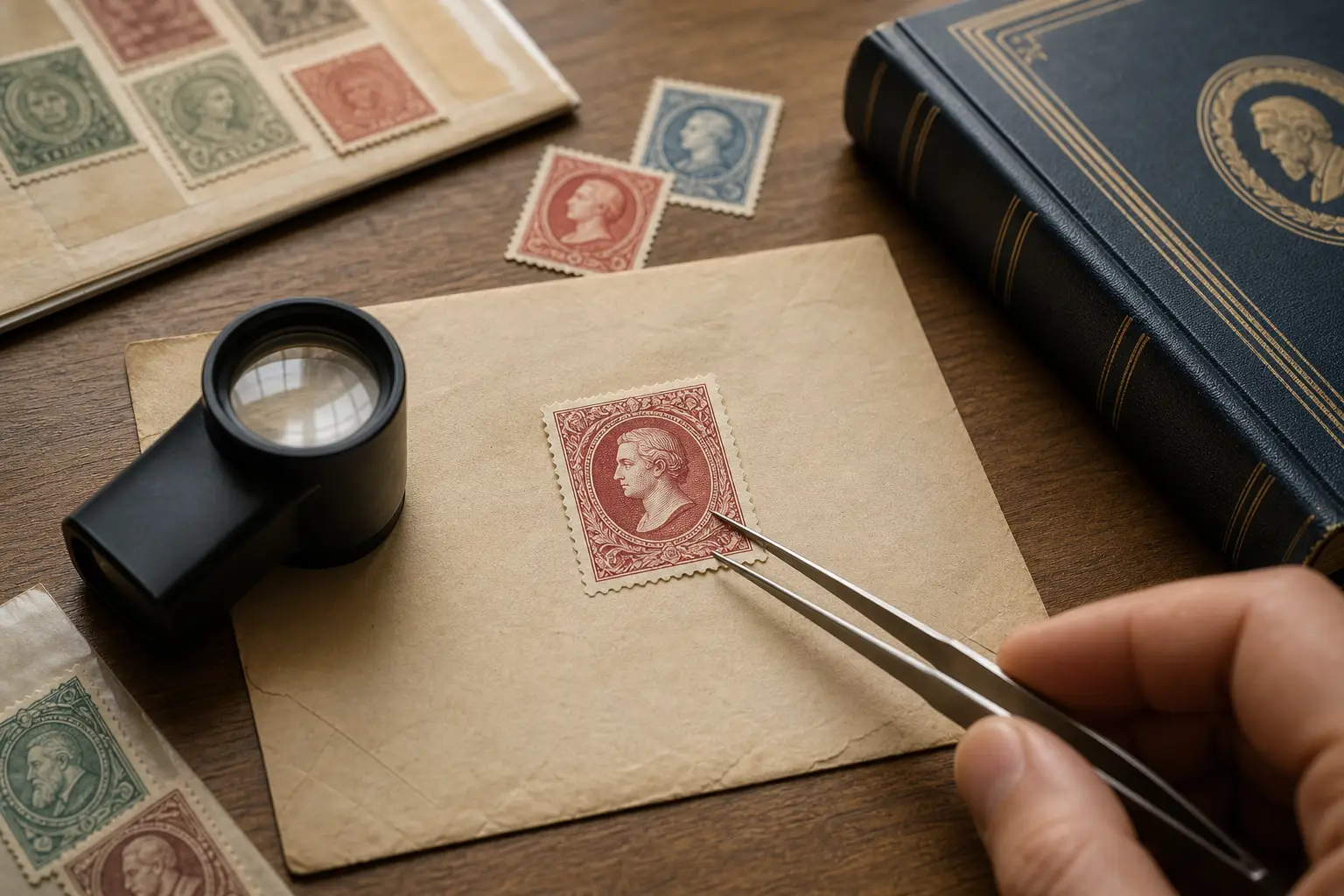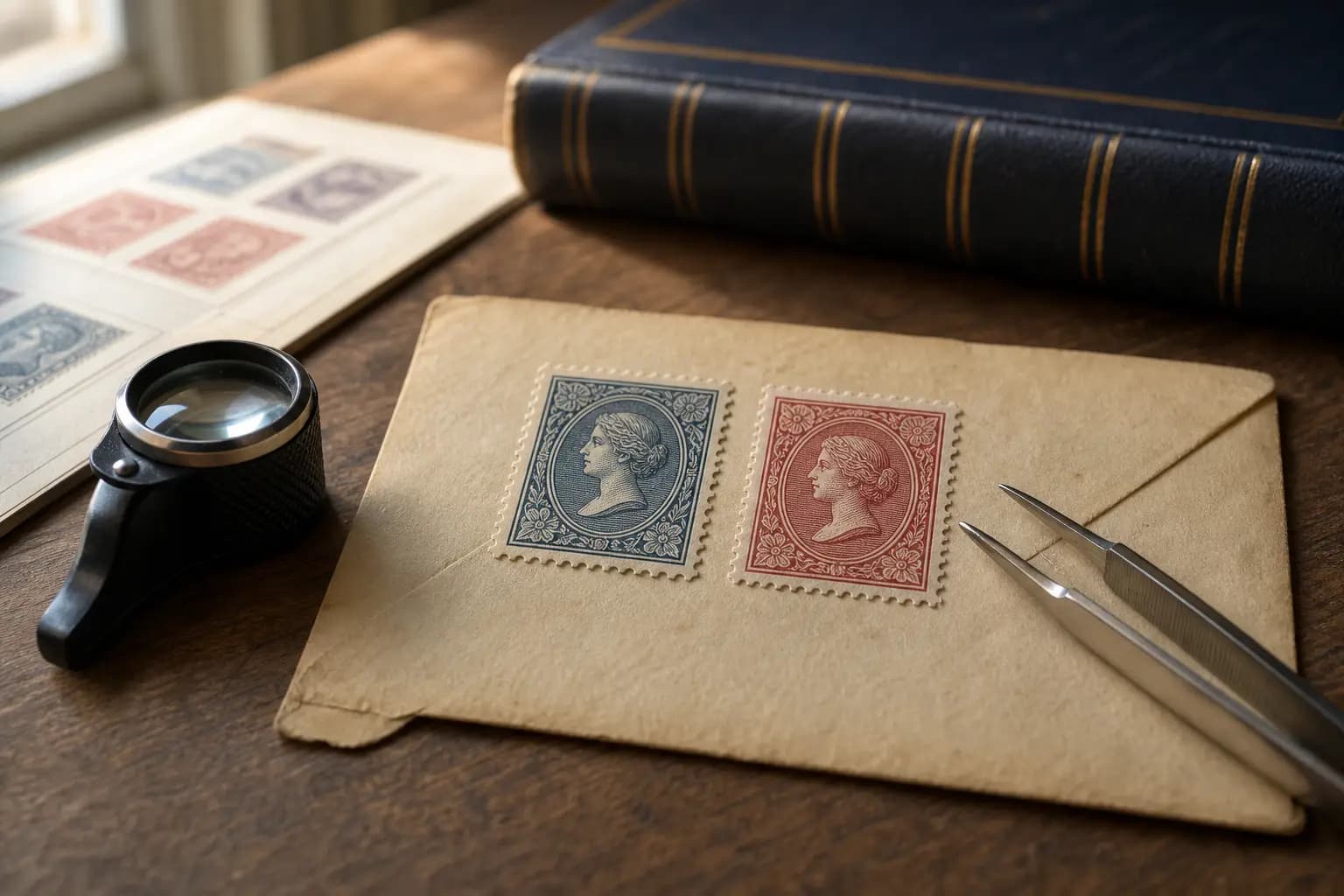
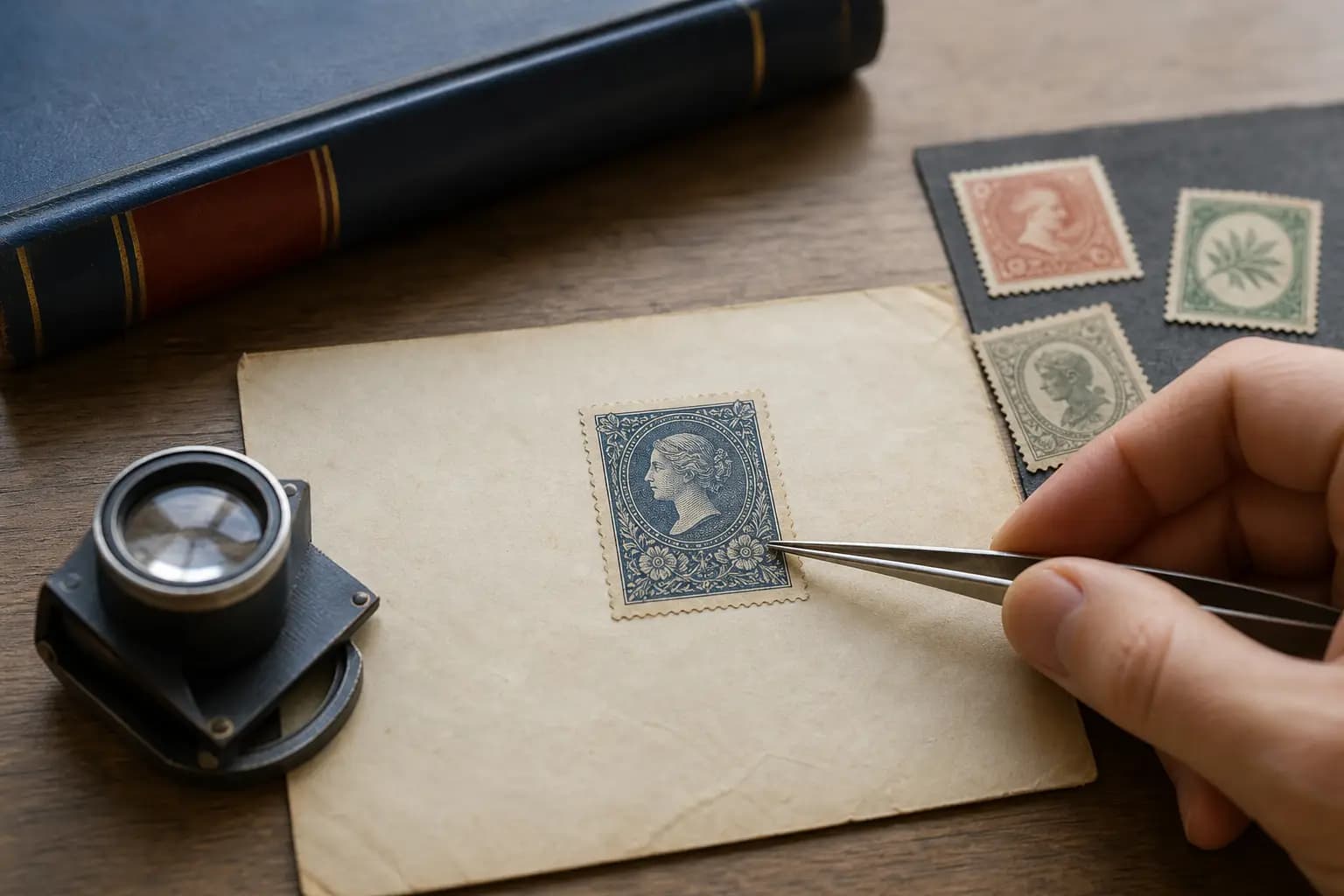
Yes, a watermark can change the value category of a stamp
A watermark can create a different stamp issue, which means the same printed design may not be the same collectible item in valuation terms. The American Philatelic Society notes that stamps with the same design but a different watermark, or even the absence of a watermark, generally receive separate catalogue numbers. In practice, that can make the watermark one of the most important details to check before you decide what you have.
This is why watermark inspection belongs near the start of any valuation workflow. Two stamps can look almost identical at first glance, yet belong to different catalogue listings once the paper is examined. The key point is not that every watermark makes a stamp rare, but that watermark differences can change identification first, and value second.
Why watermarks matter so much in cataloguing
The APS explains that watermarks are a security measure incorporated in stamp paper to deter counterfeiting. They may appear as words, letters, symbols, or monograms formed in the paper during manufacture. Because they are part of the paper rather than the printed design, they can distinguish otherwise similar stamps from one another.
The same source also makes the valuation consequence clear: a watermark can be the sole difference between a very common stamp and one catalogued far higher. That does not mean every watermark difference produces a dramatic result, but it does mean that skipping the check can lead to a wrong identification. For valuation purposes, a missed watermark is one of the most common ways to misread a stamp.
How to check a watermark safely
The safest method described by the APS is to place the stamp face down in a dark tray and moisten it with watermark fluid, which brings the watermark up in dark lines against a lighter background. The APS recommends commercial watermark fluid rather than improvised alternatives, and notes that watermark fluid evaporates quickly and should not affect the gum on an unused stamp when used properly.
Some watermarks can be seen without special equipment by holding the paper up to light, especially on certain stamps where the design or paper makes the mark easier to detect. But many stamps require more careful study, and the APS notes that on some material only a small part of a letter may be visible. If the mark is not clear, do not guess. A partial or ambiguous result should be recorded as uncertain rather than forced into a definite identification.
What to look for when the watermark is hard to see
The watermark may be only a fragment, so the task is often to identify a pattern rather than a full word. The APS notes that some U.S. material uses watermarks such as USPS, USPOD, USA, and other monograms and numbers on postal stationery, while stamps can show only a portion of a watermark. That means the visible clue may be incomplete, and the collector must compare what is seen with the known watermark forms for the issue in question.
This is also why a careful record matters. If you are building an inventory or collection note in StampSnap, record the visible watermark clue, the viewing method, and whether the result was certain or provisional. A good record protects you from repeating the same uncertainty later and helps you compare similar stamps without overclaiming an identification.
When the watermark determines a separate catalogue entry
The APS states plainly that stamps with the same design may receive separate catalogue numbers when they differ by watermark or by the presence or absence of one. That is the valuation issue collectors need to understand. A stamp is not valued only by image and colour; paper details can move it into a different listing entirely.
The APS gives a clear historical example from U.S. issues, where a double line USPS watermark was used on postage stamps from 1895 to 1910 and a single line USPS watermark from 1910 to 1916. The point of the example is not to memorise every issue here, but to show that watermark changes are real catalogue distinctions, not minor curiosities. For valuation, that distinction can be decisive.
Do not confuse watermark checking with more invasive treatment
Watermark checking should stay a paper-reading process, not a repair process. The source evidence here supports use of watermark fluid and basic viewing methods, but not household solvents, tape, glue, or any aggressive handling. If a stamp is valuable, fragile, toned, stuck, or still on a cover, stop before attempting anything beyond safe observation and appropriate tools.
The practical rule is simple: identify first, then decide what further handling is justified. If you cannot see the watermark clearly, use a safer viewing method or seek experienced help rather than forcing the stamp through risky treatment. A cautious approach protects both the stamp and the accuracy of the valuation.
A safe valuation workflow for watermark-sensitive stamps
Start by identifying the country, design family, and any visible watermark clues. Then compare the stamp against known listings, checking whether the catalogue separates the issue by watermark, absence of watermark, or watermark design. Only after that should you decide whether the stamp is a routine example or one that needs closer specialist review.
This workflow keeps valuation grounded in evidence instead of assumptions. If the result is still uncertain, keep the note provisional and revisit it later with better light or watermark fluid. Stamp identification is often a process of narrowing possibilities, and watermark evidence is one of the most useful clues when two stamps look nearly the same.
Frequently asked questions
Do watermarks always make a stamp more valuable?
No. The supplied evidence shows that a watermark can create a separate catalogue number and sometimes a much more valuable issue, but it does not say every watermark increases value.
Can I see a watermark without special equipment?
Sometimes. The APS says some watermarks can be read by holding the paper up to light, but many stamps need closer study and some show only part of the watermark.
What is the safest way to check a watermark?
According to the APS, place the stamp face down in a dark tray and use commercial watermark fluid. The fluid is described as evaporating quickly and not affecting gum when used properly.
What if I can only see part of the watermark?
Record it as uncertain and compare it with known watermark forms. The APS notes that many stamps show only a portion of the watermark, sometimes only part of a single letter.