The Importance of Safe Handling for Dry Stamps
Once your postage stamps are completely dry and flat, they enter a highly stable but still delicate state. Handling dry stamps requires a completely different set of rules than handling wet or damp paper. While you should never use tongs on wet stamps due to the extreme risk of tearing the softened paper fibers, professional stamp tongs are absolutely essential once the stamps are fully dry.
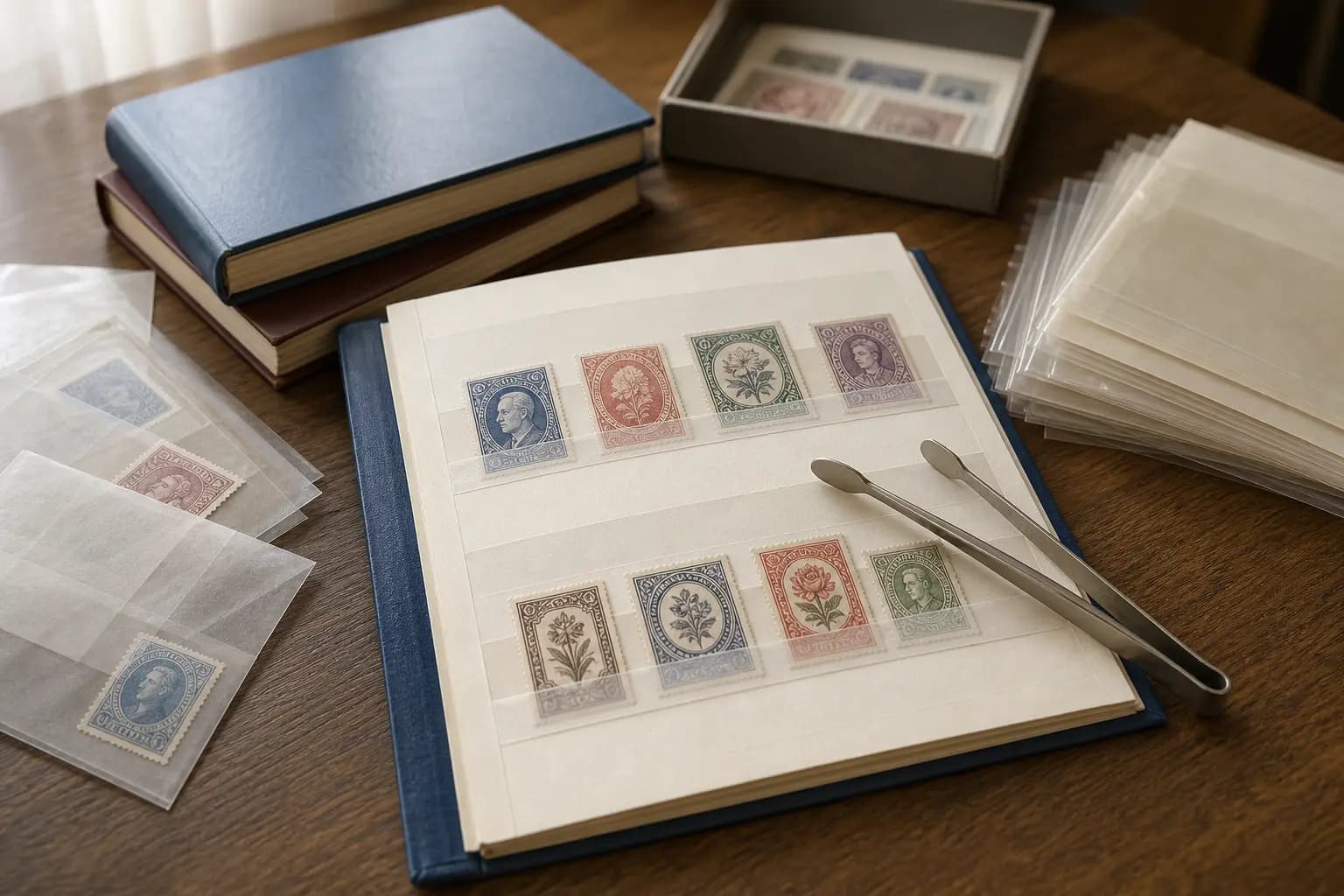
Using your bare fingers to handle dry stamps transfers natural skin oils, which can cause gradual discoloration and permanent damage over time. By transitioning to a methodical handling routine using smooth-surfaced tongs, you protect the physical integrity of your collection. Tongs look similar to tweezers but feature a smooth gripping surface designed specifically to handle delicate paper without leaving marks.
Establishing Your Sorting Criteria
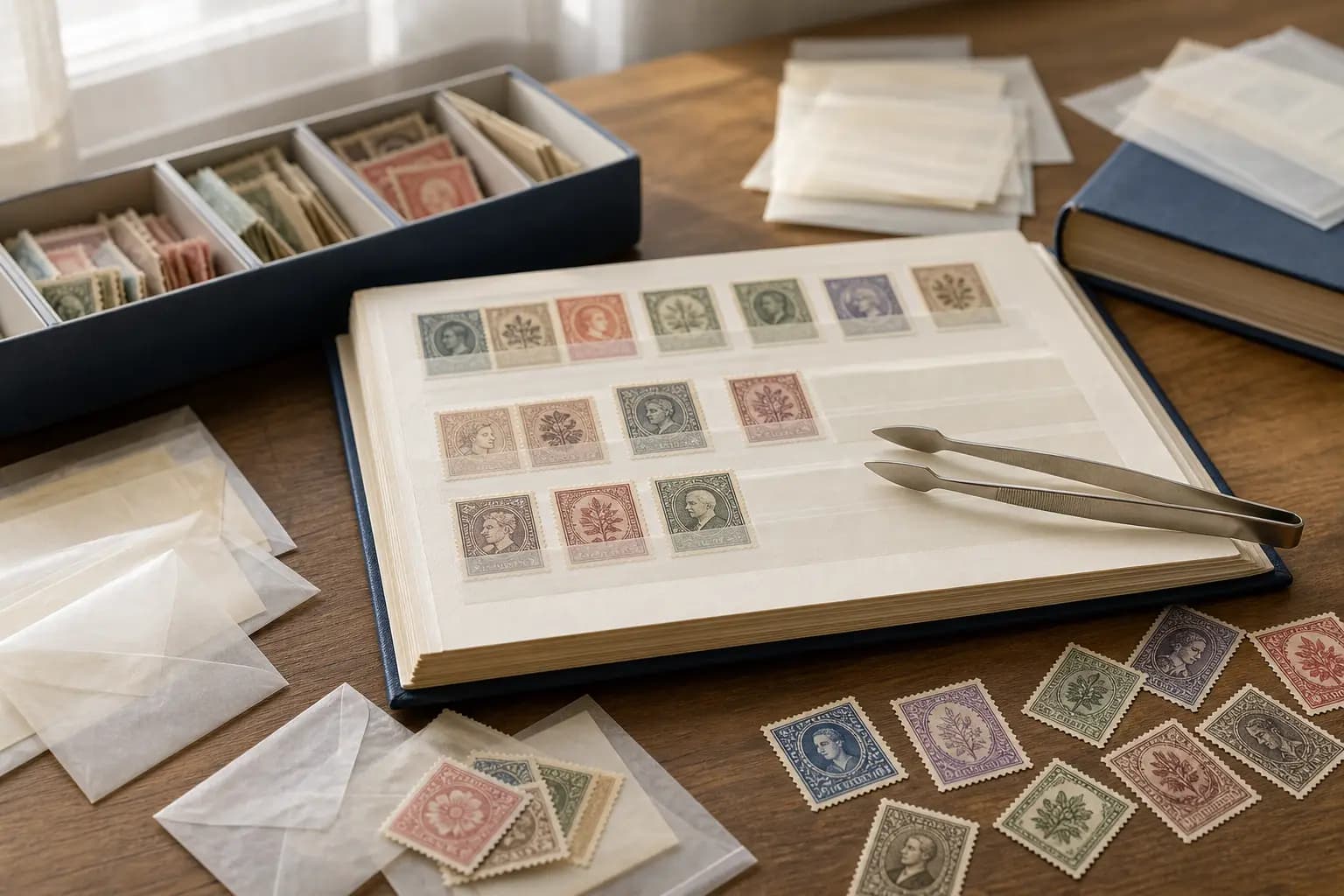
Before you begin mounting your dry stamps into an album or stockbook, you must establish a clear sorting system. Sorting is a continuous, rewarding part of the hobby that helps you organize your collection before making permanent placement decisions. You can choose to sort your stamps by country of origin, which is a classic approach for worldwide collectors.
Alternatively, you can organize your stamps by topic or by the specific service the stamp was designed to provide. These service categories include airmail stamps, special delivery stamps, postage due, parcel post, and revenue stamps. Sorting your stamps first prevents the need to repeatedly move and handle them later, reducing the risk of accidental tears or creases.
Inspecting Stamps with Magnification
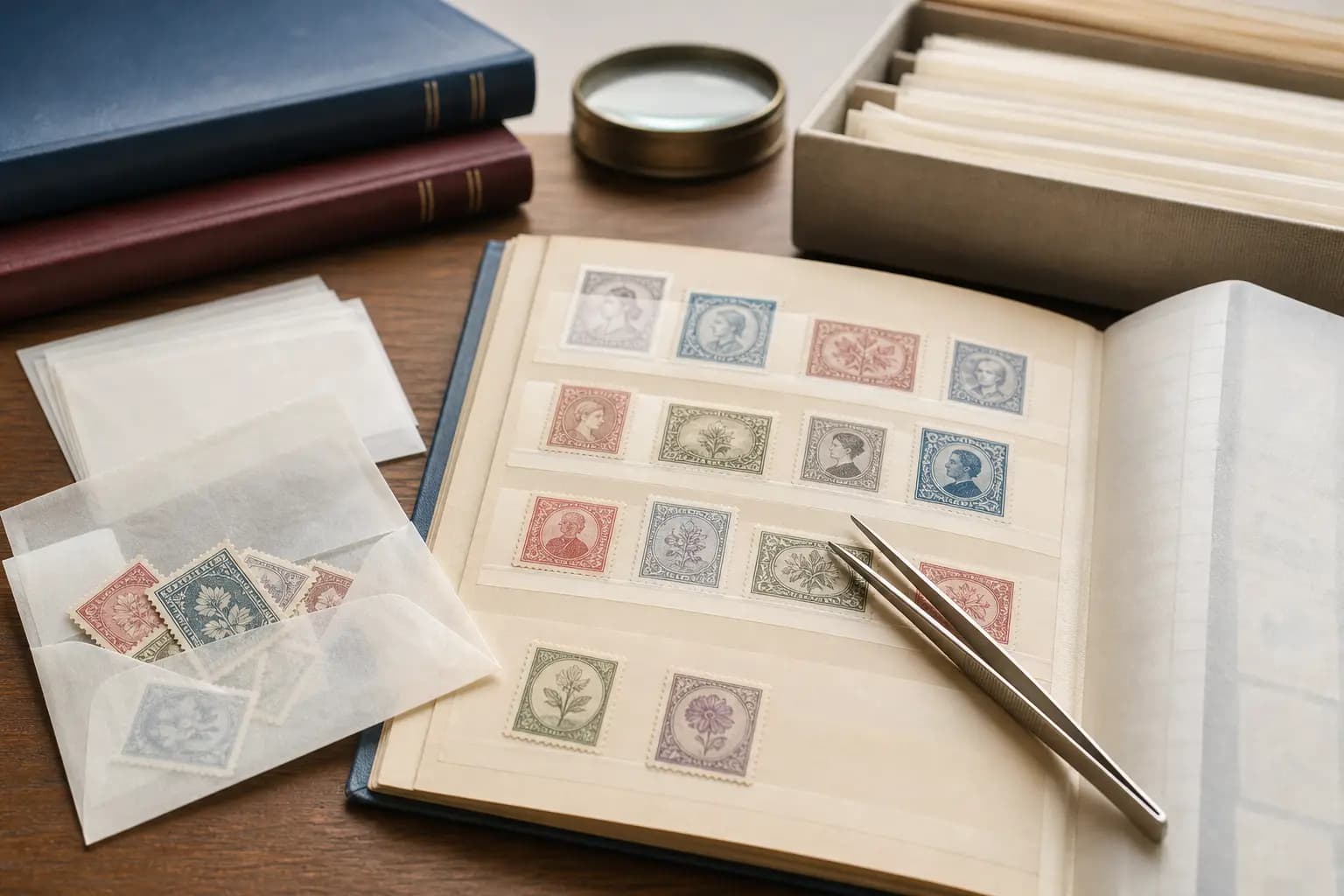
As you sort, you should inspect each stamp closely to evaluate its condition and identify unique varieties. A magnifying glass with 5 times to 10 times magnification is an invaluable tool for this step, allowing you to see fine details clearly without distortion. Choosing a magnifier that folds into a protective case will help prevent scratches on the lens.
During this inspection, look for physical damage, heavy cancellations, or centering issues. If you have multiple copies of the exact same stamp, use your magnifier to select the best specimen—ideally one that is well-centered and lightly canceled—for your primary collection, and set the duplicates aside in a separate area for future trading.
Utilizing Temporary Glassine Storage
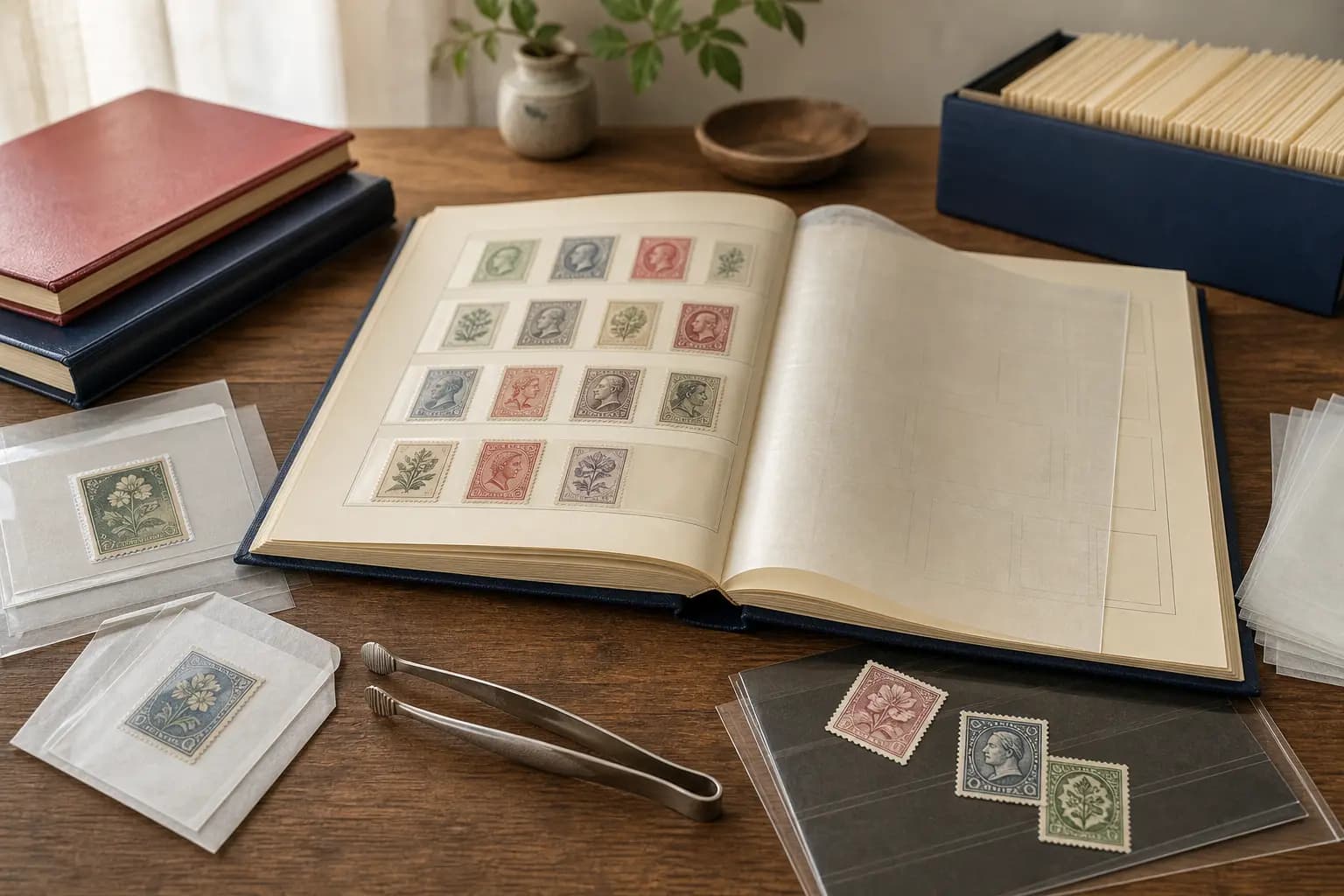
Sorting a large group of stamps is rarely completed in a single session. To keep your sorted groups organized and safe from environmental hazards, store them temporarily in glassine envelopes. Glassine envelopes protect your dry stamps from dust, light handling, and physical mixing while you finalize your album layout.
Keeping your sorted piles in clearly labeled glassine envelopes ensures that your hard work is preserved and that stamps do not slide off your workspace or become damaged between organizing sessions. This step keeps your workspace clean and prevents different categories from getting mixed up before final mounting.
Preparing for the Final Album Mount
Once your stamps are sorted and selected, you can prepare to transfer them to their permanent home. Whether you choose a structured stamp album with designated spaces or a flexible stockbook with plastic or paper pockets, planning is key. If you are using a traditional album, you will need to decide between using peelable hinges or clear plastic mounts.
Hinges are small, thin, folded pieces of translucent paper or plastic with special gum on one side, while mounts are protective clear sleeves. Never use household tape or glue to secure your stamps, as these adhesives will permanently damage the paper and drastically decrease the stamp's value. Always test your layout before applying any moisture to a hinge.
Documenting Your Collection Digitally
As you finalize the organization of your dry stamps, documenting your findings is an excellent way to track your progress. Utilizing a digital tool like StampSnap can help you create a likely identification and build a clean digital record of your organized items.
This digital inventory complements your physical albums, allowing you to easily reference what you own without having to repeatedly handle the physical stamps. Combining safe physical handling with modern digital organization ensures your collection remains beautifully preserved for years to come.
Frequently asked questions
Should I use stamp tongs on wet stamps during the sorting process?
No, you should never use tongs on wet stamps. Wet paper is highly fragile and easily torn. Tongs should only be used to handle dry stamps, where they protect the paper from natural skin oils.
How should I sort my duplicate stamps after they are dry?
You can sort your stamps by country, topic, or specific service categories such as airmail, special delivery, postage due, parcel post, or revenue stamps. Use a magnifying glass to select the best-centered and most lightly canceled copy for your album, and store duplicates in glassine envelopes for trading.
What temporary storage should I use while sorting my stamps?
You should store your dry stamps in glassine envelopes during the sorting process. This keeps them safe from dust and physical damage until you are ready to mount them in an album or stockbook.