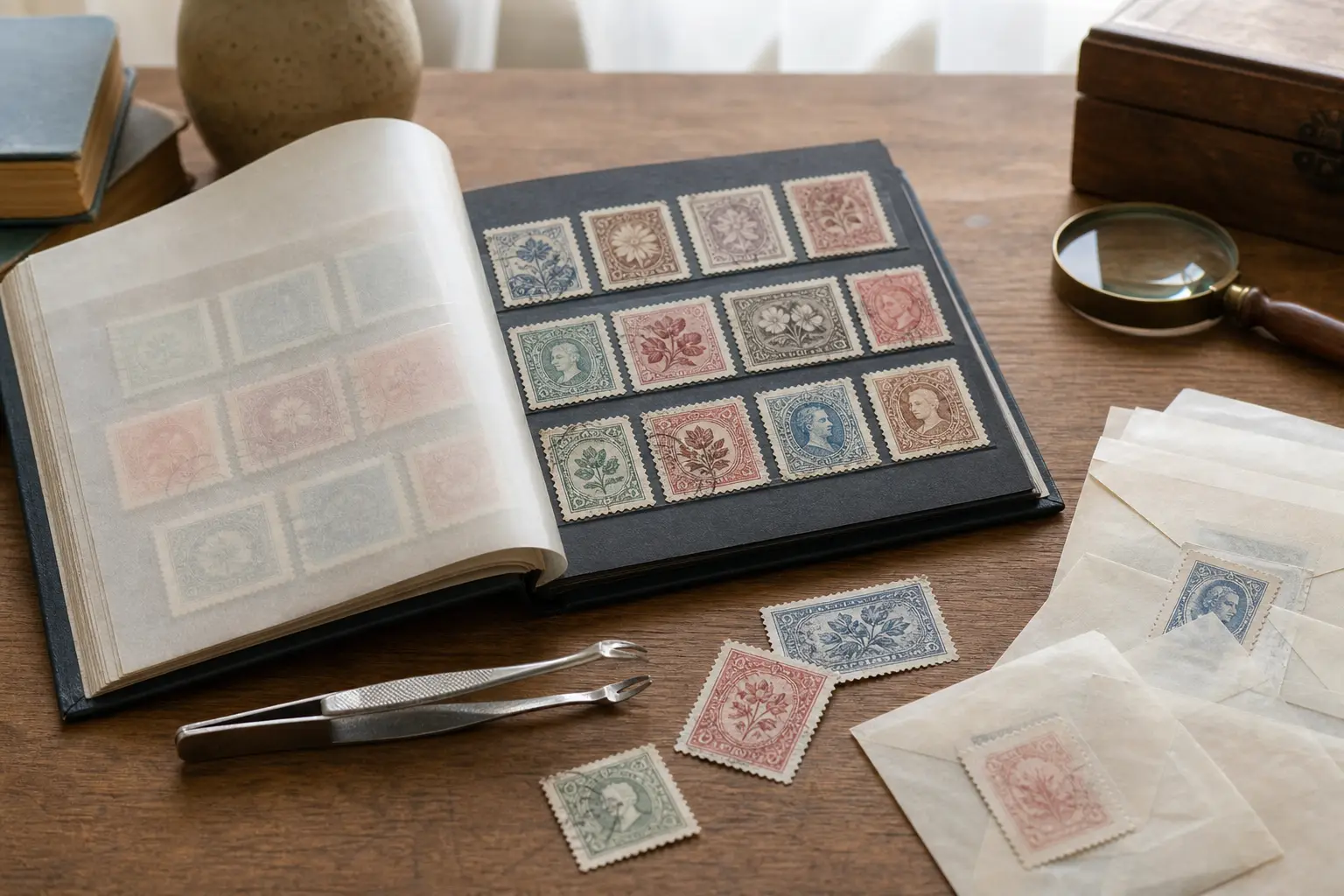
The safest way to begin with used stamps
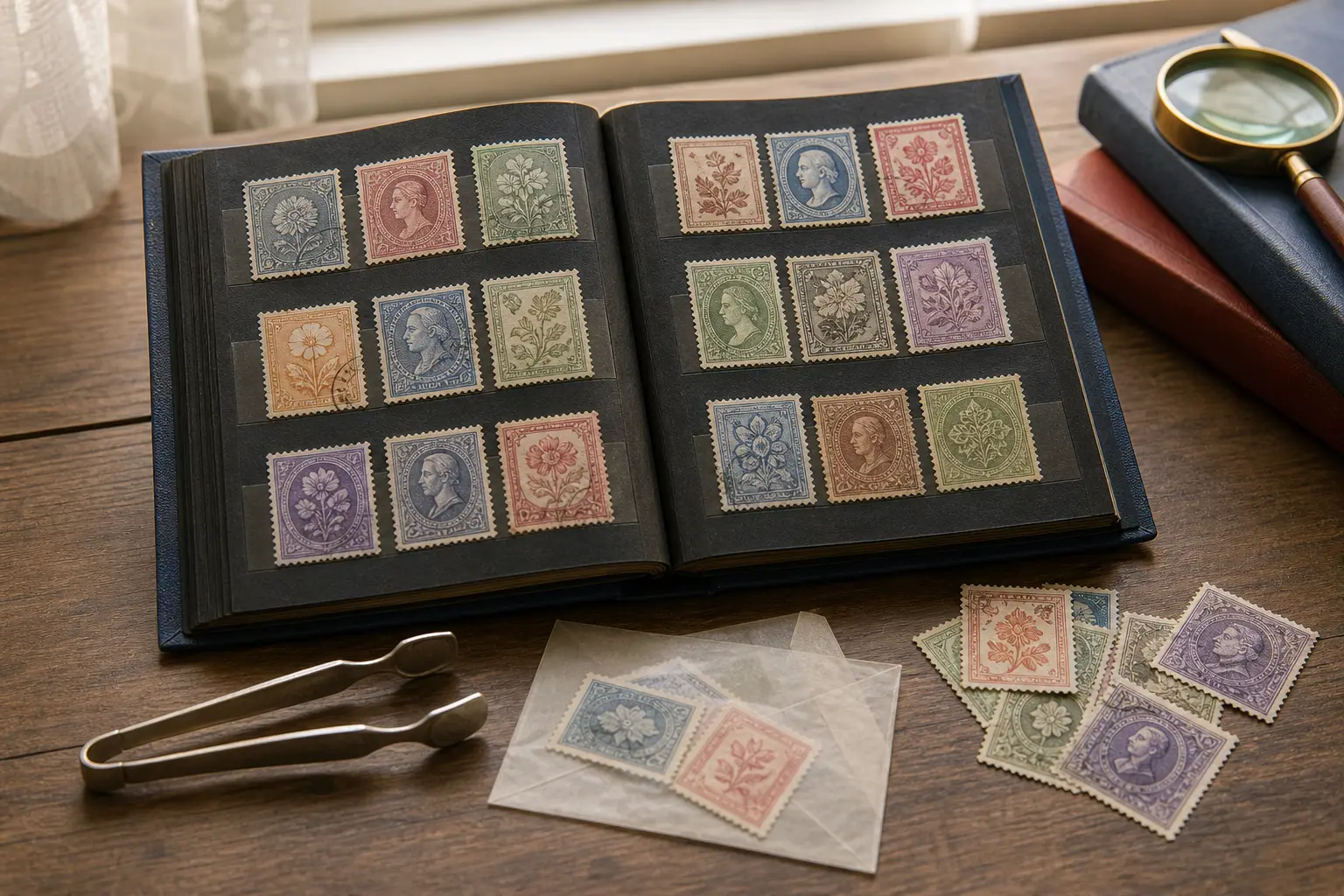
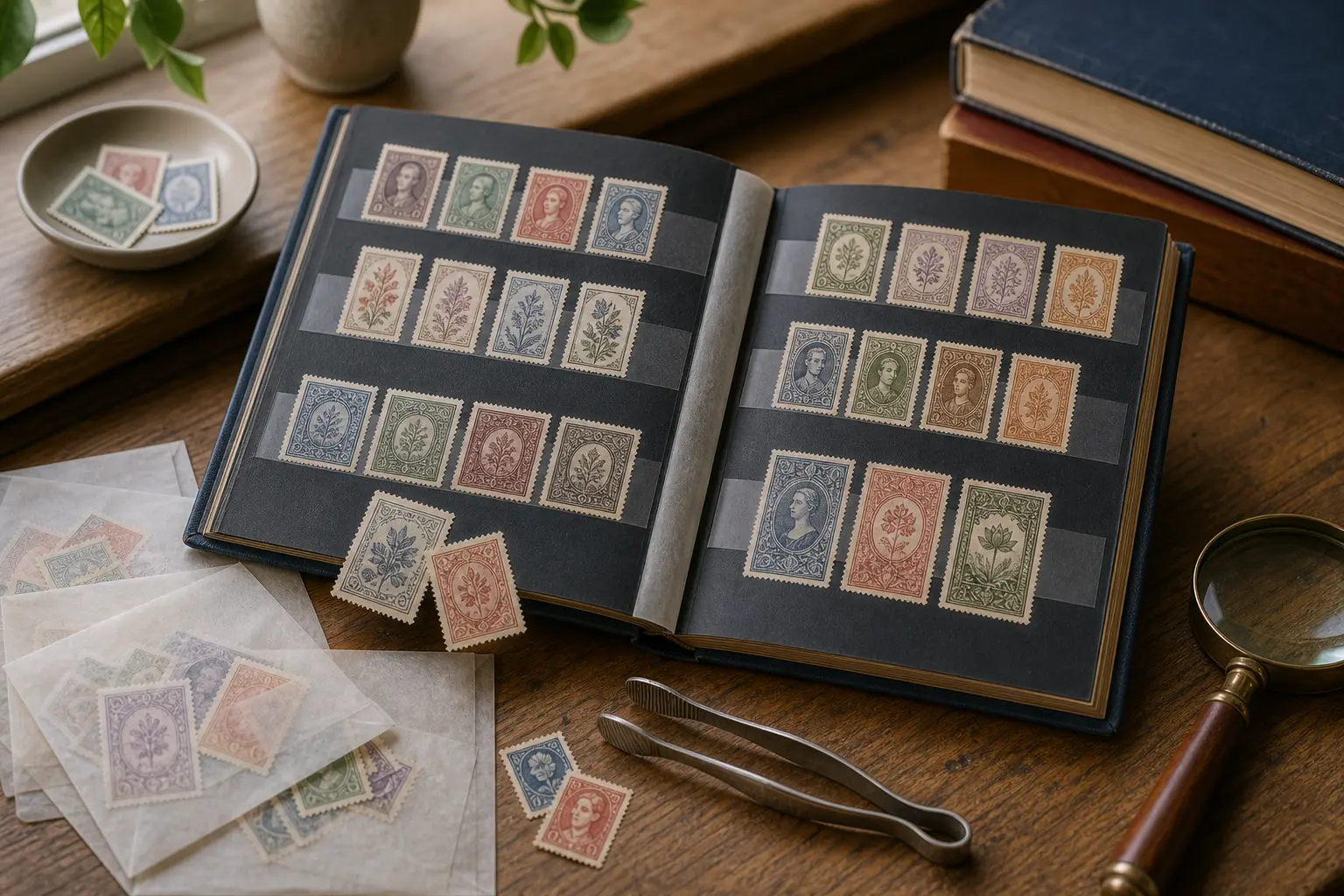
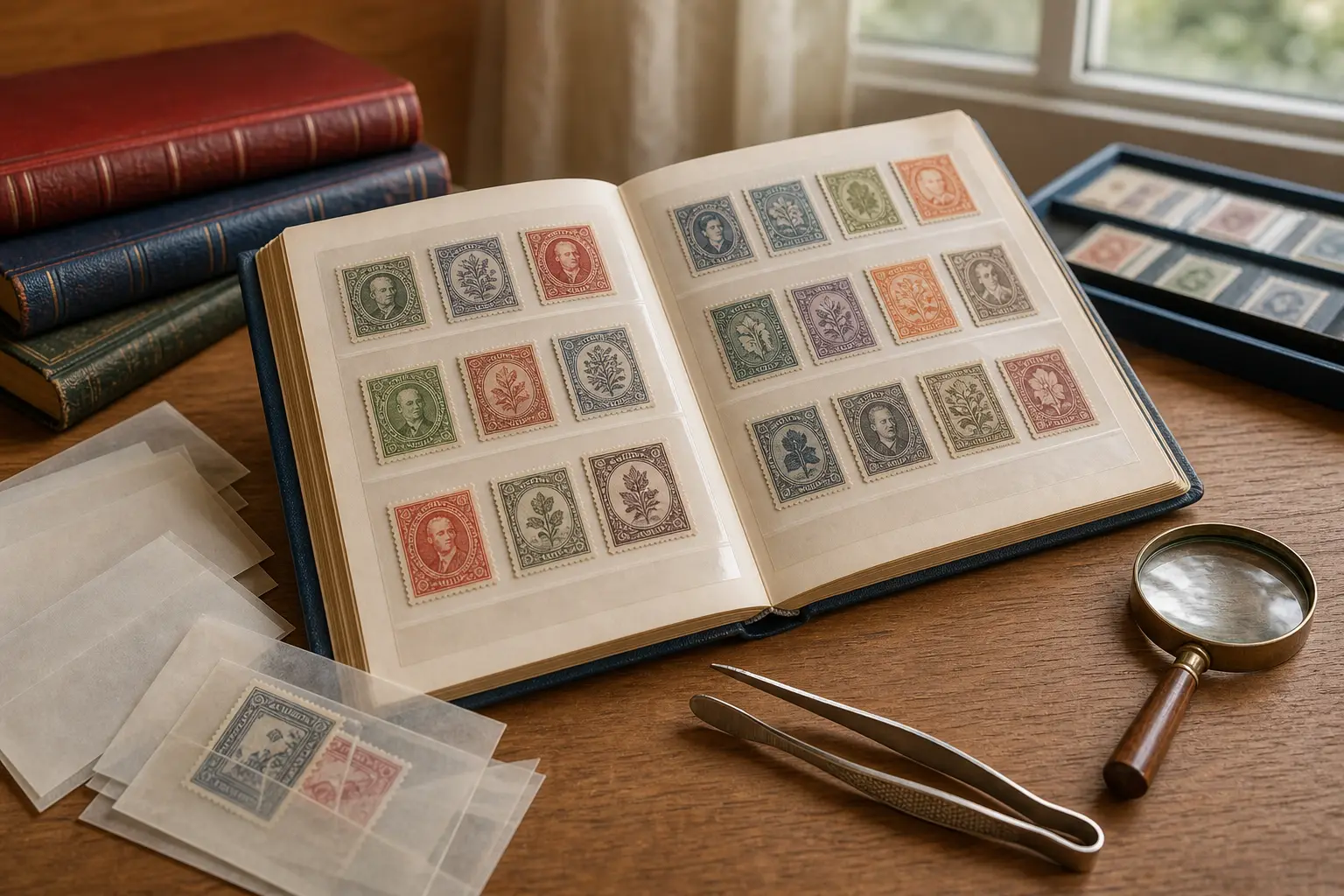
If you want to start collecting used stamps, the safest first step is to keep the process simple: use stamp tongs, an album, and a general reference book. The Smithsonian National Postal Museum identifies those three as sufficient starting tools for a new collector. That matters because good handling habits reduce the chance of bending, fingerprinting, or otherwise damaging stamps while you learn.
Used stamps are a practical starting point for many collectors because they have already served their postal purpose. The American Philatelic Society notes that used stamps often cost less than mint stamps, though there are exceptions, and they do not require you to preserve gum for mounting. You may also find cancellations interesting in their own right, which gives used material an extra layer of collecting appeal.
Choose a focus before the pile gets too large
A used-stamp collection does not need to begin with a grand plan. The American Philatelic Society says there is no right or wrong way to collect, and people often choose worldwide collecting, a single country, a topic, a type, or even a personal trait such as colour or shape. That flexibility is helpful, but it also means a new collector should decide on a narrow starting focus before the material becomes difficult to organise.
For a first collection, a simple structure is usually easiest to maintain. You might choose one country, one topic, or one type such as coil stamps or airmail stamps. If you prefer topical collecting, you can also include related postmarks, first day covers, or postal stationery, but only if they genuinely fit your chosen theme. StampSnap can help you create a likely identification or collection record, but the final collecting choice remains yours.
Handle used stamps with tools, not fingers
Safe handling is a core habit from the start. The Smithsonian National Postal Museum explains that stamp tongs have smooth ends for picking up loose stamps without direct finger contact. That is the simplest way to protect delicate paper, perforations, and surface detail. A magnifying glass can help you see small design features more clearly, while a perforation gauge can help distinguish look-alike issues by measuring their perforations.
Even when you are sorting used material, do not rush. Physical observations are useful, but the museum also notes that they should be compared with reliable references rather than treated as conclusive on their own. That means a stamp that looks familiar may still need a second look in a catalogue or other trusted source before you label it and file it permanently.
Sort first, then verify with references
A methodical workflow makes used-stamp collecting far easier to manage. Start by sorting stamps into broad groups such as country, topic, or type, then compare each group with your reference book or catalogue. The Smithsonian National Postal Museum says catalogues can record details such as issue date and printing method, which makes them useful for checking what you think you see in front of you.
This is especially important with look-alike stamps. A magnifying glass may reveal small design details, and a perforation gauge can help separate similar issues, but neither tool should be treated as proof on its own. If a stamp is not clearly identifiable from safe visual clues, leave it in a temporary holding area rather than forcing a conclusion. That keeps your records cleaner and reduces the chance of misfiling.
Use an album and keep your records simple
Once you have identified a stamp well enough for your current level of collecting, place it in an album and record only what you can support. The Smithsonian National Postal Museum lists an album as one of the basic tools of the hobby, and that is a good reminder that storage and organisation belong together. A tidy album also makes it easier to review your collection later, compare similar items, and spot gaps in your focus.
If you are collecting used stamps, you can keep the recording system straightforward: country, issue or theme, and any safe observations from your reference check. There is no need to overcomplicate the first stage. The American Philatelic Society emphasizes that collecting should be based on personal enjoyment, so a simple, consistent system is better than a large but confusing one.
What not to do when you are starting out
Do not remove stamps from covers just to get at them if the cover itself has collecting value, and do not use household solvents, tape, or glue in an attempt to improve appearance or attachment. Those shortcuts can cause irreversible damage. Also avoid handling valuable or uncertain material without proper tools, because direct contact can leave oils, creases, or tears that are difficult to reverse.
If a stamp is damp, dirty, or stuck in a way that makes you unsure how to proceed, stop and reassess rather than improvising. The safest beginner habit is patience. Good collecting is not about forcing every item into the album immediately; it is about preserving what you have while making decisions you can defend with references.
A simple beginner routine you can repeat
A dependable routine for used stamps is easy to remember: receive or sort the material, pick it up with tongs, examine it with a magnifier, compare it with a reference, and then place it in the album once you are satisfied. That sequence keeps handling low and makes uncertainty visible instead of hidden. It also helps you avoid building a collection around assumptions that later prove wrong.
Over time, this routine becomes your collecting style. You may start with worldwide material and later narrow to one country, or begin with one topic and expand into related postmarks and postal stationery. However you proceed, the safest path is the same: handle gently, verify against reliable references, and store only what you have identified as clearly as your evidence allows.
Frequently asked questions
What tools do I need to start collecting used stamps?
The Smithsonian National Postal Museum identifies stamp tongs, an album, and a general reference book as sufficient starting tools.
Are used stamps easier to collect than mint stamps?
Often yes, because the American Philatelic Society says used stamps usually cost less than mint stamps, and you do not need to preserve gum for mounting.
How should I pick my first collecting focus?
Choose one clear focus such as a country, topic, type, or another narrow theme. The American Philatelic Society says there is no right or wrong way to collect.
Can I identify a stamp from appearance alone?
Not always. The Smithsonian National Postal Museum says physical observations should be compared with reliable references rather than treated as conclusive on their own.
How should I handle used stamps safely?
Use stamp tongs with smooth ends to avoid direct finger contact, and keep handling gentle while you sort and compare stamps.