The Challenge of Worldwide Stamp Collecting
Many beginner philatelists start by collecting stamps from all over the world. However, because the countries of the world issue a total of about 10,000 new postage stamps each year, attempting to collect every single stamp ever issued quickly becomes unrealistic. Unless you possess unlimited space, time, and financial resources, a worldwide collection can feel overwhelming.
Transitioning to a country-specific collection allows you to focus your efforts, making the hobby far more manageable and personally rewarding. This transition helps you move from a broad accumulation of material to a structured study of a nation's postal history, which may include traditional postage stamps, covers, envelopes, and special markings.
Choosing Your Specialty Country
When choosing a specific country to collect, many philatelists select their home country, a nation where they spent a memorable vacation, or simply a country whose stamp designs they find visually interesting. For some smaller or newer countries, obtaining a complete run of every stamp issued is entirely possible without spending a fortune.
If a country has a vast postal history, you can narrow your specialty even further. For example, some collectors limit their collection to stamps issued since their birth year, which dramatically reduces the scope while keeping the collection highly personal and achievable.
Evaluating Mint vs. Used for Your Chosen Country
As you transition to a single country, you must decide whether to collect mint or used stamps. Mint stamps remain in the pristine condition they were in when sold at the post office, but they require careful preservation of their original gum. Used stamps, which have served their purpose of carrying mail, are generally less expensive and do not require gum preservation.
This allows you to safely mount used stamps using inexpensive stamp hinges. Additionally, the cancellations on used stamps often provide historical interest and unique postal markings, making them a fascinating area of study for specialized country collectors.
Essential Tools for Country-Specific Research
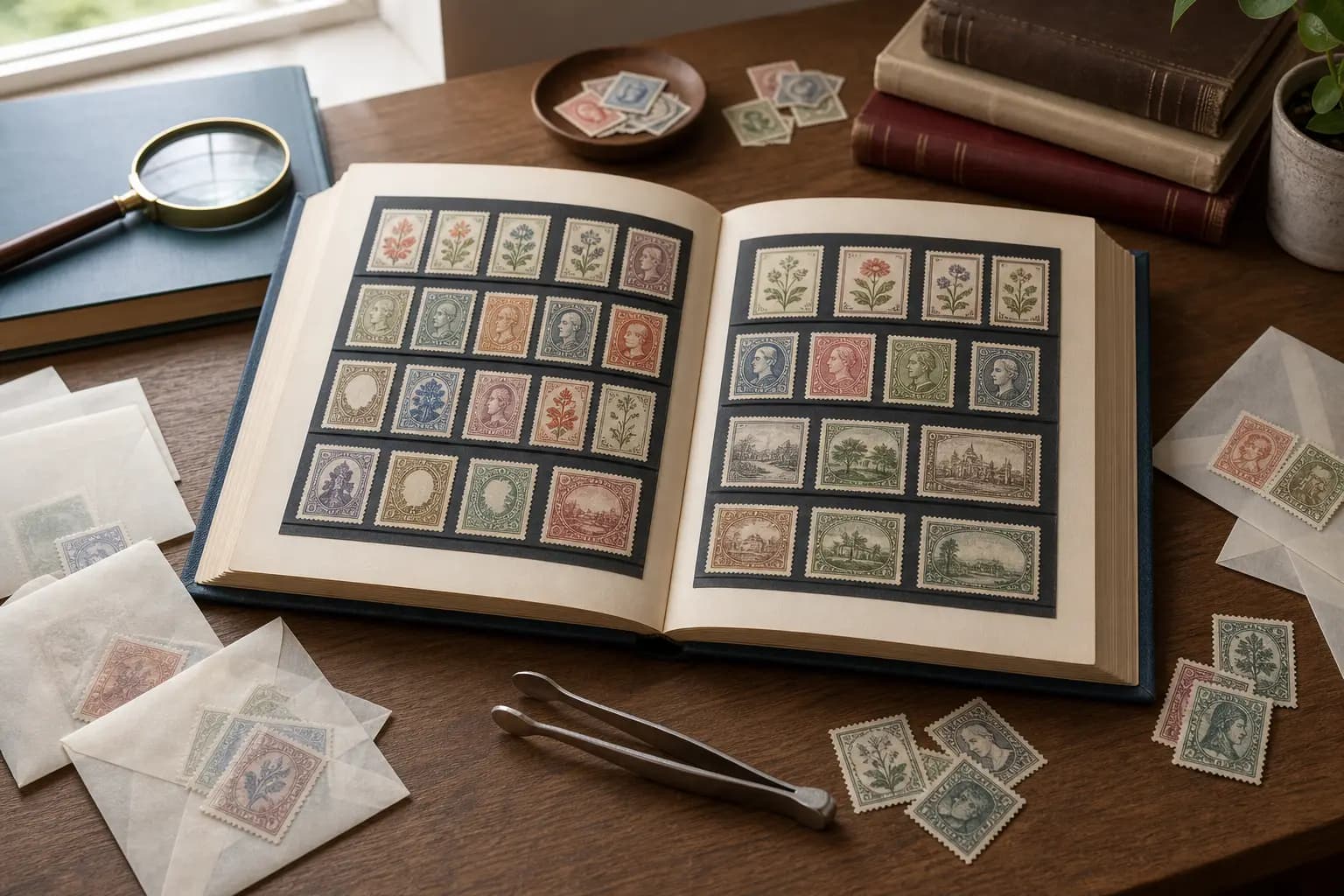
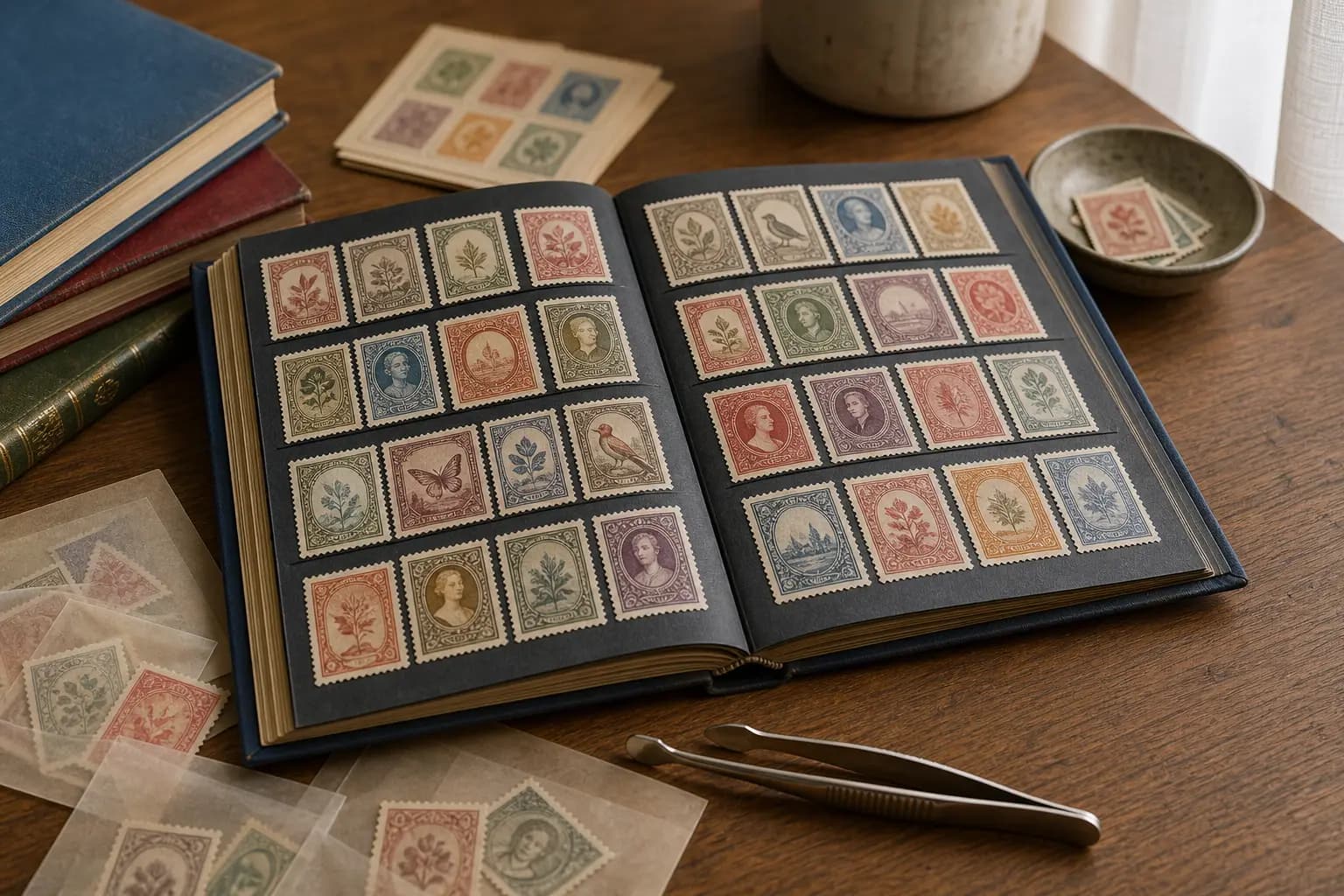
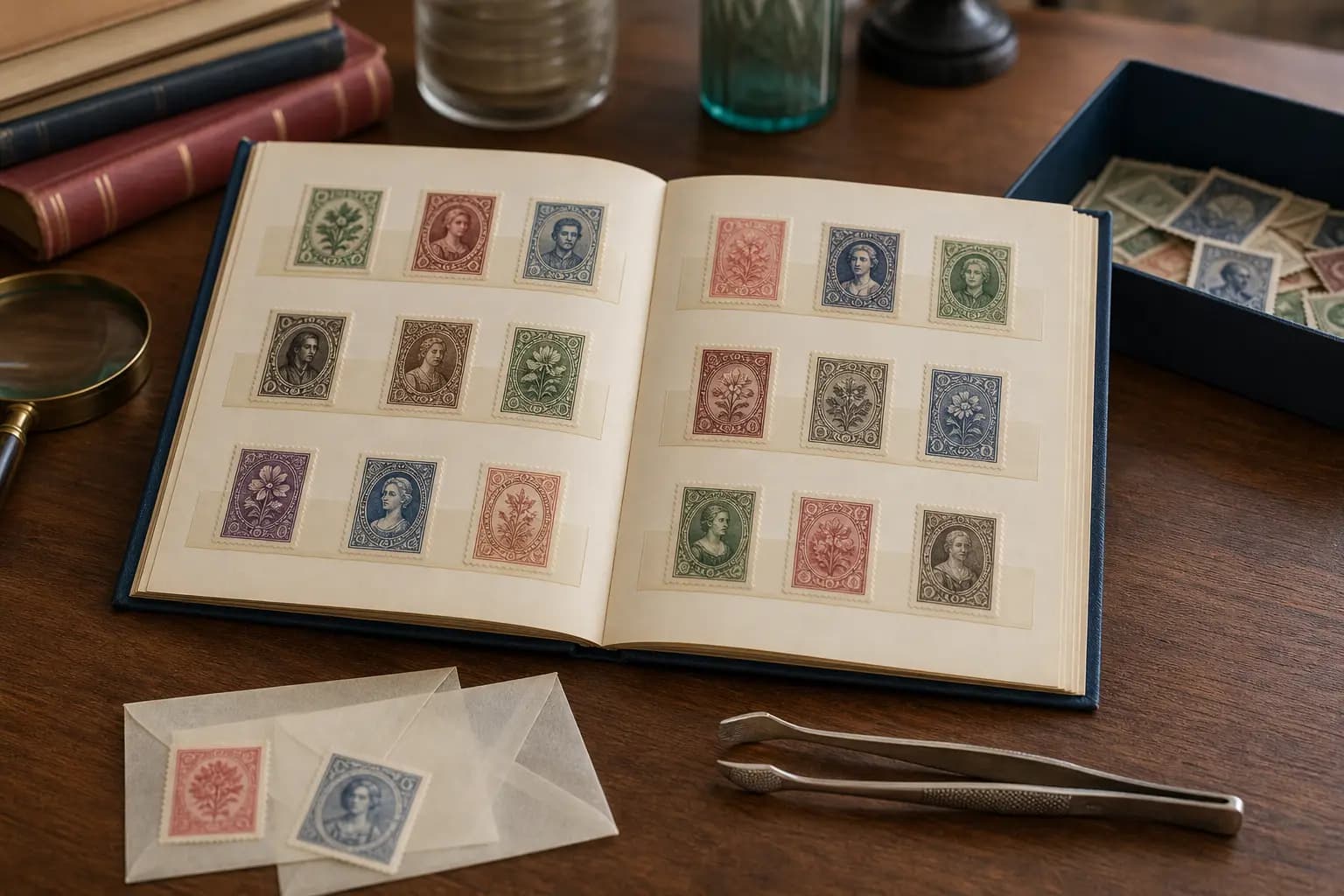
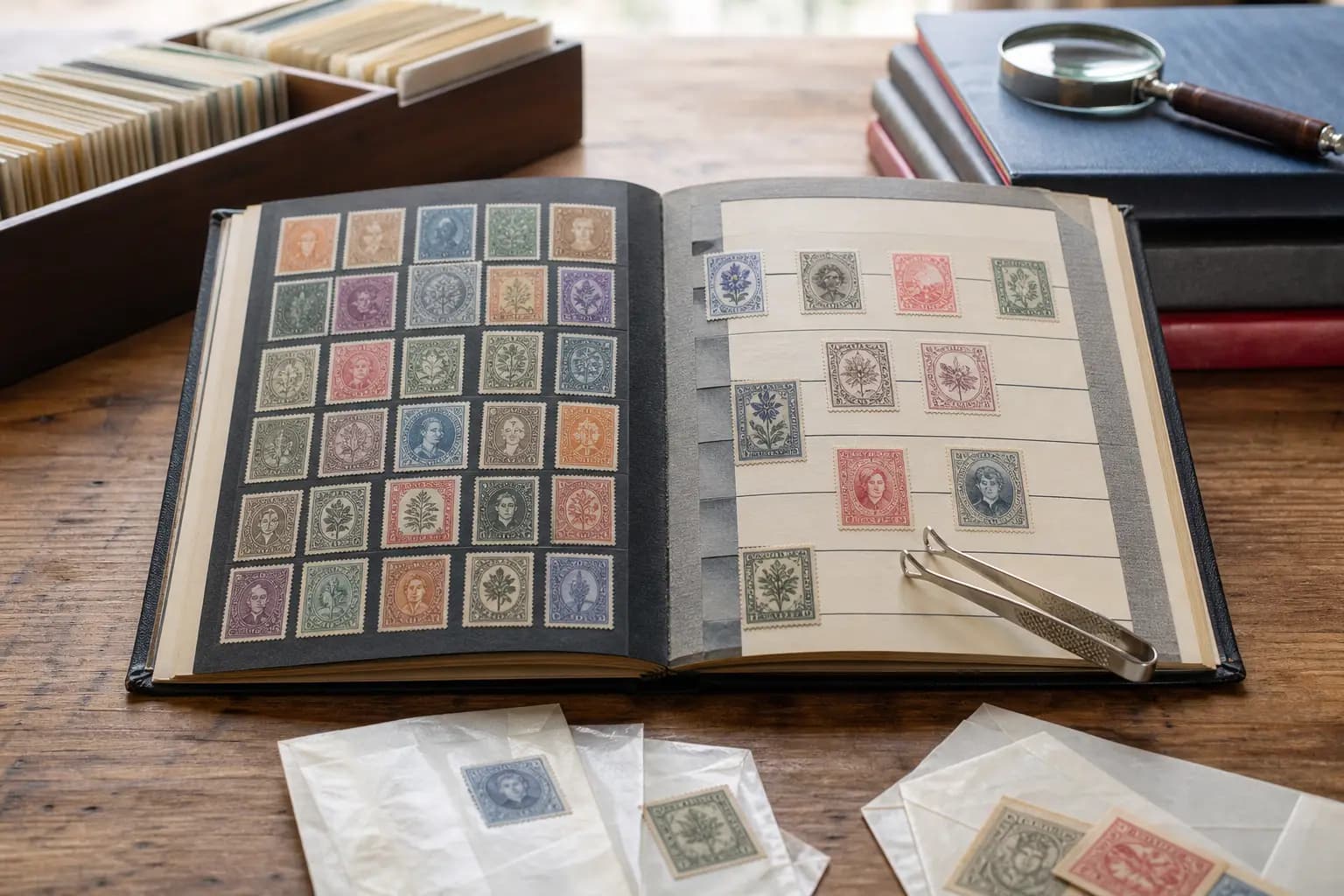
To study your chosen country's issues methodically, you will need a few essential tools. The Smithsonian National Postal Museum recommends using stamp tongs with smooth ends to handle your stamps safely without direct finger contact, protecting fragile paper from skin oils. A magnifying glass helps you inspect small design details, while a perforation gauge helps distinguish look-alike issues by measuring their perforations.
For advanced research, watermark detectors, color guides, and catalogs are highly useful specialist aids. You can use the StampSnap app to quickly scan an item and create a likely identification or digital collection record, but you should always compare your physical observations with reliable reference catalogs to confirm details like issue dates, printing methods, and production varieties.
Organizing and Documenting Your New Focus
Organizing your country collection offers incredible flexibility. You can arrange your stamps chronologically by issue date, or group them by special traits such as shape, color, or specific printing methods. Some collectors even focus on stamps used for special services, such as airmail, special delivery, or postage due.
Others might build a collection based on specific postmarks or cancellations. Regardless of how you organize, the primary goal of stamp collecting is personal enjoyment and relaxation. There is no single right or wrong way to build your collection, and you are free to customize your album pages to reflect your unique philatelic interests.
The Broader Philatelic Context
Stamp collecting has a rich history, often described as the 'hobby of kings and the king of hobbies.' It attracts millions of people worldwide from all walks of life, including famous figures like President Franklin Roosevelt, astronaut Henry Hartsfield, musician John Lennon, and actor James Earl Jones.
Organizations like the American Philatelic Society, founded in 1886, have long supported collectors by providing educational programs, services, and community resources. Transitioning to a focused country collection is an excellent way to deepen your philatelic knowledge, appreciate miniature works of art, and enjoy a relaxing, lifelong pursuit that offers a great return on your personal investment.
Frequently asked questions
How many new stamps are issued worldwide each year?
The countries of the world issue approximately 10,000 new postage stamps each year, making a complete worldwide collection highly difficult to maintain due to space, time, and budget constraints.
What are the benefits of collecting used stamps instead of mint stamps?
Used stamps generally cost less than mint stamps, do not require you to preserve original gum, and can be mounted using inexpensive stamp hinges. They also feature interesting cancellations that tell a story of postal history.
How can I narrow down my collection if a single country still has too many stamps?
You can narrow your focus further by collecting stamps from a specific historical era, focusing only on stamps issued since your birth year, or specializing in particular types like airmail or special delivery issues.
What basic tools do I need to safely handle and identify my stamps?
You should use stamp tongs with smooth ends to prevent direct finger contact and skin oil damage. A magnifying glass, a perforation gauge, and a reliable reference catalog are also essential for identifying small design variations.