The Importance of Safe Stamp Storage
Postage stamps are fragile pieces of paper that require careful preservation to maintain their condition and historical value. When you transition your stamps from paper backings to your permanent collection, they face risks from environmental factors and physical handling. Skin oils, moisture, and improper adhesives can permanently damage a stamp's paper fibers and gum. To mitigate these risks, collectors rely on specialized storage tools like glassine envelopes and stock books to keep their collections safe and organized. Understanding how to use these tools properly is a fundamental skill for any philatelist.
Using Glassine Envelopes for Temporary Storage
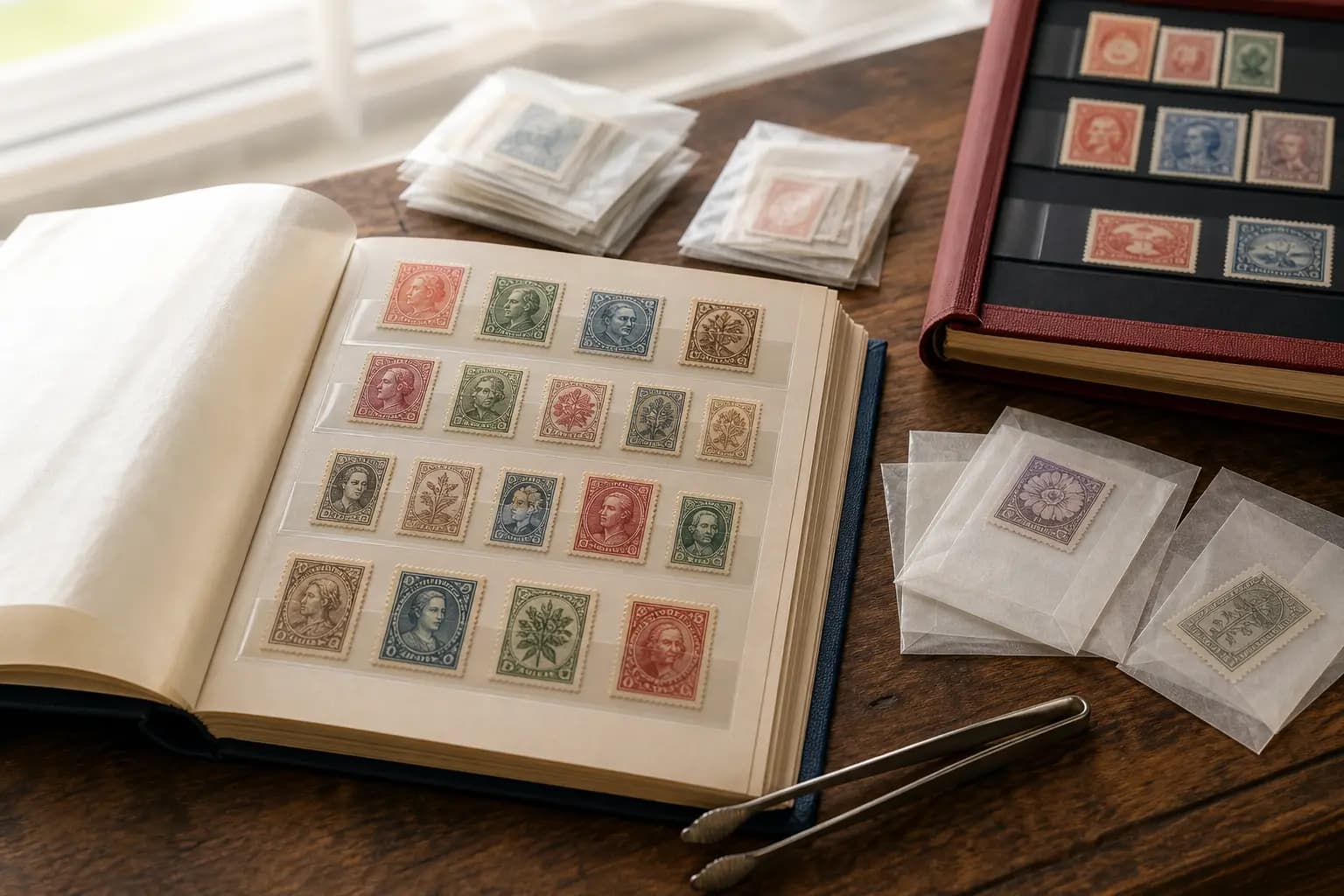
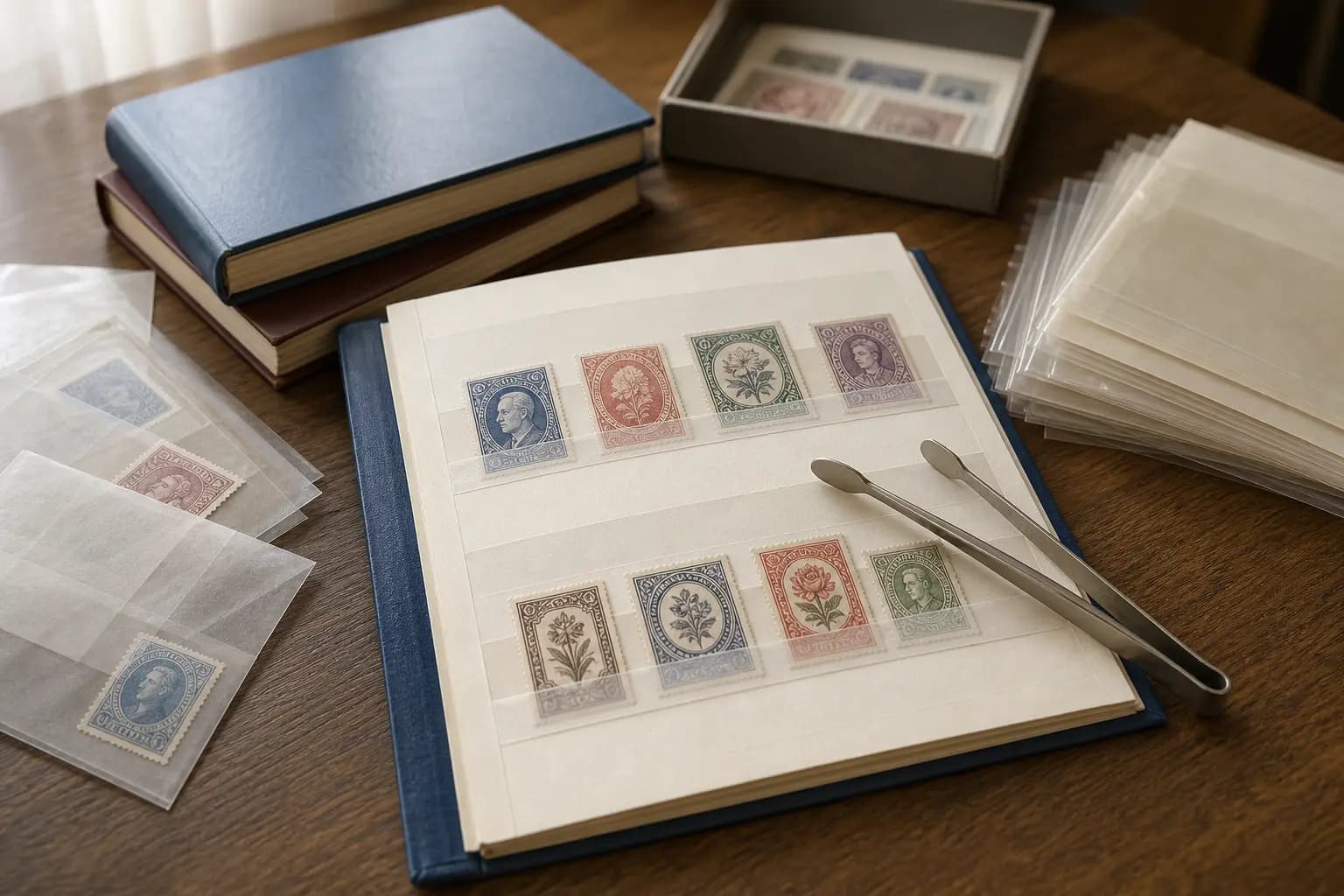
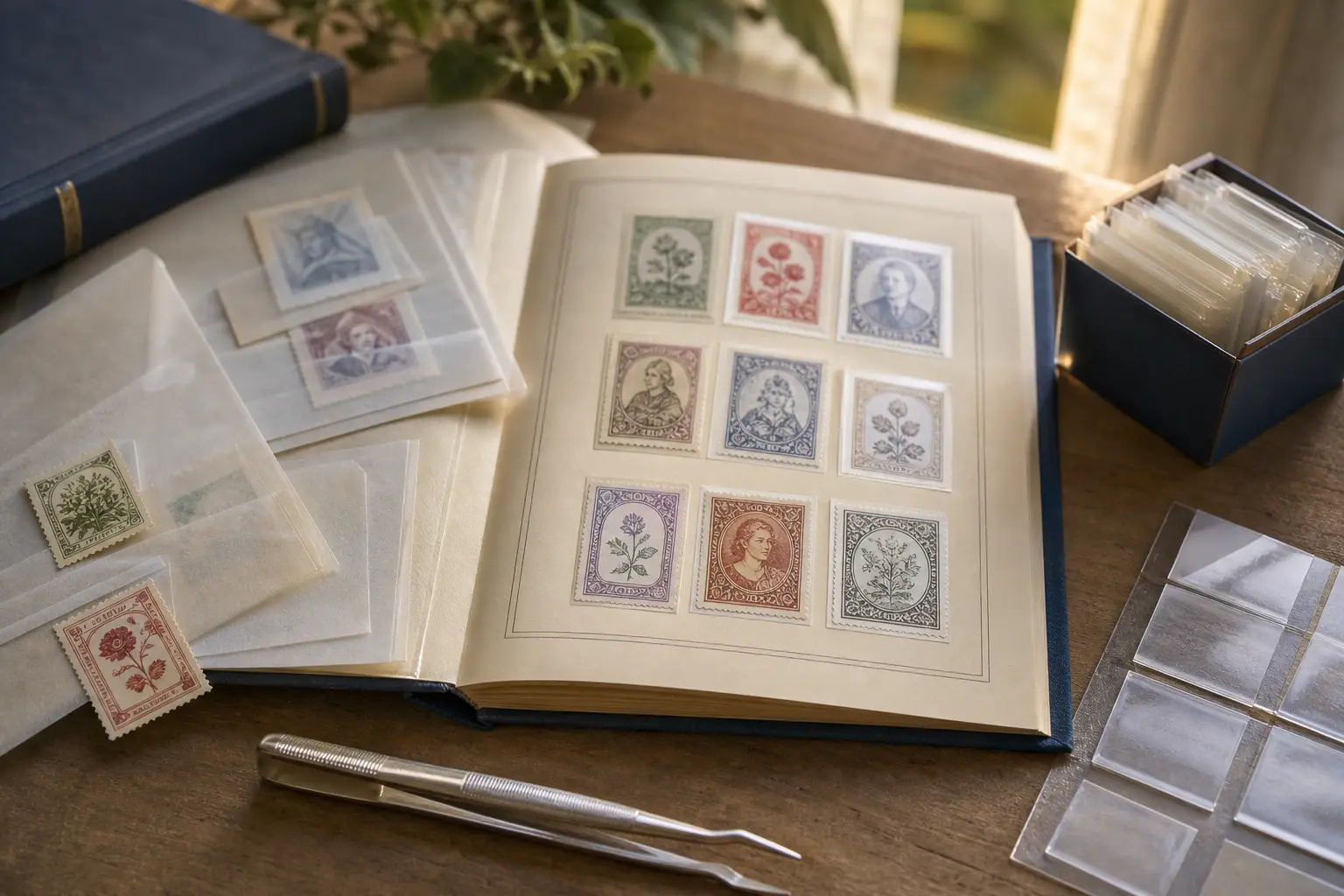
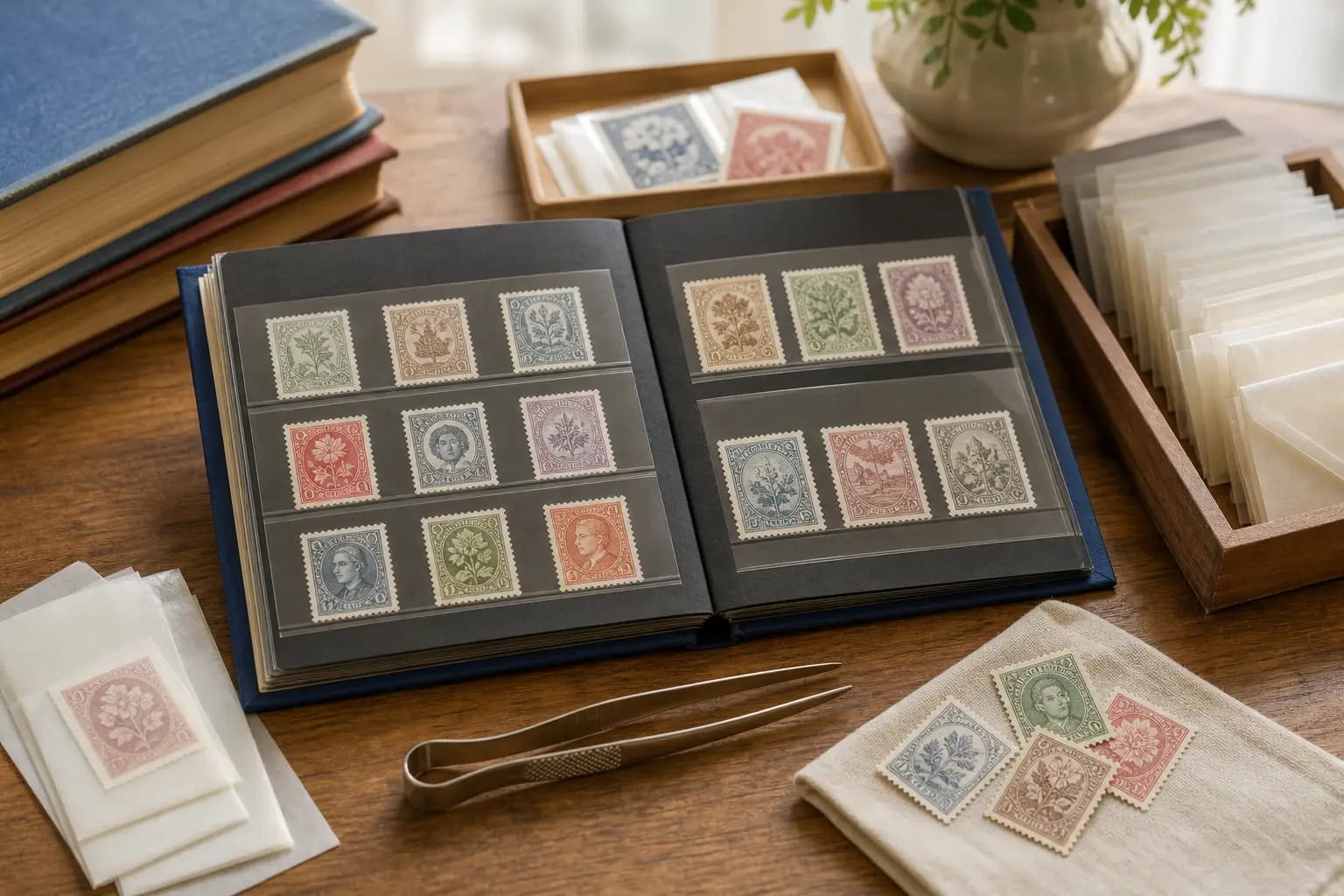
Once your stamps are completely dry, glassine envelopes serve as an excellent temporary storage solution. Glassine is a thin, semi-translucent paper that protects stamps from dust and environmental exposure. According to philatelic best practices, you should store your loose, dry stamps in glassine envelopes until you are ready to place them into a permanent album or stock book. This keeps your sorted duplicates, new acquisitions, or unsorted batches clean and organized without exposing them to unnecessary handling. It also prevents loose stamps from sliding around and getting lost or bent on your workspace.
Organizing with Stock Books
A stock book is a highly flexible type of album featuring plastic or paper pockets on each page. Unlike traditional stamp albums, stock books do not feature pre-printed pictures of specific stamps. This design allows you to organize your collection however you wish, whether you prefer to sort by country, topic, or postal service. Stock books are ideal for both growing collections and storing duplicates because you can easily slide dry stamps into the protective pockets and rearrange them as your collection expands. They offer a safe, non-adhesive environment that keeps your stamps flat and secure.
Safe Handling Practices for Dry Stamps
To keep your stamps in pristine condition, you must handle them as little as possible. When working with dry stamps, always use stamp tongs rather than your fingers. Even after washing your hands, natural oils from your skin will transfer to the paper and cause long-term damage. Stamp tongs look similar to tweezers but feature a smooth gripping surface designed specifically to handle delicate paper. However, you must never use tongs on wet or softened stamps. Wet paper is incredibly fragile, and using metal tongs on damp stamps can easily cause tears or thins. Always allow your stamps to dry completely overnight on paper towels before handling them with tools.
Avoiding Harmful Adhesives and Materials
When organizing your stamps in albums or stock books, you must avoid using household adhesives. Never use standard tape or glue to secure your stamps, as these substances will ruin the stamp's paper, destroy its gum, and severely decrease its value. If you are not using a stock book's built-in pockets, you should only secure stamps using peelable hinges or clear plastic mounts. Additionally, avoid using photo albums with sticky pages, as the adhesive on these pages will cause irreversible damage to your philatelic material. Stick to acid-free paper and dedicated philatelic supplies to preserve your collection.
Integrating Digital Tools into Your Workflow
As you sort your stamps into glassine envelopes and stock books, maintaining an organized inventory is crucial. You can use the StampSnap app to scan your stamps and create a likely identification or digital collection record. This allows you to track your inventory digitally, helping you identify duplicates and plan your storage needs without constantly handling your physical stamps. Combining physical protection with digital tools ensures your collection remains safe and well-documented for years to come. By establishing a safe, methodical storage routine, you protect both the physical integrity and the historical value of your stamps.
Selecting the Right Tools for Inspection
Before placing your dry stamps into glassine envelopes or stock books, it is helpful to inspect them for subtle differences. A magnifying glass is an excellent tool for viewing fine details, such as printing variations or design flaws. When selecting a magnifying glass, choose one that magnifies clearly without distortion, ideally with five times to ten times magnification. A folding case is also recommended to prevent scratches on the lens. Using a magnification tool alongside your storage workflow helps you identify rare varieties before they are filed away.
Frequently asked questions
Can I use regular tweezers to handle my stamps?
No, you should avoid using regular household tweezers. Stamp tongs are designed with a smooth gripping surface specifically to prevent damage to delicate stamp paper, whereas regular tweezers often have ridged tips that can tear or scratch your stamps.
Why should I avoid using sticky photo albums for stamp storage?
You should never use photo albums with sticky pages because the adhesive used on those pages will permanently bond with the stamp paper and gum, causing irreversible damage and severely decreasing the stamp's value.
What is the difference between a stock book and a stamp album?
A stamp album often features specific categories with printed pictures of the stamps that belong on each page. A stock book does not contain pictures; instead, it has plastic or paper pockets on each page, allowing you to organize your stamps however you wish.
Is it safe to use tongs on stamps that are still wet from soaking?
No. Wet stamp paper is highly fragile and easily damaged. To prevent tearing, you should never use tongs on wet or damp stamps. Instead, let your stamps dry completely overnight before handling them.