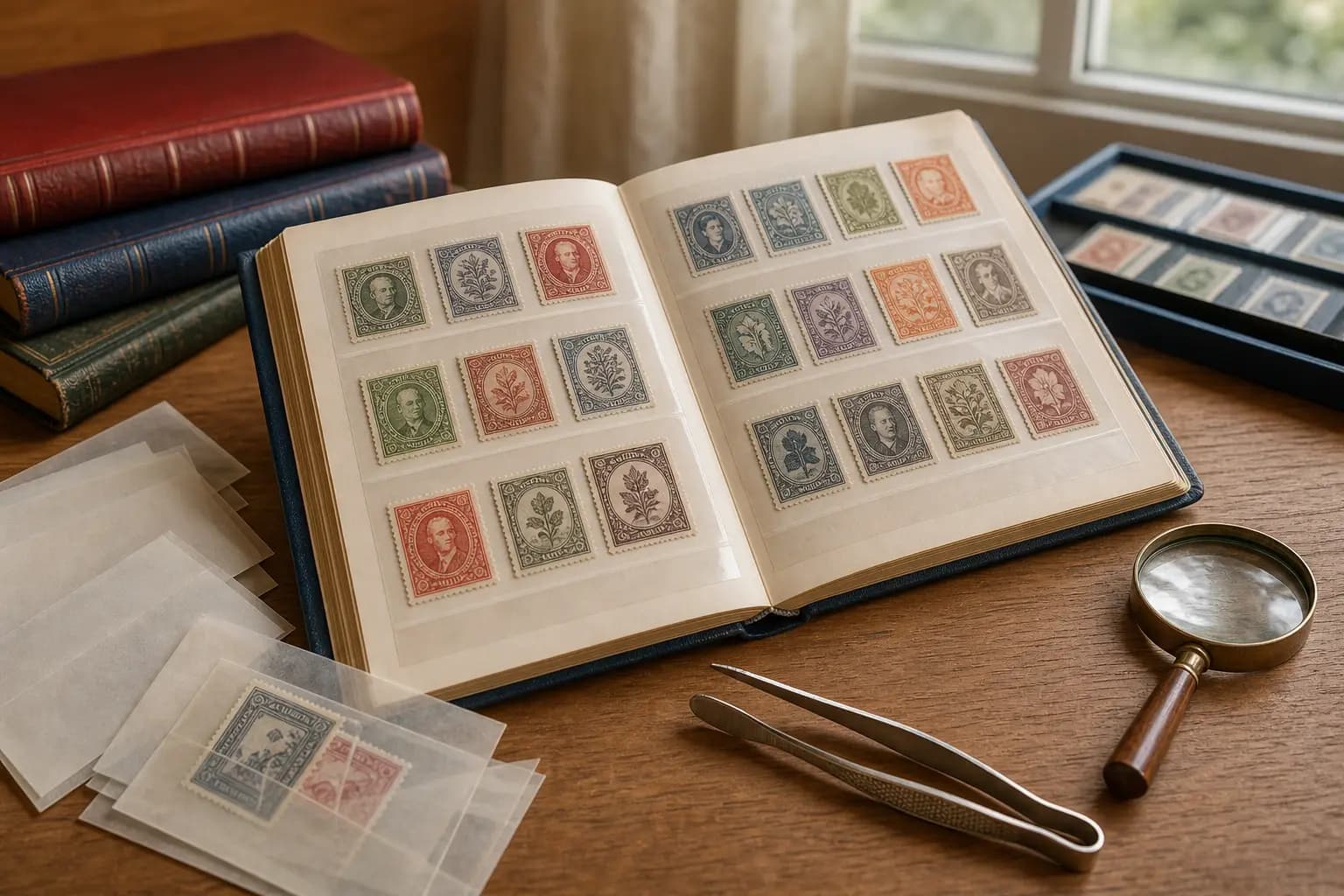
The short answer: you can collect far more than stamps
Yes, stamp collecting can include much more than postage stamps. The American Philatelic Society describes stamp collecting as the accumulation of material related to the payment of postage and the carriage of the mails. That means many collectors add covers, envelopes that carried mail, and other mail-related items to their collection.
If you are trying to decide what belongs in your collection, the best first step is to choose a clear focus. Some collectors want a broad worldwide mix, others prefer one country, and many build topical collections around a subject they enjoy. The right answer is personal: there is no single correct way to collect.
Common material collectors add beyond stamps
Covers are one of the most common additions because they show the stamp in postal use and can preserve cancellations and other mail markings. The APS also notes that some collectors include markings or labels applied to mail, such as postage meters. Others extend their collections to Christmas Seals, revenue stamps, and related ephemera.
This wider approach matters because different items tell different parts of the postal story. A loose stamp can show design, perforations, and condition, while a cover can add context from the route, postmark, or service use. If you are trying to document a piece, StampSnap can help you create a likely identification or collection record, but it should still be checked against reliable references.
How to choose a collecting direction without getting overwhelmed
A good collection is not the one that includes everything. The APS explains that worldwide collecting is common, but trying to gather every stamp ever issued is usually unrealistic for most people because of the time, space, and cost involved. Narrowing the scope makes the hobby easier to sustain and easier to organise.
Country collecting is a classic approach, and many people choose a home country, a place they visited, or a country whose designs they like. Topical collecting is equally flexible and can focus on animals, flowers, ships, space, scouts, sports, or almost any theme you enjoy. You can also set practical limits, such as collecting only one period or only material with related postmarks.
Mint, used, or mixed: why the choice changes what you collect
The APS says many collectors eventually prefer either mint stamps or used stamps, while others happily mix both. Mint stamps have never been used and look as they did when sold at the post office. Used stamps have served their postal purpose, and their cancellations may be of interest in their own right.
This choice affects how you build the collection. Used material often reduces concern about gum preservation, while mint material may require more careful storage and handling. A mixed collection can be a practical compromise if your goal is learning, variety, or topical coverage rather than strict uniformity.
Tools that help you study what you collect safely
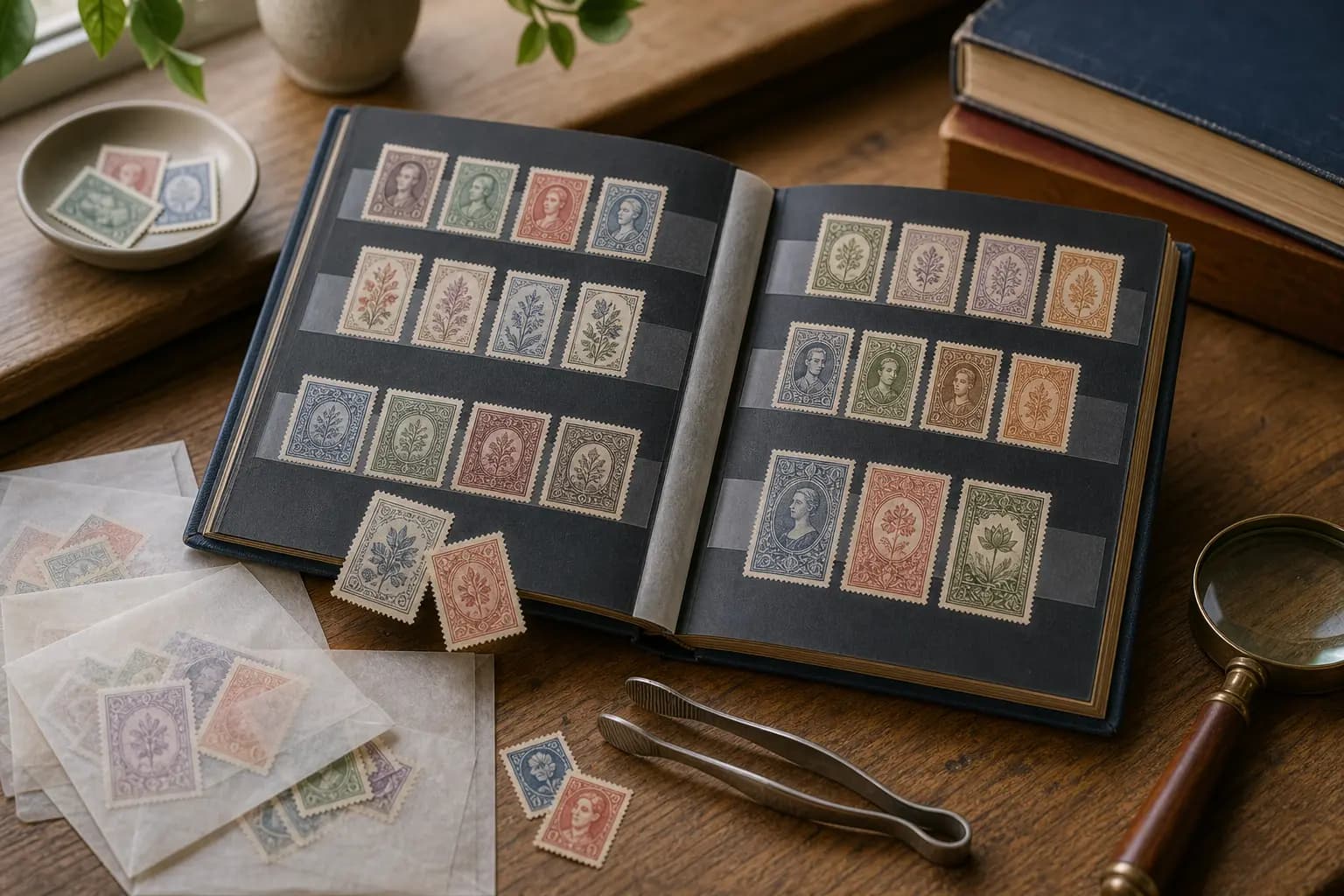
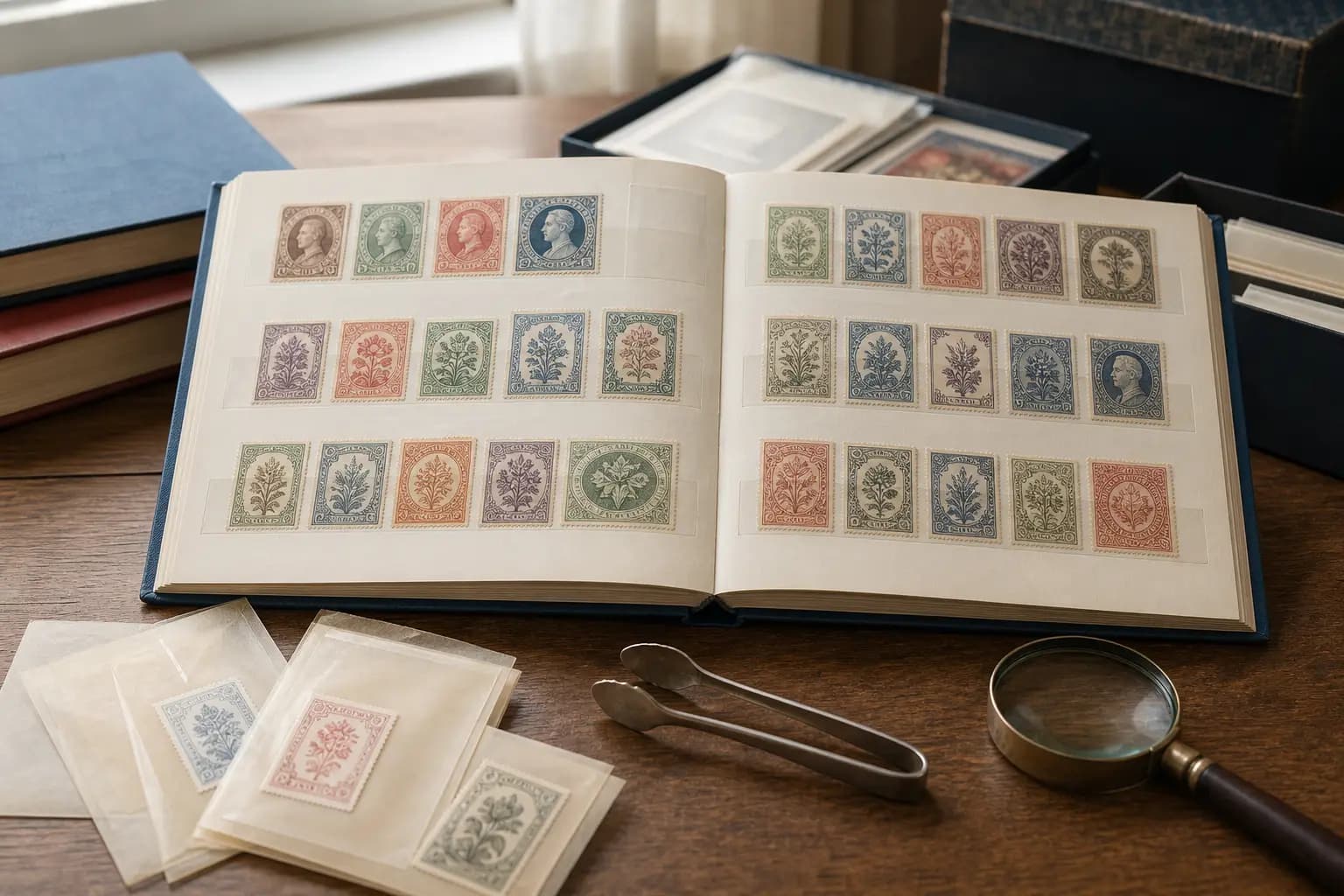
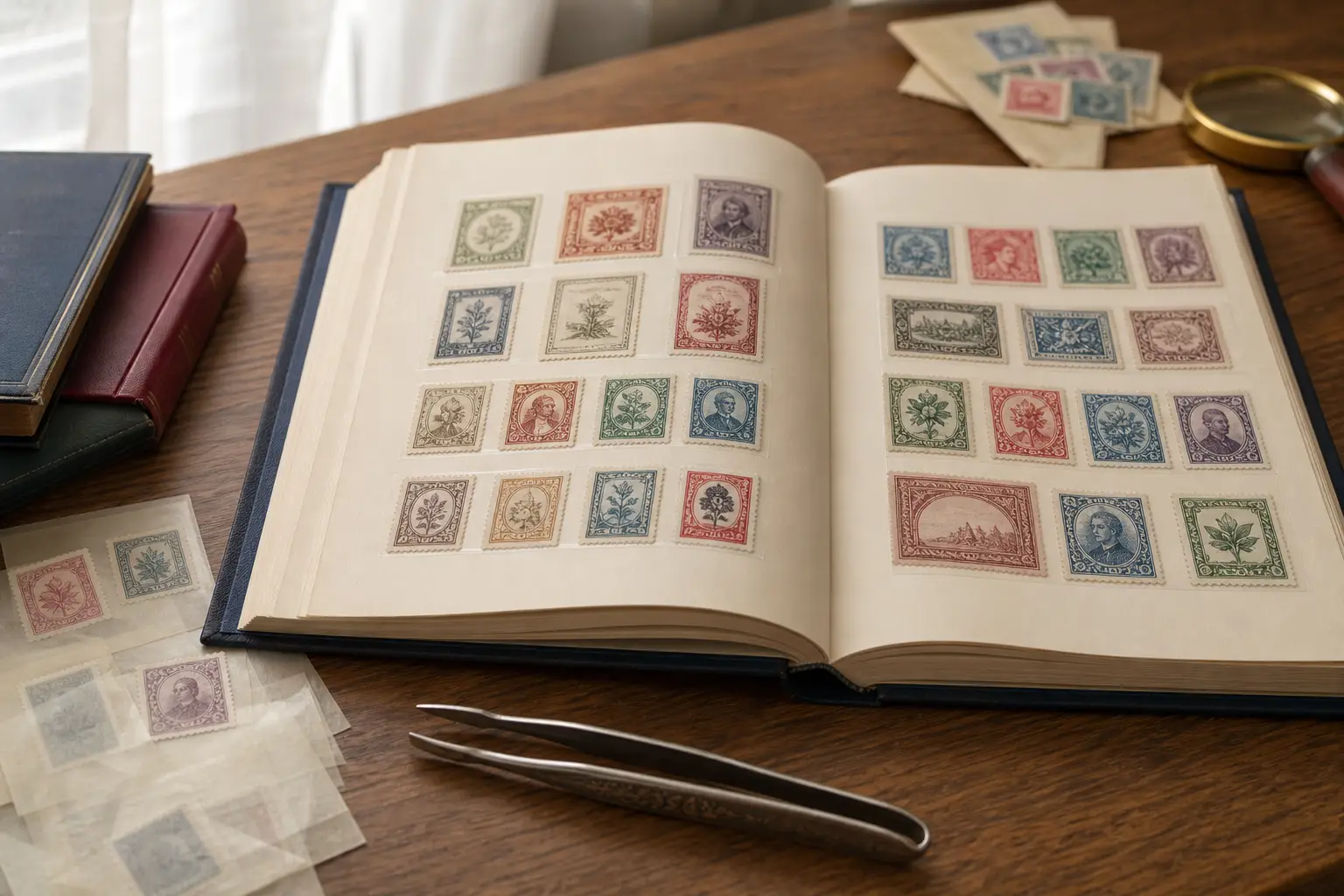
The Smithsonian National Postal Museum recommends a simple starting kit: stamp tongs, an album, and a general reference book. Tongs have smooth ends so you can pick up loose stamps without direct finger contact, which helps reduce handling damage. A magnifying glass makes small design details easier to see.
A perforation gauge can help distinguish look-alike issues by measuring perforations, and the museum also lists watermark detectors, color guides, and catalogs as specialist aids. The key caution is that catalogs and visual clues should be compared with reliable references rather than treated as conclusive on their own. That is especially important when two items look very similar but differ in issue date or printing method.
A safe method for deciding what to keep
Start by sorting material into simple groups: stamps, covers, and other mail-related items. Then decide whether you want to collect by country, topic, type, or period. If an item looks interesting, record what you can see before making a final decision. This is the point where careful notes are more useful than fast conclusions.
Use tongs for handling, keep items in an album or similar safe storage, and consult a reference book or catalog when details matter. If a stamp is on cover or has markings that may be important, do not rush to separate it from its postal context. Preserving the item as found can protect evidence that may be lost if it is altered.
What beginners often ask before they start
Many new collectors worry that they must choose the “best” path immediately, but the sources show that stamp collecting is flexible and can suit nearly all ages. You can begin with what arrives in the mail, a topic you enjoy, or a specific country, then adjust later as your interests change. The hobby is meant to be adaptable.
If you are unsure whether an item belongs in your collection, ask one simple question: does it help tell the postal story you want to study? If the answer is yes, it may be worth keeping. If the answer is no, you can still record it and move on, which is often the safest and most disciplined approach.
Frequently asked questions
Can I collect more than just postage stamps?
Yes. The APS says stamp collecting can include covers, postage meters, Christmas Seals, revenue stamps, and other related ephemera, depending on your collecting goal.
What is the easiest way to start a collection?
The Smithsonian National Postal Museum recommends stamp tongs, an album, and a general reference book as a simple starting set of tools.
Should I collect mint stamps, used stamps, or both?
Any of those choices can work. The APS says many collectors prefer mint, used, or a mixture, and the best choice depends on your own interests and goals.
Is worldwide collecting a good beginner choice?
It can be, but the APS notes that trying to collect every stamp ever issued is usually unrealistic for most people. Many beginners narrow their focus to a country, topic, or time period.
Can I identify a stamp from a catalog alone?
Not always. The Smithsonian National Postal Museum advises comparing physical observations with reliable references, because catalogs and visible clues are helpful but not conclusive by themselves.