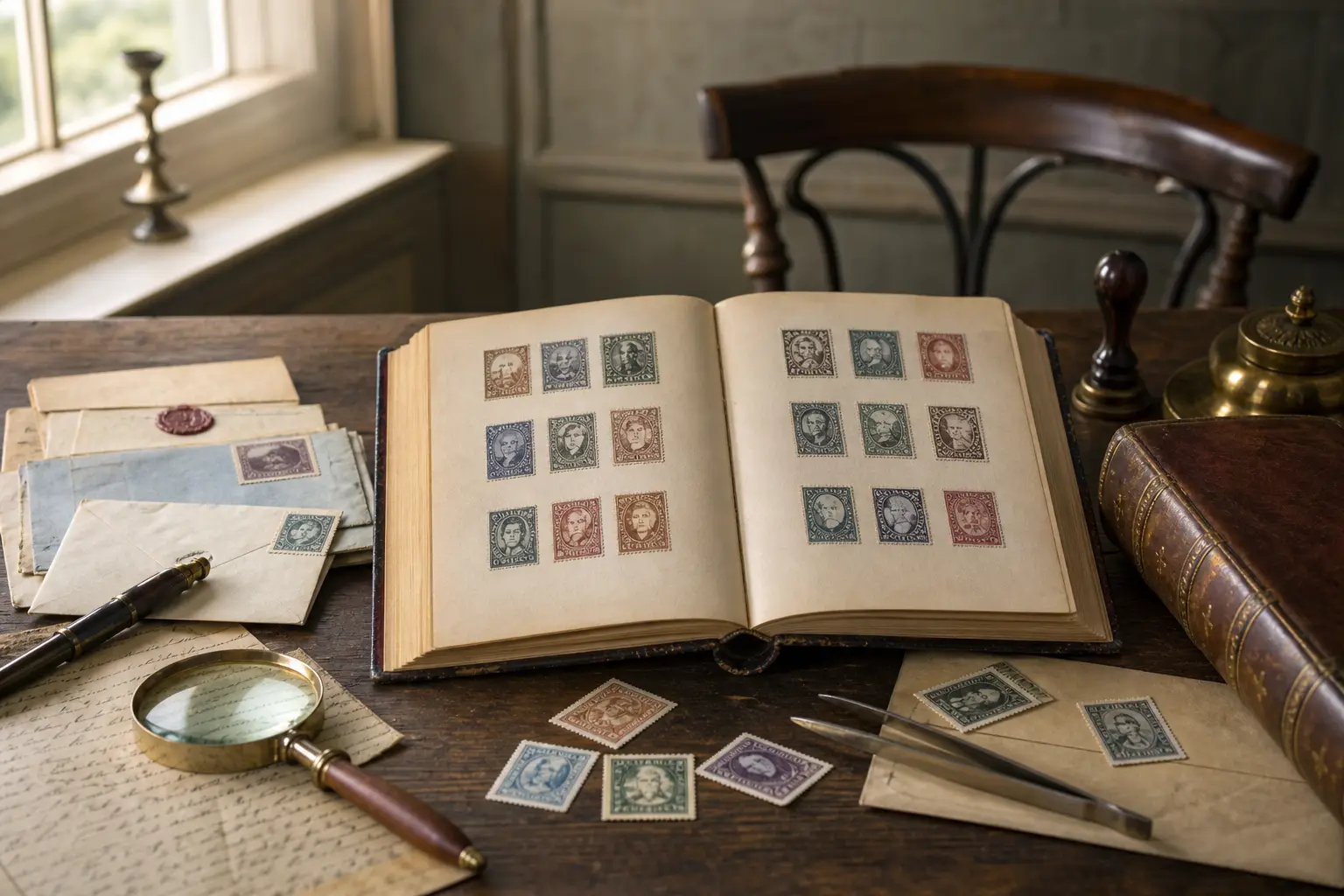
Short answer: organised philately began when collectors began meeting around shared stamps
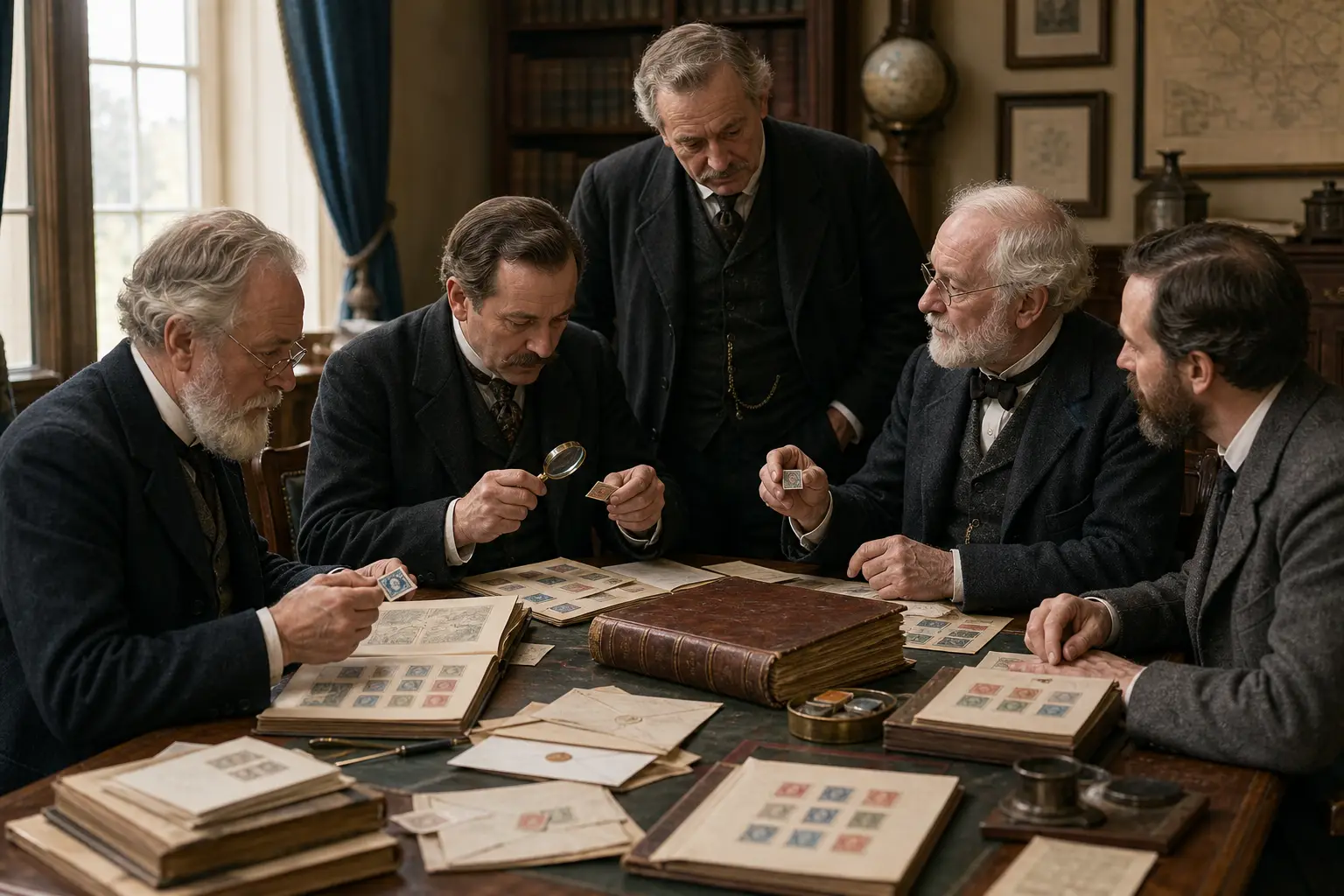
Organised philately began when stamp collectors moved beyond private collecting and started gathering to compare, discuss, and exchange stamps. The Smithsonian National Postal Museum describes this as the point where shared interests encouraged the formation of local clubs and societies devoted to particular countries, periods, or subjects. In other words, organised philately was not just about owning stamps; it was about building a collector community around exchange, study, and record-making.
The earliest practical sign of that shift appears in the 1850s, when enthusiasm for stamp collecting began to build. By the 1880s, the American Philatelic Society says there were an estimated 25,000 stamp collectors in the United States. That growth created the conditions for more formal organisation, because collectors needed ways to share knowledge, handle duplicates, and discuss questions that a single album could not answer.
The 1850s to 1886: from enthusiasm to a national body
The American Philatelic Society’s history gives a clear timeline. Starting with a few enthusiasts in the 1850s, collecting postage stamps and related items grew steadily for three decades. By 1886, several prominent collectors were discussing the possibility of forming a national organisation of philatelists. That is an important milestone because it shows organised philately moving from informal local interest to a wider structure.
In April 1886, the same effort produced the Committee on National Organization, named in the source as S.B. Bradt, O.S. Hellwig, and R.R. Shuman. The committee printed an announcement about forming a national organisation, and the response was strong enough that some 400 collectors indicated their willingness to help. A total of 219 sent proxies, each paying twenty-five cents to vote by proxy. Those details show a practical, administrative side to philately: collectors were not only interested in stamps, but also in how to organise themselves.
1886 was the turning point for American organised philately
On September 13, 1886, a committee met in New York City and adopted the name American Philatelic Association for the new organisation. The next day, John K. Tiffany was elected president. The association’s preamble stated that its objects were to help members acquire knowledge in philately, cultivate friendship among philatelists, and enable affiliation with similar societies in other countries. That wording matters because it shows organised philately was built around education, fellowship, and international connection, not only buying and selling.
The early association also set dues, issued membership cards, and authorised a button badge that members could wear for recognition. The badge design is still used today as the APS logo, according to the society’s history page. For collectors, this is a useful reminder that many philatelic traditions came from very early attempts to make membership visible and to make the hobby easier to practise as a group.
What early organisations actually did for collectors
The American Philatelic Society’s history shows that early services were practical. Annual conventions began with the first meeting on September 13, 1886 and have continued annually since. The organisation also created a Purchasing Department to help members obtain new issues or obsolete stamps at or near face value, an Exchange Department to facilitate the exchange of duplicate stamps, entire envelopes, and postal cards, and a Library Department that depended at first on donations for growth. These were not abstract ideals; they were tools for building a functioning collecting community.
The association also appointed a counterfeit detector because fraudulent stamps were already a problem in the early days. The source says E. A. Holton served in that role without a fee, as a forerunner of today’s expertizing agency. That is a useful historical point for modern collectors: even in the 1880s, organised philately was partly about caution, comparison, and informed judgment.
Why clubs and societies mattered beyond social meetings
The Smithsonian National Postal Museum adds that societies did more than provide social meetings. They published research, created reference material, and helped collectors share specialist knowledge. Exhibitions also gave participants a structured way to present collections, learn from other displays, and compete for recognition. In that sense, organised philately became a system for education and documentation as much as a social pastime.
The museum’s account is also careful: it supports describing clubs as institutions for exchange, education, research, and exhibiting, without assuming that every organisation offers the same services. That caution is important for collectors today. A local club may focus on one part of this tradition, while a national society may offer a wider set of resources. When you record a stamp in StampSnap, for example, that kind of note can help you remember which club insight or reference helped shape the identification.
How to use this history when joining or studying a club
If you are wondering whether a club is worth joining, look first at what it actually does. The APS resources say collectors join clubs for different reasons, so programs and activities should be planned around members’ needs. Successful clubs have strong leadership and maximum participation. The same source also notes that clubs may buy, sell, and trade material, gain knowledge, and enjoy many philatelic pursuits, but the balance between social and philatelic activity varies.
A careful collector should ask practical questions before joining: Does the club meet for learning, exchange, exhibition, youth work, or social connection? Does it publish notes or guides? Does it host talks or shows? Those questions reflect the history of organised philately itself, which developed through shared study and organised exchange. If you are building your own collection record, store the club’s name, meeting date, and any useful reference in a way you can find later.
What the history does and does not prove
The sources support a conservative conclusion: organised philately clearly existed by the 1880s, and the move toward formal national organisation in the United States was well underway in 1886. The material also shows that clubs and societies were already acting as centres for knowledge, exchange, and research. However, the sources do not prove a single worldwide starting date for every form of organised philately. Local clubs, national societies, and specialist groups likely developed at different speeds in different places.
So the safest answer is historical rather than absolute. Organised philately began when collectors stopped working only as individuals and started building structured communities around stamps. For many collectors, the 1850s to 1886 is the key period to remember, with 1886 as the decisive year in the American record and 1887 as an early publishing milestone through the first issues of The American Philatelist.
Frequently asked questions
What is the earliest date supported by the sources for organised philately?
The sources say enthusiasm for stamp collecting began to build in the 1850s, so that is the earliest dated starting point given here.
What happened in 1886 that made organised philately more formal?
In 1886, collectors discussed a national organisation, formed a committee, and on September 13 adopted the name American Philatelic Association.
Did early philatelic societies only hold social meetings?
No. The Smithsonian source says they also published research, created reference material, and helped collectors share specialist knowledge.
Were club services the same in every organisation?
No. The Smithsonian source specifically warns against assuming every organisation offers the same services, and the APS resources say clubs vary greatly.
How can a modern collector use this history practically?
Use it to judge whether a club offers the kind of exchange, learning, or research you need, and keep a clear record of useful club information with your collection notes.