Short answer: clubs made stamp collecting organised, shared, and historical
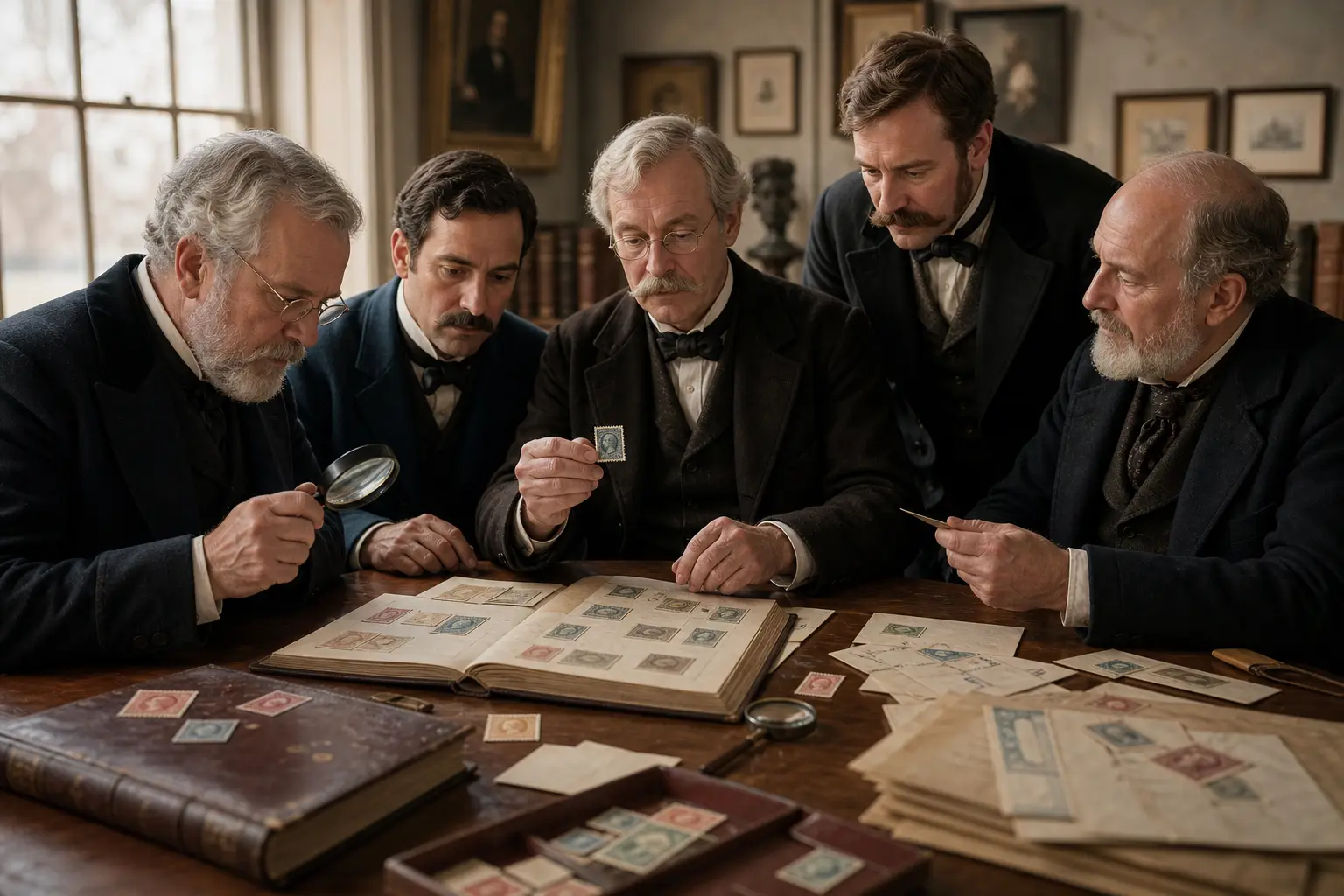
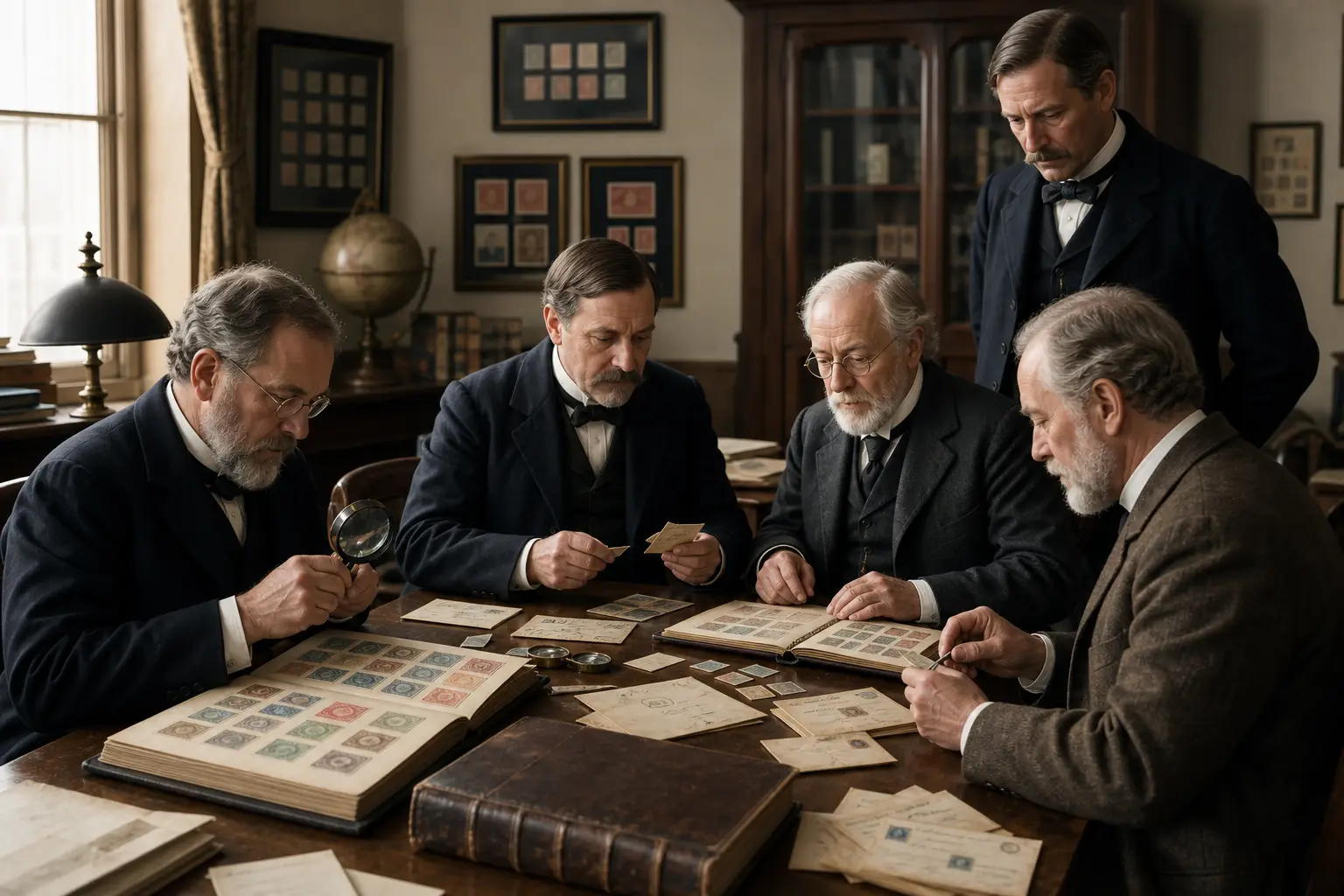
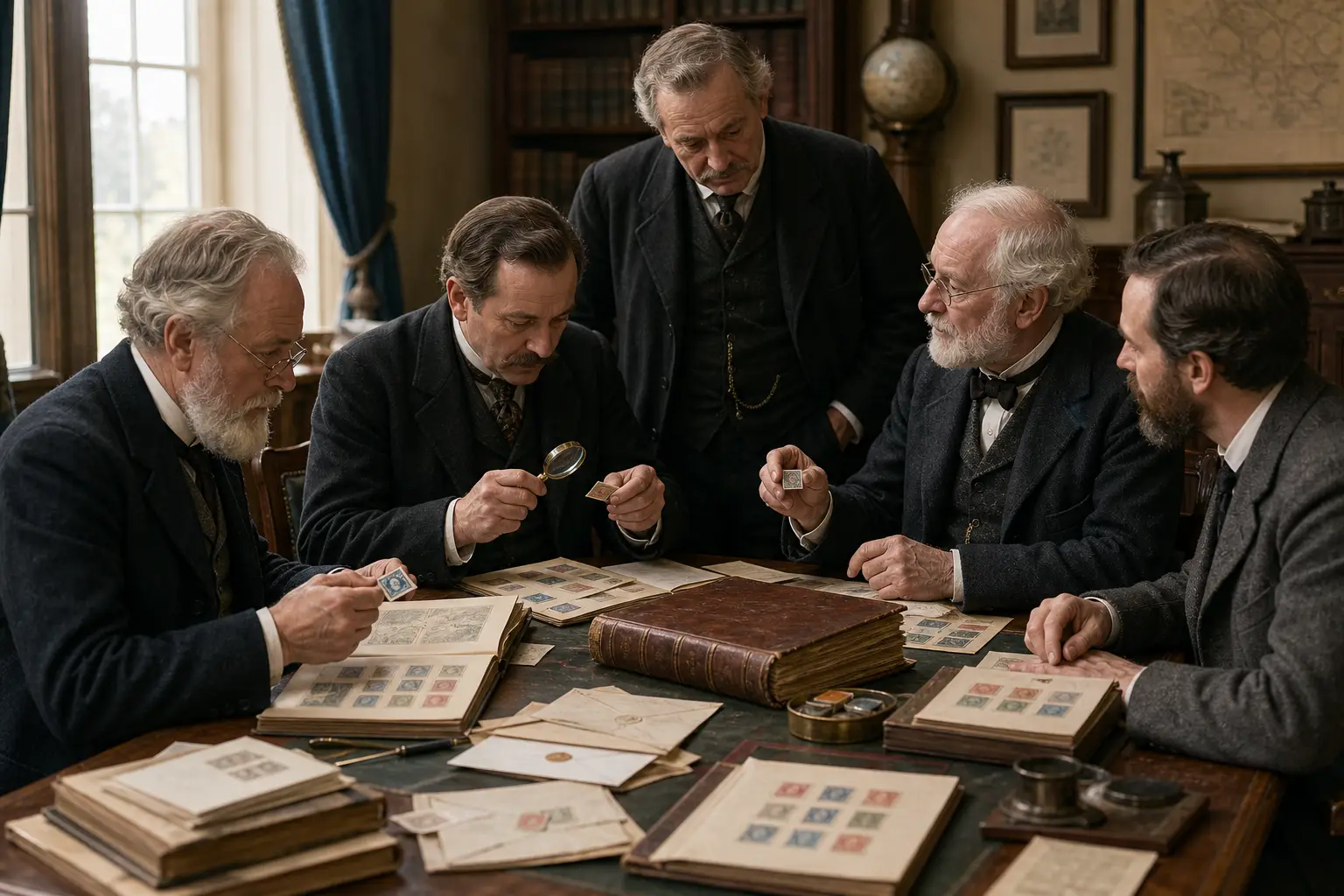
Philatelic clubs mattered because they gave collectors a place to compare stamps, exchange duplicates, learn from one another, and keep records that outlasted any one collector. In the supplied evidence, organised philately begins with collectors gathering to compare, discuss, and exchange stamps, and then expanding into local clubs and societies devoted to countries, periods, or subjects.
That matters historically because clubs did more than host social meetings. The Smithsonian National Postal Museum says these organisations published research, created reference material, and helped collectors share specialist knowledge. The American Philatelic Society history adds that the early association was formed to help members acquire knowledge in philately, cultivate friendship among philatelists, and connect with similar societies in other countries.
From hobby growth to formal organisation in the 1850s and 1886
The story has clear milestones. According to the American Philatelic Society, collecting postage stamps and related items began to build with a few enthusiasts in the 1850s and grew steadily for three decades. By the 1880s there were an estimated 25,000 stamp collectors in the United States, showing that the hobby had become large enough to support organised structures.
In 1886, several prominent collectors discussed forming a national organisation of philatelists. By April of that year they had formed the Committee on National Organization, and some 400 collectors indicated a willingness to assist in founding such an organisation. A total of 219 sent proxies to vote, which shows how collectors used formal procedures to create a durable national body rather than relying only on informal correspondence.
What early clubs actually did for collectors
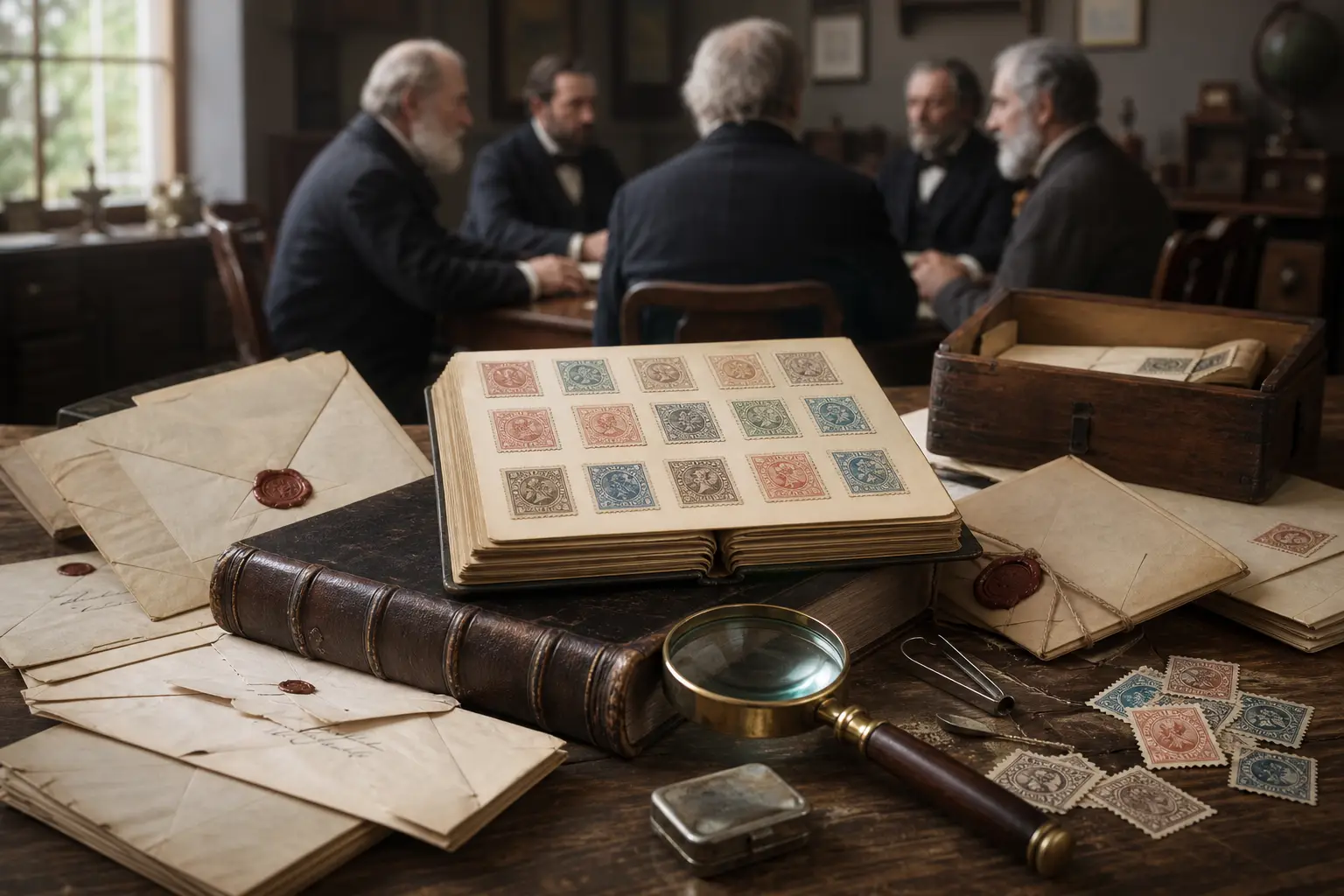
The APS history gives a concrete picture of services that supported collecting. Its Exchange Department was intended to facilitate the exchange of duplicate stamps, entire envelopes, and postal cards among members, using exchange books and boxes. That kind of structured trading helped collectors move material around without depending only on chance or private deals.
The same source describes a Purchasing Department for members who wanted new issues or obsolete stamps at or near face value, and a Library Department that relied heavily on donations in its early stage. These were practical tools for access and learning. The point is not that every club offered all of these services, but that the American Philatelic Association built them to meet collector needs at the time.
Why journals, libraries, and reference material changed philately
Historical clubs became important because they preserved knowledge in print and in shared collections of information. The Smithsonian account notes that societies published research and created reference material, while the APS history shows the early association establishing a Library Department and publishing The American Philatelist beginning on January 10, 1887. Those are concrete signs that philately was becoming a documented field rather than only a pastime of isolated collectors.
This is one reason clubs influenced history so strongly: they made knowledge cumulative. A collector could bring an unidentified item to a meeting, read society literature, or consult borrowed materials from a research library and then carry that knowledge back into a personal collection. If you are building a collection record in an app such as StampSnap, a club article, exhibition note, or society reference can be a useful lead for later checking, but it should still be treated as research, not proof.
How clubs protected trust and reduced confusion
The APS history also records the appointment of E. A. Holton, a Boston dealer, as counterfeit detector because fraudulent stamps were already troubling the organisation in its early days. That detail is historically important because it shows that clubs were not only social groups; they also tried to manage trust, expertise, and the risk of misleading material.
The evidence supplied does not say that every club had a counterfeit detector or an expertizing service. What it does show is that one early national organisation recognised the problem and responded. For collectors today, the safe lesson is to use club discussion, literature, and expert review as part of a methodical identification process, especially when a stamp or cover appears unusual.
Why exhibitions and meetings mattered beyond one collection
The Smithsonian National Postal Museum notes that exhibitions gave participants a structured way to present collections, learn from other displays, and compete for recognition. That makes exhibitions historically significant because they turned private collecting into a public learning environment where methods, writing, and arrangement could be compared.
The APS history likewise shows annual conventions beginning with the first meeting on September 13, 1886, and continuing annually as StampShow. In other words, the club was not just a mailing list or a trade circle. It became a recurring meeting place where collectors could build relationships, exchange ideas, and see how philately was developing as a shared field.
What a careful collector should take from this history
If you want the practical takeaway, it is this: historical clubs helped collectors learn, verify, trade, publish, and preserve. They turned individual curiosity into organised philately. They also left behind the documents and habits that historians still use, including journals, libraries, meeting records, and exhibition culture.
A safe modern process is to treat club information as one layer of evidence. Compare the item, read the society material, note any dated references, and keep your own record of what was consulted and why. That approach respects the historical role of clubs while avoiding overconfidence. It also gives you a better paper trail for future review, whether you organise your notes manually or with a tool like StampSnap.
Frequently asked questions
Why did stamp clubs become important in philatelic history?
They made stamp collecting organised. Clubs and societies helped collectors compare stamps, exchange material, publish research, create reference tools, and share specialist knowledge.
What services did the American Philatelic Association offer early on?
The supplied history describes annual conventions, a purchasing department, an exchange department for duplicates and postal items, a library department, and a counterfeit detector.
When did organised philately begin to take shape in the supplied sources?
The evidence says collecting began building in the 1850s, grew steadily for three decades, reached an estimated 25,000 collectors in the United States by the 1880s, and led to national organisation efforts in 1886.
Did every stamp club publish journals or run libraries?
No. The supplied evidence shows that some societies did this, and it notes that the museum’s account supports describing clubs as institutions for exchange, education, research, and exhibiting without assuming every organisation offered the same services.
How should a collector use club information safely?
Use it as research support, not as final proof. Compare the item, consult dated references, and keep notes on what was checked before drawing a conclusion.