Short answer: organised philately began when collectors started meeting and sharing material
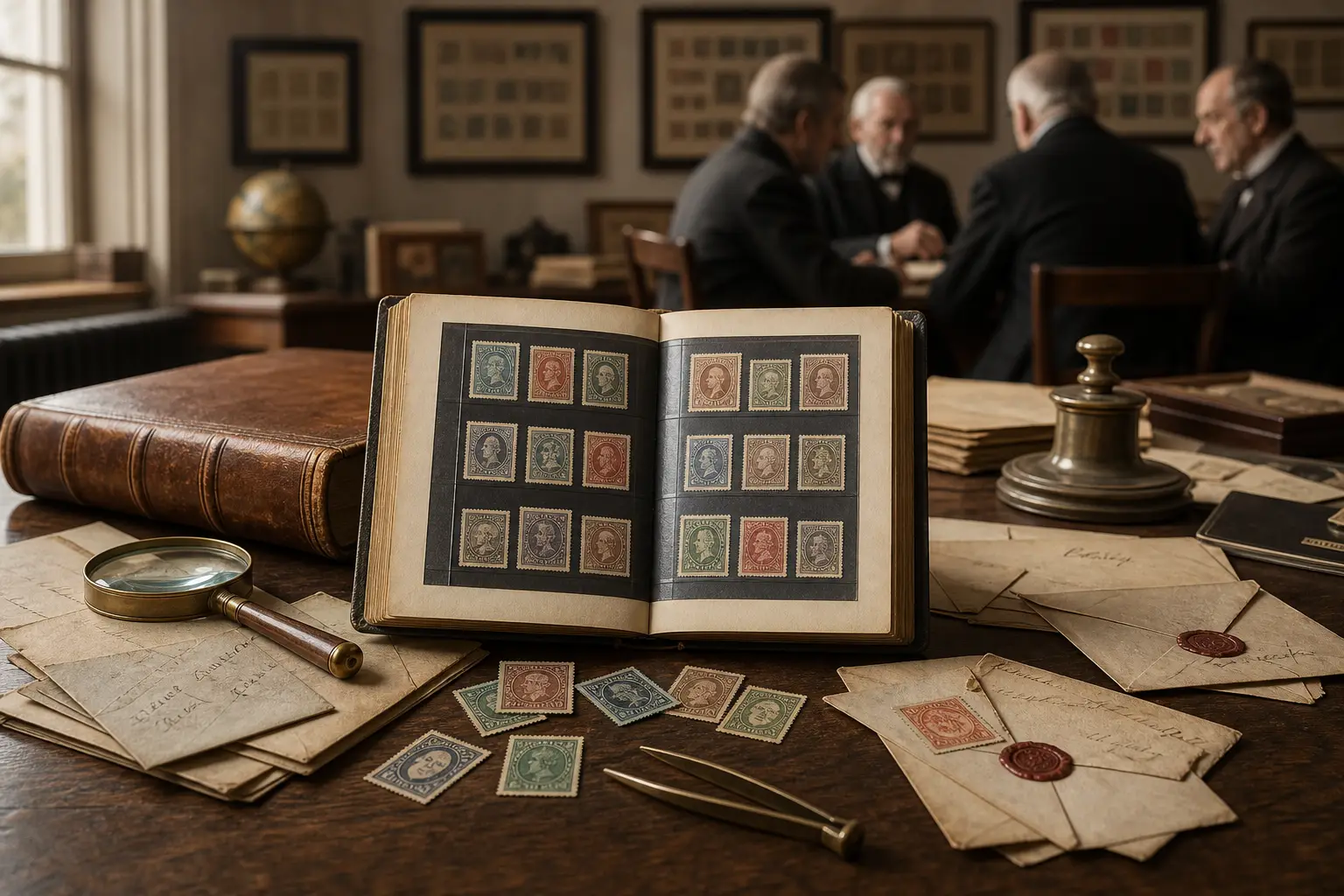
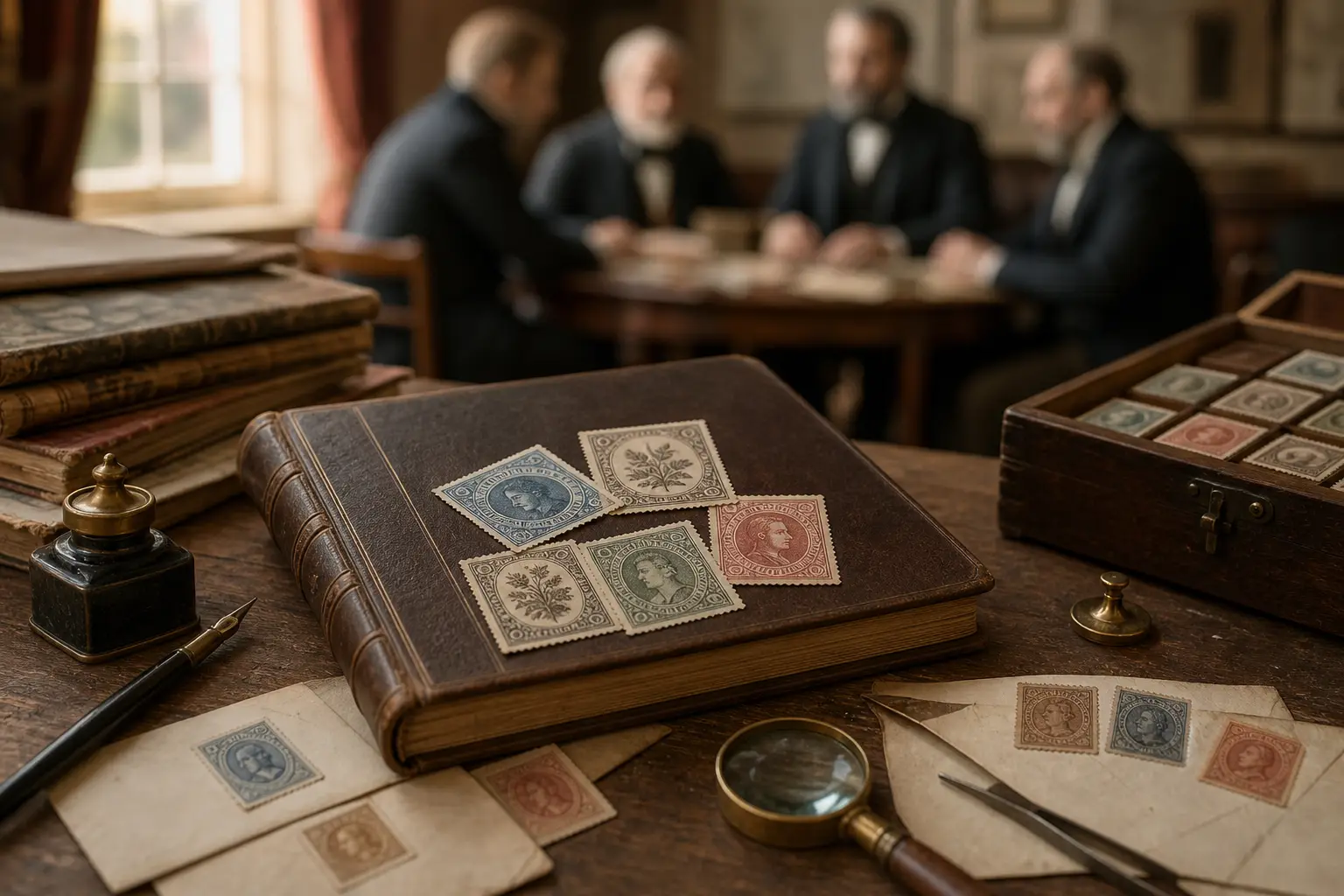
Organised philately began when collectors moved beyond private collecting and started gathering to compare, discuss, and exchange stamps. According to the Smithsonian National Postal Museum, shared interests encouraged the formation of local clubs and societies devoted to particular countries, periods, or subjects. In other words, the club was not just a social circle; it became a practical way to learn from other collectors and organise knowledge.
If you are trying to date the start of this history for a collection note or research record, the safest answer is that organised philately developed gradually rather than in a single moment. A useful way to record it is to note the early collector meetings, then the later appearance of formal societies and national organisations. StampSnap can help you create a likely identification or collection record, but it should not be treated as an official authority.
Why clubs mattered: exchange, education, research, and exhibits
The Smithsonian account says these organisations did more than provide social meetings. Societies published research, created reference material, and helped collectors share specialist knowledge. Exhibitions gave participants a structured way to present collections, learn from other displays, and compete for recognition. That combination explains why clubs became important to the history of stamp collecting: they turned scattered individual interest into a shared body of practice.
The American Philatelic Society's history adds a concrete example of how this worked in the United States. By the 1880s there were an estimated 25,000 stamp collectors in the United States, showing that the hobby had already grown from a small circle of enthusiasts into a much wider community. That growth created a need for organised support, reliable information, and ways for collectors to connect with one another.
A clear 1886 milestone in the United States
The American Philatelic Society states that in 1886 several prominent collectors began discussing the possibility of forming a national organisation of philatelists. By April 1886 they had formed the Committee on National Organization, and 400 collectors indicated willingness to assist in founding such an organisation. The same source says 219 sent proxies, which shows that collectors were already willing to participate in a formal, representative structure.
On September 13, 1886, a committee met in New York City and adopted the name American Philatelic Association for the newly formed organisation. The next day, John K. Tiffany was elected president. The association's constitution said its objects were to help members acquire knowledge in philately, cultivate friendship among philatelists, and enable affiliation with similar societies in other countries. Those goals make the historical role of clubs very clear: they were built to teach, connect, and link collectors across borders.
What early societies actually did for members
The APS history describes several early services that show how a society could support collectors in practical ways. Its Annual Conventions began with the first meeting on September 13, 1886 and have been held annually since. The Purchasing Department helped members obtain new issues or obsolete stamps at or near face value, while the Exchange Department facilitated the exchange of duplicate stamps, entire envelopes, and postal cards among members. These were not abstract benefits; they were day-to-day tools for building collections.
The same history also notes a Library Department, which initially depended heavily on donations, and a Counterfeit Detector because fraudulent stamps were already a problem. That detail matters for collectors today because it shows that early societies did not only promote enthusiasm. They also tried to organise information, reduce mistakes, and respond to market abuse by appointing a specialist to address counterfeit concerns.
How clubs preserved specialist knowledge and turned it into records
The Smithsonian National Postal Museum explains that societies published research and created reference material, which helped preserve specialist knowledge for later collectors. This is one reason club history matters to anyone studying a stamp, a collecting area, or a local postal tradition. A club could gather observations from many members, compare examples, and then turn those findings into something more durable than an individual memory.
The APS history shows another path from discussion to record-making: its journal, The American Philatelist, first appeared in 1887, with the first five issues published in Altoona, Pennsylvania, commencing January 10, 1887. Even if a collector never attended a meeting, publications gave access to shared information. That combination of meetings, journals, and exchange systems helped make philately into a documented hobby rather than a private pastime.
How to use this history when researching your own collection
If you are trying to place a stamp, cover, or local item in its collecting context, start with the simplest question: was it likely handled by an individual collector, or by a club network that encouraged exchange and research? The historical record supplied here supports the idea that societies were active in teaching, exchanging material, and publishing findings. That can help you frame a note about provenance, specialist interest, or why an item may have been preserved.
Keep the process conservative. Record what you can see, note any club marks, labels, or written references, and avoid making unsupported claims about rarity or official status. If a stamp seems unusual, create a record with the details you have and compare it with published society material or exhibition references. This is also a sensible moment to keep the item safe rather than handling it repeatedly while you search for answers.
What the history means for collectors now
The main lesson from this history is that philatelic clubs grew because collectors needed structure: people to compare with, records to consult, and a place to learn. The Smithsonian account emphasises exchange, education, research, and exhibiting, while the APS history provides dated examples of a national organisation forming in 1886 and a journal appearing in 1887. Together, those sources show how organised collecting moved from conversation to institution.
For modern collectors, that means club history is not just background. It explains why catalogues, journals, exhibitions, and specialist study have long been part of the hobby. If you document your own pieces carefully, you are continuing the same collector habit that helped build philatelic history in the first place.
Frequently asked questions
When did organised philately begin?
It began when collectors started meeting to compare, discuss, and exchange stamps, then formed local clubs and societies devoted to particular countries, periods, or subjects.
What is the earliest dated milestone in the supplied sources?
The APS history says that by April 1886 collectors had formed the Committee on National Organization, and on September 13, 1886 the American Philatelic Association was adopted as the new organisation's name.
What did early philatelic societies do for collectors?
According to the supplied sources, they supported exchange, education, research, publications, exhibitions, and the sharing of specialist knowledge.
Did every stamp club offer the same services?
No. The Smithsonian source says clubs and societies should be described as providing exchange, education, research, and exhibiting without assuming that every organisation offers the same services.
Can StampSnap confirm a stamp's historical importance?
No. StampSnap can help you create a likely identification or collection record, but it does not authenticate stamps or provide an official appraisal.