The short answer: clubs turned collecting into documented history
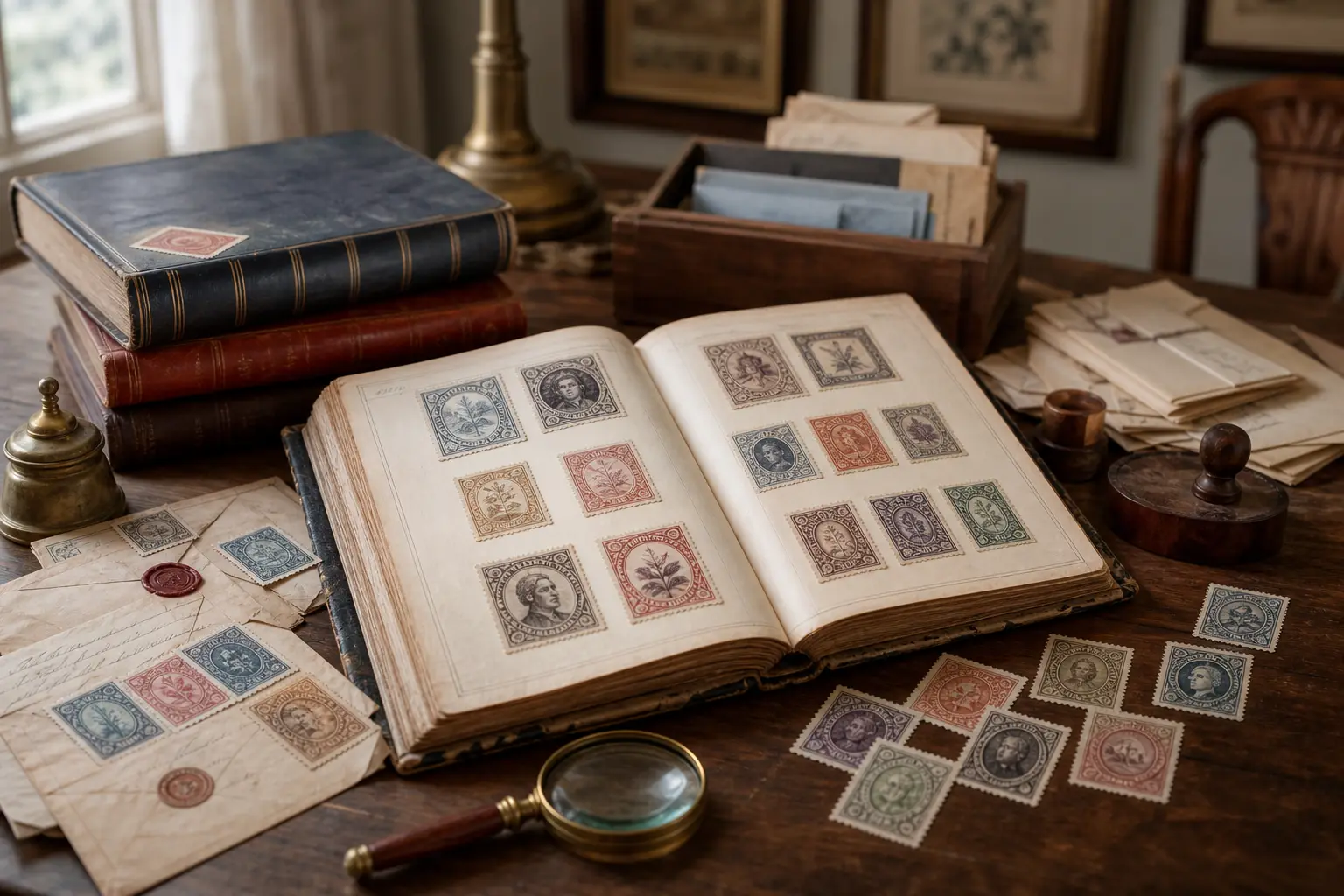
Stamp clubs built philatelic history by giving collectors a regular place to compare material, share knowledge, and record what they learned. The Smithsonian National Postal Museum describes organized philately as beginning with collectors gathering to compare, discuss, and exchange stamps, and it notes that local clubs and societies grew from those shared interests. In practice, that meant collecting stopped being only a private hobby and became a documented activity with meetings, research, and published records.
The American Philatelic Society's history shows how quickly this could become formal organisation. Starting with a few enthusiasts in the 1850s, collecting grew steadily for three decades, and by the 1880s there were an estimated 25,000 stamp collectors in the United States. In April 1886, collectors formed The Committee on National Organization, and in September 1886 the American Philatelic Association was established in New York City. Those dates matter because they show the shift from informal interest to organised record-making.
What early clubs actually did
Early clubs were not only social gatherings. According to the APS history, the new association aimed to help members acquire knowledge in philately, cultivate friendship among philatelists, and help them affiliate with similar societies in other countries. The same source shows that the organisation quickly offered practical services that supported collecting and documentation: an annual convention, a purchasing department, an exchange department, a library department, and a counterfeit detector.
Those services helped collectors build better records of their material and of the hobby itself. The exchange department was intended to facilitate the exchange of duplicate stamps, entire envelopes, and postal cards among members using exchange books and boxes. The library department was expected to grow through donations. The counterfeit detector addressed the problem of fraudulent stamps that plagued the organisation in its early days. Taken together, these services show how clubs became engines for organised knowledge rather than just meeting places.
Why journals, libraries, and reference material mattered
Published journals and shared reference material made club knowledge durable. The APS history notes that the first five issues of The American Philatelist were published in Altoona, Pennsylvania, beginning on January 10, 1887. That kind of publication preserved meeting results, ideas, and collector discussion in a form that others could read later, which is one reason club activity became part of philatelic history instead of disappearing after each meeting.
The Smithsonian source adds that societies published research, created reference material, and helped collectors share specialist knowledge. It also notes that groups formed around particular countries, periods, or subjects. That is an important distinction for collectors today: the historical value of clubs comes not only from their existence, but from the evidence they produced. Journals, bibliographies, library holdings, and program notes can show how collectors identified material, compared examples, and developed specialist areas over time.
How exhibitions and club meetings created a public record
Exhibitions gave collectors a structured way to present collections, learn from other displays, and compete for recognition, according to the Smithsonian museum. That public presentation matters because it created a wider record than private albums alone. Exhibiting collections encouraged description, comparison, and often written explanations, all of which can help later collectors understand why an item was collected and how it fit into a broader study.
Club meetings also created a living record of collector practice. The APS history says the first annual convention began with the first meeting on September 13, 1886 and has continued annually since. A stable meeting tradition helps preserve changing collector interests, study methods, and reference standards. The museum's account also warns that not every organisation offers the same services, so it is safer to say that many societies supported education, exchange, and exhibiting rather than assuming every club did all of these things.
How collectors can use club history safely today
If you are researching a stamp or building a collection record, club publications can be helpful background, but they do not replace careful examination of the stamp itself. Use club journals, society references, and exhibition write-ups as supporting evidence, then note any uncertainty in your own records. If you create a catalogue entry in StampSnap, treat it as a likely identification or collection note, not as an authentication claim.
For physical material, keep handling conservative. Avoid unnecessary manipulation of older stamps, covers, or postal cards, especially if an item appears fragile or has historical significance. Do not remove stamps from covers just to chase a better view; the cover, cancellation, or associated note can be part of the historical record. Use proper tools and stable storage, and consult specialist references before making any irreversible decision.
What makes club history useful to historians and collectors
Club history is useful because it shows how philately developed as a community of knowledge. The APS history documents the early organisation of collectors, proxy voting by 219 members, the election of John K. Tiffany as president in September 1886, and the creation of services that supported collecting and study. Those milestones show that philately was being organised, debated, and recorded very early in its development.
For historians, that record explains how stamp collecting became more than accumulation. For collectors, it explains why some stamps, covers, and publications carry richer context than others. A society newsletter, a convention program, or a library reference can reveal what collectors valued at the time and how they talked about authenticity, duplicates, research, and exchange. That is the real historical contribution of clubs: they preserved the habits of collecting as well as the objects themselves.
A practical way to research club-connected material
Start by asking whether your item has a club connection, such as a meeting handstamp, exhibition label, society annotation, or reference in a journal. Then compare that information with reliable society history and museum sources before drawing conclusions. This method is safer than relying on memory or a single online post, because club material often reflects local practice and changing standards.
When you are building a record, keep your notes simple and dated. Record what you can see, what source suggested the identification, and what remains uncertain. If you later compare the item with other examples, your notes will help you avoid overconfident conclusions. That approach follows the same careful spirit that helped early clubs create lasting philatelic records in the first place.
Frequently asked questions
Why were stamp clubs important to philatelic history?
They brought collectors together to compare, discuss, and exchange material, and many societies also published research, created reference material, and supported education and exhibiting.
What did early stamp clubs do besides hold meetings?
The APS history shows services such as conventions, exchange of duplicates and postal material, library development, and a counterfeit detector, all of which helped build organised knowledge.
When did organised philately begin to take shape in the United States?
The APS history says collecting grew from the 1850s, reached an estimated 25,000 collectors by the 1880s, and the American Philatelic Association was formed in September 1886.
Can I use club publications to identify a stamp on their own?
They can support identification, but they should be used with careful visual examination and other reliable references. Treat them as background evidence, not as proof of authenticity.
Should I remove a cover or old mounted item to study it better?
No. The cover, mounting, cancellation, and any accompanying notes can be part of the historical record, so avoid irreversible handling unless you have the proper tools and a clear reason.