Short answer: they turned collecting into a shared record
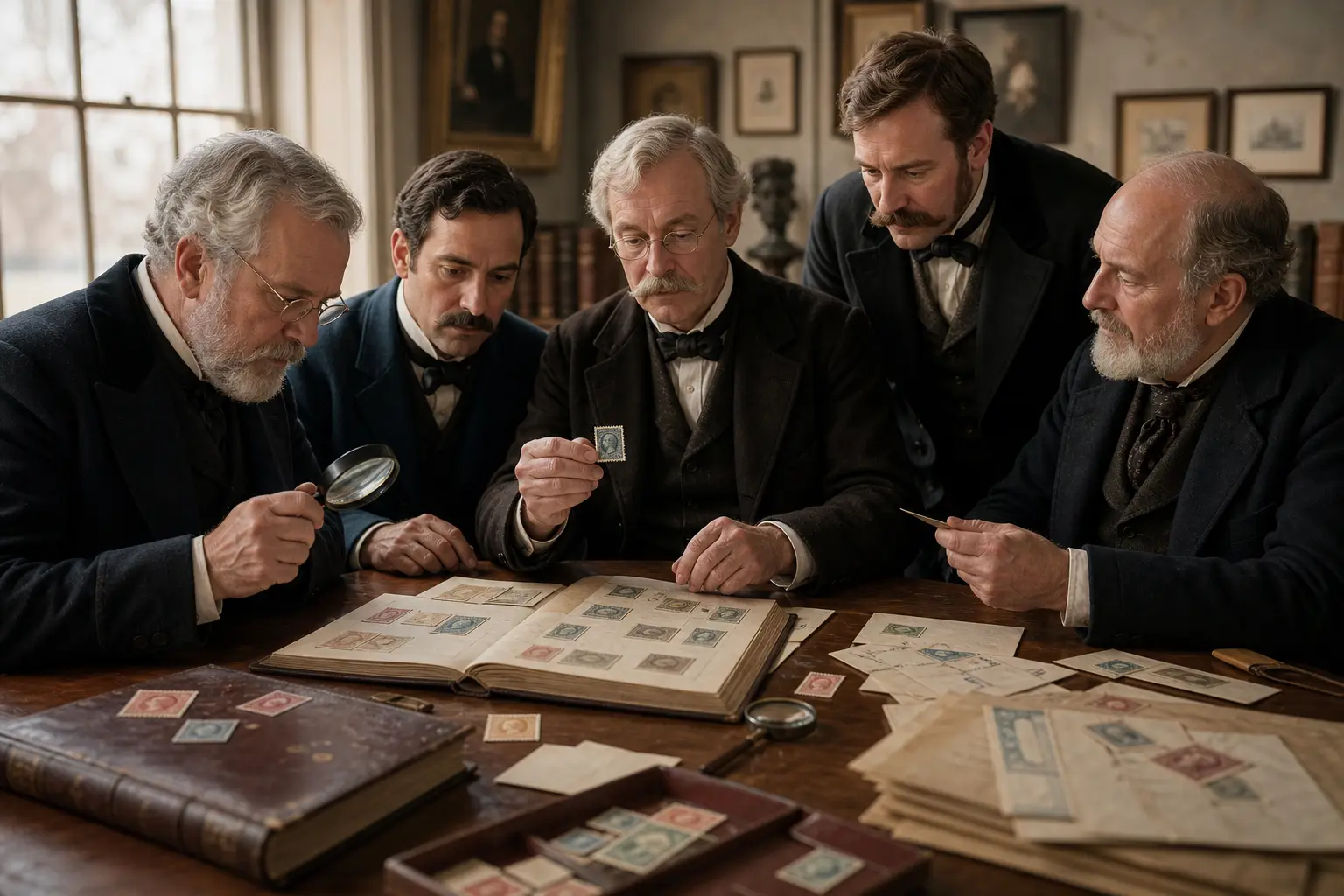
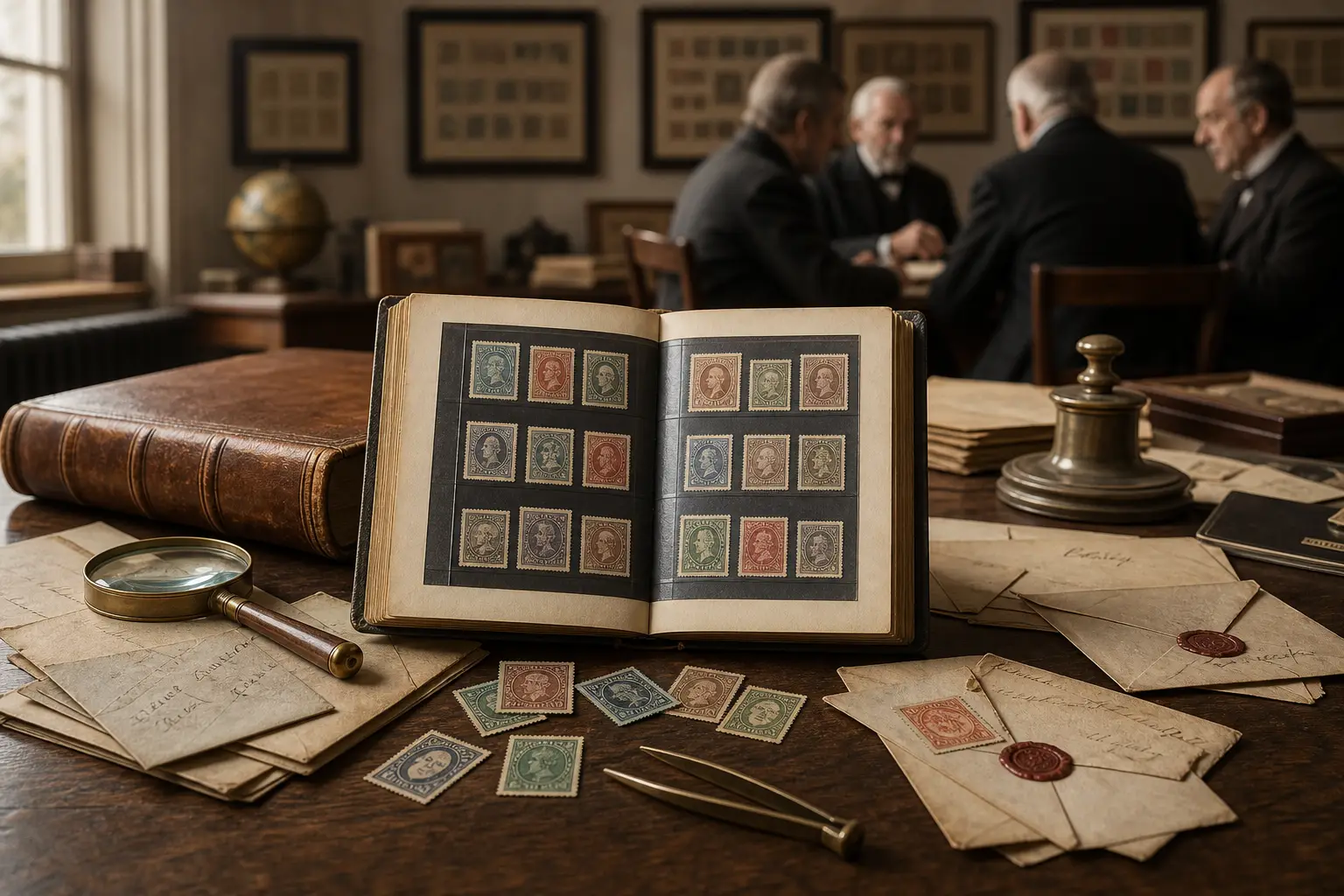
Philatelic societies shaped stamp history by giving collectors a place to compare material, discuss what they saw, exchange duplicates, and record what they learned. The Smithsonian National Postal Museum traces organized philately to collectors gathering in this way, and notes that shared interests encouraged local clubs and societies devoted to particular countries, periods, or subjects.
That matters because stamp history is not only about the stamp itself. It also includes how collectors identified issues, built reference material, and passed knowledge along. The museum specifically says these organizations published research, created reference material, and helped collectors share specialist knowledge, while exhibitions added a structured way to present collections, learn from other displays, and compete for recognition.
The 1850s to 1886: collecting grows into organization
The American Philatelic Society’s history page places the early rise of the hobby in the 1850s, when enthusiasm among a few collectors began to build. By the 1880s, it says there were an estimated 25,000 stamp collectors in the United States. That growth helps explain why collecting moved from private interest to organized cooperation.
In 1886, several prominent collectors discussed forming a national organization of philatelists. By April of that year they had formed the Committee on National Organization, and some 400 collectors indicated willingness to assist. The same source says 219 sent proxies and paid twenty-five cents for the privilege of voting by proxy, showing that collectors were already building formal systems to represent the hobby.
What the American Philatelic Association did for history
The APS history page says a committee met in New York City on September 13, 1886, and adopted the name American Philatelic Association. John K. Tiffany was elected president the next day, and the organization’s stated objects were to help members acquire knowledge in regard to philately, cultivate friendship among philatelists, and enable affiliation with similar societies in other countries.
Those aims are historically important because they show how societies helped preserve knowledge in practical ways. The APS also records early services such as annual conventions, an exchange department for duplicate stamps, an early library department, and a counterfeit detector. These services were not universal to every club, but they show how one organization linked collecting, learning, and record keeping from the start.
Why clubs mattered beyond social meetings
The Smithsonian account makes a useful distinction: societies were not just social circles. They were institutions for exchange, education, research, and exhibiting. That is why they mattered to history. They gave collectors a place to compare examples, notice differences, and decide which details deserved recording.
The APS history also shows how quickly communication became part of the hobby’s structure. Its journal, The American Philatelist, began publication on January 10, 1887. Even when titles or editorial arrangements changed later, the record of an early journal matters because it shows collectors trying to preserve and circulate information rather than keeping it private.
How that history helps a collector today
A modern collector can use this historical background to approach an unknown stamp more safely and methodically. If a stamp seems related to a known issue, the first question is often not value but context: which country, period, or subject does it fit into, and what reference trail exists? That is the same kind of question early societies helped collectors answer through shared study.
If you want to build a record of what you own, note the visible facts first: design, inscription, country, cancellation, perforation pattern, paper appearance, and whether the item is a loose stamp, cover, or part of a group. A tool such as StampSnap can help you create a likely identification or collection record, but it should be treated as a working note, not an appraisal or final authentication.
A safe method for studying historically important material
When material may be old, fragile, or potentially important, do not remove stamps from covers just to satisfy curiosity. Keep the item in place, use clean hands or appropriate tools, and avoid household solvents, tape, or glue. The safest historical study begins with observation, not intervention.
If you are comparing similar items, keep notes on what is certain and what is only suspected. This is how club research and reference work become reliable: collectors distinguish evidence from guesswork. That habit is especially important with items that may have multiple printings, reprints, or later catalogue confusion, because the historical record should stay tied to observable features.
What to remember about clubs, records, and history
The central lesson is simple: philatelic societies helped transform stamp collecting from a solitary pastime into a documented, shared historical practice. According to the Smithsonian National Postal Museum, they did this through comparison, publication, reference building, and exhibition. According to the APS, by the late 1880s collectors were already forming national structures to support study and exchange.
For today’s collector, that means history is not just something printed on the stamp. It is also the story of who studied it, how they shared information, and what records survived. If you approach old material carefully, write down what you observe, and compare it with published references, you are following the same method that helped build philatelic history in the first place.
Frequently asked questions
What did early philatelic societies actually do?
They brought collectors together to compare stamps, exchange duplicates, publish research, create reference material, and share specialist knowledge. The APS also records early services such as conventions, a library, and an exchange department.
When did organized philately begin to take shape?
The APS history page says the hobby grew from the 1850s and that by the 1880s there were an estimated 25,000 stamp collectors in the United States. In 1886, collectors formed a committee and then the American Philatelic Association.
Did every stamp club offer the same services?
No. The Smithsonian specifically notes that clubs and societies varied, and the article should not assume every organization offered the same services. The APS examples show what one named organization provided, not a universal model.
How should I study an old stamp safely?
Start by observing it in place, not by removing or soaking it. Record visible details, keep uncertain claims separate from facts, and use appropriate tools rather than household solvents, tape, or glue.
Can StampSnap tell me the final value or authenticate the stamp?
No. It can help you create a likely identification or collection record, but it should not be treated as an official appraisal or authentication.