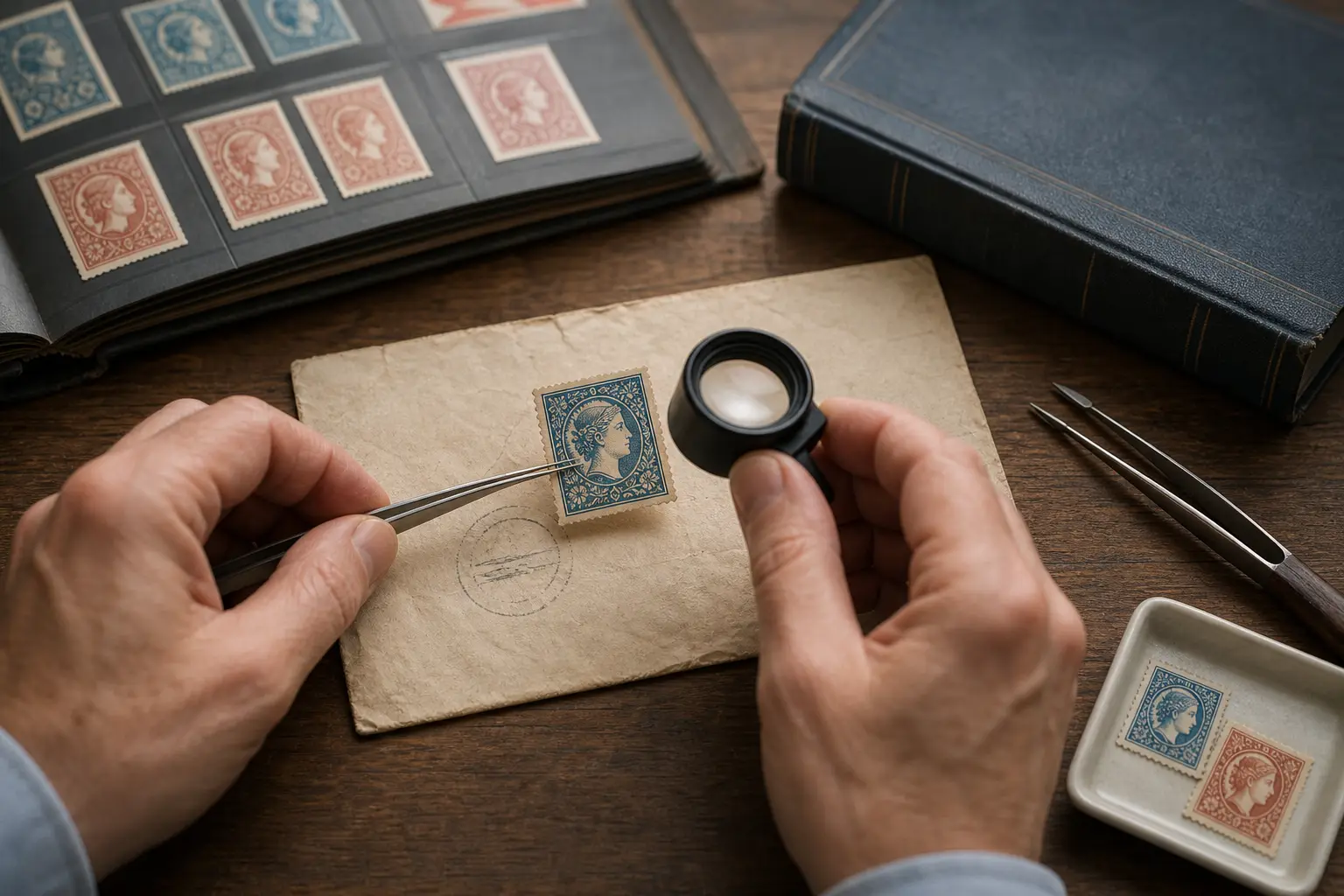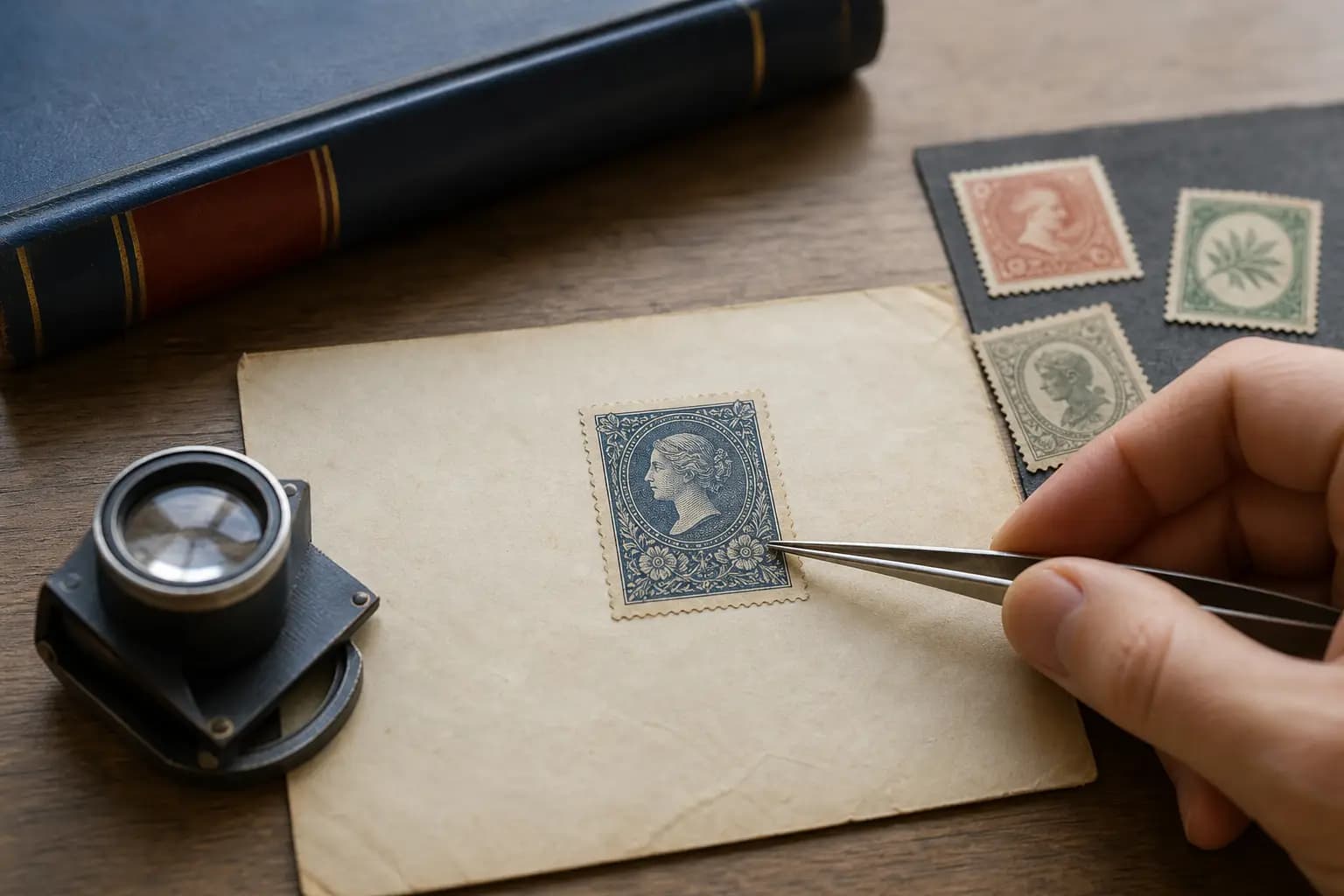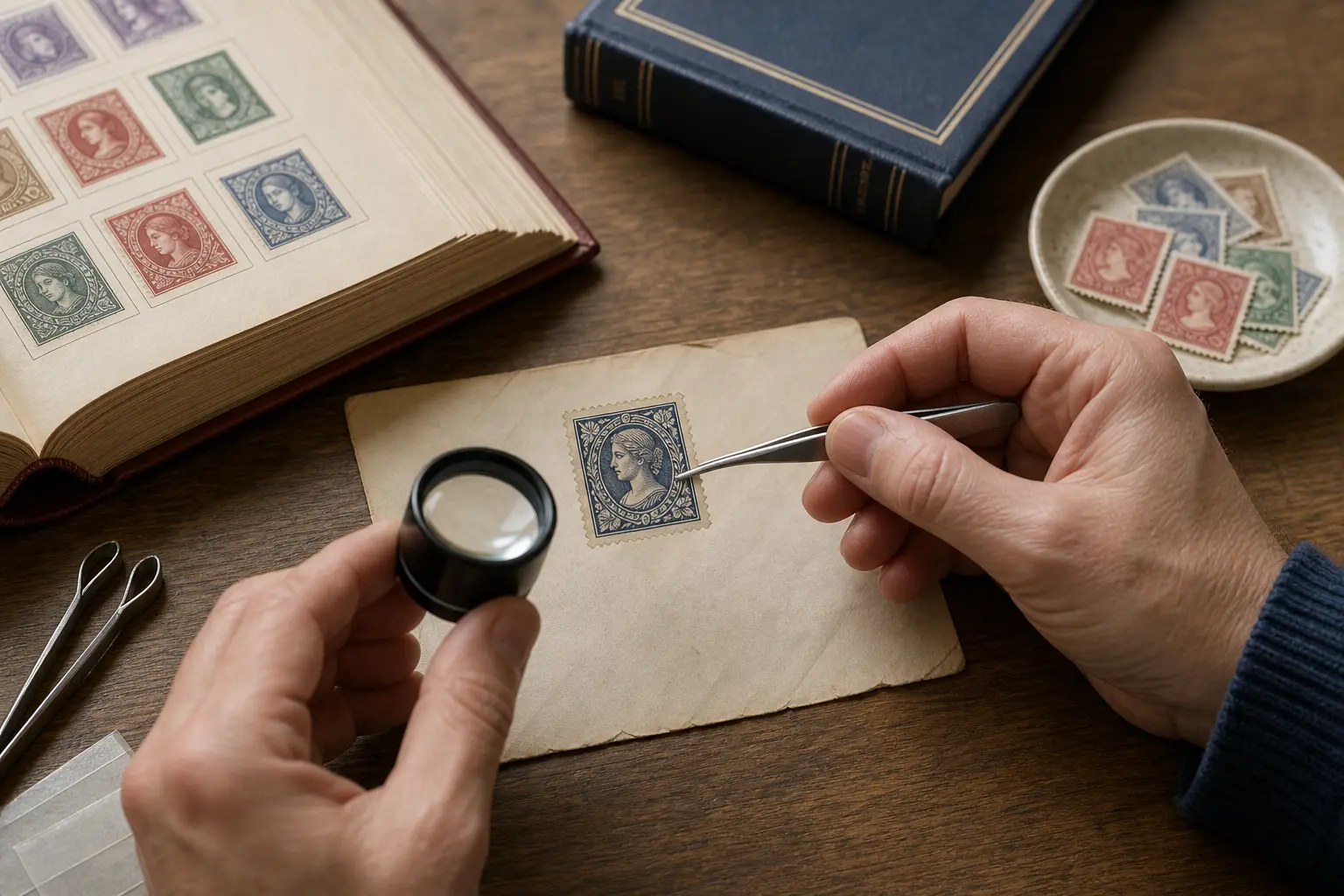
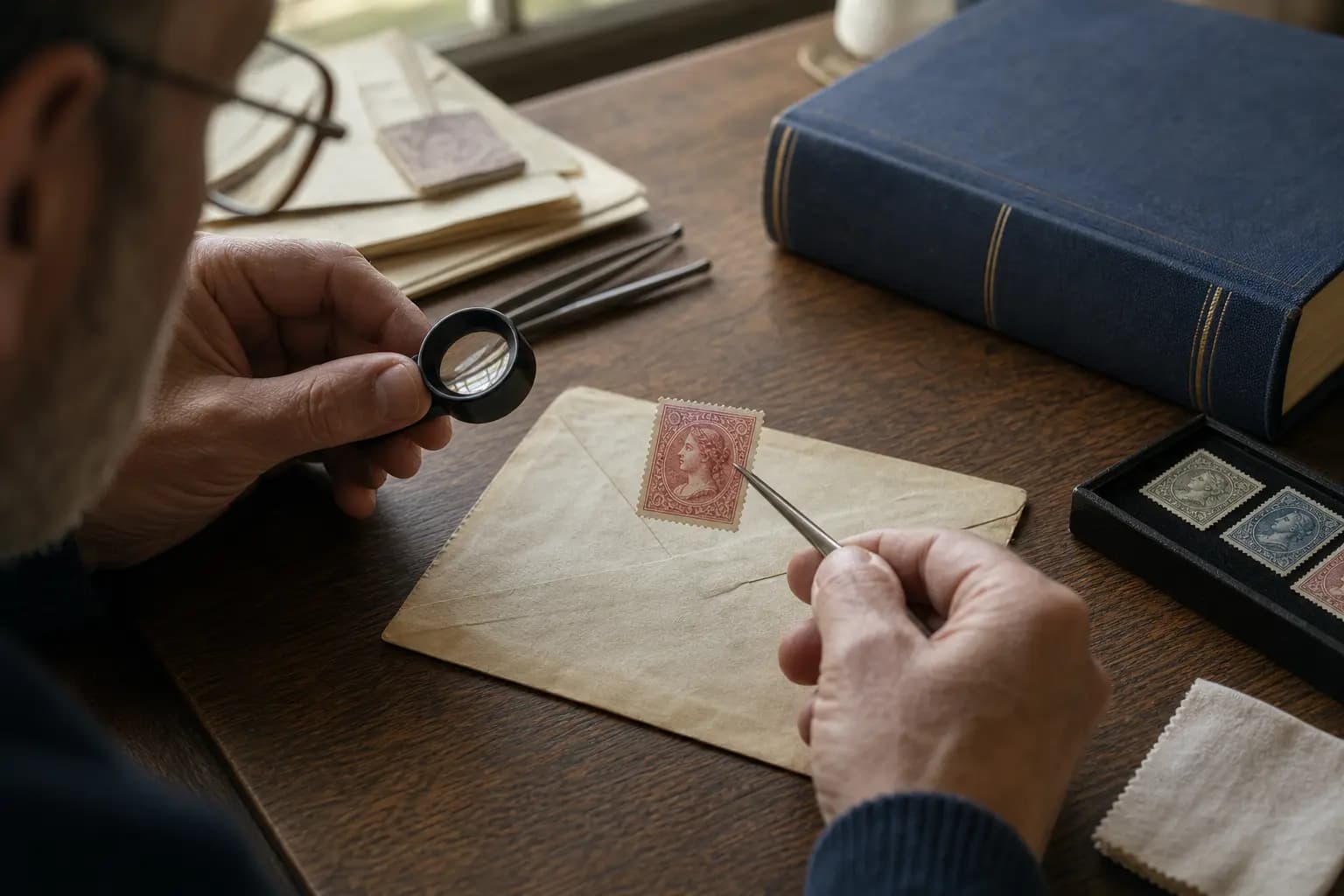
Short answer: yes, a watermark can create a different stamp issue
A watermark can absolutely change how a stamp is identified and valued. According to the American Philatelic Society, stamps with the same design may differ only by the presence or absence of a watermark, or by the specific watermark design, and those differences generally receive separate catalog numbers. In practical terms, that means a watermark can turn what looks like one ordinary stamp into a different listed issue.
This matters because the watermark may be the sole difference between a very common stamp and one valued far more highly. The safest collector approach is to treat the watermark as a key identification feature, not a minor detail. If you are trying to record a stamp for your collection, a clear note about the suspected watermark can be useful, but it should remain a tentative identification until checked carefully.
Why watermarks matter in valuation
Watermarks were used as a security measure incorporated in stamp paper to deter counterfeiting. They are formed in the paper-making process and may appear as words, letters, symbols, numbers, or monograms. Because they are built into the paper rather than printed on the face of the stamp, they can be difficult to notice at first glance.
From a valuation perspective, the important point is that two stamps that look nearly identical on the front may not belong to the same issue. The APS notes that some stamps exist on unwatermarked paper, on paper with one watermark, and even on paper with different watermarks. That means a collector should not assume that matching design alone proves matching catalogue identity or value.
How to check a watermark safely
The APS recommends examining a stamp face down in a dark tray and moistening it with watermark fluid, which brings up the watermark as dark lines against a lighter background. Watermark fluid is preferred because it evaporates quickly and should not affect the gum on an unused stamp. The same source notes that APS helped develop and uses Clarity watermarking fluid, and that traditional watermark fluid remains a trusted method.
Some watermarks can be seen by holding the paper up to light, especially on certain stamps and on some postal stationery. However, many stamps need more careful study. The APS also notes that watermark detectors such as the Safe Signoscope and Morley Bright Watermark Detector exist, but even then the image may be only partial, with just a fragment of a letter or symbol visible. If you are unsure, record the result as tentative rather than forcing a conclusion.
What kinds of watermark differences change a listing
The key valuation lesson is that a watermark difference can be more important than a design difference that is easy to see. The APS gives the example of stamps that differ only by watermark presence or by the watermark design itself and says those differences generally receive separate catalog numbers. In other words, a watermark can define a different issue even when the printed design is the same.
The source also shows that some watermark types are used in different periods. For example, U.S. postage stamps used a double line USPS watermark from 1895 to 1910 and a single line USPS watermark from 1910 to 1916. That kind of change is exactly why collectors should not stop at the front-of-stamp image when deciding what they have.
How to avoid damaging the stamp while checking it
Safe handling is part of valuation, because condition affects the usefulness of any identification. Do not use household solvents or improvised methods when a proper watermark fluid is available. The APS specifically advises commercial watermark fluid, and it notes that the fluid evaporates quickly and should not impact the gum on an unused stamp.
If a stamp is valuable, delicate, or still needs to be protected, use tongs and keep the stamp on a clean, stable surface. Avoid rubbing, bending, or repeated testing. If a stamp is stuck to paper or is part of a cover, do not try to remove it just to check a watermark unless you already know the material can be handled safely; in uncertain cases, keep the item intact and seek appropriate expert help.
How to record a likely watermark identification
A good collector habit is to record what you can see, what tool you used, and what remains uncertain. For example, you might note that a watermark looked like a partial letter, or that no watermark was visible under a quick light check but a fluid test was not yet performed. That kind of note is more useful than a guess presented as fact.
StampSnap can be used to keep a likely identification or collection record, but it should not replace careful examination. If the watermark is partial or hard to interpret, save the image and the observation together so you can revisit the stamp later with better light, better viewing conditions, or a reference comparison.
When a watermark is not enough to settle value
A watermark can be decisive, but it is not always the only factor. The APS stresses that careful review of all relevant details matters, including watermark, perforations or lack of perforations, and colour. In some cases, the watermark may narrow the possibilities, but the final identification still depends on the full set of visible features.
That is why valuation should stay conservative. If you cannot confirm the watermark clearly, do not assume a rare listing. Treat the stamp as provisionally identified until you can compare it with reliable reference material or a clearer test result. This approach protects both your stamp and your records.
Frequently asked questions
Can a watermark make two similar stamps different catalog entries?
Yes. The APS says stamps with the same design may differ by the presence, absence, or design of a watermark, and those differences generally receive separate catalog numbers.
Is a watermark always visible without tools?
No. Some watermarks can be seen by holding paper up to light, but many stamps need watermark fluid or a detector to show the design clearly.
What is the safest way to check a watermark on an unused stamp?
Use commercial watermark fluid in a dark tray, face down, because the APS says it evaporates quickly and should not impact the gum on an unused stamp.
Does every watermark difference change value a lot?
Not always, but the APS notes that a watermark difference can be the sole difference between a very common stamp and one valued much more highly.
What should I do if I cannot read the watermark clearly?
Record the result as uncertain, avoid repeated handling, and compare the stamp with reference material later rather than guessing.