The quickest safe answer
A practical first check is to look at the back of the stamp, if it is already loose and safe to examine, and ask whether it has a paper backing or a self-adhesive layer rather than traditional water-activated gum. The American Philatelic Society notes that modern self-adhesive stamps are not always removed by soaking, and many current U.S. examples use an oil-based backing rather than a water-based one.
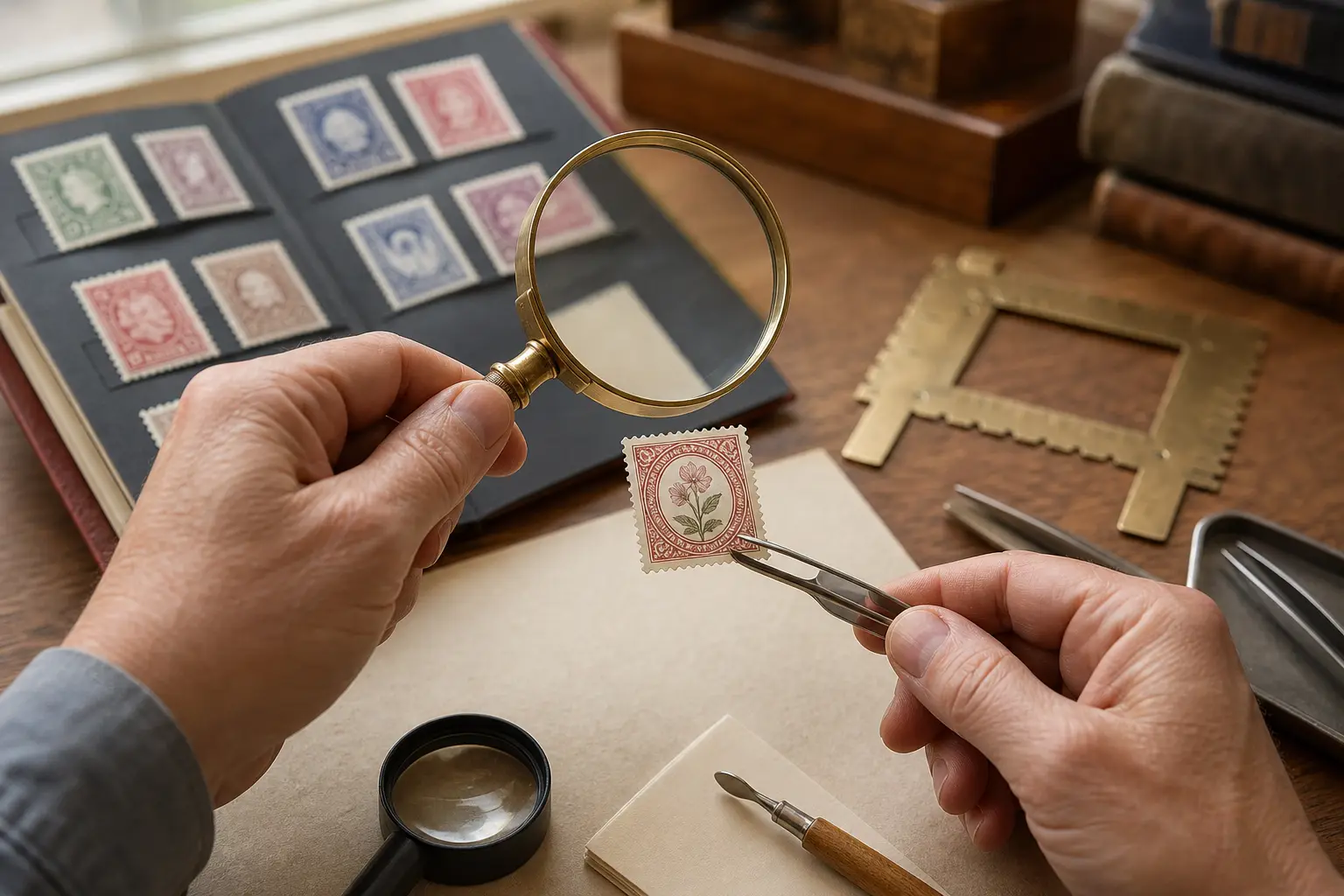
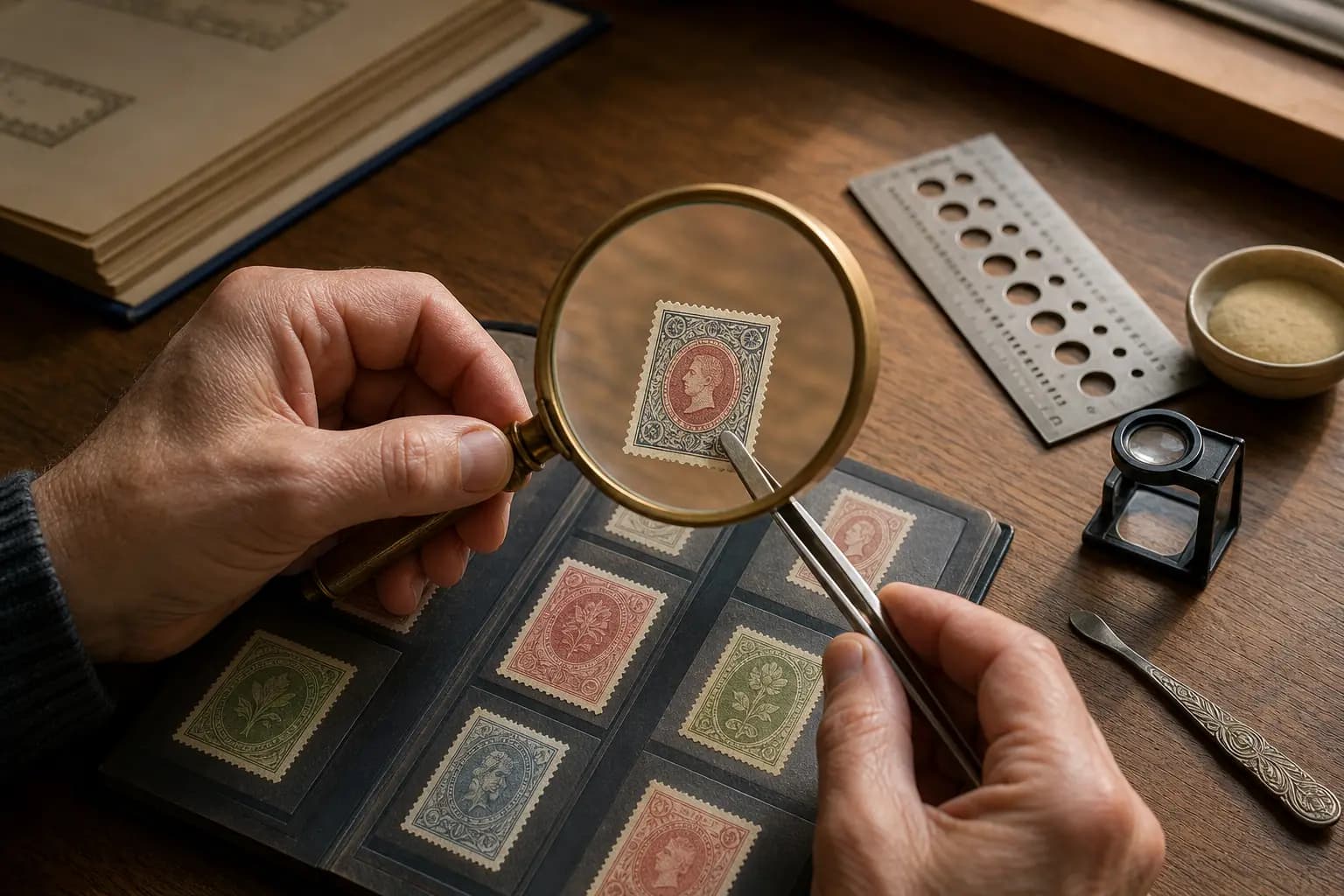
If you cannot tell from a quick inspection, do not guess by soaking the stamp. A safe identification process uses a magnifying glass, tongs, and a catalogue description together with careful visual comparison. When the answer is still uncertain, record it as likely self-adhesive rather than forcing treatment that could damage the stamp.
What to look for before you touch the stamp
Start with the safest observation possible. If the stamp is loose, check whether the back looks different from a traditional hinged or gummed stamp. Self-adhesive stamps are designed to stick without being moistened, so the reverse often looks like a backing rather than a normal water-activated gum layer. Because the source evidence does not give a universal visual rule, treat this as a clue, not proof.
A stamp catalogue can help here because it may describe how the stamp was printed and provide an image or issue details that support identification. Catalogues also list whether a stamp is used or unused and can reveal issue differences that are easy to miss at first glance. If you are building a record in StampSnap, note your observation as an identification lead, not a final determination.
Use the right tools for a careful check
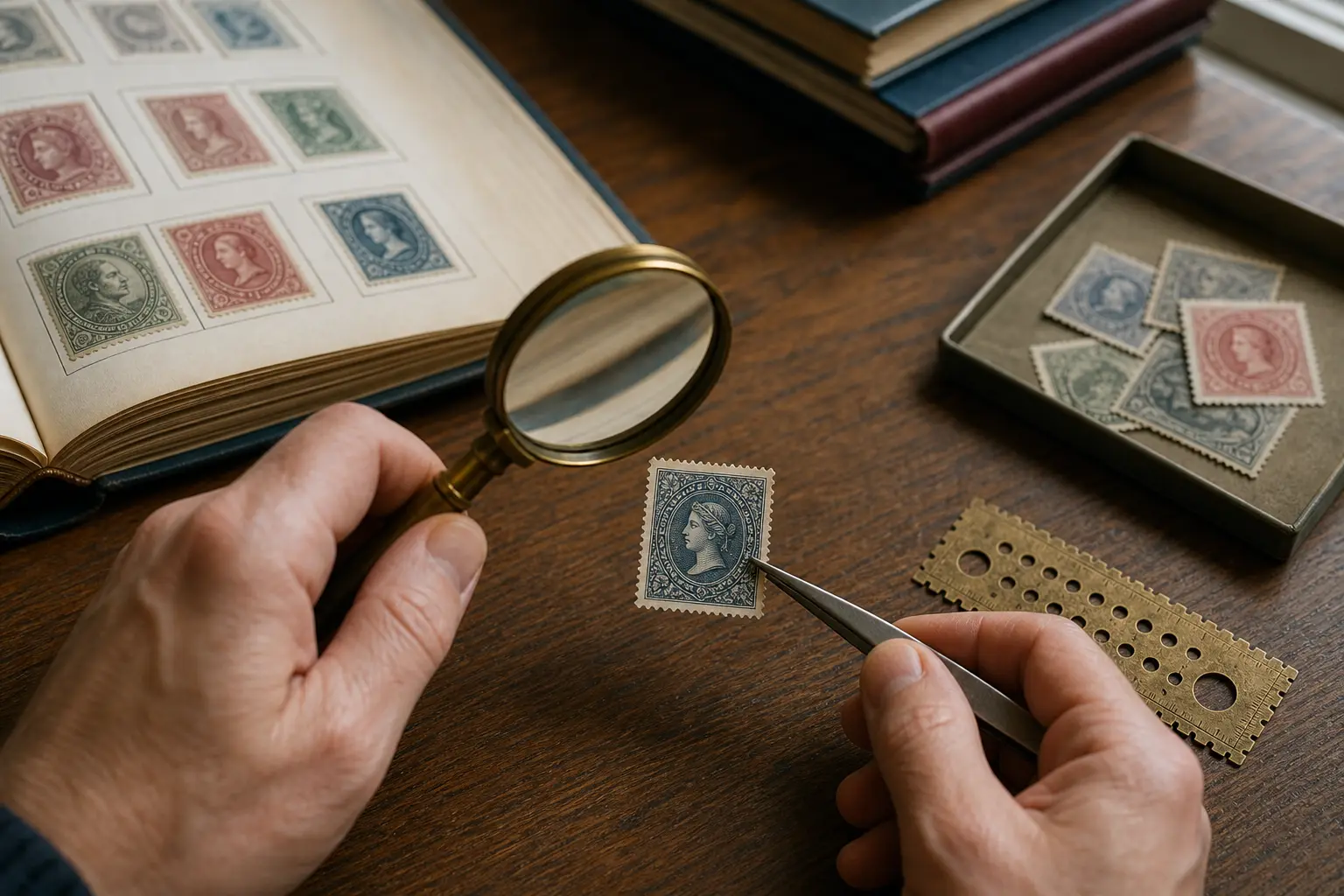
The American Philatelic Society recommends stamp tongs for dry stamps because handling them as little as possible helps keep them in good condition, and skin oil can damage them even when hands are washed. Tongs have a smooth gripping surface and are safer than fingers for moving a stamp from one place to another. A magnifying glass is also useful because some stamps appear alike until small details become visible.
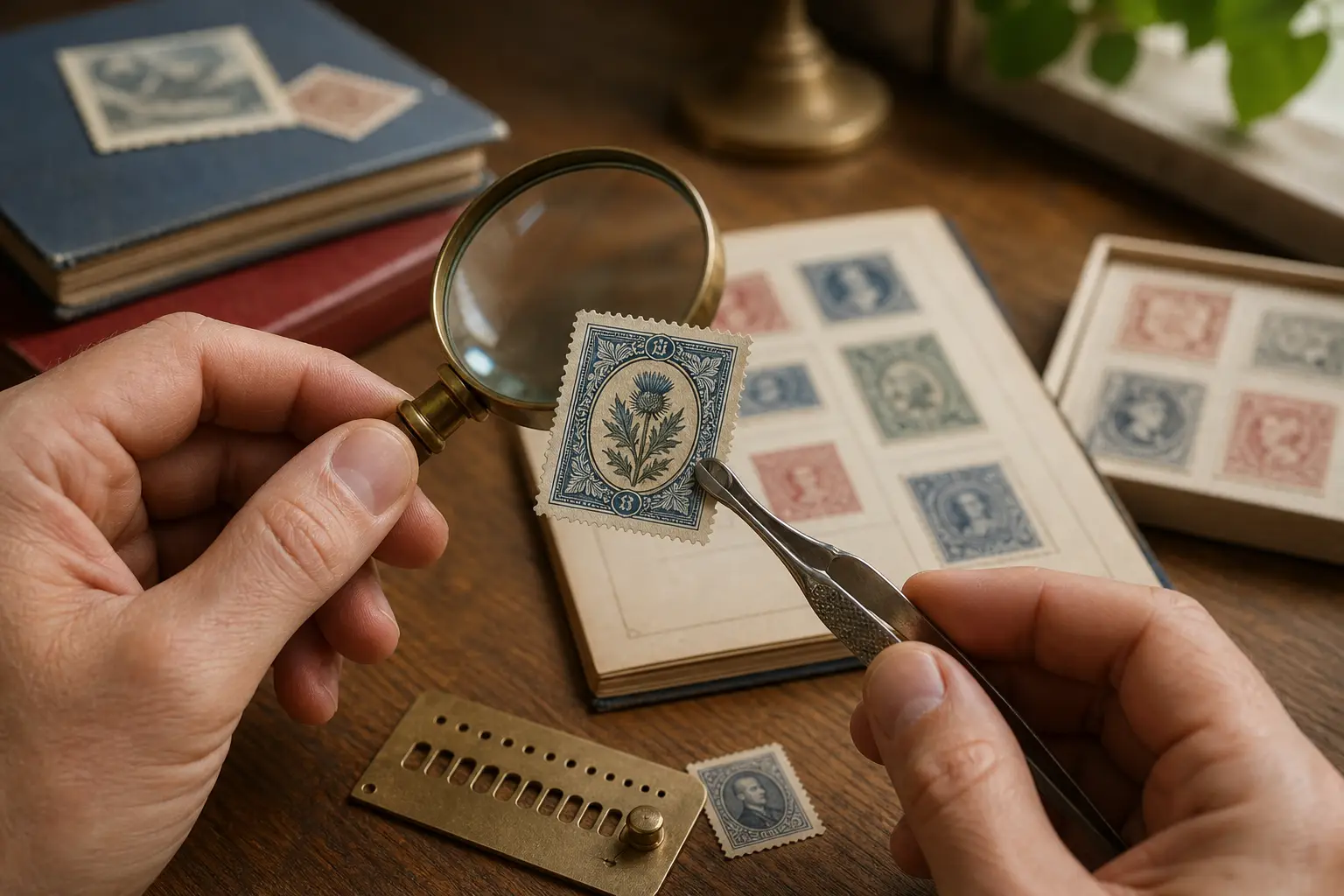
Choose a magnifier that gives clear, undistorted view, ideally in the 5x to 10x range, so you can inspect edges, surface details, and any backing features without strain. A perforation gauge is helpful if the stamp may be similar to another issue with a different perforation count. These tools do not authenticate a stamp, but they can narrow the possibilities in a methodical way.
Why soaking is not the first step
The main safety rule is simple: do not assume that all stamps can be removed from paper in the same way. The APS FAQ says that until 2007, almost all United States self-adhesives could be removed by soaking in water for extended periods, about 20 minutes, but most current U.S. self-adhesives will not simply soak off because the backing is oil based rather than water based. That means soaking may be ineffective and can create unnecessary risk.
The safe collector habit is to identify before you remove. If a stamp is on paper and you are uncertain whether it is self-adhesive, leave it as found until you can confirm the type by catalogue, visual clues, or informed advice. Never use household solvents or other improvised methods on an item you have not identified, because the source evidence only supports that an oil solvent may be required in some cases and does not provide a universal treatment instruction.
How to compare similar stamps without overhandling
Some stamps look nearly identical but differ in small details. That is why the APS recommends a magnifying glass and a perforation gauge. Compare the design, perforations, and any catalogue-listed features before deciding how to file the stamp. If a catalogue notes a distinction between adhesive types or issue forms, use that information before making any physical change to the item.
If you are organising a collection, place the stamp in a stock book or album only with a hinge or mount, never with tape or glue. The same basic rule applies whether the stamp is mint, used, or part of a mixed accumulation. Good storage preserves evidence for later study, which is especially important when you cannot yet tell whether a stamp is self-adhesive, traditional gummed, or a similar-looking issue.
When the answer is still uncertain
Not every stamp can be identified confidently from a quick look. If the reverse is obscured, the adhesive has changed with age, or the item is attached to paper in an unfamiliar way, treat your conclusion as provisional. A catalogue, clear magnified inspection, and the observation of backing type together provide a safer basis than guessing from appearance alone.
Collectors should also remember that stamp identification is not the same as authentication or appraisal. A likely self-adhesive identification only tells you how the stamp may behave and how it should be handled. If you need a permanent record, save the notes, scan, and catalogue reference in your collection log or in StampSnap, then return to the item later when you have more information.
A practical checklist you can reuse
First, handle the stamp as little as possible and use tongs if it is dry. Second, inspect it under clear magnification and compare it with catalogue illustrations or descriptions. Third, look for backing or gum clues without forcing the stamp from paper. Fourth, if the item may be self-adhesive, avoid soaking until you are sure of the adhesive type.
This method works because it respects the limits of visual identification and protects the stamp at the same time. The goal is not to rush the answer but to keep the item intact while narrowing the possibilities. For many collectors, that is the safest way to decide whether a stamp is self-adhesive and how it should be stored or studied next.
Frequently asked questions
Can I tell a self-adhesive stamp just by looking at the front?
Sometimes you can suspect it, but the front alone is not conclusive. Use magnification, compare with a catalogue, and check the back only if the stamp is already loose and can be handled safely.
Should I soak every stamp that might be self-adhesive?
No. The APS notes that many current U.S. self-adhesives will not simply soak off because the backing is oil based rather than water based, so soaking is not a safe first step.
What tools help most with identification?
Stamp tongs, a clear magnifying glass, a perforation gauge, and a stamp catalogue are the most useful basic tools mentioned in the source evidence.
What if the stamp is on paper and I am unsure about the adhesive?
Leave it as found until you can confirm the type. Do not force removal or use improvised treatment on an unidentified stamp.
Can StampSnap tell me for sure whether it is self-adhesive?
StampSnap can help you create a likely identification record, but it does not authenticate a stamp or provide an official appraisal.