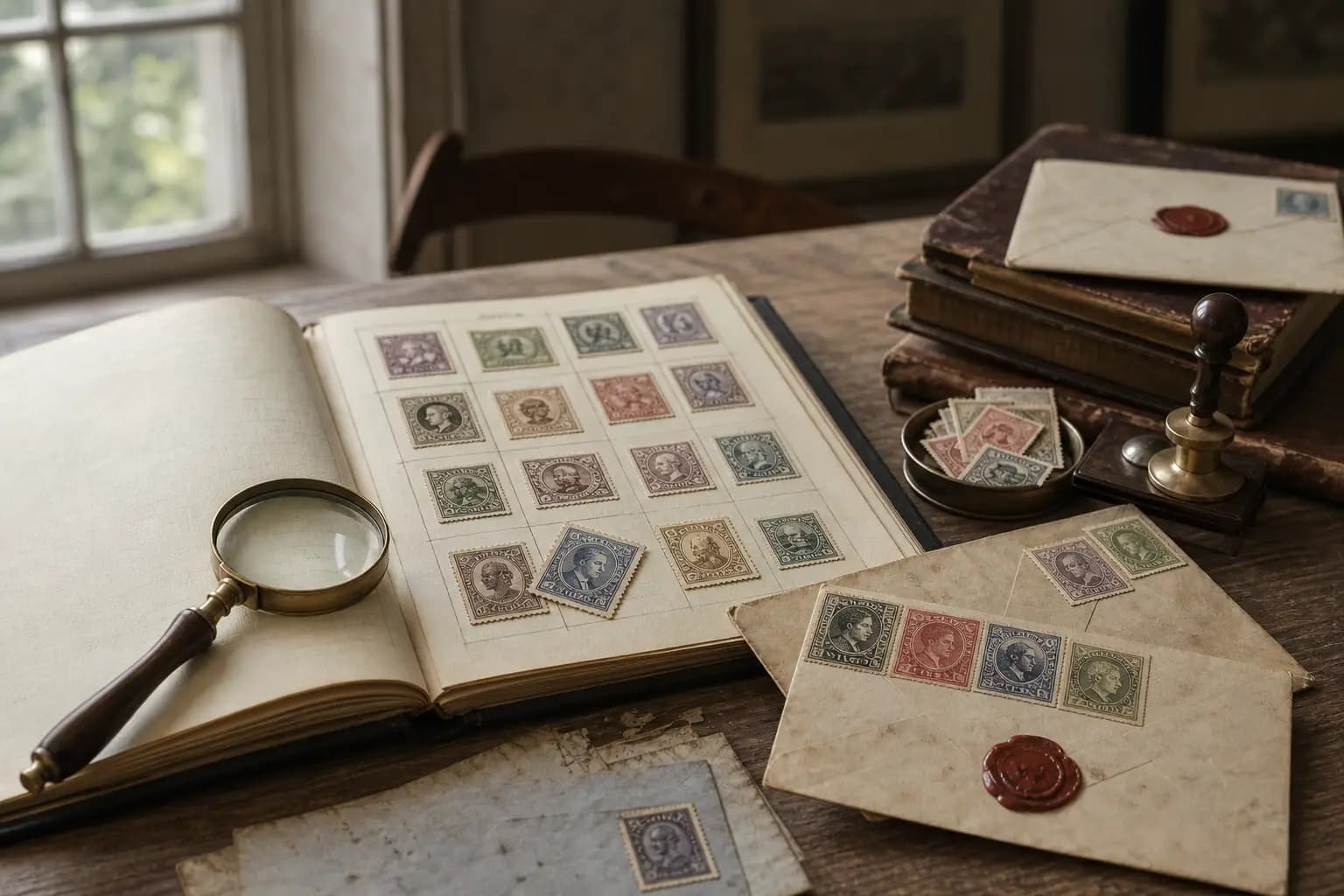
Short answer: stamp clubs became history-making networks when collectors began organising knowledge
Stamp clubs became important in philatelic history because they did more than host social meetings. According to the Smithsonian National Postal Museum, organised philately grew from collectors gathering to compare, discuss, and exchange stamps, and then forming local clubs and societies devoted to countries, periods, or subjects. Those groups helped collectors share specialist knowledge, create reference material, publish research, and present collections in exhibitions.
That is the practical answer to the collector question. A club became a network when it gave members a place to trade duplicate material, compare varieties, learn from stronger collections, and keep information circulating instead of staying with one person. The result was not just a pastime, but a structure that supported philatelic memory over time.
The 1880s show the shift from enthusiasm to organisation
The American Philatelic Society records that collecting grew steadily from a few enthusiasts in the 1850s and reached an estimated 25,000 stamp collectors in the United States by the 1880s. In 1886, prominent collectors began discussing a national organisation, and by April of that year they had formed the Committee on National Organization and printed an announcement of the possible formation of such a body. The evidence also says that some 400 collectors said they were willing to help found it, and 219 sent proxies for voting.
On September 13, 1886, a committee in New York City adopted the name American Philatelic Association. The next day, John K. Tiffany was elected president. These dated milestones matter because they show how collectors moved from scattered interest to organised history. The society’s constitution described goals that still sound familiar today: helping members acquire knowledge in philately, cultivating friendship among philatelists, and enabling connection with similar societies in other countries.
Clubs worked as exchange spaces, not just meeting rooms
One reason clubs became historical networks is that they made circulation easier. The APS history page says the early Association created an Exchange Department to facilitate the exchange of duplicate stamps, entire envelopes, and postal cards among members through exchange books and boxes. It also established a Purchasing Department for members who wanted help obtaining new issues or obsolete stamps at or near face value, and the more members who participated, the better the buying conditions could be.
This matters for history because exchange systems created shared collecting habits and helped material move through a community rather than disappear into private holdings. If you are documenting a collection today, StampSnap can help you create a likely identification or collection record, but the historical lesson is the same: organised sharing makes collections easier to understand, compare, and preserve.
Journals and libraries turned club activity into a lasting record
Publishing is one of the clearest ways stamp clubs became part of philatelic history. The APS states that the first five issues of The American Philatelist were published in Altoona, Pennsylvania, beginning on January 10, 1887. Even where titles later changed, the key point is that the society created a journal platform early in its life. A journal gives collectors a place to record knowledge, debate details, and keep discoveries available after a meeting ends.
The early Association also reported progress in building a Library Department and said it would depend greatly on donations until the department was firmly established. The Smithsonian account reinforces why this mattered: societies created reference material and helped collectors share specialist knowledge. A club library, whether large or modest, turns scattered observations into something future collectors can consult.
Counterfeit concerns, expert help, and member education shaped trust
The APS history notes that fraudulent stamps plagued the organisation in its early days, leading it to elect E. A. Holton, a Boston dealer, as counterfe i t detector, a forerunner of today’s expertizing agency, and he served without a fee. This is an important historical milestone because it shows clubs responding to a collecting problem with a practical service rather than leaving members to cope alone.
The broader lesson is cautious and still relevant: clubs could help people learn what to look for, but collectors still needed judgment and care. A club could support education, recordkeeping, and comparison, yet it did not remove the need to examine material methodically and avoid unsupported assumptions. That distinction is useful today when checking unfamiliar stamps, especially if the item may be significant or delicate.
Exhibitions and specialised societies widened the reach of philately
The Smithsonian National Postal Museum says local clubs and societies often formed around particular countries, periods, or subjects, and that exhibitions gave participants a structured way to present collections, learn from other displays, and compete for recognition. That structure helped turn private collecting into public philatelic culture, where ideas and reference points could move beyond one room or one local group.
The museum also notes that these organisations did more than socialise: they published research and helped collectors share specialist knowledge. In practice, that meant clubs could support a specialist field, not just a general hobby. For a collector trying to understand a difficult stamp group, the historical model is clear: compare, document, publish, and revisit the evidence as new information appears.
What this means for collectors building a modern record
If you are building a collection record today, think like the early clubs did. Keep track of what you have, what is still uncertain, and what source helped you reach each conclusion. That approach reflects the same habits that made clubs historically valuable: careful comparison, shared knowledge, and organised reference material. It is also safer than relying on memory or a single quick guess.
You do not need to treat every stamp as a research project, but you should be methodical with anything unusual, incomplete, or potentially important. Use simple notes, stable storage, and clear comparisons. The history of philatelic clubs shows that good records are not an extra luxury; they are part of how collecting becomes a durable form of history.
Frequently asked questions
Why were stamp clubs important in philatelic history?
They helped collectors exchange material, learn specialist knowledge, publish research, build reference collections, and present collections in exhibitions.
What dated milestone shows the rise of organised philately?
The APS evidence says collectors discussed a national organisation in 1886, formed a committee by April 1886, and adopted the name American Philatelic Association on September 13, 1886.
Did early stamp clubs only provide social meetings?
No. The supplied evidence says clubs also supported exchange, education, research, libraries, journals, and in some cases help with counterfeit detection.
Did every stamp club offer the same services?
No. The Smithsonian evidence says clubs and societies varied, so services and activities differed by organisation.
What is the safest way to use this history when identifying stamps now?
Use the club model of comparison and recordkeeping: note what you see, compare with reliable references, and avoid making unsupported claims about a stamp's identity or value.