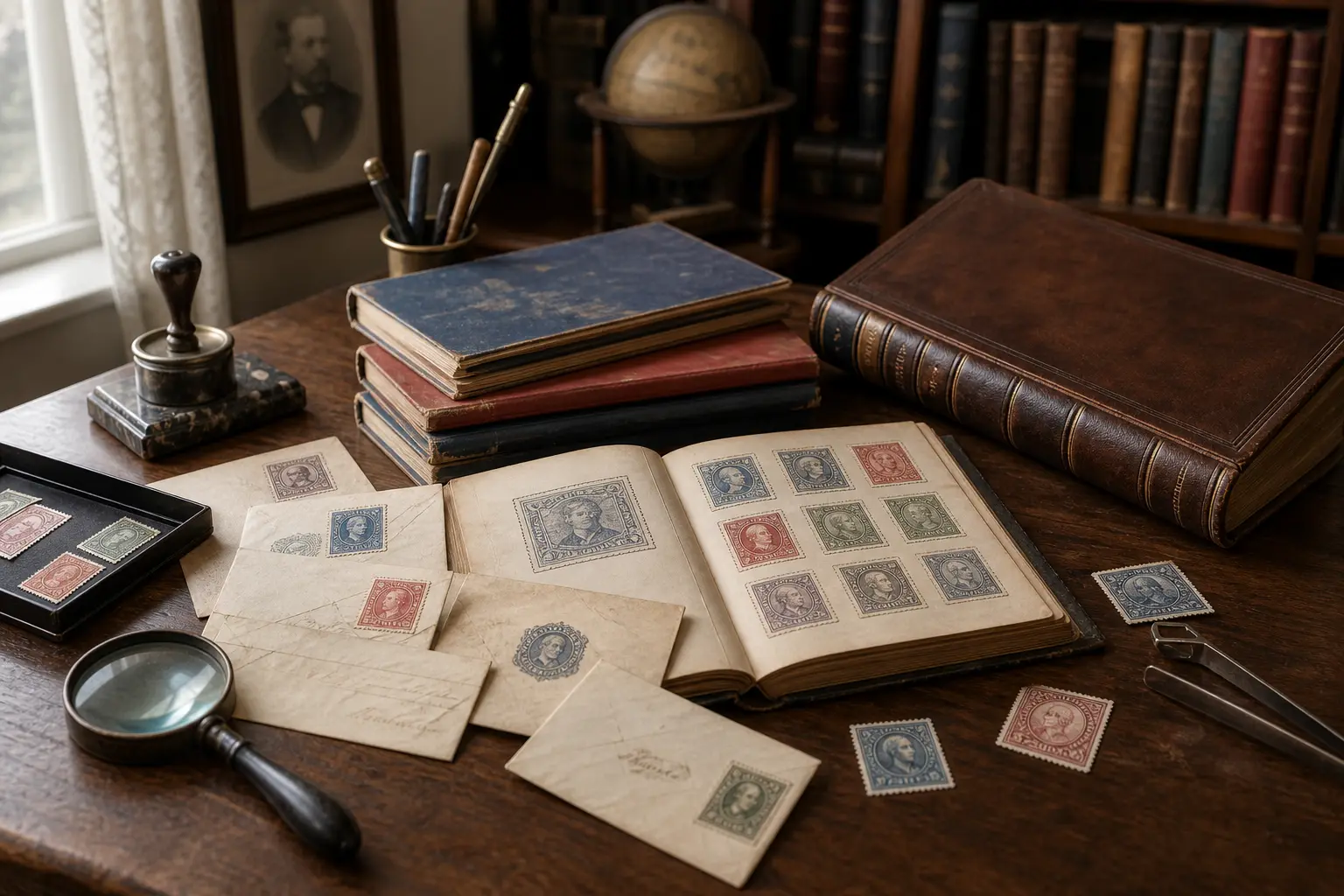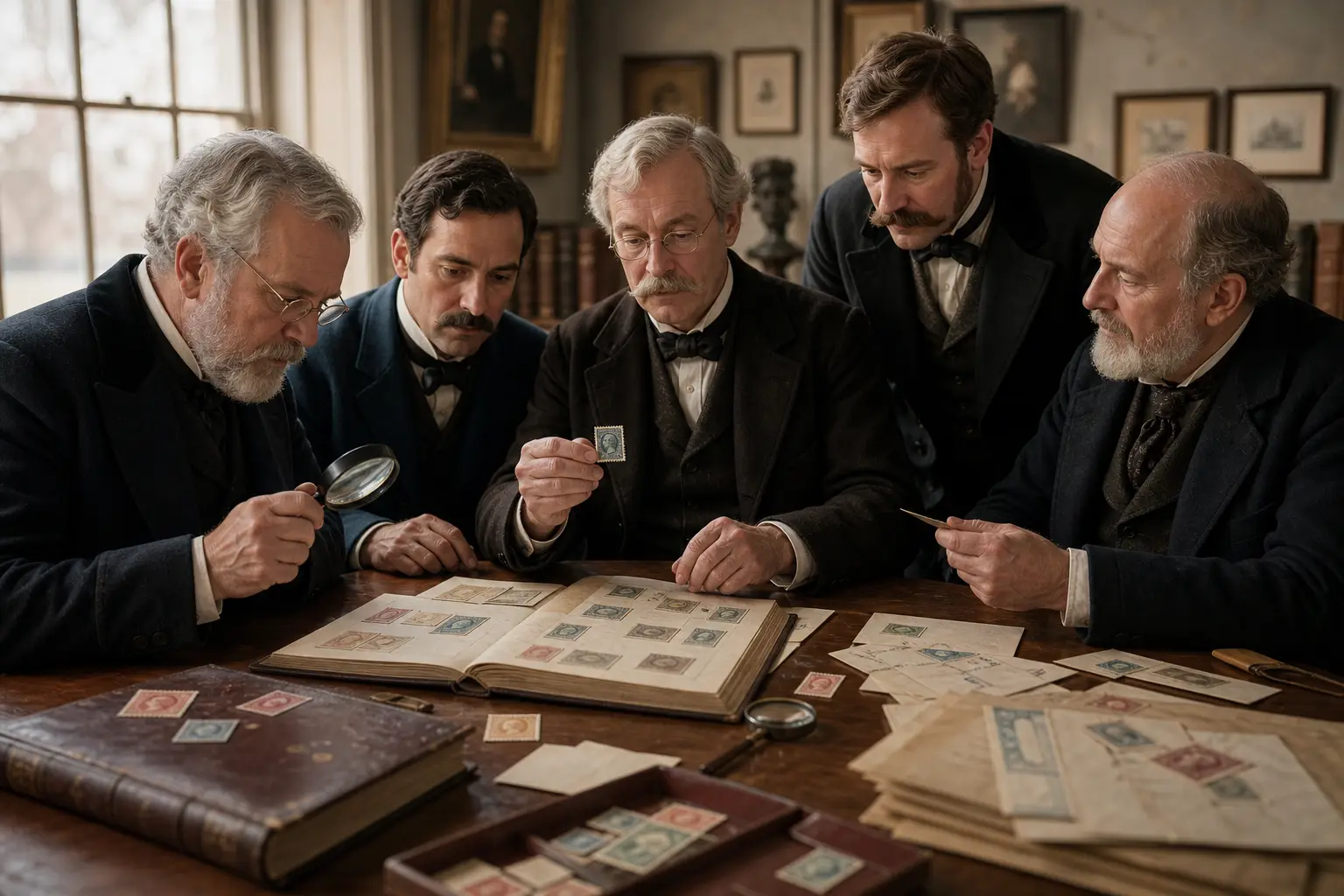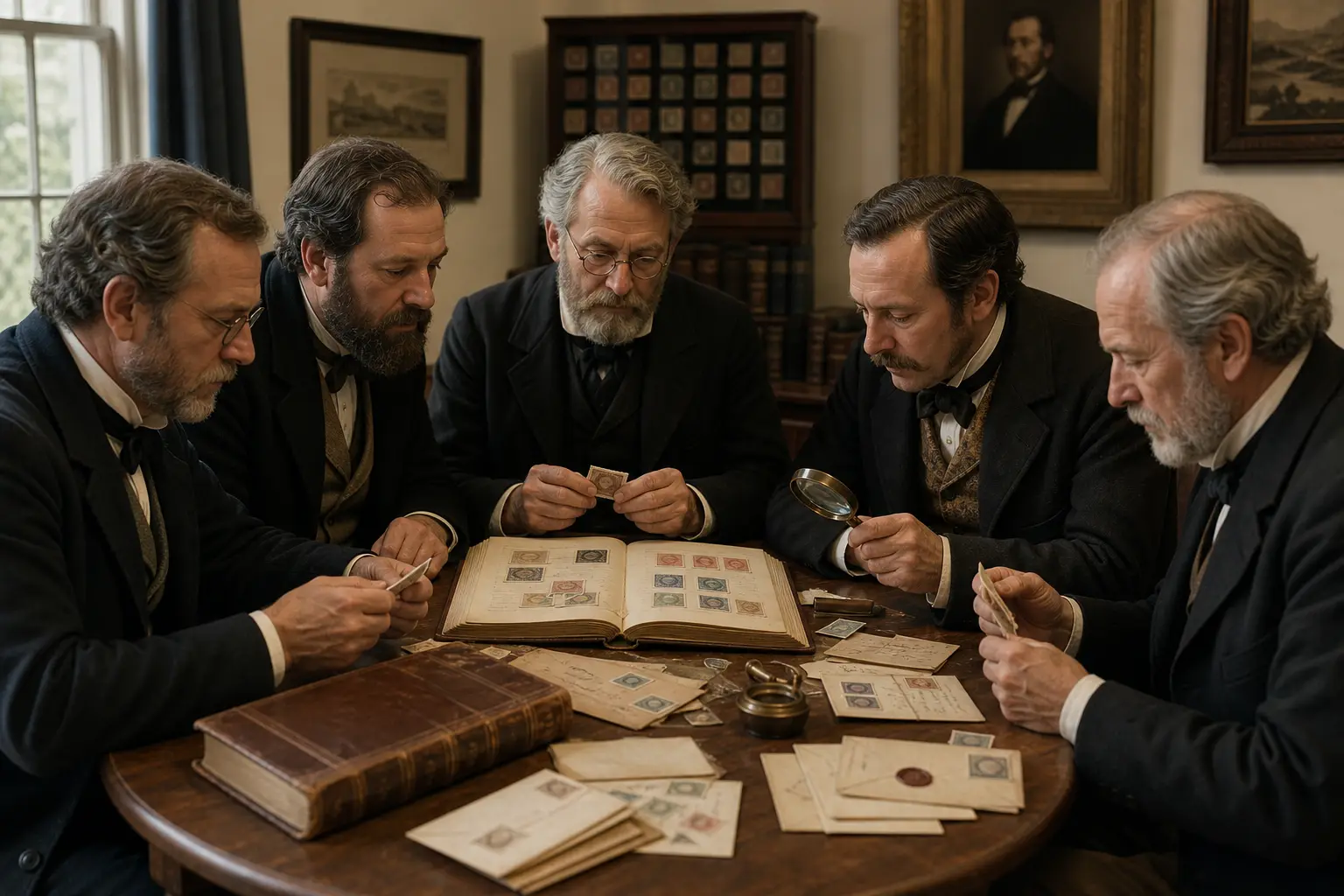
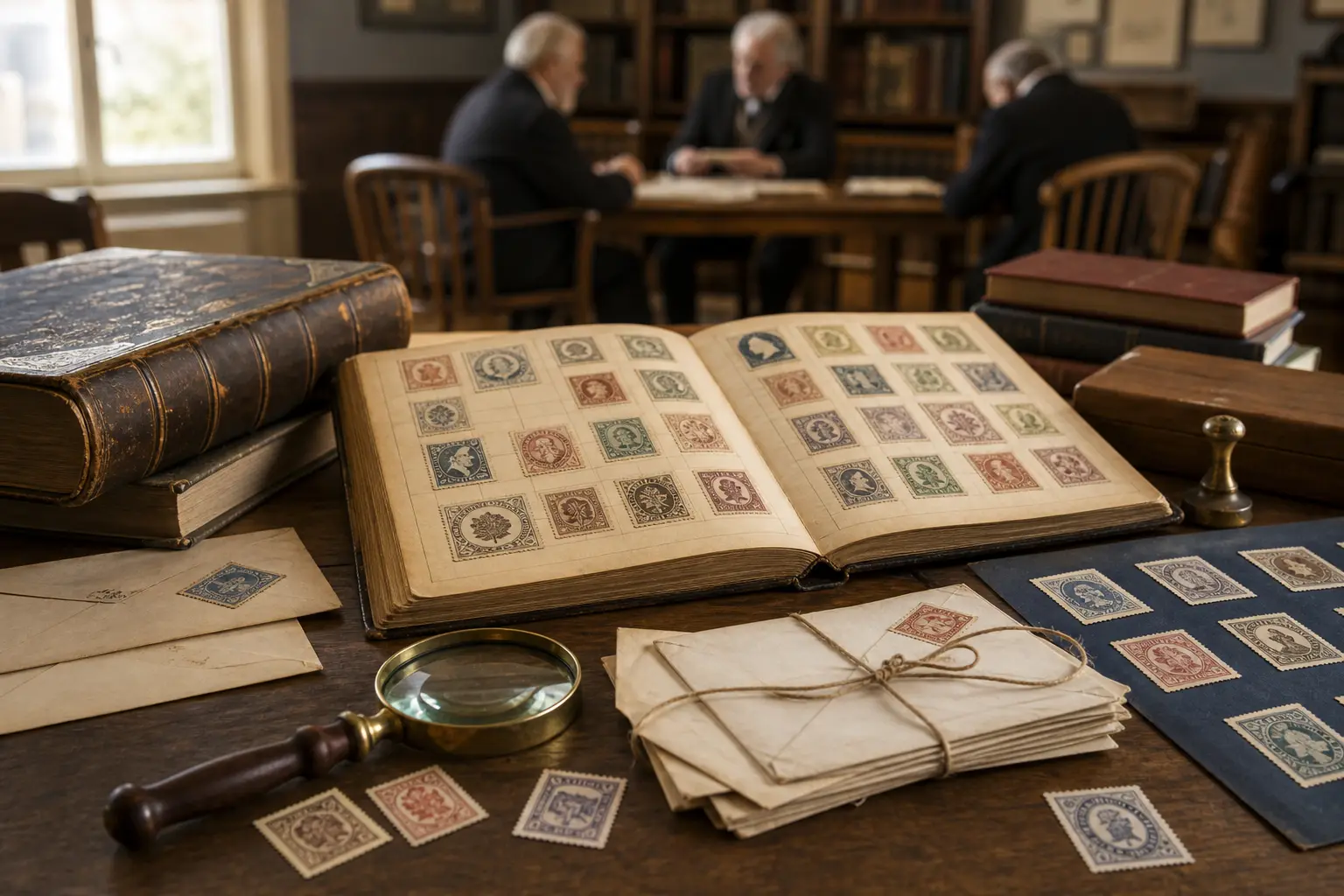
Short answer: they turned collecting into documented knowledge
Stamp clubs created the historical record of philately by giving collectors places to compare material, record observations, and circulate information instead of keeping knowledge private. The Smithsonian National Postal Museum describes organized philately as growing from collectors gathering to compare, discuss, and exchange stamps, with local clubs and societies forming around shared interests. Those groups did more than hold social meetings: they published research, created reference material, and helped collectors share specialist knowledge.
The American Philatelic Society’s history shows this process in action in the United States. By the 1880s, collecting had grown from a few enthusiasts in the 1850s to an estimated 25,000 collectors, and in 1886 prominent collectors began discussing a national organization. That growth mattered because it moved philately from scattered individual study into a recorded, cooperative hobby with written rules, services, and public communication.
Why journals mattered more than conversation alone
A journal turns club talk into a durable source. The APS history notes that the first five issues of The American Philatelist were published in Altoona, Pennsylvania, beginning on January 10, 1887. That date is important because it shows how quickly the new association moved from formation to publication. A club journal could preserve articles, debate, announcements, and society news in a form that later collectors could consult, rather than relying on memory or word of mouth.
This is the basic reason philatelic clubs became historical institutions. A meeting can be forgotten, but a printed journal can be kept, quoted, and built upon. When societies publish research and news, they do not just serve present members; they create a record of what collectors knew, discussed, and valued at a particular moment in time.
Libraries and reference material made the hobby cumulative
The APS history also shows that early clubs quickly recognized the value of a library. Its Library Department was still developing, but the association reported that considerable progress had been made and that donations would help the department grow. That tells us something practical about how philatelic history was built: reference material did not appear fully formed. It was assembled from donated knowledge, published material, and the efforts of members who wanted others to study the same evidence.
The Smithsonian account adds that societies created reference material and helped collectors share specialist knowledge. In practice, that meant a collector could move beyond personal experience and compare material against an organized body of information. For the student of stamp history, that is a major shift: the hobby becomes cumulative, because each generation can inherit earlier notes, publications, and research instead of starting over.
Exchanges, buying, and duplicate material created a working archive
Stamp clubs were also practical networks. The APS history records an Exchange Department designed to facilitate the exchange of duplicate stamps, entire envelopes, and postal cards among members through exchange books and boxes. The same history also mentions a Purchasing Department that helped members obtain new issues or obsolete stamps at or near face value, with better prices when more members participated. These services were not just conveniences; they helped material circulate so that collectors could compare, study, and document what existed.
The Smithsonian Museum’s description of organized philately likewise begins with collectors gathering to compare, discuss, and exchange stamps. That exchange culture matters historically because it makes more material visible to more people. A club with active exchanges can reveal variations, unusual postmarks, and design differences that might otherwise stay buried in a private album. It is a careful, collective way of building knowledge, not a shortcut to certainty.
How clubs responded to fraud and preserved trust
A historical record is only useful if collectors trust it. The APS history says fraudulent stamps plagued the organization in its early days, and the association responded by electing E. A. Holton as a counterfeit detector. The source describes this as a forerunner of today’s expertizing agency. That is significant because it shows an early attempt to protect members from bad material and keep the association’s records and exchanges reliable.
This should not be read as a guarantee that any club or society can authenticate every item. Rather, it shows that organized philately developed tools for caution, comparison, and review. For today’s collector, the lesson is methodical: keep notes, compare with published references, and treat uncertain items as questions to research rather than facts to assume. If you use StampSnap to create a likely identification or a collection record, keep that result as a starting point for further checking, not as final proof.
Conventions, membership, and public activity spread philatelic history
The APS history shows that the association’s annual conventions began with the first meeting on September 13, 1886, and have been held annually since. The same history says the association’s constitution aimed to help members acquire knowledge in philately, cultivate friendship among philatelists, and enable affiliation with similar societies in other countries. Those aims explain why clubs mattered historically: they connected study, sociability, and international contact in one organized structure.
The broader pattern is clear. Clubs did not merely preserve the hobby; they expanded it into a documented public culture through meetings, journals, libraries, exchanges, and exhibitions. The Smithsonian Museum notes that exhibitions gave participants a structured way to present collections, learn from other displays, and compete for recognition. Together, these functions created a historical record of what collectors studied, how they shared information, and how the hobby matured over time.
How to use club history safely as a modern collector
If you are researching a stamp today, treat club history as context, not as automatic identification. Start with the date, the organization, and the kind of evidence a source actually provides. A journal article, a library reference, or a club exchange note may help narrow possibilities, but you still need to check the stamp itself for printing, paper, gum, perforation, watermark, or postal use where appropriate. Be cautious with any material that could be damaged by handling, and do not remove stamps from covers or use household solvents to force a result.
A practical habit is to keep a simple record of what you saw, where it came from, and which reference supported the note. That is exactly the kind of habit club history encourages. The value of those old societies was not only that they gathered collectors together, but that they taught collectors to preserve evidence, compare carefully, and make knowledge usable for others.
Frequently asked questions
How did stamp clubs help preserve philatelic history?
They preserved philatelic history by publishing journals, building libraries, creating reference material, holding exhibitions, and recording the knowledge collectors shared at meetings and through exchanges.
Did early stamp clubs only provide social meetings?
No. The Smithsonian source says they did more than social meetings: societies published research, created reference material, and helped collectors share specialist knowledge.
What dated milestones show the growth of organized philately?
The supplied evidence includes the 1850s beginnings of collecting enthusiasm, an estimated 25,000 collectors in the United States by the 1880s, the formation of the Committee on National Organization in April 1886, the APA meeting of September 13, 1886, and the first issue of The American Philatelist on January 10, 1887.
Were club exchanges mainly for duplicates?
According to the APS history, the Exchange Department was intended to facilitate the exchange of duplicate stamps, entire envelopes, and postal cards among members.
Can a club or app authenticate a stamp with certainty?
No source here says that. Club resources and tools can help you compare, record, and research a stamp, but uncertain items still need careful checking against reliable references and, when relevant, expert review.