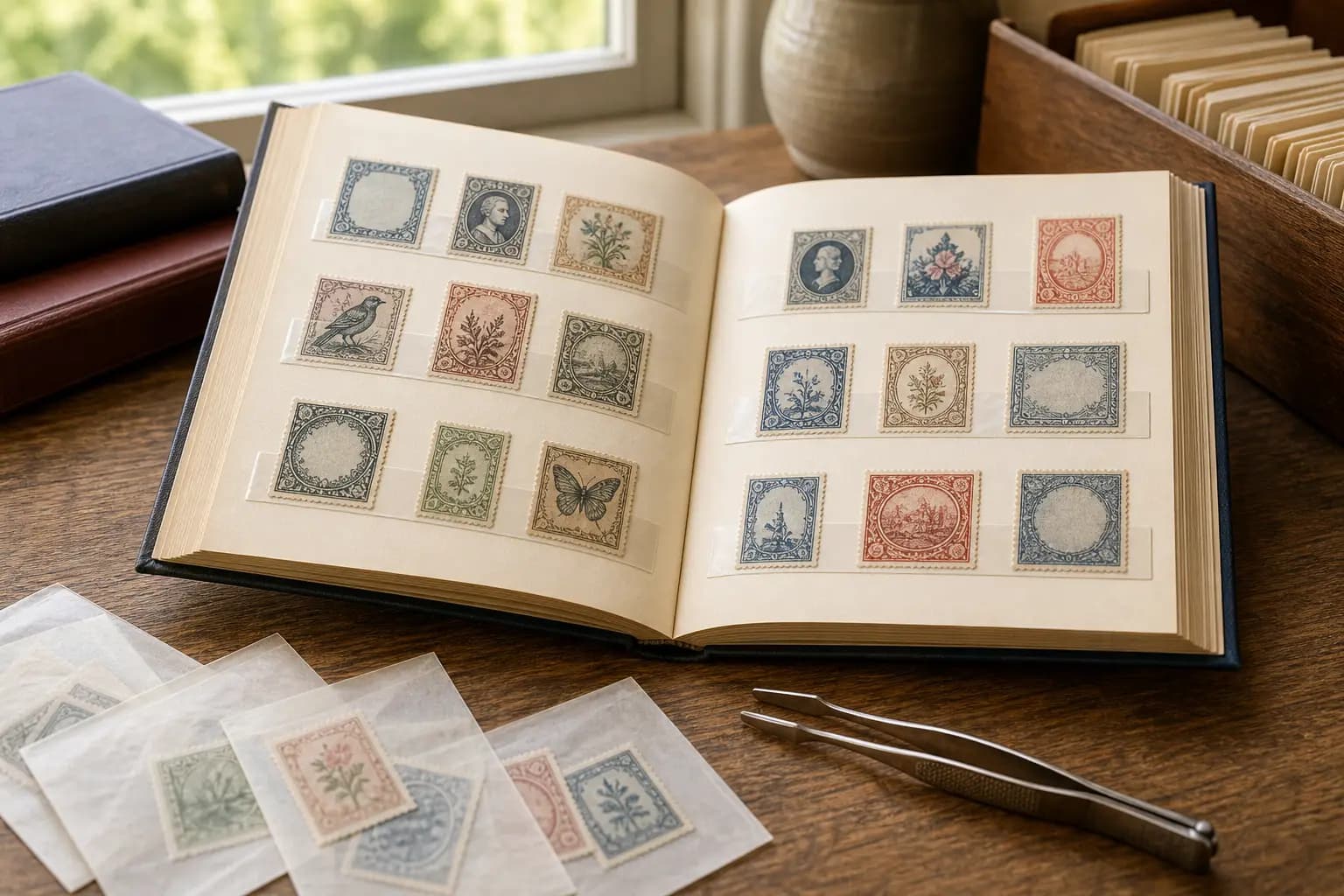
Start with one subject you genuinely enjoy
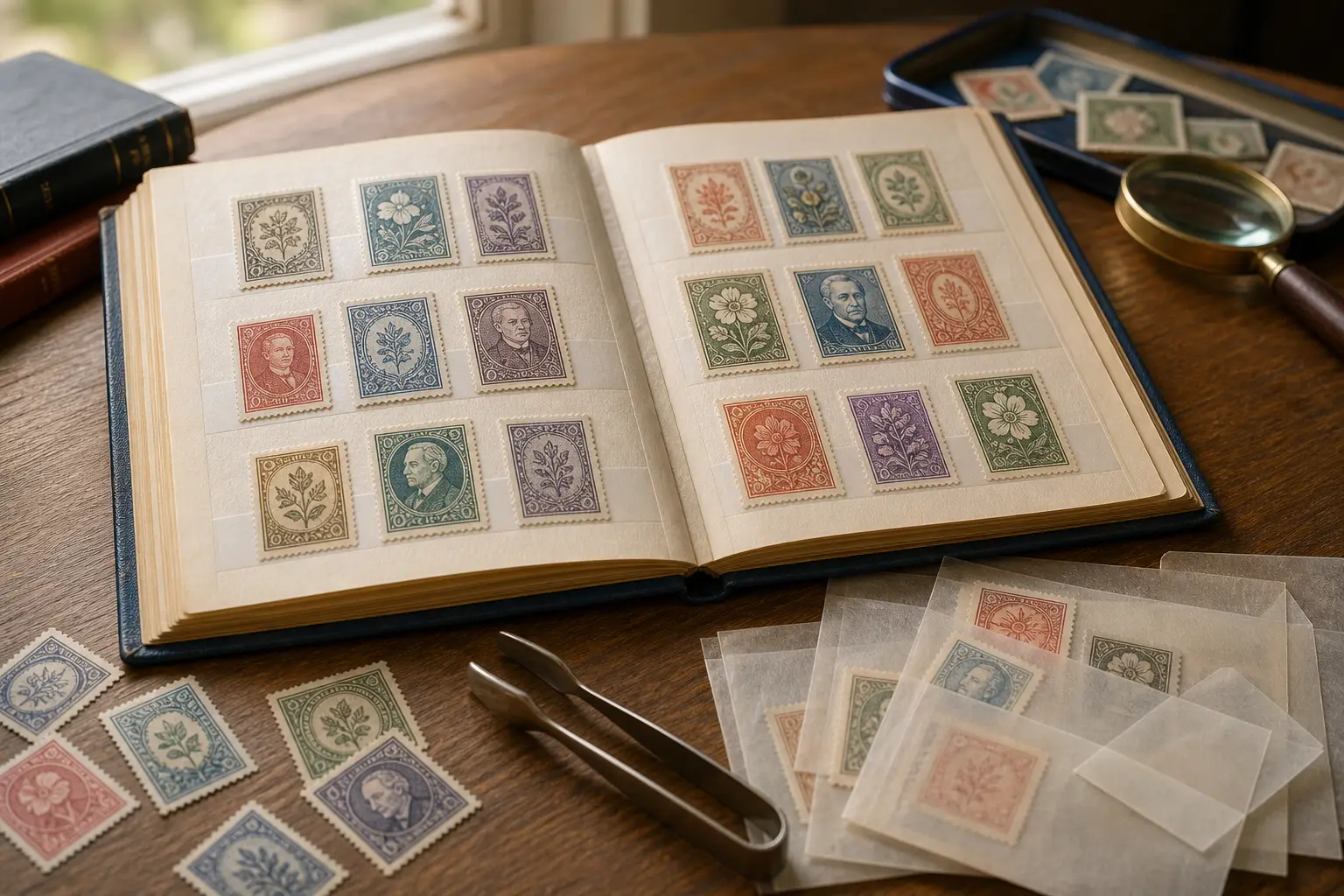
The simplest answer is this: choose one topic you like, then collect stamps and related mail material that fit that theme. The American Philatelic Society says there is no right or wrong way to collect, and topical collecting lets you explore stamps from all over the world. That makes it a strong choice if you want a collection with a clear focus and room to grow.
A good topic is one you can recognize quickly and stay interested in over time. Animals, birds, flowers, ships, space, scouts, Disney, and sports are all common examples, but the evidence also notes that collectors build on far less common ideas too. The point is not to find the most important topic, but one that keeps you looking closely and enjoying the search.
Decide what counts as part of the collection
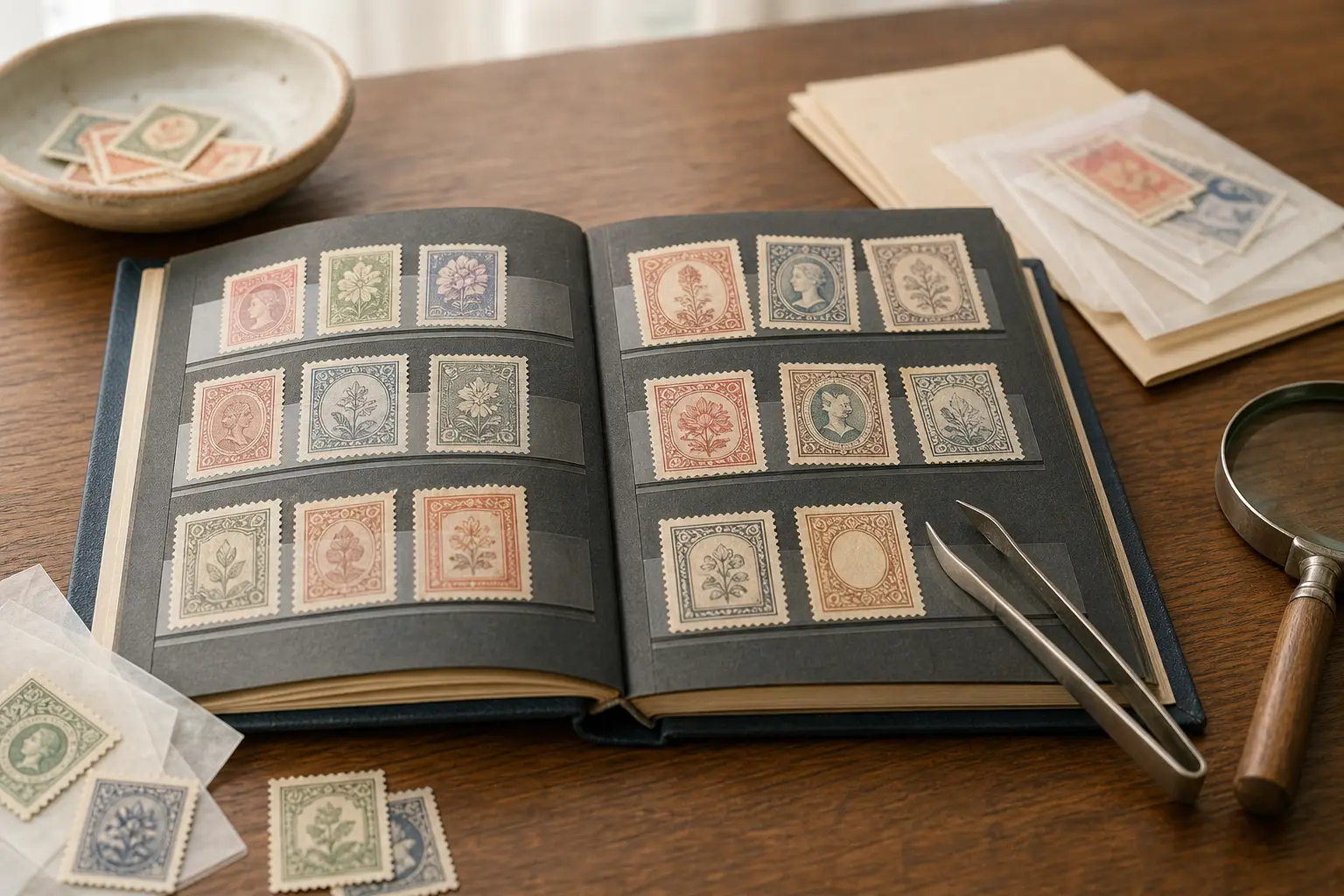
Once you have a topic, decide what material belongs in the collection. The source evidence shows that topical collectors often include more than loose postage stamps. First day covers and postal stationery can also fit, and many collectors look for special postmarks that relate to the subject. That flexibility is useful, because it lets you shape the collection around the story you want to tell.
It is also sensible to decide where your limits are. If your topic is broad, you may want to include only stamps with a clear visual link to the theme, or only items that were genuinely used in mail. If you keep the rules for inclusion simple and consistent, it becomes easier to sort, compare, and describe items later without second-guessing every piece.
Keep the scope realistic and manageable
A topical collection can become large quickly, so the safest approach is to keep the scope realistic. The APS notes that collectors can start with worldwide material, but trying to gather every stamp ever issued is usually unrealistic because countries issue about 10,000 postage stamps each year. For a topic collection, the same lesson applies: a broad idea needs limits if you want the project to stay enjoyable.
You can narrow the scope by date, country, format, or subject detail. For example, you might collect only modern issues, only material from one country, or only stamps that clearly show your chosen theme. Narrowing the focus is not a failure; it is a practical way to build a collection that you can actually maintain, understand, and enjoy.
Choose whether you want mint, used, or a mix
For topical collecting, the mint-versus-used decision is personal. The APS says many collectors prefer one or the other, and some mix both. Used stamps often cost less than mint, and they do not require you to preserve original gum. Used material can also bring cancellations into the story, which may matter if the postmark supports your topic.
Mint stamps have never been used and remain in the condition they were sold in at the post office. If you choose mint examples, handle them carefully and think about how you will store them so they stay presentable. If you choose used examples, you can mount them more simply, but the same careful handling still matters because tears, creases, and bends can reduce the usefulness of a stamp for your collection.
Use basic tools and compare what you see with references
You do not need a large toolkit to begin. The Smithsonian National Postal Museum says a simple pair of stamp tongs, an album, and a general reference book are sufficient starting tools. Tongs let you pick up loose stamps without direct finger contact, which helps reduce handling damage. A magnifying glass can reveal small design details, and a perforation gauge can help distinguish look-alike issues by measuring perforations.
The museum also lists watermark detectors, color guides, and catalogs as specialist aids. Just as important, it says catalogs can record issue date and printing method, so physical observations should be compared with reliable references rather than treated as conclusive on their own. That is a useful rule for topical collectors too: observe carefully, then verify before you make a label or record.
Record your collection in a way that can be checked later
A topical collection becomes far more useful when you keep simple notes. Record the theme, where the item came from if you know it, and any visible features that matter to your collecting rules. If you later use a tool such as StampSnap to create a likely identification or a collection record, treat that as a working note, not as an official determination. The source evidence supports comparison with references, not blind reliance on appearance alone.
Good records also help if you change your mind about the scope of the collection. You may decide to split one topic into several smaller areas, or to exclude items that only loosely fit. When your notes are clear, you can reorganize without losing track of what you already own. That makes the collection easier to build and easier to enjoy over time.
Handle items safely while sorting and storing
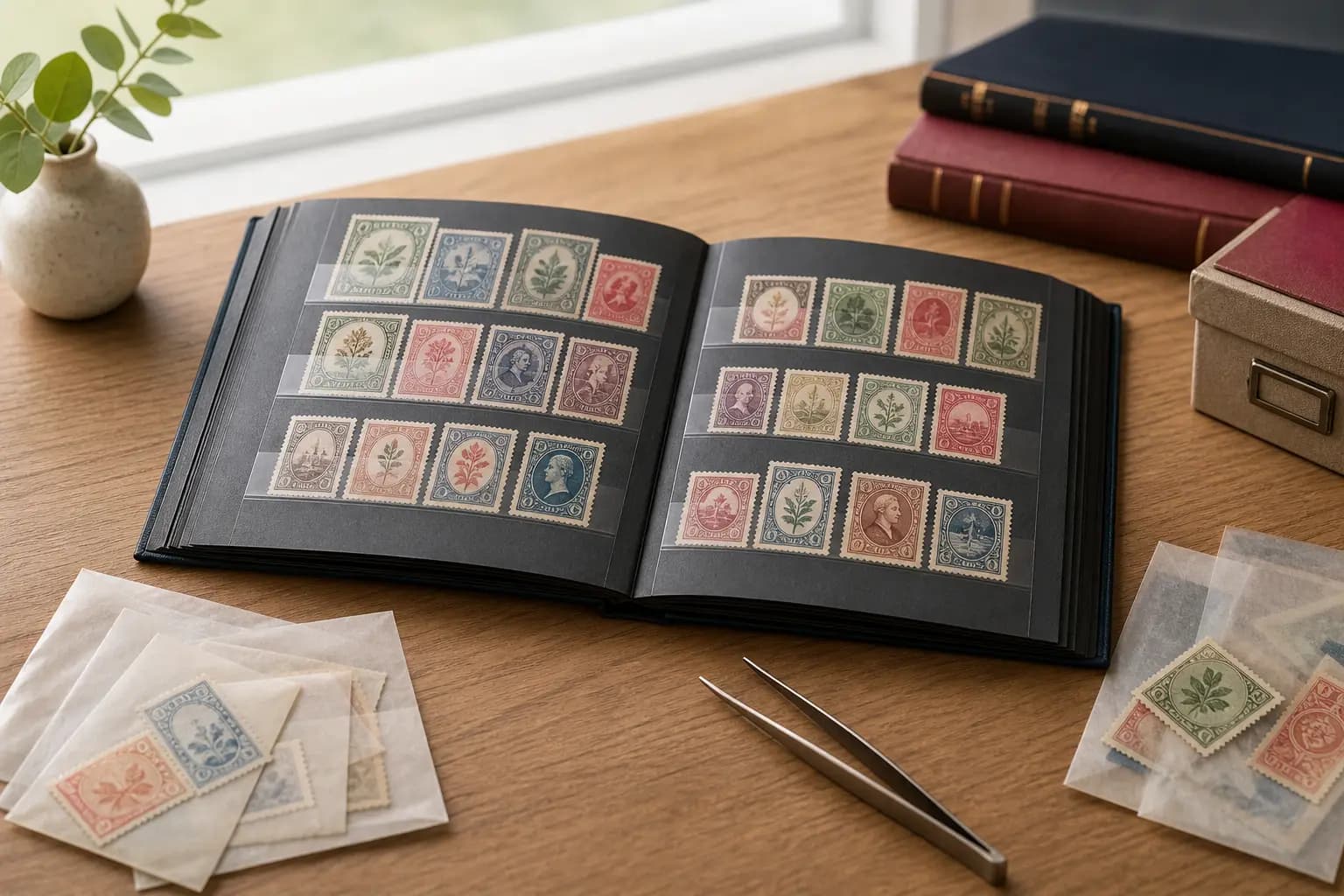
Safe handling matters from the start. Use tongs for loose stamps, and avoid direct finger contact when you can. Keep your stamps in an album or other suitable storage system as soon as practical, especially if they are already sorted by topic. The basic goal is to reduce unnecessary handling, because repeated contact is one of the easiest ways to damage a collection.
Do not use improvised methods that could harm the material. The source evidence does not advise household solvents, tape, or glue, and it is better to avoid risky shortcuts. If you are working with mixed material or items that might be delicate, slow down, separate them by condition, and check them against reliable references before making permanent decisions about storage or classification.
Frequently asked questions
What is topical stamp collecting?
Topical stamp collecting is collecting stamps and related mail material by subject, such as animals, sports, space, or flowers, rather than by country alone.
Can a topic collection include more than loose stamps?
Yes. The source evidence says topical collections may also include first day covers, postal stationery, and special postmarks related to the topic.
Should I collect mint or used stamps for a topic?
Either is acceptable. Many collectors prefer one or the other, and some collect a mix. Used stamps often cost less and do not require gum preservation.
Do I need special tools to start a topical collection?
No. The Smithsonian National Postal Museum says a simple pair of stamp tongs, an album, and a general reference book are enough to begin.
Can I rely on a visual match alone when identifying a stamp for my collection?
No. The source evidence says physical observations should be compared with reliable references, because visual clues are not conclusive on their own.