The Accessibility of Stamp Collecting
Stamp collecting is a remarkably flexible hobby that is suitable for nearly all ages and can be enjoyed twelve months of the year regardless of your local climate. A common misconception is that philately requires great wealth or highly specialized skills to begin. In reality, millions of people from all walks of life participate in the hobby without spending large sums of money. According to estimates by Linn's Stamp News, more than five million people in the United States collect stamps, ranging from historical figures like President Franklin Roosevelt to modern musicians and athletes.
Because stamps function as miniature works of art, it is nearly impossible to collect them without gaining a vast amount of historical and geographical knowledge, making the hobby highly rewarding regardless of your financial investment. The primary goal of the hobby is personal enjoyment rather than accumulating high-value items, meaning you can customize your collection to fit your personal budget and interests.
Choosing Used Stamps to Save on Costs
One of the most effective ways to build an affordable collection is to focus on used stamps rather than mint issues. Used stamps have served their intended purpose of carrying the mail, and they generally cost less than their mint counterparts, though some rare exceptions exist. Collecting used stamps also relieves you of the pressure of preserving delicate original gum.
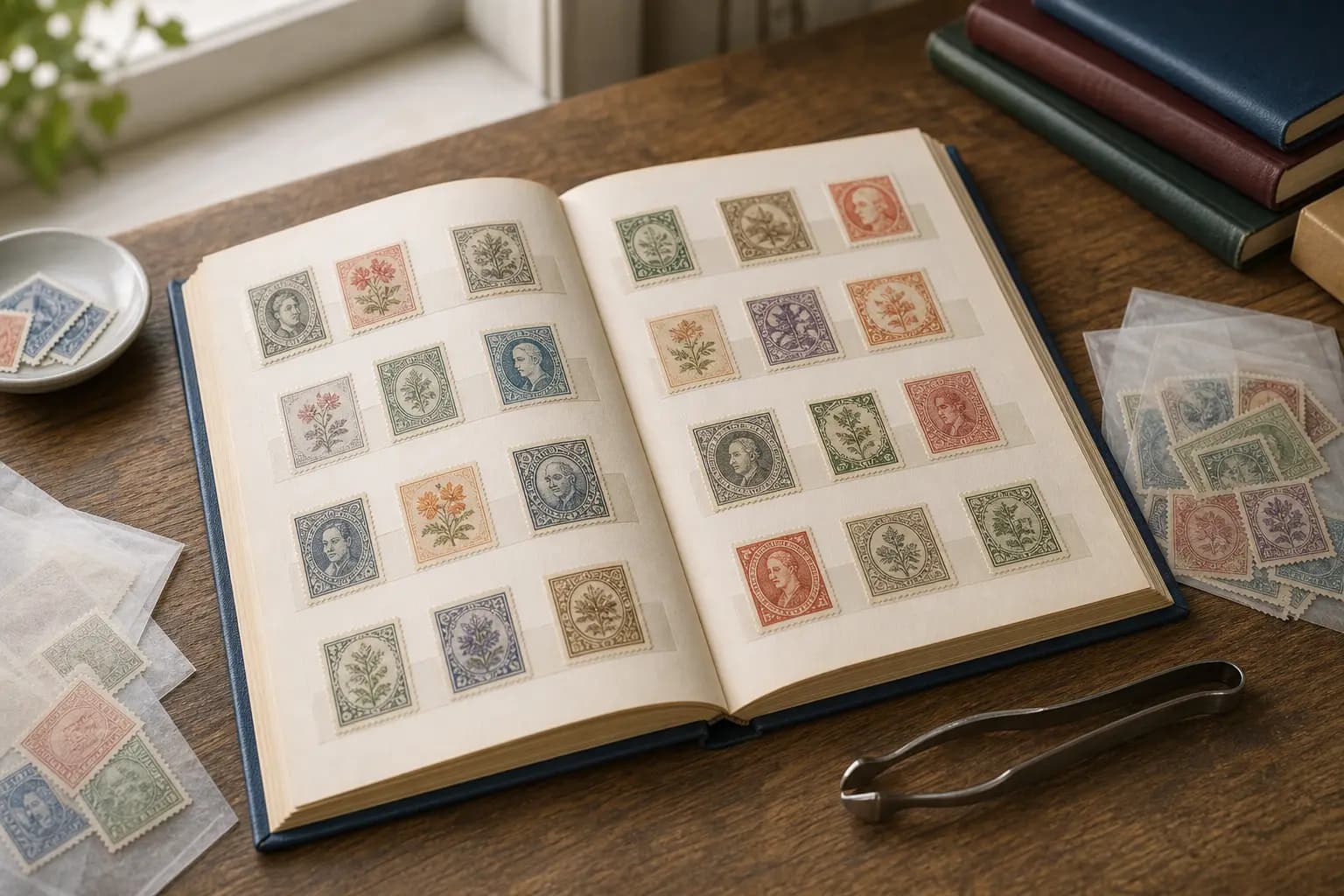
This allows you to use inexpensive stamp hinges to mount your stamps directly onto album pages, which is a highly cost-effective alternative to purchasing specialized protective mounts. Additionally, the cancellations and postmarks on used stamps often provide unique historical interest, giving you a window into the postal history of the era without adding to your expenses.
Selecting Inexpensive and Creative Collecting Areas
When deciding what to collect, narrowing your focus can help keep your hobby affordable. While trying to collect every worldwide stamp ever issued is unrealistic for most budgets, specializing in a single country or a specific topic is highly manageable. For a few countries, obtaining every stamp ever issued is entirely possible without spending a fortune. Alternatively, topical collecting is an increasingly popular and relatively inexpensive method that allows you to customize your collection.
You can choose affordable themes such as animals, birds, flowers, ships, space, scouts, Disney, or sports. Some collectors even build creative exhibits around highly unusual topics like rainbows or outhouses, demonstrating that personal enjoyment is far more important than the market value of the material.
Essential and Affordable Tools for Beginners
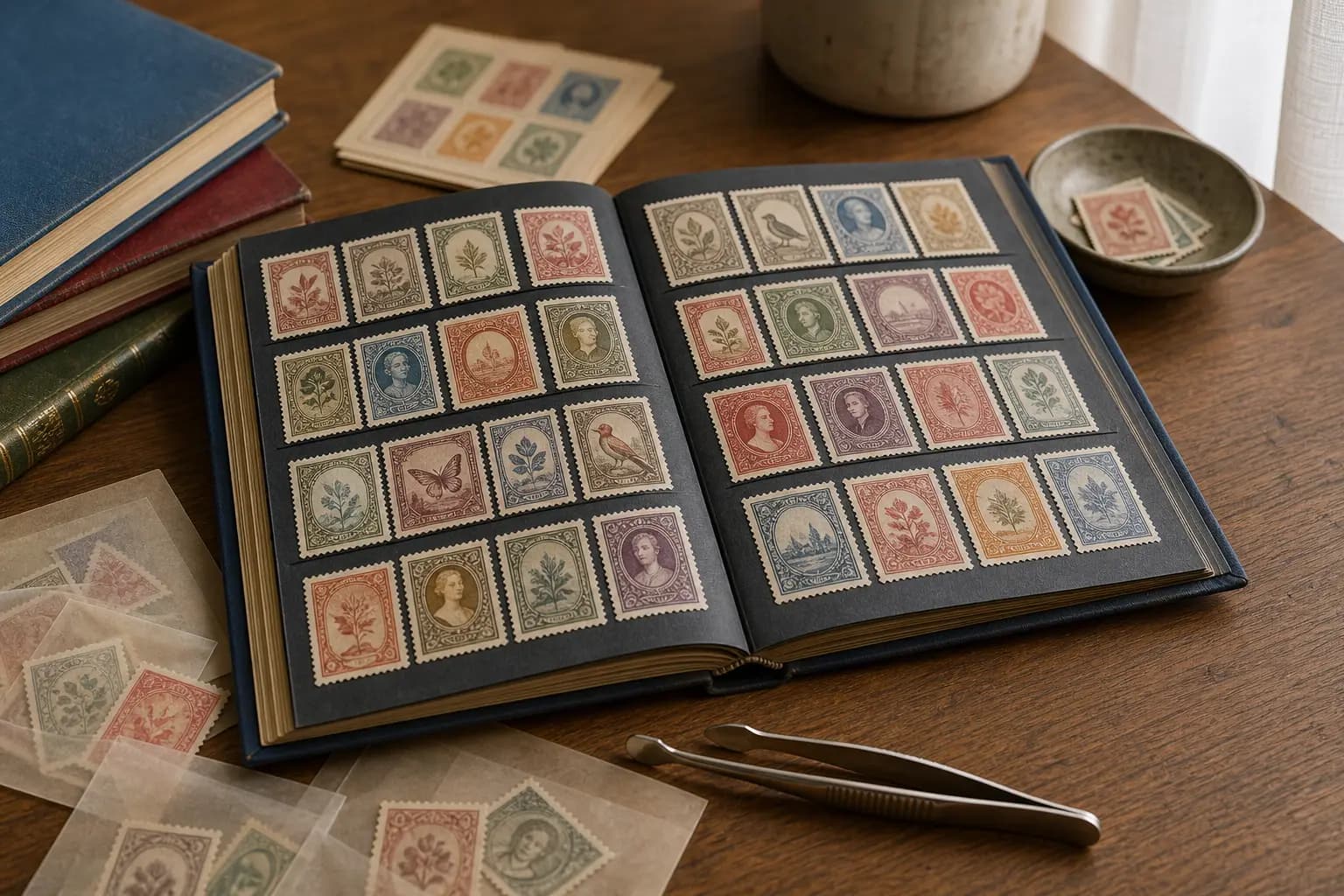
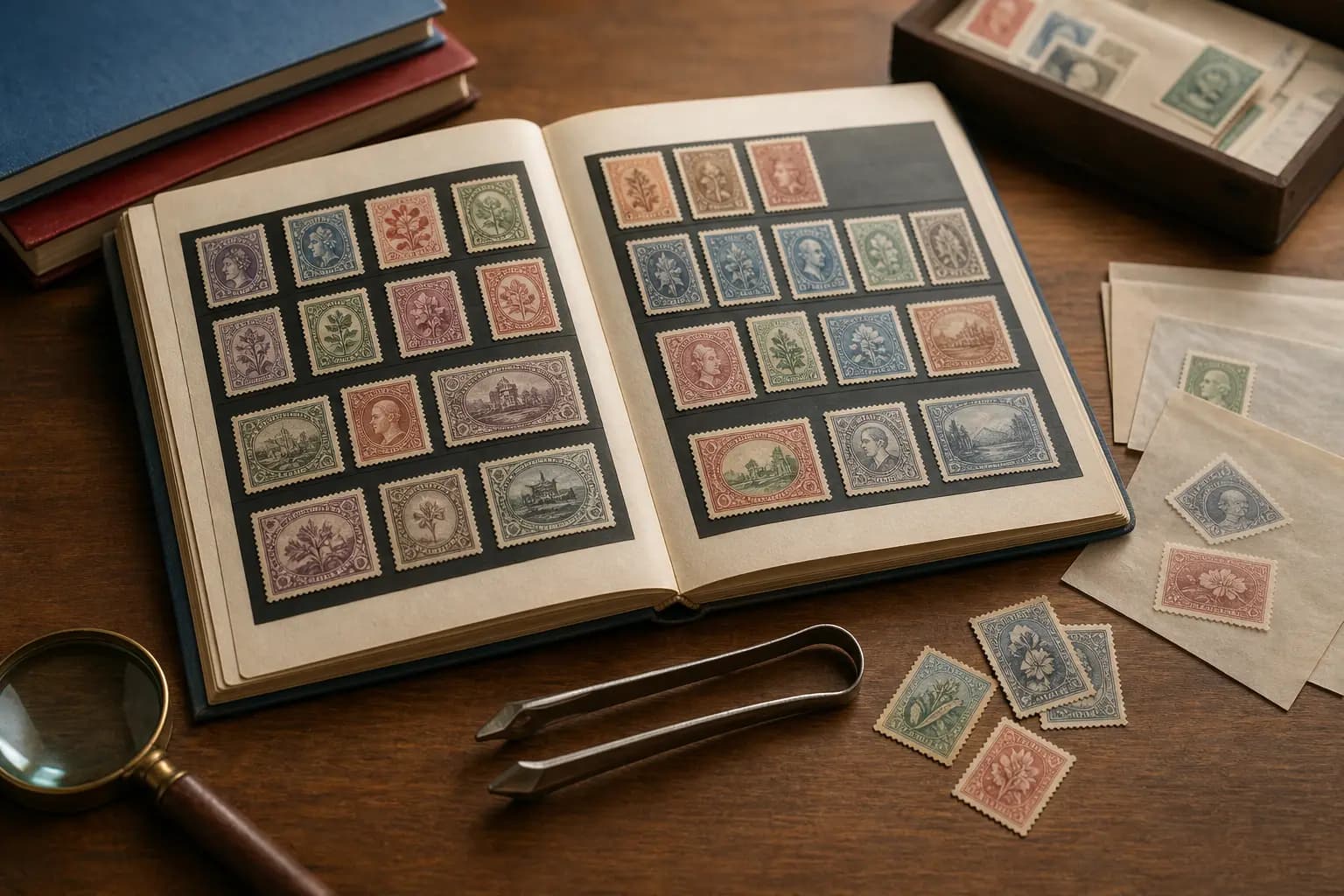
Starting your philatelic journey does not require purchasing expensive equipment. The Smithsonian National Postal Museum identifies a simple pair of stamp tongs, an album, and a general reference book as sufficient starting tools for a new collector. Tongs are absolutely essential because they feature smooth ends designed for picking up loose stamps without direct finger contact, protecting fragile paper from skin oils.
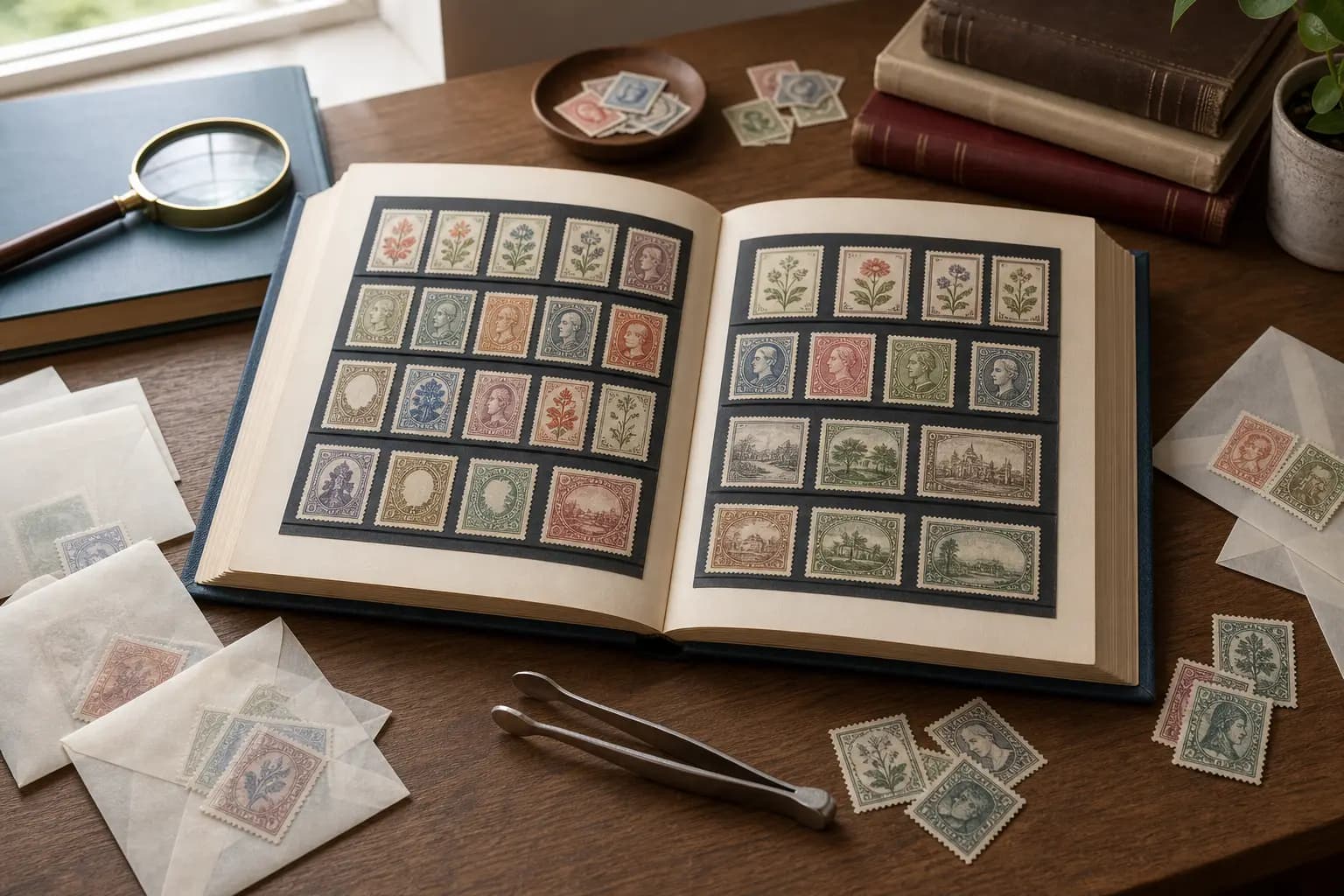
A basic magnifying glass is also highly useful for revealing small design details, while an inexpensive perforation gauge can help you distinguish look-alike issues by measuring their perforations. These simple, low-cost tools are all you need to handle and study your stamps safely.
Methodical Identification and Record Keeping
As you acquire new stamps, identifying them accurately is a key part of the fun. While you can use specialist aids like watermark detectors, color guides, and catalogs to research your stamps, you should always compare your physical observations with reliable references rather than treating visual assessments as conclusive on their own.
To help organize your budget-friendly acquisitions, you can use the StampSnap app to establish a likely identification and maintain a clean digital inventory of your stamps. This methodical approach ensures you keep track of your collection as it grows, helping you avoid purchasing duplicate items and keeping your hobby organized and cost-effective.
Exploring Low-Cost Philatelic Ephemera
Beyond traditional postage stamps, you can expand your collection by exploring alternative postal materials that are often highly affordable. Many collectors enjoy accumulating covers, which are envelopes that actually carried mail through the postal system. You can also look for special postmarks, markings, labels, postage meters, Christmas Seals, revenue stamps, and other historical ephemera.
These items offer a fascinating look at the carriage of the mails and the payment of postage without requiring a large financial commitment. Ultimately, the true value of your stamp collection is measured by your personal relaxation and enjoyment rather than the monetary worth of the items.
Frequently asked questions
Do I need to spend a lot of money to start stamp collecting?
No. Stamp collecting does not require great wealth or special skills. You can start with basic, affordable tools like a pair of stamp tongs, a simple album, and a general reference book, and focus on inexpensive areas like used stamps or topical collections.
Why are used stamps generally more affordable than mint stamps?
Most stamps cost less used than mint because they have already served their purpose of carrying the mail. Additionally, used stamps do not require you to preserve the original gum, allowing you to mount them using inexpensive stamp hinges rather than costly specialized mounts.
What are the basic tools recommended for a beginner stamp collector?
The Smithsonian National Postal Museum recommends a simple pair of stamp tongs with smooth ends, an album, and a general reference book as sufficient starting tools. You can also use a magnifying glass to see design details and a perforation gauge to measure perforations.