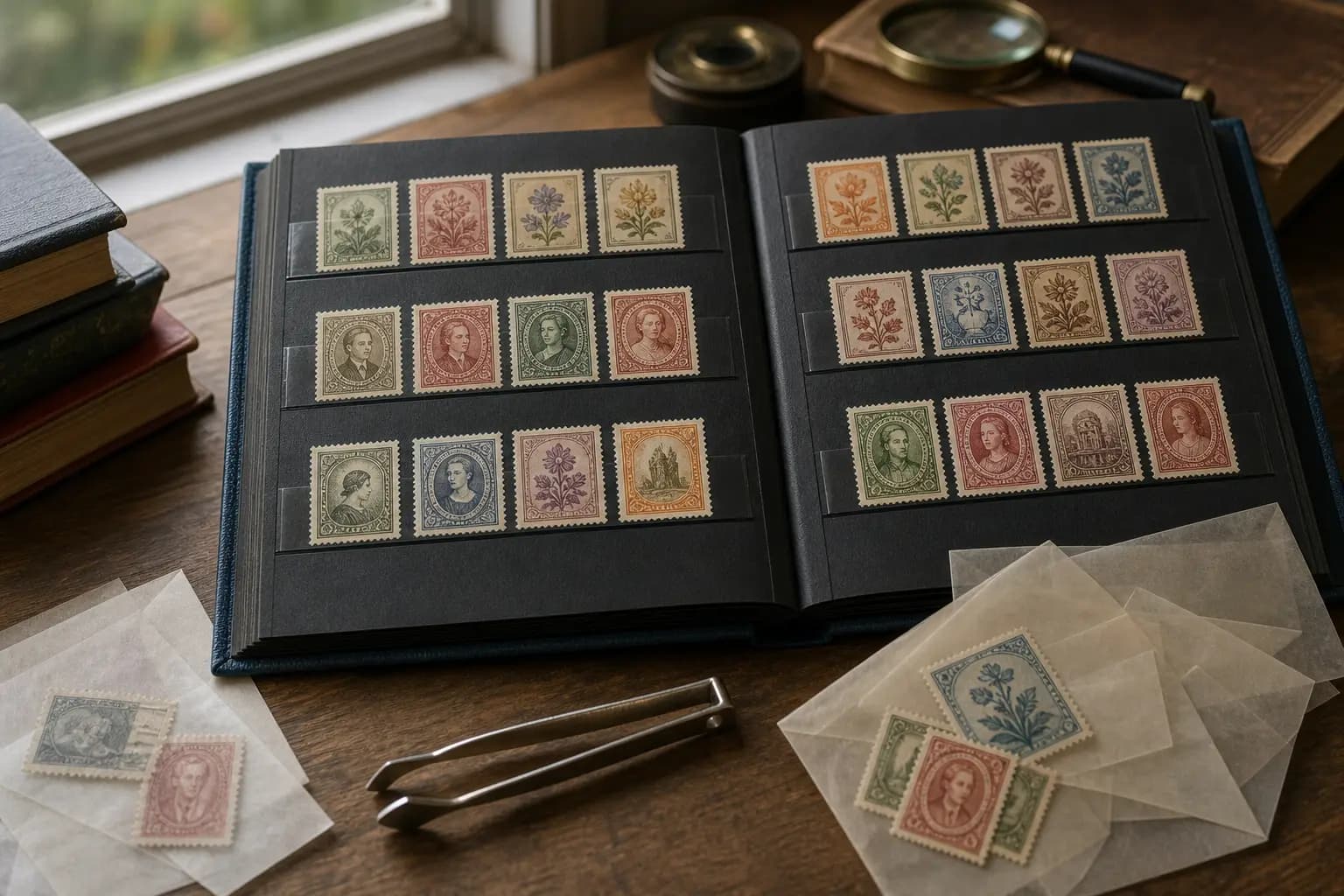
Why Choosing a Collecting Focus Matters
Stamp collecting is a flexible hobby that welcomes all ages and interests. While some collectors enjoy gathering stamps from every country, others prefer a more specialized approach. Choosing a collecting focus helps you organize your collection, set realistic goals, and enjoy the process without feeling overwhelmed.
A collecting focus can make your hobby more manageable and meaningful. It allows you to deepen your knowledge in areas that interest you most, whether that's a particular country, a favorite topic, or a unique stamp type. The important thing is that your collection reflects your personal enjoyment, not external expectations.
Worldwide Collecting: Pros and Cons
Many beginners start by collecting stamps from all over the world. This approach offers a vast variety, as countries issue thousands of stamps each year. Worldwide collecting lets you explore global history, art, and culture through stamps.
However, attempting to collect every stamp ever issued is unrealistic for most people, due to the sheer volume, cost, and space required. Over time, most collectors narrow their focus to avoid feeling overwhelmed and to make their collections more meaningful.
Country-Based Collections: A Traditional Approach
Specializing in stamps from a single country is a classic method. Many collectors choose their home country, a place they visited, or a nation with visually appealing stamps. For some countries, obtaining a complete collection is possible without a large investment.
For most countries, however, certain rare or expensive stamps may be out of reach. To address this, collectors often limit their collections to specific periods, such as stamps issued since their birth, or focus on affordable issues. This approach helps you build a coherent collection and learn about postal history in depth.
Topical Collecting: Exploring Themes and Interests
Topical collecting is increasingly popular and allows you to build a collection around a theme, such as animals, ships, sports, or even unusual subjects like rainbows. This method gives you the freedom to customize your collection and explore stamps from many countries.
Topical collections can include postmarks, first day covers, and postal stationery related to your chosen theme. Most topical stamps are relatively inexpensive, and the variety available means you can always find new additions. The process is highly creative and personal, making it appealing for collectors of all ages.
Collecting by Stamp Type and Other Traits
Some collectors focus on specific stamp types, such as airmail, coil, or special delivery stamps. This approach appeals to those interested in the technical aspects of postal services. Others may collect stamps based on shape, color, or unique features, such as cancellations or issue dates.
Being creative with your focus can make collecting even more enjoyable. For example, you might collect only yellow stamps, stamps issued on your birthday, or stamps with particular cancellation numbers. The key is to build a collection that reflects your interests and brings you satisfaction.
Safe Handling and Essential Tools for Beginners
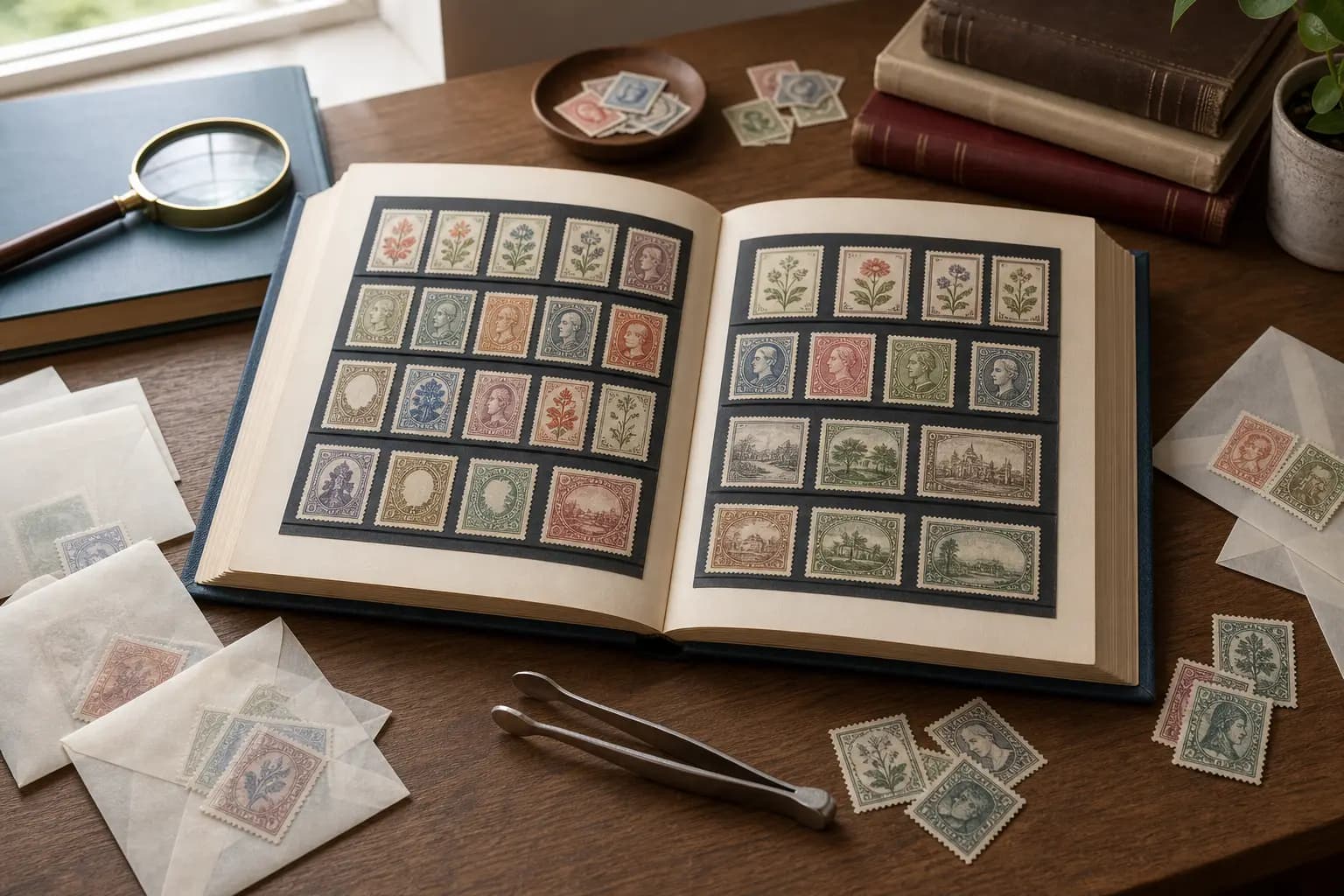
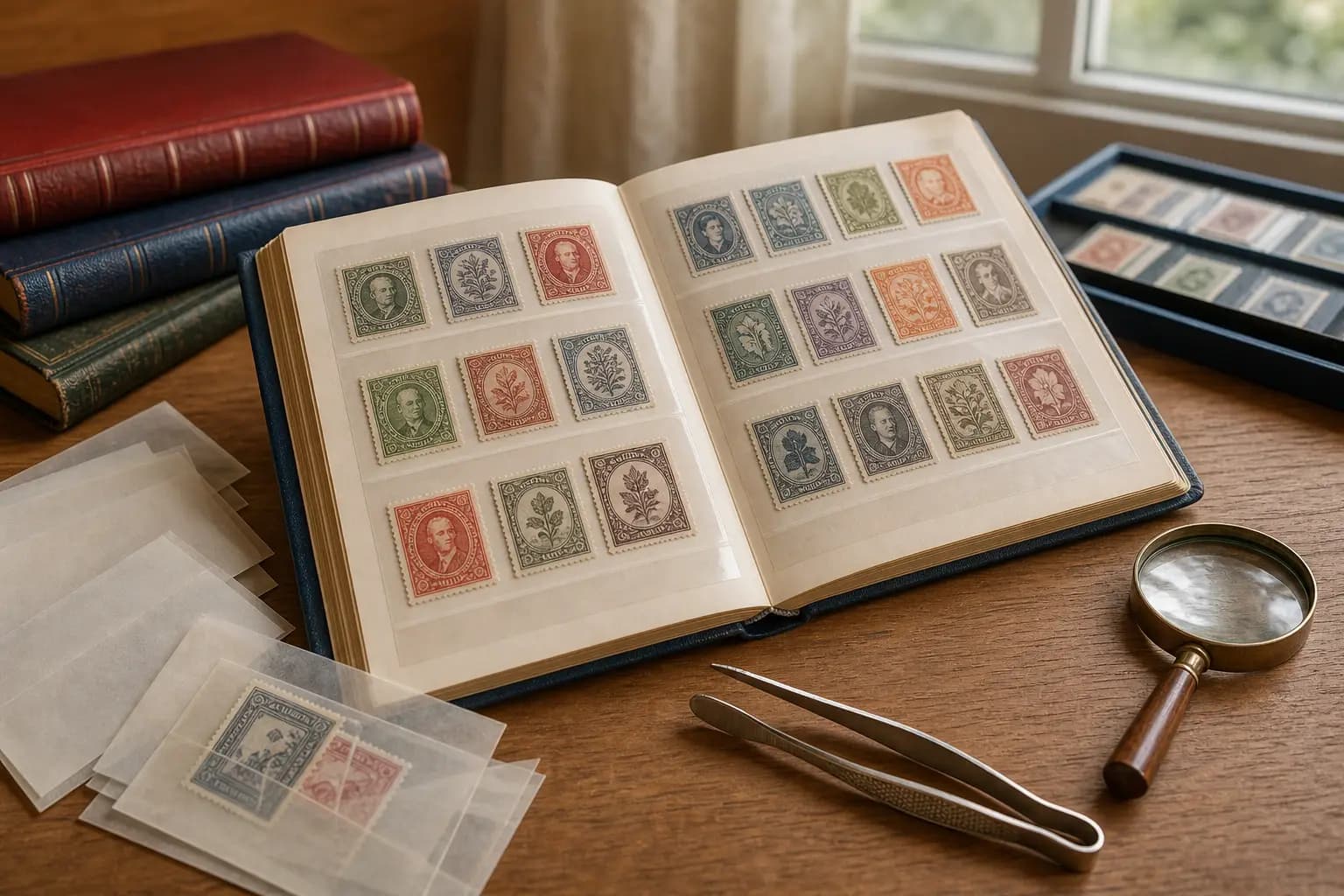
Proper handling and storage are vital for preserving your collection. The Smithsonian National Postal Museum recommends starting with a simple pair of stamp tongs, an album, and a general reference book. Tongs allow you to pick up stamps without touching them directly, reducing the risk of damage.
A magnifying glass can help you examine small design details, while a perforation gauge is useful for distinguishing similar stamps. Specialist tools like watermark detectors and color guides are available as you gain experience. Always compare your observations with reliable references, as visual identification alone may not be conclusive.
Avoid using household adhesives, solvents, or tape, and do not remove stamps from covers unless you have appropriate tools and knowledge. Safe handling ensures your collection remains in good condition for years to come.
Organizing and Recording Your Collection
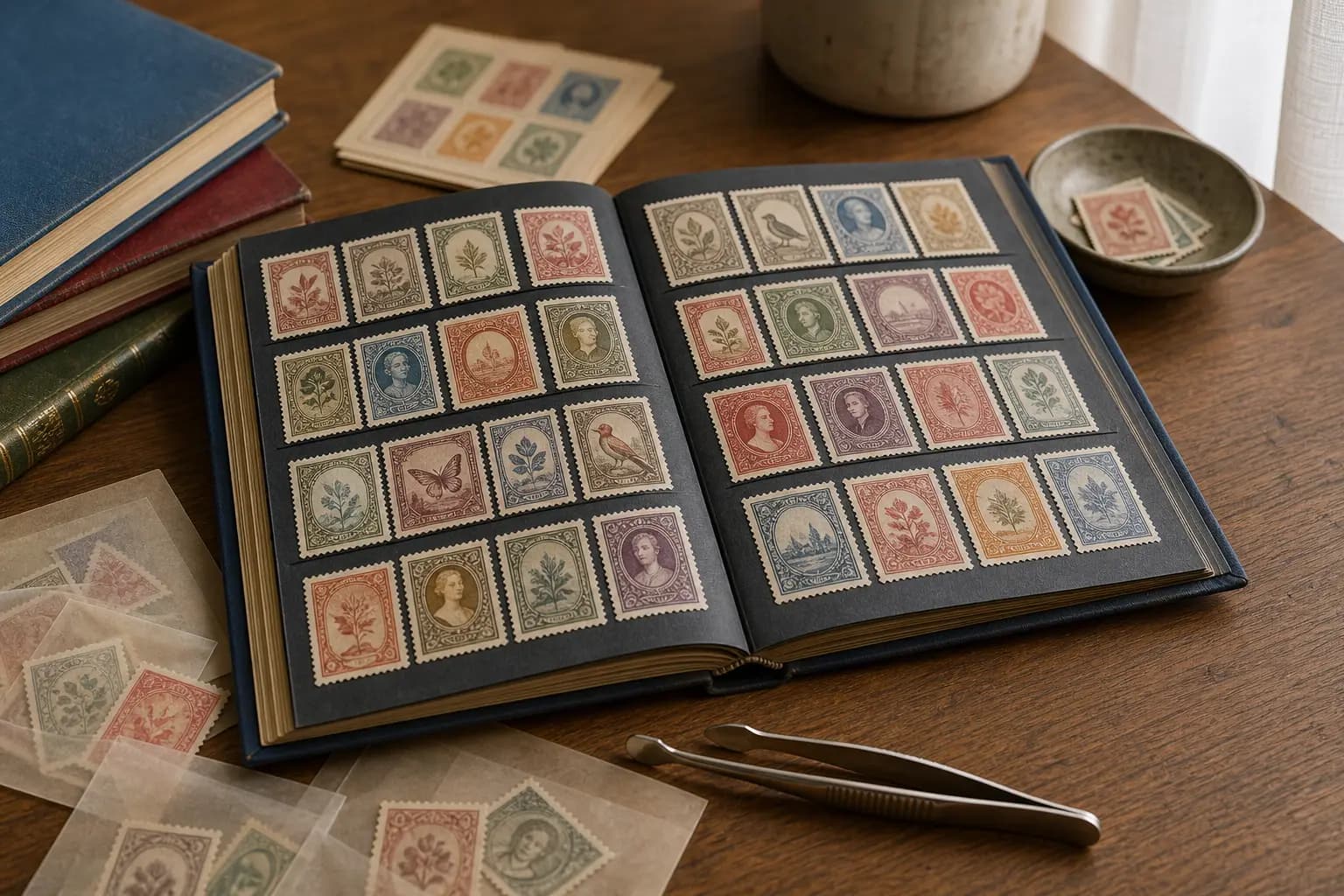
Once you have chosen your collecting focus, organizing your stamps becomes easier. Albums and stock books are popular for storing and displaying stamps. You can sort by country, topic, issue date, or any system that suits your focus.
Apps like StampSnap can help you create digital records and likely identifications for your stamps. However, always verify details with trusted references and catalogs. Accurate record-keeping supports your collecting goals and helps you track your progress.
Enjoyment and Community in Stamp Collecting
Stamp collecting is a hobby for everyone, offering relaxation, learning, and the chance to connect with others. Whether you collect for enjoyment or as an investment, the value lies in the experience and knowledge gained.
Joining a club or society can provide support, resources, and opportunities to share your collection. The American Philatelic Society welcomes collectors worldwide and offers programs to help you deepen your involvement. Remember, your collection is unique to you, and the best focus is the one that brings you the most enjoyment.
Frequently asked questions
How do I decide what stamps to collect?
Choose stamps based on your interests, such as worldwide issues, a single country, a theme, or stamp type. There is no right or wrong way—personal enjoyment is most important.
Is it realistic to collect every stamp ever issued?
Collecting every stamp is unrealistic for most people due to the volume, cost, and space required. Most collectors eventually narrow their focus to a manageable area.
What tools do I need to start stamp collecting safely?
Begin with stamp tongs, an album, and a reference book. A magnifying glass and perforation gauge are useful for examining stamps. Avoid handling stamps directly or using household adhesives.
Can I use digital tools to organize my collection?
Yes, apps like StampSnap can help you create digital records and likely identifications. Always verify details with trusted references and catalogs for accuracy.
Does my collection need to follow any rules?
No, your collection can be organized in any way you choose. The most important factor is your personal enjoyment and satisfaction.