Why Some Stamps Lack a Country Name
Collectors occasionally encounter postage stamps that do not display a country name. This can be confusing, especially for beginners. However, there is a clear reason for this: Great Britain is the only country permitted to issue stamps without its name. This tradition dates back to 1840, when Great Britain released the world's first postage stamp, known as the Penny Black. Since then, British stamps have typically featured an image of the ruling monarch instead of a country name.
Other countries are required to include their name on postage stamps, but the name may be written in a language or script unfamiliar to the collector. Understanding these exceptions and conventions is the first step in identifying the origin of a nameless stamp.
Recognizing British Stamps by Monarch Portraits
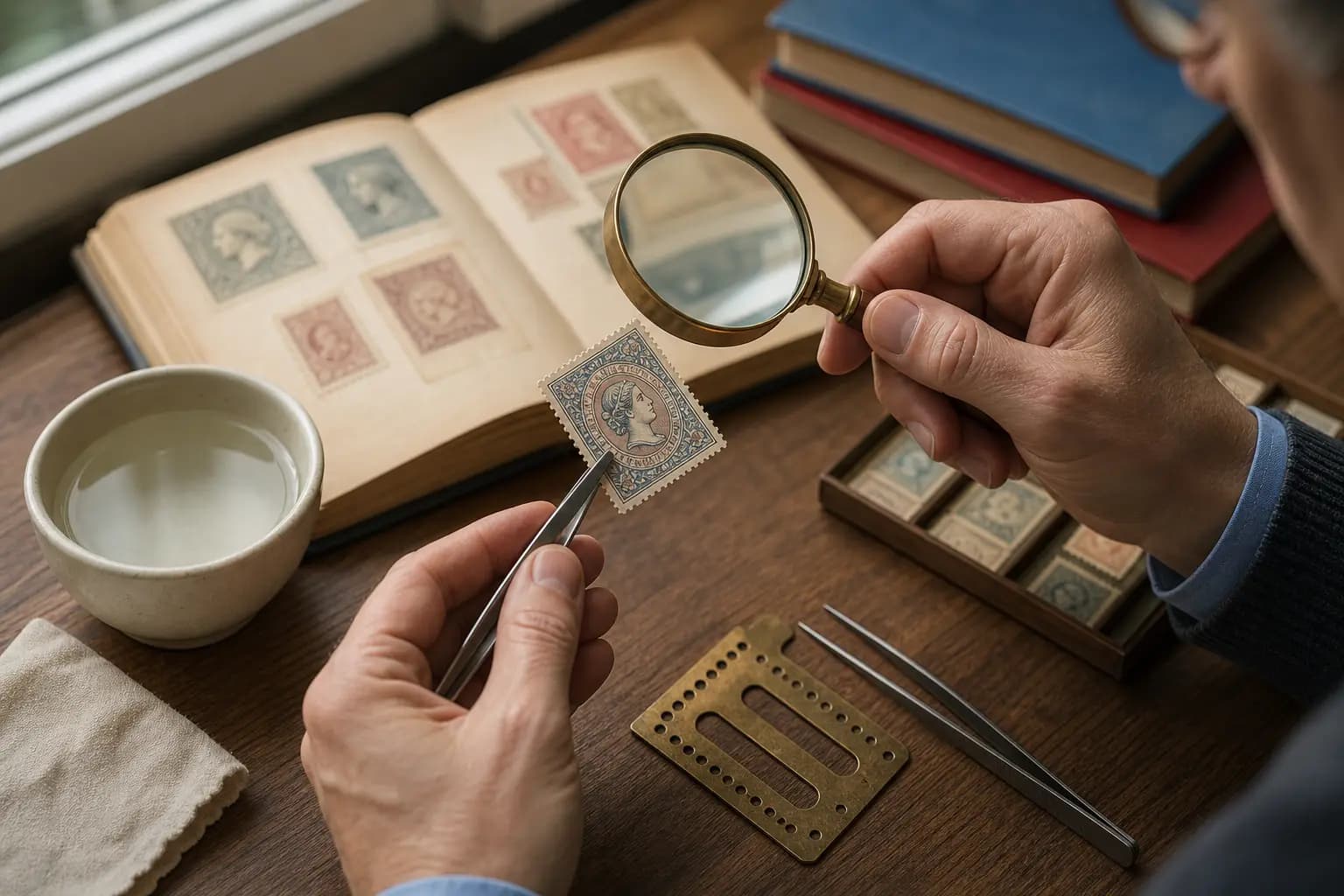
If your stamp lacks a country name, look for a portrait of the reigning monarch, often placed in the upper right corner. This is a distinctive feature of British stamps. For example, stamps from the Victorian era show Queen Victoria, while more recent issues depict Queen Elizabeth II or King Charles III.
British stamps may also include unique symbols or design elements associated with the monarchy. If you see a monarch’s portrait and no country name, it is highly likely that the stamp originates from Great Britain. However, always compare with catalog illustrations to confirm, as commemorative and special issues may vary in design.
Deciphering Foreign Languages and Scripts
Many stamps from other countries display their name in a language or script you may not recognize. For instance, Cyrillic, Arabic, or Chinese characters can make identification challenging. If you suspect a stamp is from a non-English-speaking country, examine the text closely and compare it to known alphabets or use a reference guide.
Online resources, such as the country identifier provided by the International Society of Worldwide Stamp Collectors, can help match unfamiliar scripts to their country of origin. Stamp catalogs are also valuable tools, offering illustrations and descriptions that can assist in identification.
Using Catalogs and Reference Tools
Stamp catalogs are essential for identifying stamps, especially those without a clear country name. These reference books contain illustrations, issue dates, and descriptions for stamps from around the world. By matching your stamp’s design, text, or symbols to catalog entries, you can often determine its origin.
Many libraries lend stamp catalogs, and some online databases offer searchable images. When using a catalog, pay attention to details such as color, perforation, and watermark, as these can distinguish similar issues from different countries or periods.
Safe Handling and Inspection Techniques
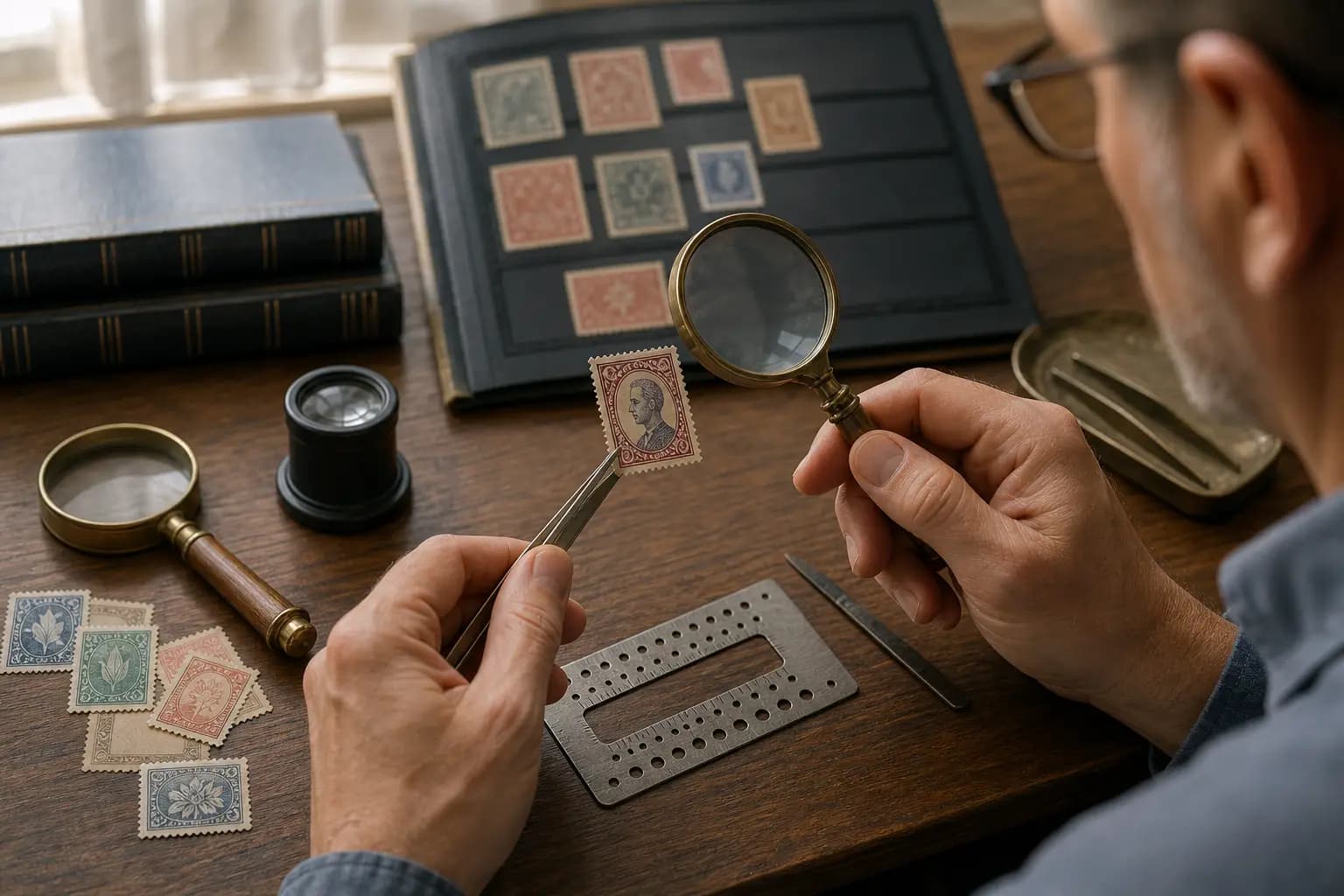
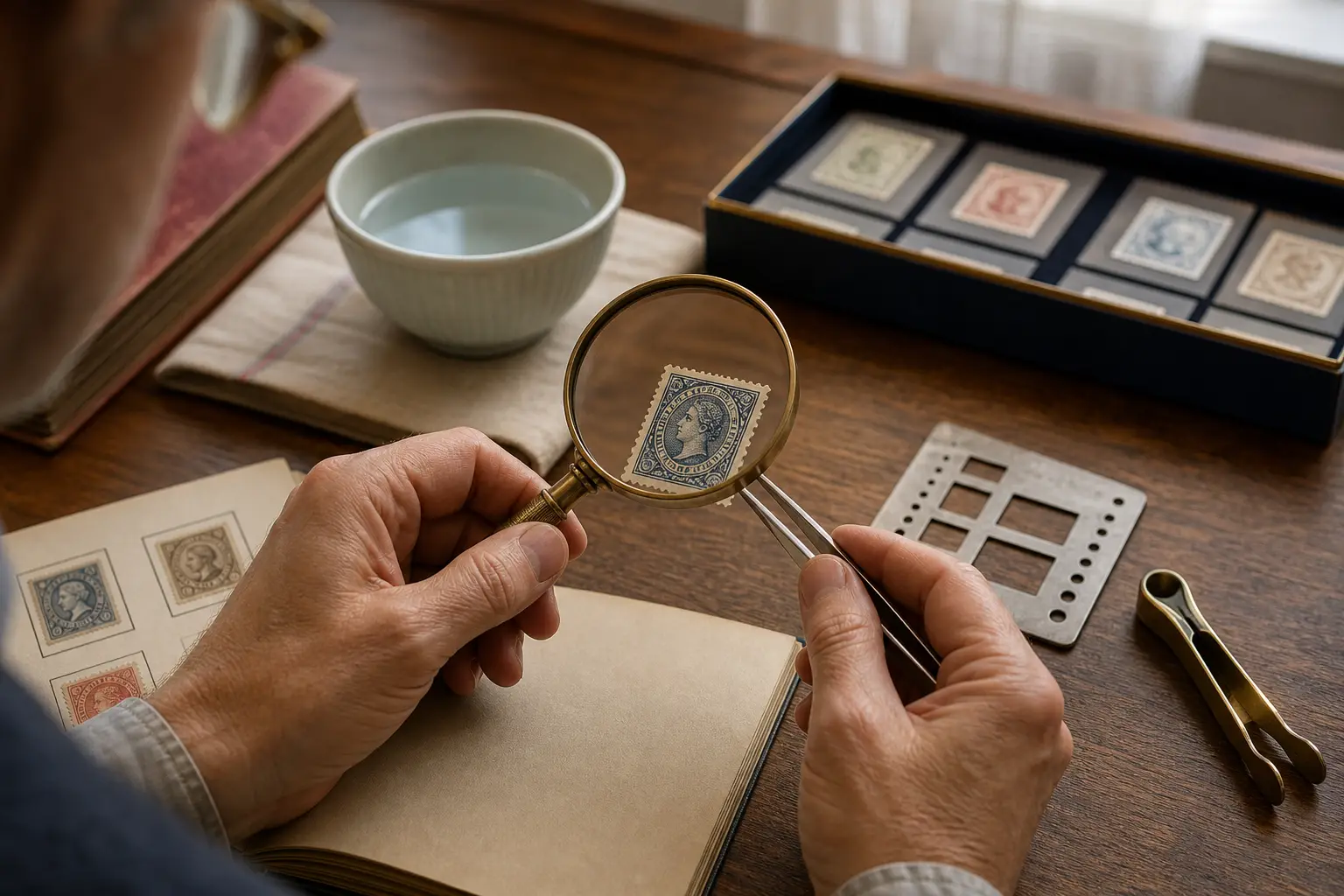
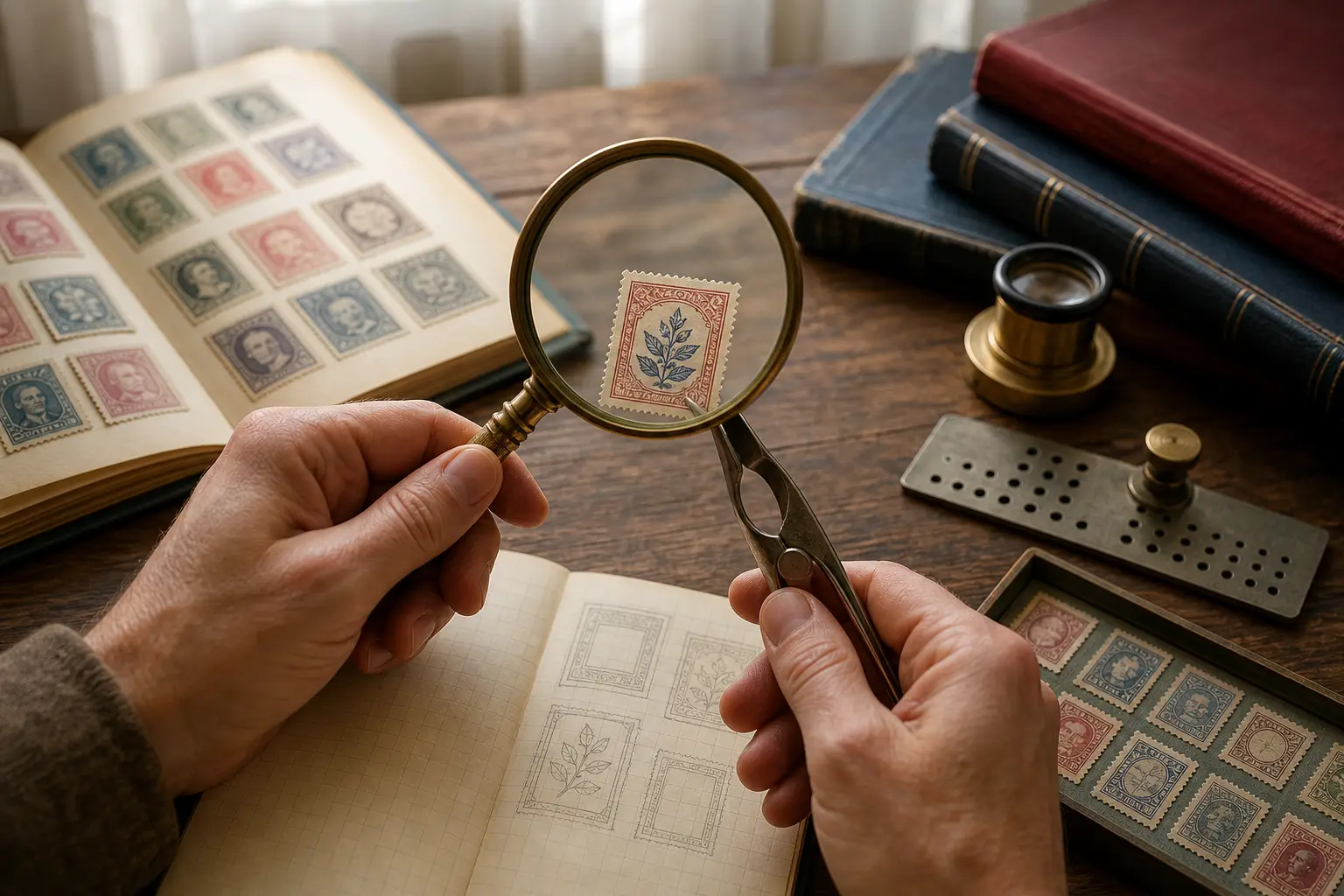
When inspecting stamps for identification, handle them carefully to avoid damage. Stamp tongs are recommended, as they prevent oils from your fingers from harming the stamp’s surface. A magnifying glass, ideally with 5x to 10x magnification, can help you examine fine details such as portraits, text, and watermarks.
Avoid using tape, glue, or household solvents on stamps. If a stamp is attached to an envelope or cover, do not attempt to remove it unless you are certain it can be safely soaked. Some modern self-adhesive stamps cannot be removed with water and require specialized methods. Always prioritize preservation over removal.
Recording and Organizing Your Findings
Once you have identified the likely country of origin, record your findings in a notebook, spreadsheet, or digital app like StampSnap. Creating a record helps track your collection and supports further research. Include details such as the suspected country, catalog reference, and any distinguishing features.
Organize stamps in albums or stock books with acid-free pages. Use hinges or mounts designed for philately, never tape or glue. Proper storage protects your stamps and preserves their condition for future study or enjoyment.
Dealing with Uncertainty and Seeking Expert Help
If you are unsure about a stamp’s origin after using catalogs and reference tools, it is wise to seek expert advice. Local stamp clubs, societies, or online forums can provide guidance. The American Philatelic Society offers support and resources for collectors worldwide.
Remember, visual identification is not always conclusive, especially for rare or unusual issues. Document your observations and consult multiple sources before making a final determination. StampSnap can help you create a record, but always verify with authoritative references.
Frequently asked questions
Why do some stamps not have a country name?
Great Britain is the only country allowed to issue stamps without a country name, using a monarch's portrait instead. Other countries must include their name, though it may appear in an unfamiliar language or script.
How can I identify a stamp with no country name?
Look for clues such as a monarch's portrait, language, or symbols. Use stamp catalogs and online country identifiers to match design elements and text to their origin.
What tools are useful for identifying stamp origin?
A magnifying glass, stamp tongs, and stamp catalogs are essential. Catalogs provide illustrations and descriptions that help match stamps to their country of origin.
Is it safe to remove a stamp from an envelope for identification?
Do not remove stamps from covers unless you are certain it can be done safely. Some stamps, especially modern self-adhesives, cannot be soaked off and require specialized methods.
Where can I get expert help if I am unsure about a stamp's origin?
Local stamp clubs, societies, and organizations like the American Philatelic Society offer expert advice and resources. Online forums and reference guides are also helpful.