Why Similar Stamp Designs Matter for Value
Many postage stamps feature designs that are nearly identical, yet their values can differ dramatically. These subtle variations—such as inscriptions, watermarks, or commemorative markings—often result in separate catalog numbers and distinct market values. Accurately identifying these differences is essential for collectors seeking to estimate a stamp’s value or build a reliable collection record.
Mistaking one stamp for another can lead to incorrect cataloging and valuation. For example, stamps from North Borneo and Liechtenstein have nearly identical designs but differ in inscriptions or date markings, which significantly affect their catalog status and value. Careful attention to detail is required to avoid costly errors.
Key Features to Examine: Inscriptions and Dates
The first step in distinguishing similar stamps is to closely examine inscriptions and dates printed on the stamp. These elements may be subtle but are often the primary factor separating two nearly identical issues. For instance, North Borneo’s 1886 and 1887 half-cent rose stamps look alike, but the 1886 version reads 'POSTAGE' while the 1887 version reads 'POSTAGE & REVENUE' on a scroll that reaches the edge of the design.
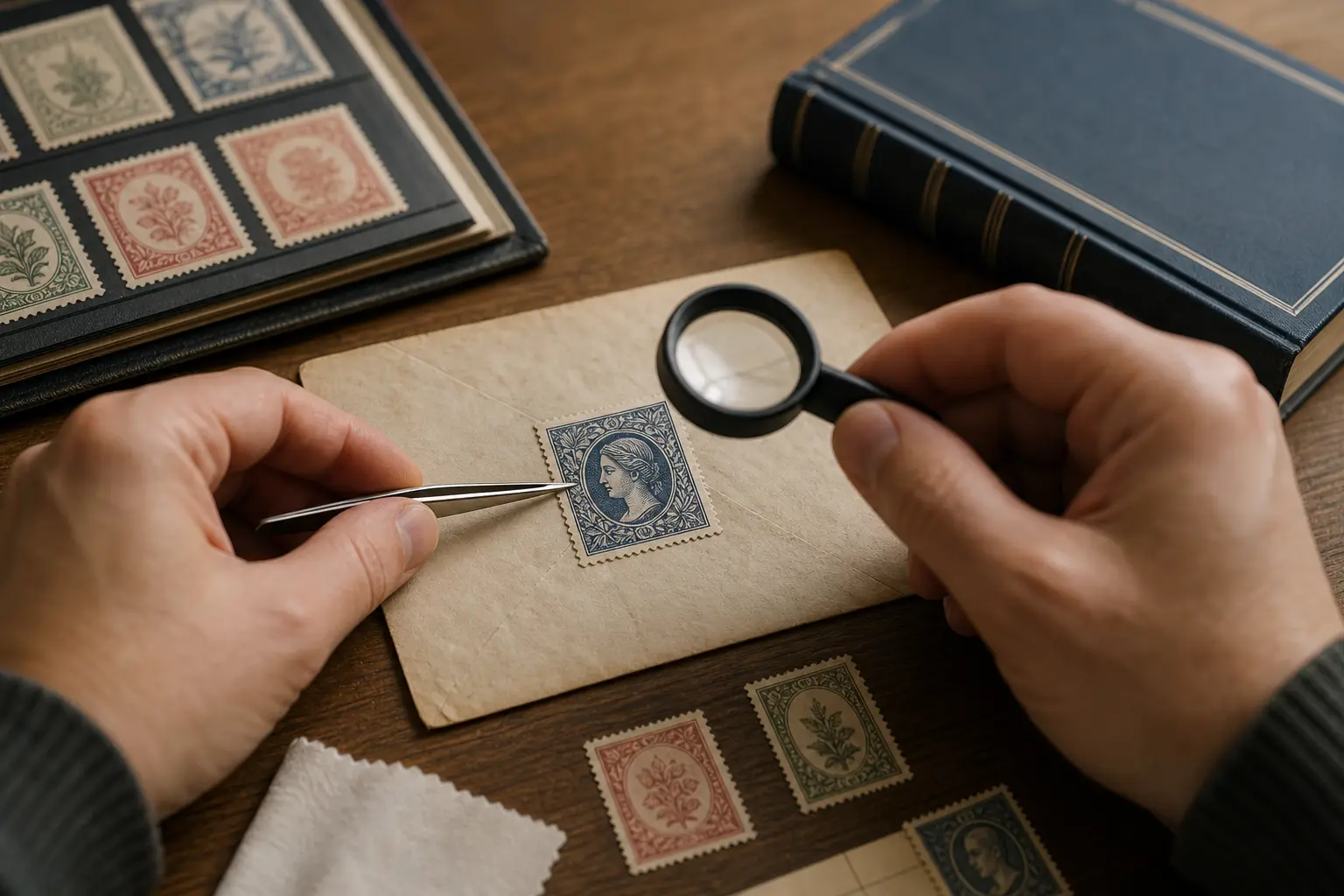
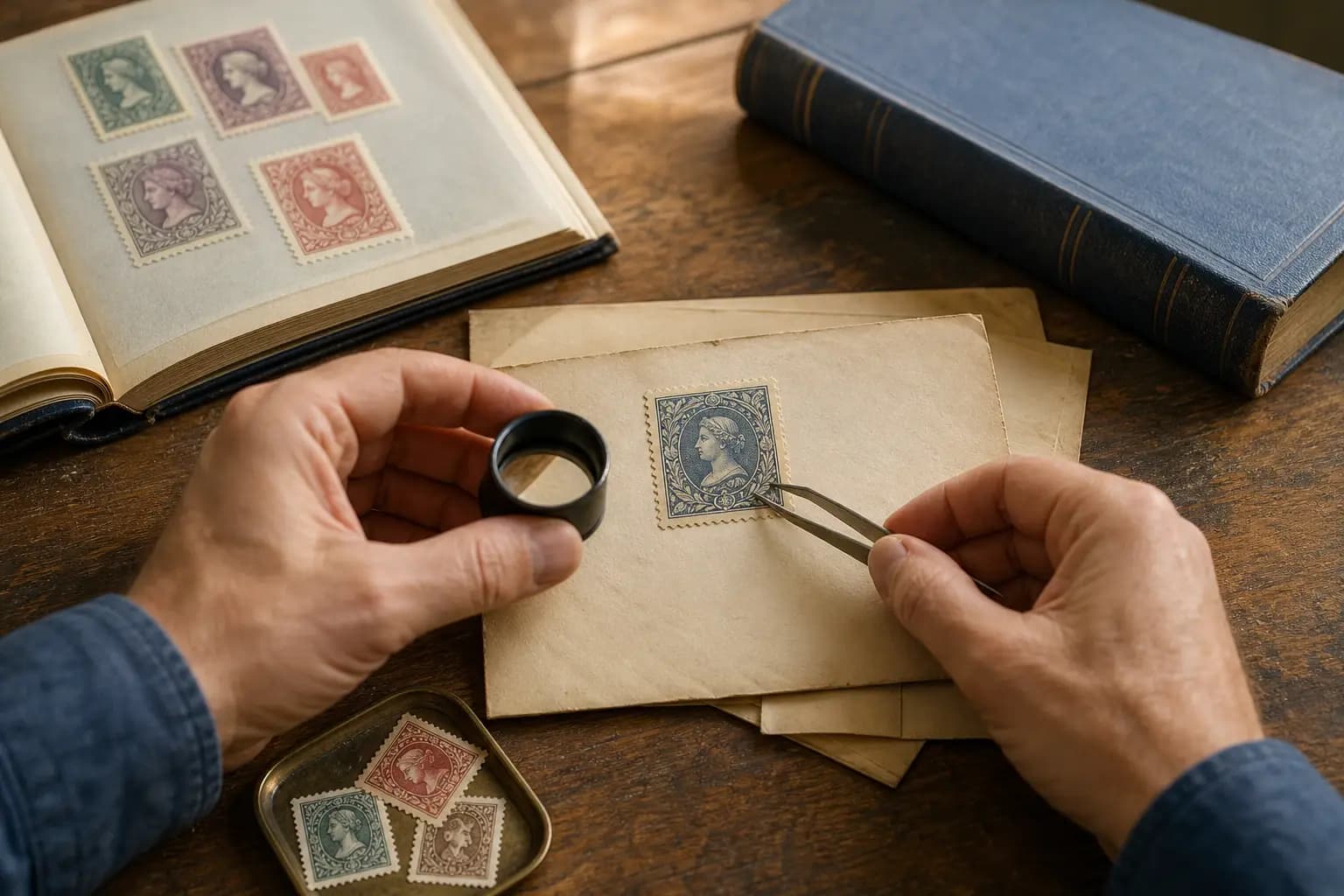
Similarly, Liechtenstein’s early stamps show the profile of Prince Johann II. The 1917–18 definitive stamp and the 1918 commemorative issue are differentiated by the presence of year-dates in the upper corners. These details are sometimes hard to spot, so using a magnifying glass and good lighting is recommended. Always compare your stamp to catalog images and notes to confirm the exact type.
Watermarks: A Hidden Key to Accurate Valuation
Watermarks are a security feature embedded in stamp paper and can be the sole difference between a common and a rare stamp. Many stamps exist both with and without watermarks, or with different watermark designs, each receiving a unique catalog number. For example, U.S. stamps from 1895–1916 are distinguished by double-line or single-line 'USPS' watermarks, which can be difficult to see with the naked eye.
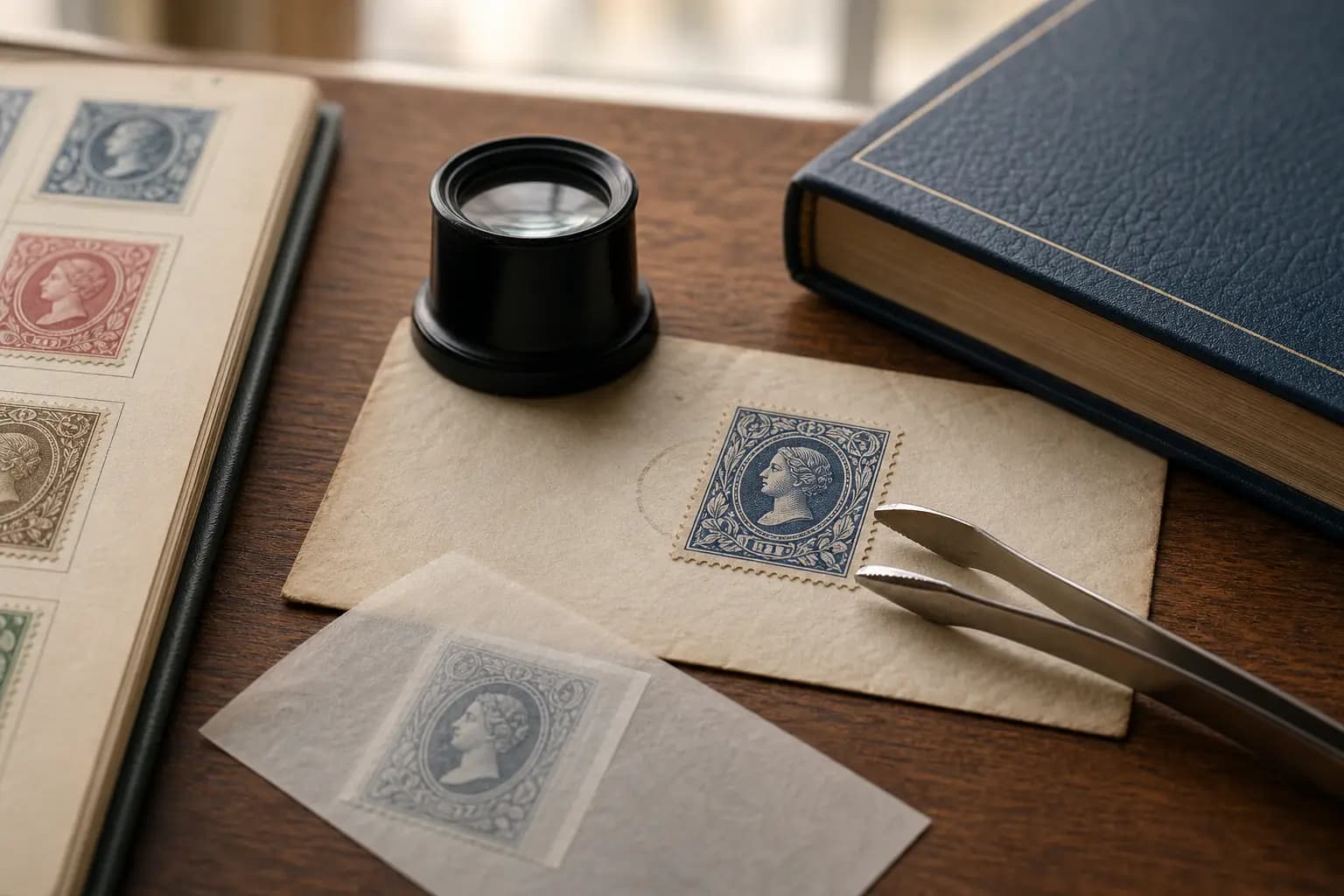
To safely detect watermarks, lay the stamp face down in a dark tray and use commercial watermark fluid. This method reveals the watermark without damaging the stamp’s gum. Avoid household solvents, as they may harm the stamp or pose health risks. Specialized equipment like the Safe Signoscope or Morley Bright Watermark Detector can also assist, but watermark fluid remains the preferred method for most collectors.
Safe Handling and Inspection Techniques
Proper handling is crucial when inspecting valuable or delicate stamps. Always use stamp tongs to avoid fingerprints, creases, or accidental tears. Place the stamp on a clean, flat surface with good lighting. When examining inscriptions, dates, or watermarks, avoid bending or flexing the stamp, as this can cause damage.
If you need to use watermark fluid, follow manufacturer instructions and ensure the stamp is completely dry before returning it to storage. Never use tape, glue, or household solvents on stamps, and avoid removing stamps from covers unless you are certain it will not affect their value or historical significance.
Cataloging Your Findings for Accurate Valuation
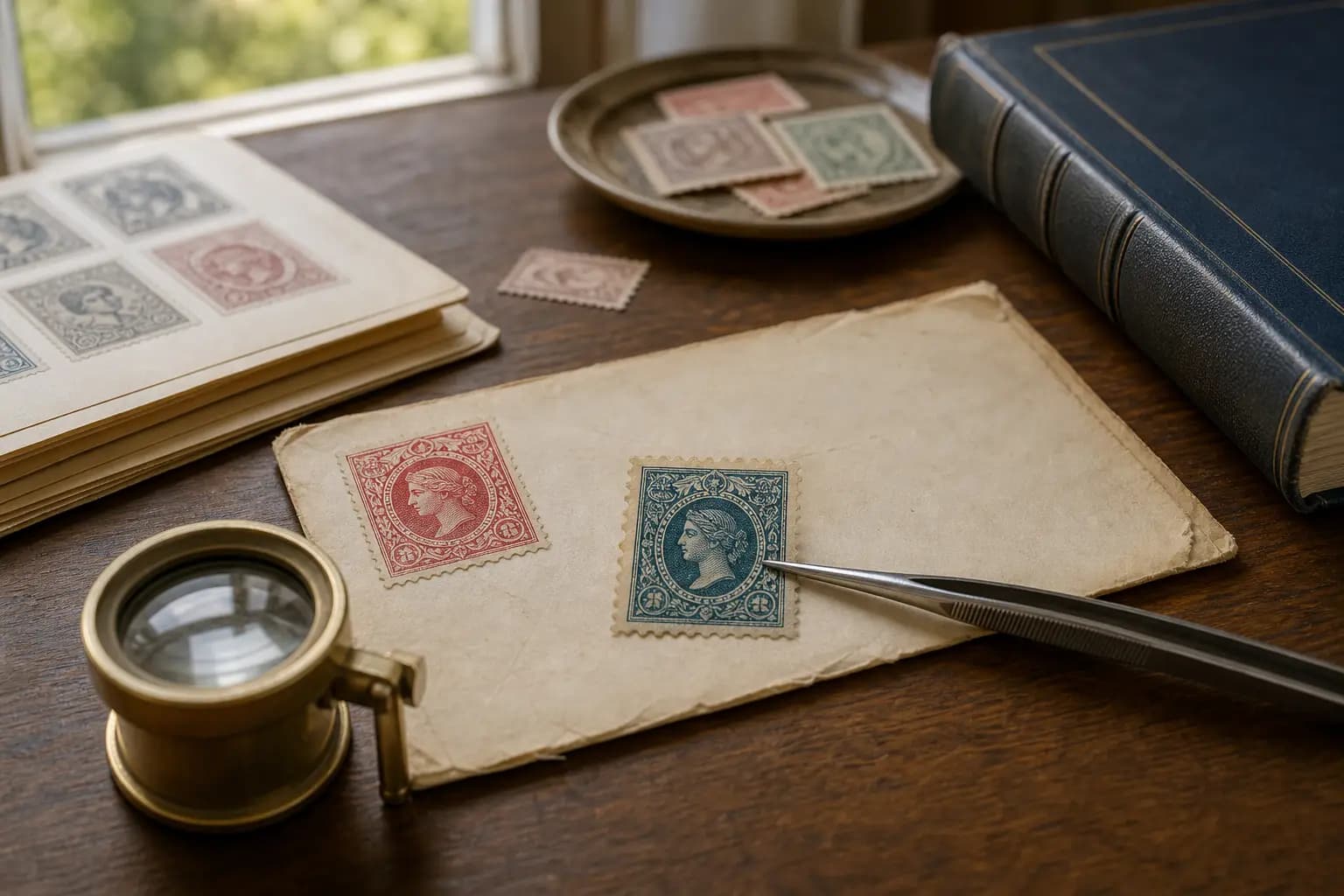
Once you’ve identified the subtle differences between similar stamps, consult a reputable worldwide stamp catalog to determine the correct catalog number. Catalogs list stamps by country, design, inscription, watermark, and other distinguishing features. Accurate cataloging is essential for estimating value and organizing your collection.
StampSnap can help you create a digital record of your stamp, including images and notes about distinguishing features. However, catalog identification and value estimation should always be verified against trusted catalog references and, if needed, expert advice.
Understanding Uncertainty in Visual Identification
Some differences, such as watermarks or faint inscriptions, may be difficult to detect without specialized tools or experience. If you are unsure about a stamp’s identity, consult expert resources or reach out to a philatelic society for guidance. The American Philatelic Society offers support and educational materials to help collectors navigate these challenges.
Remember that visual identification is not always conclusive, especially for stamps with minor design variations or partial watermarks. When in doubt, document your observations and seek further advice before making any valuation decisions.
Building Confidence Through Attention to Detail
Developing a methodical approach to stamp identification takes time and practice. By consistently examining inscriptions, dates, watermarks, and catalog references, you will build confidence and accuracy in your valuations. Attention to detail is fundamental for collectors, as even small differences can have a major impact on value.
StampSnap can assist in organizing your collection and recording your findings, but always rely on careful examination and trusted catalog sources for final identification and value estimation. With patience and curiosity, you can master the art of distinguishing similar stamp designs.
Frequently asked questions
How can I tell if two stamps with similar designs have different values?
Examine inscriptions, dates, and watermarks closely. These features often distinguish nearly identical stamps and determine their catalog number and value.
What is the safest way to check for a watermark on a stamp?
Use commercial watermark fluid in a dark tray, following manufacturer instructions. Avoid household solvents, which can damage stamps or pose health risks.
Can StampSnap help identify similar stamps for valuation?
StampSnap can help create a digital record and assist with likely identification, but always verify catalog numbers and values with trusted references.
Why is accurate cataloging important for stamp value?
Cataloging ensures you have identified the correct stamp issue, which is essential for estimating value and organizing your collection reliably.
What should I do if I am unsure about a stamp’s identity?
Document your observations and consult expert resources or a philatelic society for guidance. Visual identification is not always conclusive.