Why Proper Handling Matters for Stamp Preservation
Stamps are delicate artifacts, often made from thin paper and printed with inks that can fade or smudge. Even minor mishandling can cause tears, creases, or stains, which may reduce their appeal and value to collectors. Using the right tools and techniques is essential to preserve both the physical condition and historical significance of your collection.
Collectors who prioritize careful handling help ensure their stamps remain in the best possible state for future enjoyment or study. Establishing safe habits early protects your investment and avoids irreversible damage caused by common mistakes such as touching stamps with bare hands or using inappropriate materials.
Essential Tools for Safe Stamp Handling
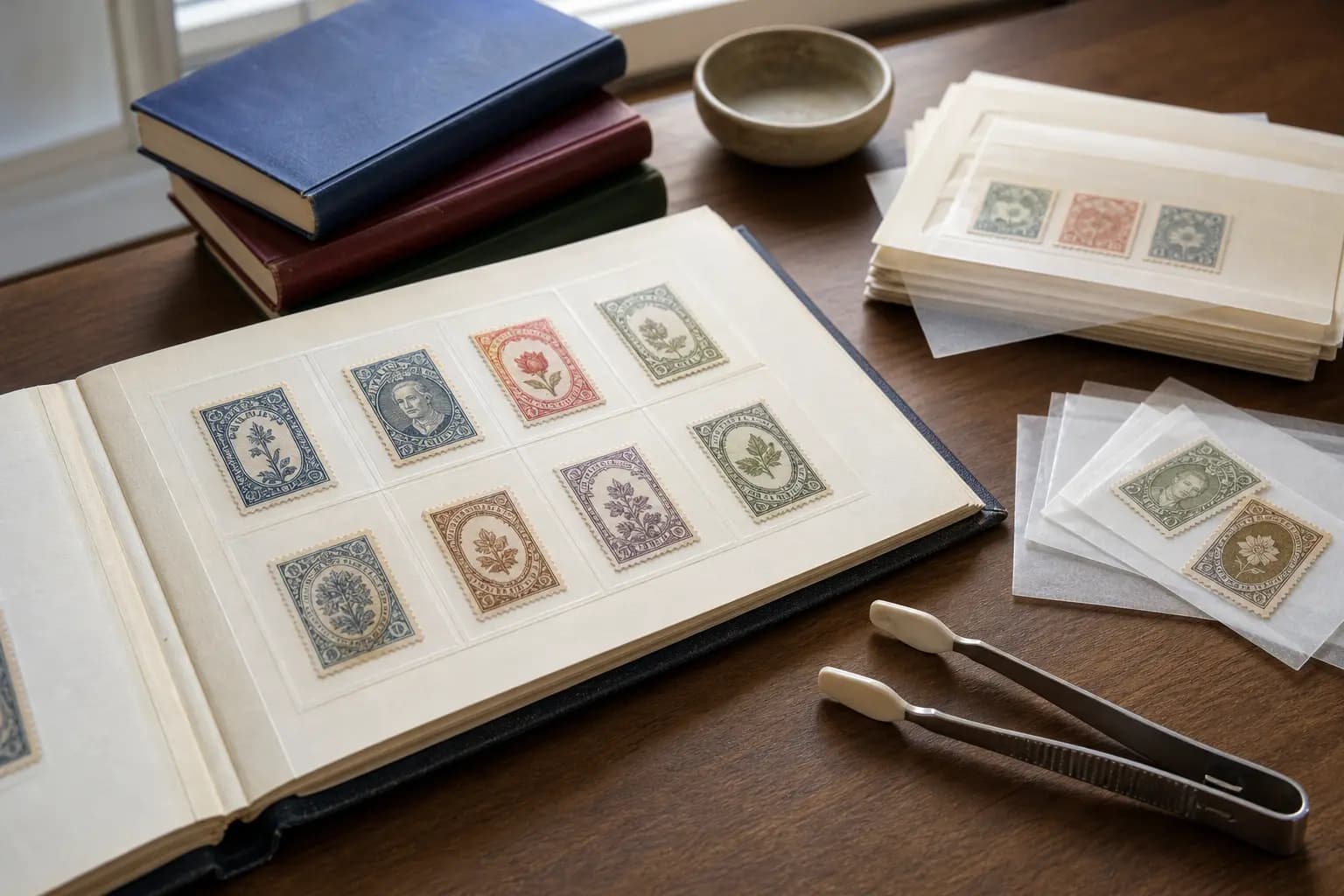
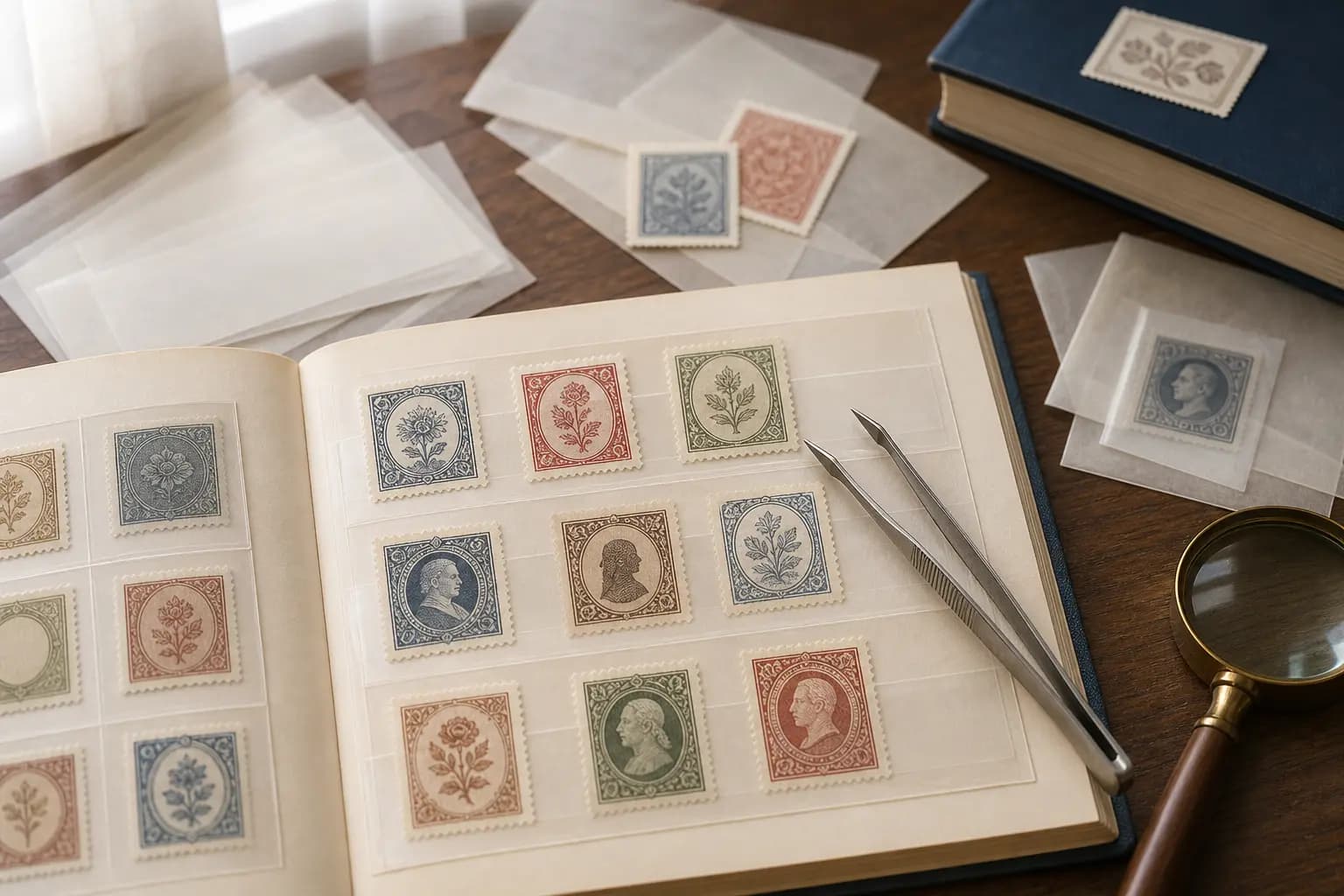
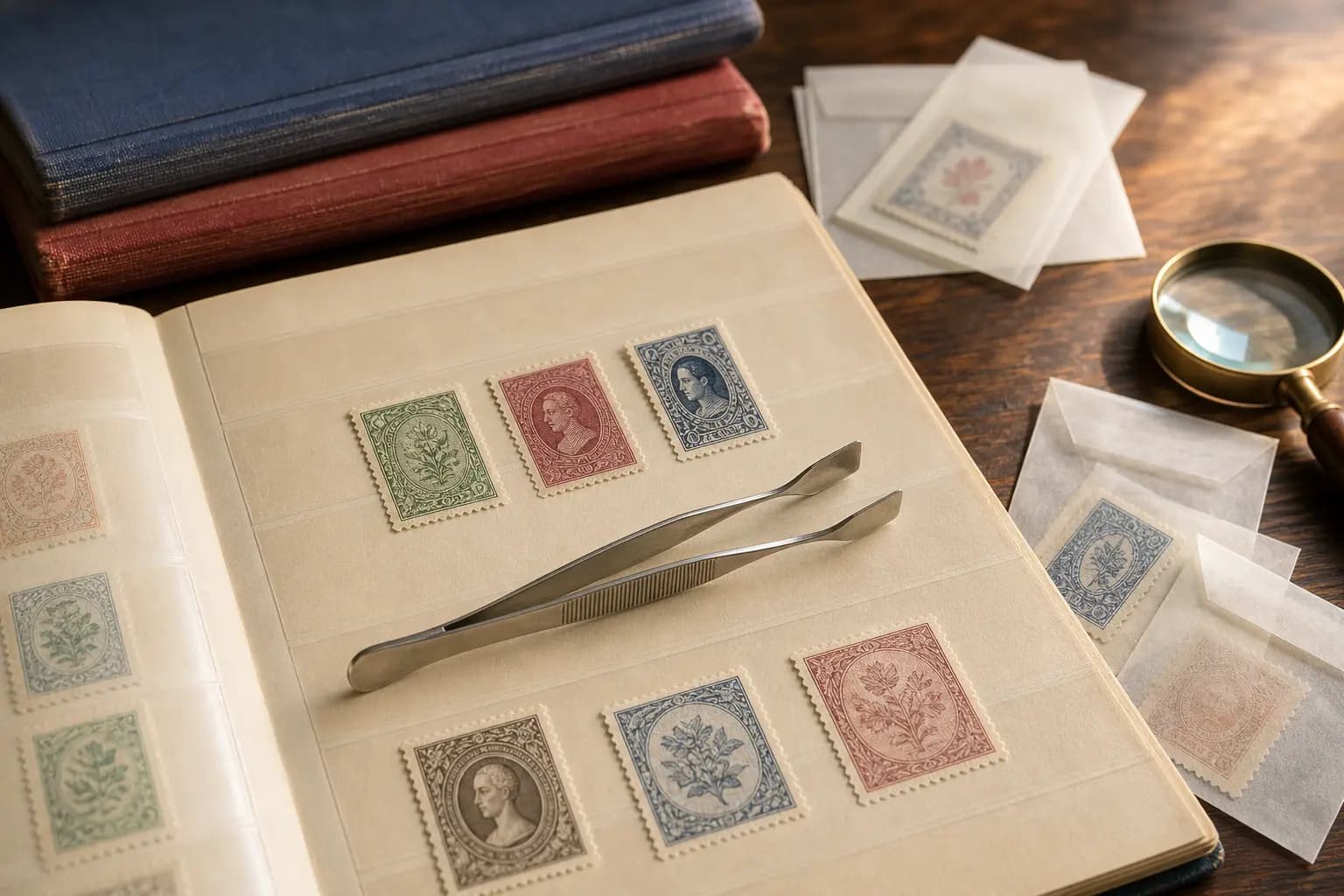
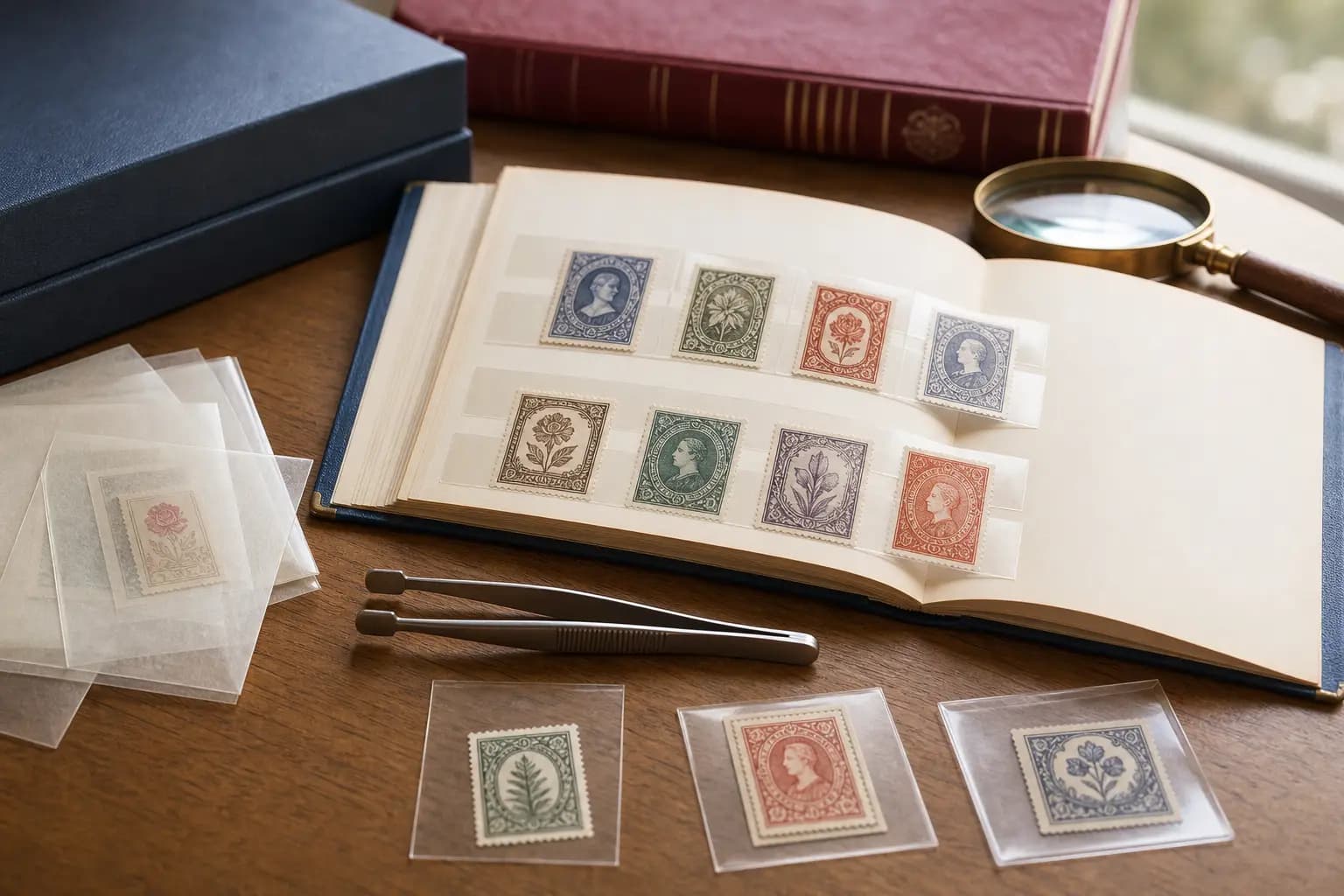
The American Philatelic Society recommends several basic tools for collectors who want to handle stamps safely. Stamp tongs, which are specialized tweezers with smooth, rounded tips, are useful for loose, dry stamps. Unlike household tweezers, stamp tongs are designed to grip dry stamps gently without pinching or tearing.
Other useful tools include magnifiers for close inspection, and a clean, flat surface for sorting. These tools help you avoid accidental damage and make it easier to examine stamps without direct contact. Investing in proper tools is a practical step toward preserving your collection.
Techniques for Handling Stamps Without Damage
For loose, dry stamps, use clean stamp tongs instead of your fingers. The natural oils and moisture from skin can transfer to stamps, causing discoloration or attracting dust. Hold dry stamps by their edges, avoiding the printed surface and perforations, which are particularly vulnerable to tearing. Do not use tongs on stamps that are wet, damp, or softened after soaking; let them dry fully and follow reliable philatelic soaking and drying instructions before handling them.
When moving stamps, use slow, deliberate motions. Avoid stacking or sliding stamps against each other, as friction can cause abrasions. If you need to examine a stamp closely, use a magnifier rather than picking it up repeatedly.
Safe Sorting and Organizing Practices
Sorting stamps is a rewarding part of collecting, but it can also be a source of accidental damage. Prepare a clean, uncluttered workspace and sort stamps in small batches. Use stamp tongs to move loose, dry stamps, and keep them on acid-free paper or archival-quality trays while sorting.
Avoid using tape, glue, or other adhesives to organize stamps, as these can cause permanent harm. If you wish to create a digital record, apps like StampSnap can help you identify and organize your collection without risking physical damage.
Common Mistakes and How to Avoid Them
Many new collectors accidentally damage stamps by using household tweezers, touching stamps with bare hands, or storing them in non-archival materials. These mistakes can lead to creases, tears, or chemical reactions that degrade stamps over time.
To avoid these pitfalls, use stamp tongs only for loose, dry stamps, handle all material gently, and store it in albums or containers made for philatelic material. If a stamp is wet or softened, do not pick it up with tongs; allow it to dry according to reliable philatelic guidance. If you inherit a collection, review the storage and handling practices before making changes.
What to Do If a Stamp Is Already Damaged
If you discover a stamp with a tear, crease, or stain, avoid further handling and consult a specialist if the item is rare or valuable. Attempting to repair stamps yourself can worsen the damage. Safe preservation means minimizing further risk, not attempting restoration without expertise.
Document the condition of damaged stamps for your records. Using a tool like StampSnap to create a digital inventory can help you track the state of your collection and seek advice if needed.
Building Safe Habits for Long-Term Preservation
Developing consistent, safe handling habits is the best way to protect your collection. Choose tools according to each stamp's condition, and teach these methods to others who may help with your collection. Regularly review your storage and handling practices to ensure they meet current preservation standards.
By following these guidelines, you can enjoy your stamps for years to come, confident that you are minimizing the risk of accidental damage. Safe handling is a cornerstone of responsible collecting.
Frequently asked questions
What tool should I use to handle stamps safely?
Stamp tongs are recommended for loose, dry stamps. Their smooth, rounded tips grip dry stamps gently without causing tears or creases. Do not use them on wet or softened stamps.
Is it safe to touch stamps with my fingers?
It is best to avoid touching loose, dry stamps with your fingers because skin oils and moisture can cause discoloration and attract dust. Use stamp tongs for dry stamps, but let wet or softened stamps dry according to reliable philatelic instructions before handling.
Can I use household tweezers instead of stamp tongs?
Household tweezers are not recommended. They can pinch or tear stamps. Stamp tongs are specifically designed for safe handling.
How can I organize stamps without damaging them?
Sort loose, dry stamps on a clean, flat surface using stamp tongs. Store them in archival-quality albums or containers, and avoid adhesives like tape or glue.
What should I do if a stamp is already damaged?
Minimize further handling and consult a specialist if the stamp is rare or valuable. Do not attempt repairs yourself, as this can worsen the damage.