Yes, you can collect stamps by shape or color
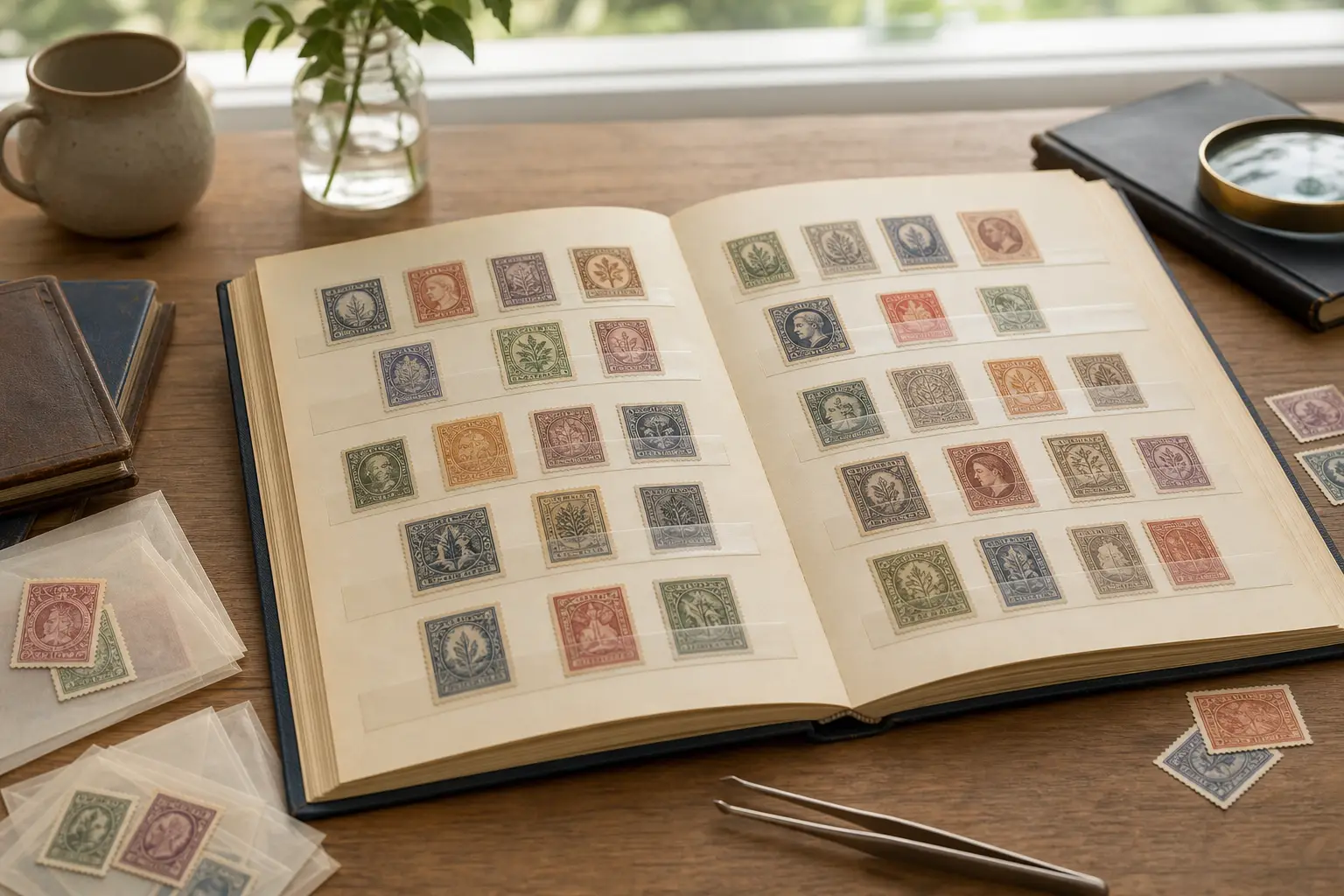
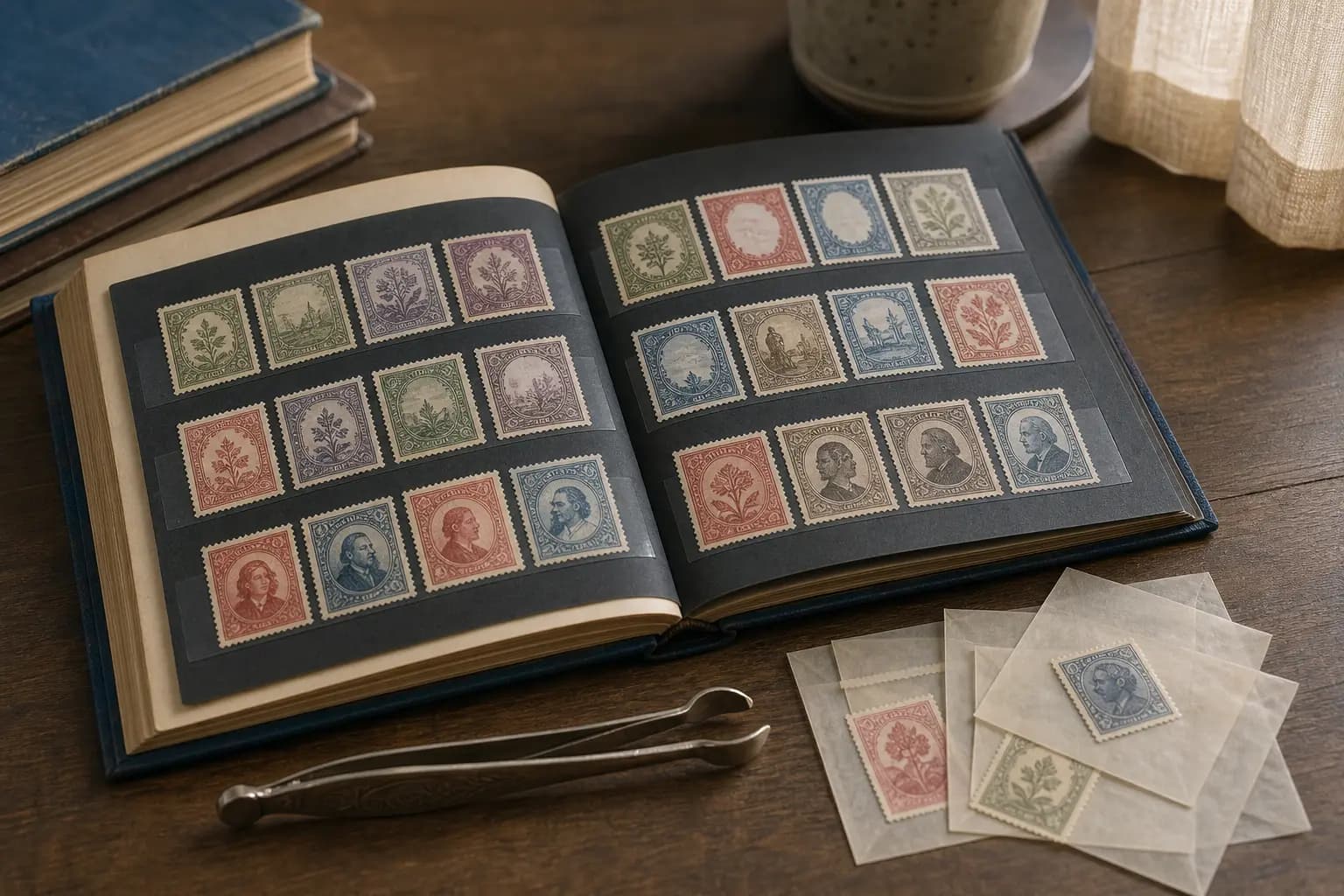
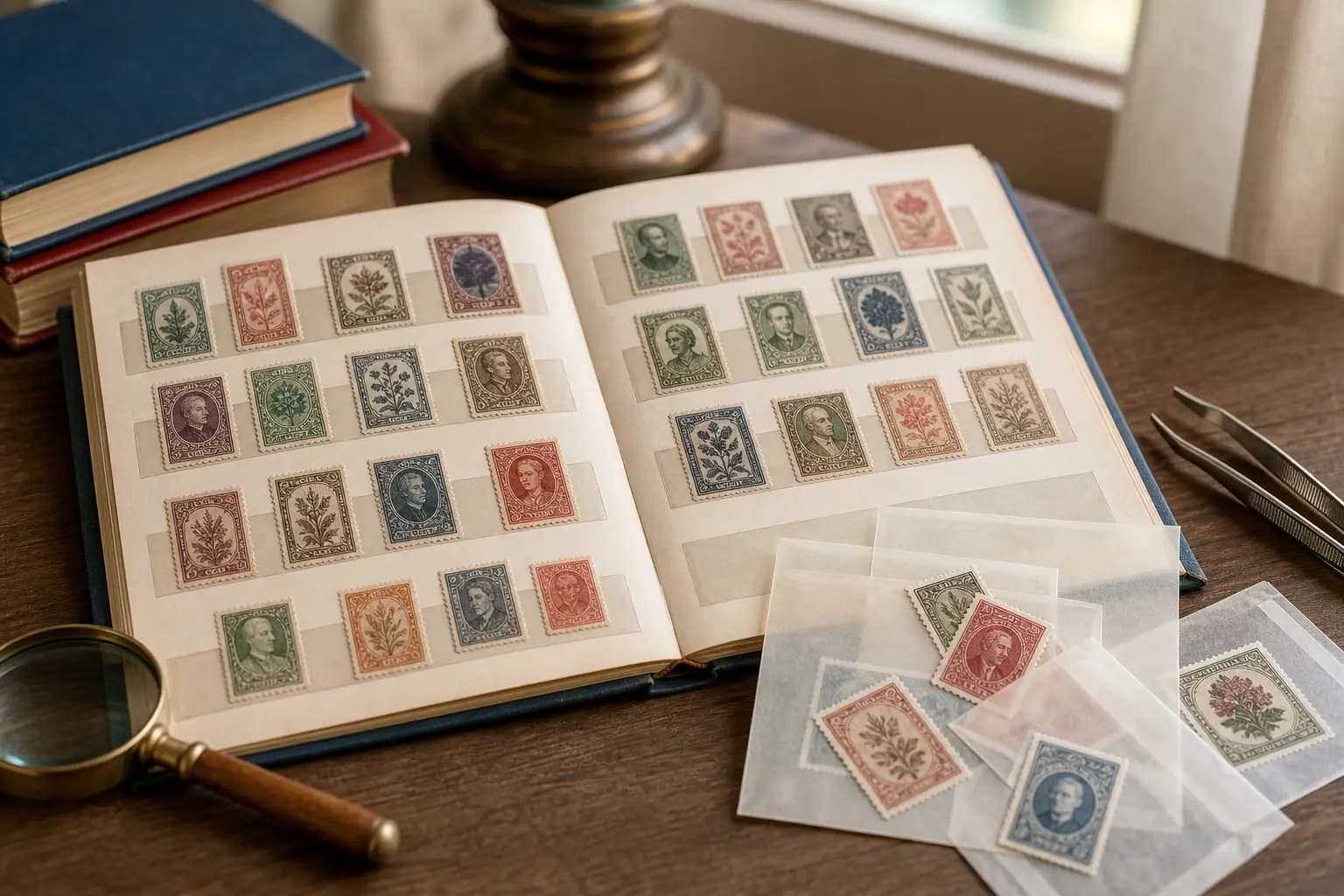
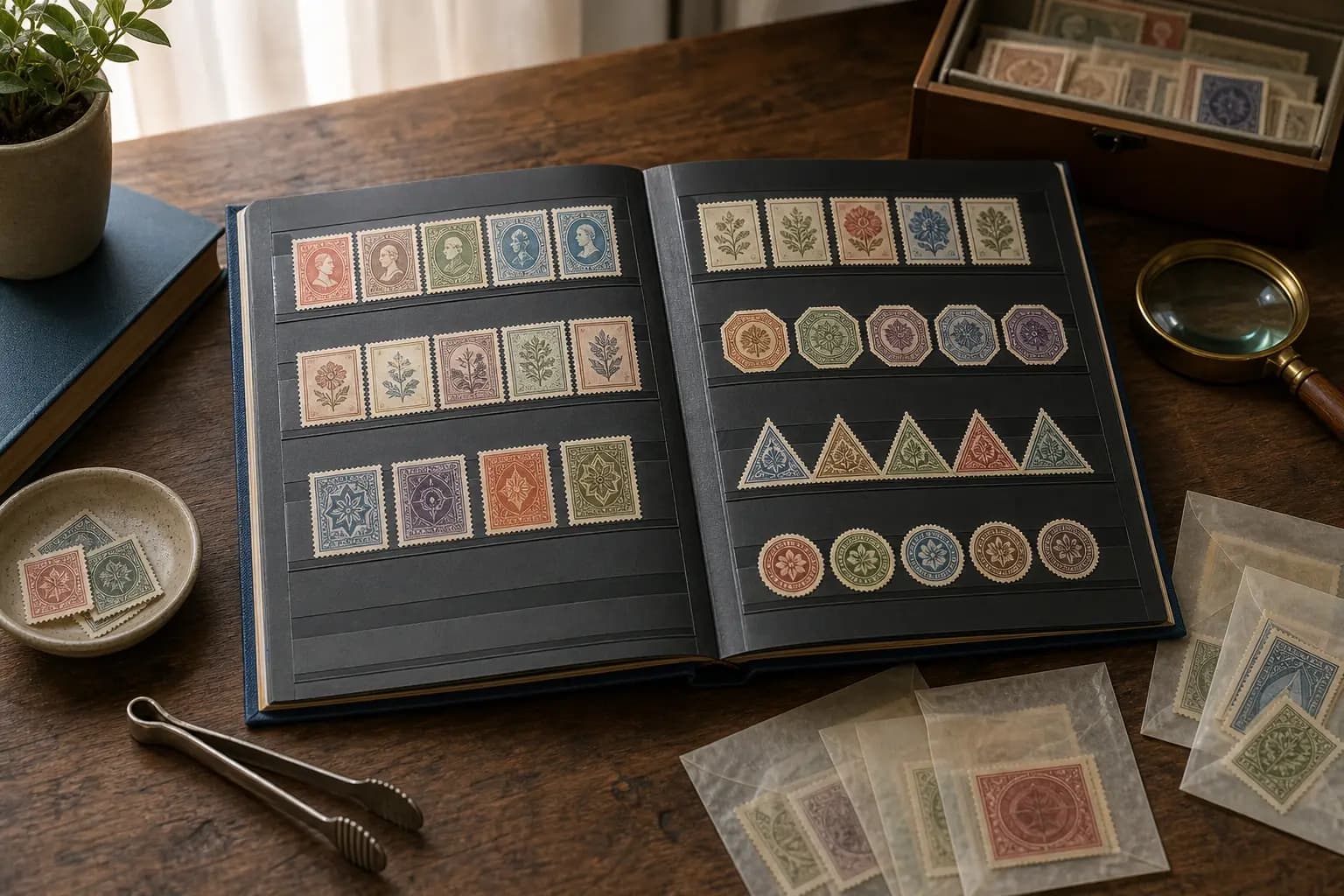
If you want a simple answer, collect the stamps that appeal to you. The American Philatelic Society says there is no right or wrong way to collect, and it specifically notes that some collectors choose stamps of a certain shape or color. That means a collection built around circles, unusual formats, yellow stamps, or any other visual theme is a valid collecting choice.
This approach works well for beginners because it gives you a clear filter. Instead of trying to gather every issue from one country or every stamp ever made, you can focus on a visual trait that you enjoy seeing in the mail. The same APS guidance also emphasizes personal enjoyment over comparison with other collectors, which makes shape-and-color collecting a practical way to keep the hobby manageable.
Start with a simple system, not a large ambition
A collector can begin with a worldwide mix, a single country, a topical theme, or a narrower trait such as shape or color. The APS notes that worldwide collecting is possible, but collecting every stamp ever issued is usually unrealistic for most people because of the time, space, and cost involved. Shape and color collecting avoids that problem by giving you a naturally limited target.
You can also narrow your idea further. For example, a collector might focus on one color family, one geometric format, or stamps issued within a certain period. The important point is to define the collection so it stays enjoyable and searchable. If you later decide to expand, you can do so without losing the original structure.
Use proper tools so you do not damage the stamps
The Smithsonian National Postal Museum recommends a simple starter set: stamp tongs, an album, and a general reference book. Tongs matter because they let you pick up loose stamps without direct finger contact, which helps avoid unnecessary handling. A magnifying glass can help you study small design details, and that is useful when two stamps look similar at a glance.
For a shape- or color-based collection, careful handling is especially important because you may sort through many candidates before deciding what belongs. Use tongs rather than fingers whenever possible, keep stamps on a clean surface, and place uncertain items aside instead of repeatedly picking them up. If you later create a collection record in StampSnap, treat it as a way to organize what you see, not as proof that a stamp has been fully identified.
Be careful: similar-looking stamps may not be the same issue
A stamp that matches your color theme may still belong to a different issue from a very similar stamp. The Smithsonian page explains that a perforation gauge can distinguish look-alike issues by measuring perforations, and it also notes that catalogs can record details such as issue date and printing method. Those references are useful because physical appearance alone does not always settle the question.
This is where a methodical approach helps. First note the features you can see clearly, such as shape, color, perforations, and any obvious design differences. Then compare those observations with a reliable reference rather than assuming that a visual match is final. If the evidence does not line up, leave the stamp in an uncertain group until you can check again.
Collecting by color needs consistent rules
Color sounds simple, but it becomes more useful when you define what counts. Decide whether you mean the main design color, the dominant background color, or a specific shade range. Without that rule, two collectors may build very different collections while using the same label. Clear rules also make it easier to sort duplicates and to keep your collection consistent over time.
A general reference book and catalog can help you compare your impressions with recorded details, but they should not be treated as conclusive on their own. The Smithsonian specifically advises comparing physical observations with reliable references rather than relying on observation alone. That is good practice whenever color seems close but not exact, because lighting, age, and paper tone can complicate what you see.
Shape collecting works best when you sort before you mount
If shape is your main interest, set aside stamps that clearly fit your chosen format before they go into the album. This keeps the collection orderly and reduces repeated handling. The APS says collectors may choose other traits too, including color and shape, so there is nothing unusual about making shape the main rule and using everything else as a secondary filter.
An album gives you a practical way to group the stamps after sorting. You can arrange them by color family, by format, or by another simple order that makes sense to you. The goal is not to create the most elaborate collection possible, but to make one that you can enjoy, review, and expand without confusion.
When a stamp does not fit perfectly, keep the decision open
Not every stamp will give you an immediate yes or no. Some will look close to your target but remain uncertain until you have checked references or examined them more carefully. That is normal, and it is better to pause than to force a decision. A cautious collector preserves options and avoids misfiling material too early.
This is also where a checklist can help. Record the shape, color, perforation notes, and any reference details you used, then revisit the item later if needed. A collection built this way becomes easier to manage because each stamp has a reason for being included. Over time, that record also makes it easier to refine your rules without starting over.
Frequently asked questions
Can I make a real stamp collection from just colors or shapes?
Yes. The APS says there is no right or wrong way to collect, and it specifically lists shape and color as valid ways to choose stamps.
Do I need special tools to start?
No. The Smithsonian National Postal Museum says a simple pair of stamp tongs, an album, and a general reference book are enough to begin.
How do I know if a stamp really belongs in my color collection?
Define your color rule first, then compare the stamp with reliable references. The Smithsonian advises using catalogs and other references alongside what you see, because observation alone is not always conclusive.
What should I do if two stamps look almost the same?
Check features such as perforations and reference details before deciding. The Smithsonian notes that a perforation gauge can help distinguish look-alike issues, and catalogs can record issue date and printing method.
Should I handle stamps with my fingers while sorting?
Use stamp tongs when possible. The Smithsonian says tongs have smooth ends for picking up loose stamps without direct finger contact, which helps reduce handling damage.