The safest answer: let stamps dry completely, flat, and undisturbed
The safest way to dry stamps before storage is to let them dry fully on a flat surface, with no heat and minimal handling. If a stamp has been soaked free from its paper, it is more fragile while wet than when dry, so the main goal is to prevent bending, tearing, and curling while the moisture leaves the paper.
A practical collector routine is simple: remove the stamp only when it floats free, place it carefully on a clean drying surface, and leave it alone until it is fully dry. The American Philatelic Society advises using lukewarm water, not hot water, and notes that a stamp is more easily damaged when wet. It also suggests drying overnight rather than rushing the process.
What to do immediately after soaking
Once the stamp has floated free, lift it gently and do not try to pull it loose early. If you need to move a wet stamp, do so with extreme care; the source guidance specifically warns that a wet stamp is easier to damage than a dry one. This is the point where collectors often create tears or thin spots by being impatient.
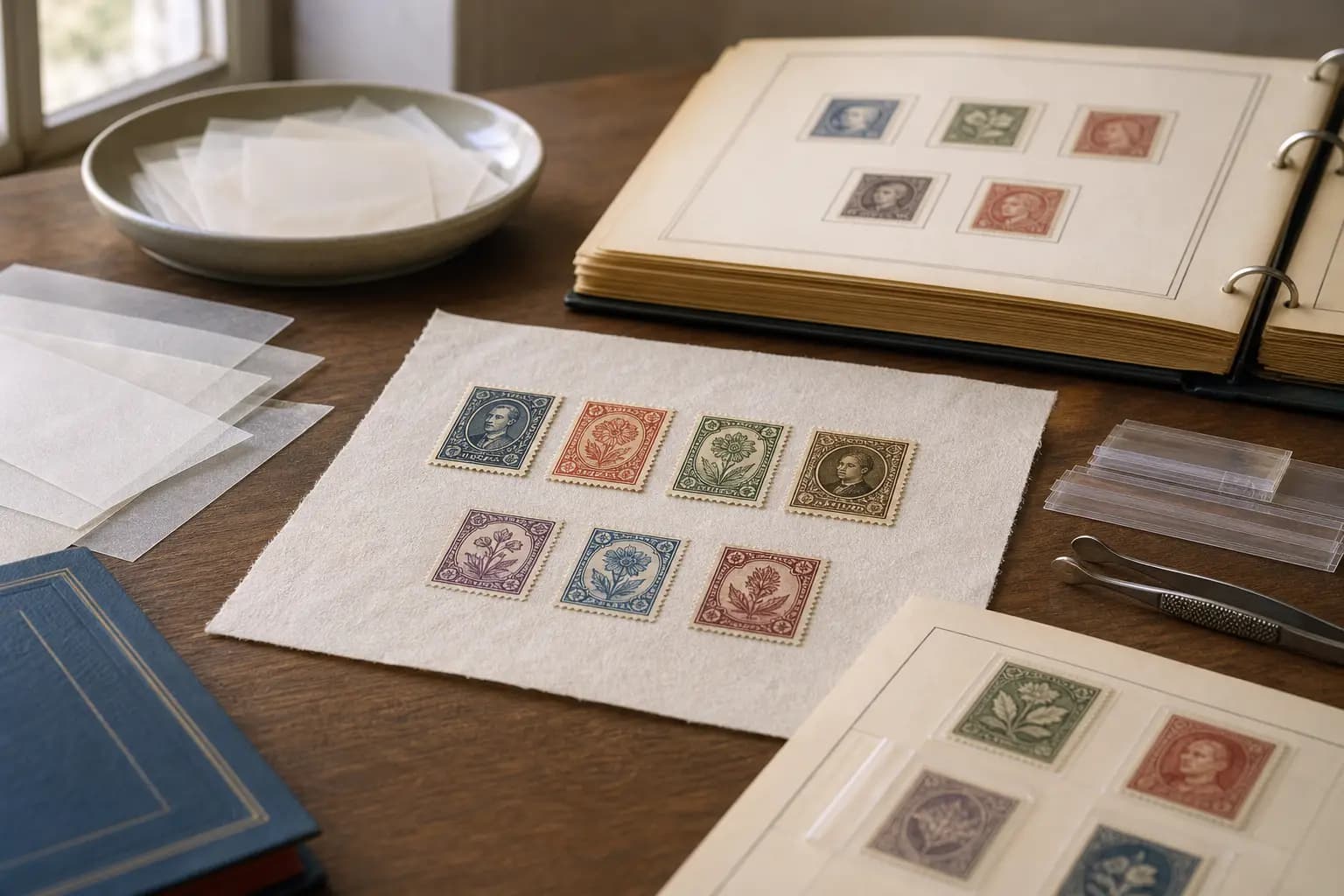
After removal, rinse the back gently in fresh water to clear away gum residue. Then place the stamp between two paper towels if you want to reduce curling, and put a book on top only as a light, even weight. The aim is not to flatten aggressively, but to keep the stamp steady as moisture leaves the fibres.
How to reduce curling without damaging the stamp
Curling is often caused by uneven drying, so the safest prevention is consistency. Keep the stamp flat, do not expose it to direct sun or heat, and avoid lifting or flipping it repeatedly while it is still damp. A stable room-temperature environment is safer than any quick-dry method.
If a stamp begins to edge-curl, do not force it flat with pressure, tape, or adhesive strips. Let it continue drying in place. The American Philatelic Society recommends paper towels and a book for overnight drying, which gives gentle, even contact without the risks that come with sticky materials or hard pressing.
Why fully dry stamps should be handled differently from damp ones
This distinction matters: dry stamps can be handled with stamp tongs, but damp stamps should be treated as fragile objects that can distort or tear easily. The American Philatelic Society recommends tongs for dry stamps because skin oils can damage them, yet it does not suggest tongs for wet material. That difference is important for safe preservation.
When the stamp is dry, tongs with a smooth gripping surface are useful because they help you avoid touching the stamp with your fingers. When the stamp is still soft or slightly damp, use as little handling as possible. If you must sort or inspect it, wait until it is dry enough to lie flat and hold its shape.
When a stamp is dry enough to store
A stamp is ready for storage when it no longer feels cool or soft and does not bend easily from remaining moisture. If it is even slightly damp, it should stay out of albums, stock books, and envelopes, because trapped moisture can encourage curling and other damage. Patience at this stage protects both the stamp and the rest of your collection.
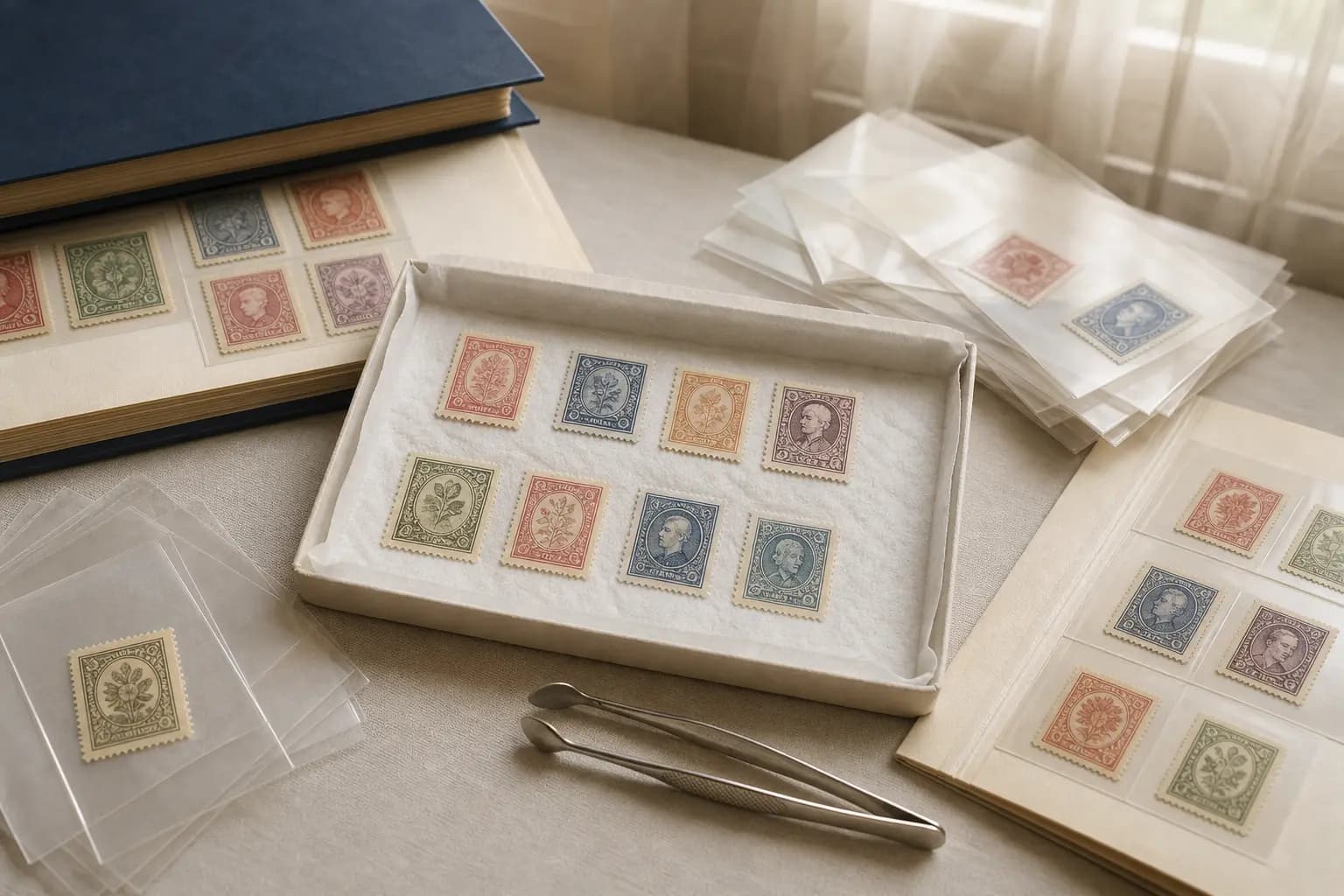
Before moving it to storage, place the stamp in a safe temporary holding area if needed. The source guidance suggests glassine envelopes until you are ready to put stamps in an album or stock book. That gives you a clean, controlled interim step without introducing tape, glue, or other harmful fixes.
Good drying tools and materials for collectors
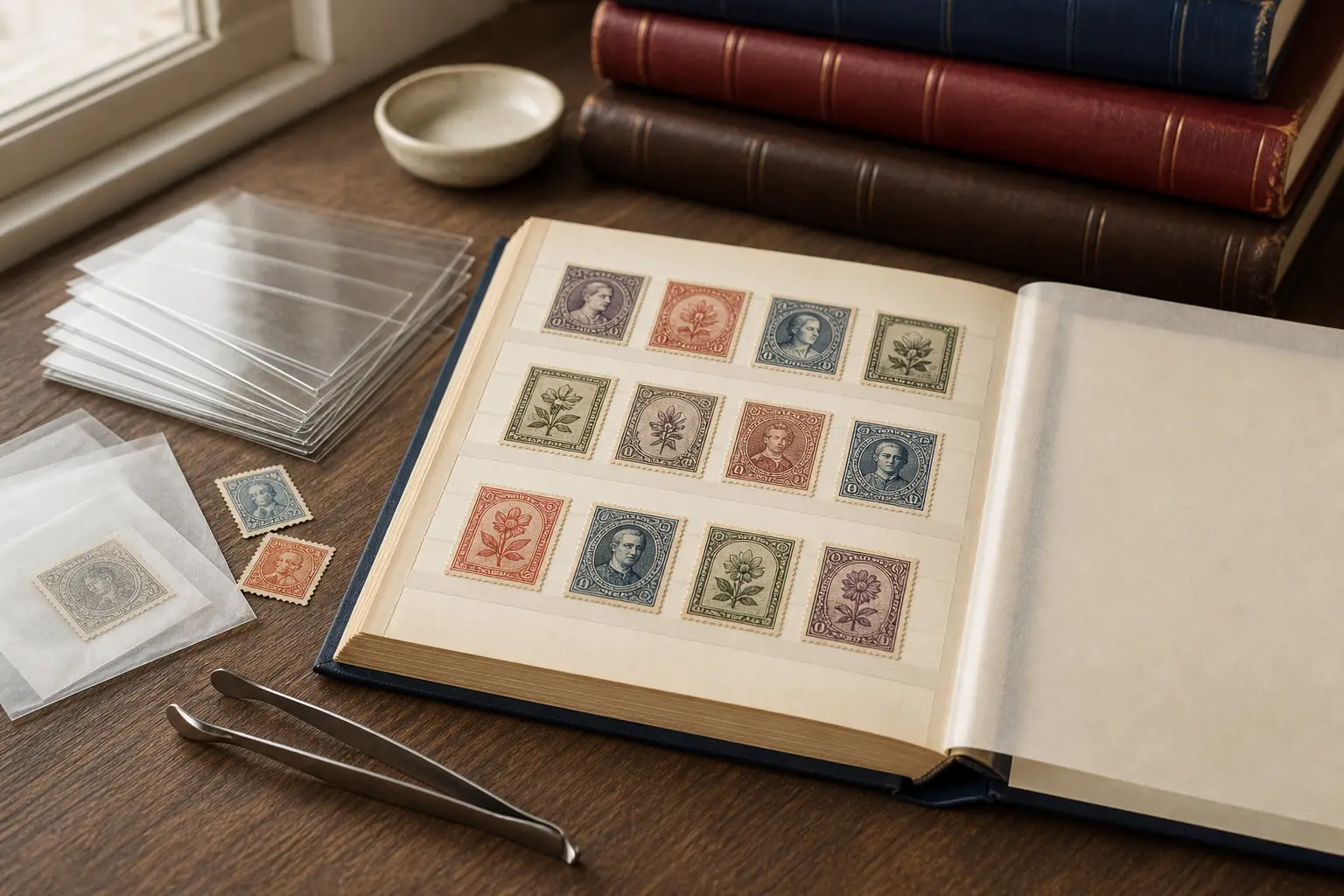
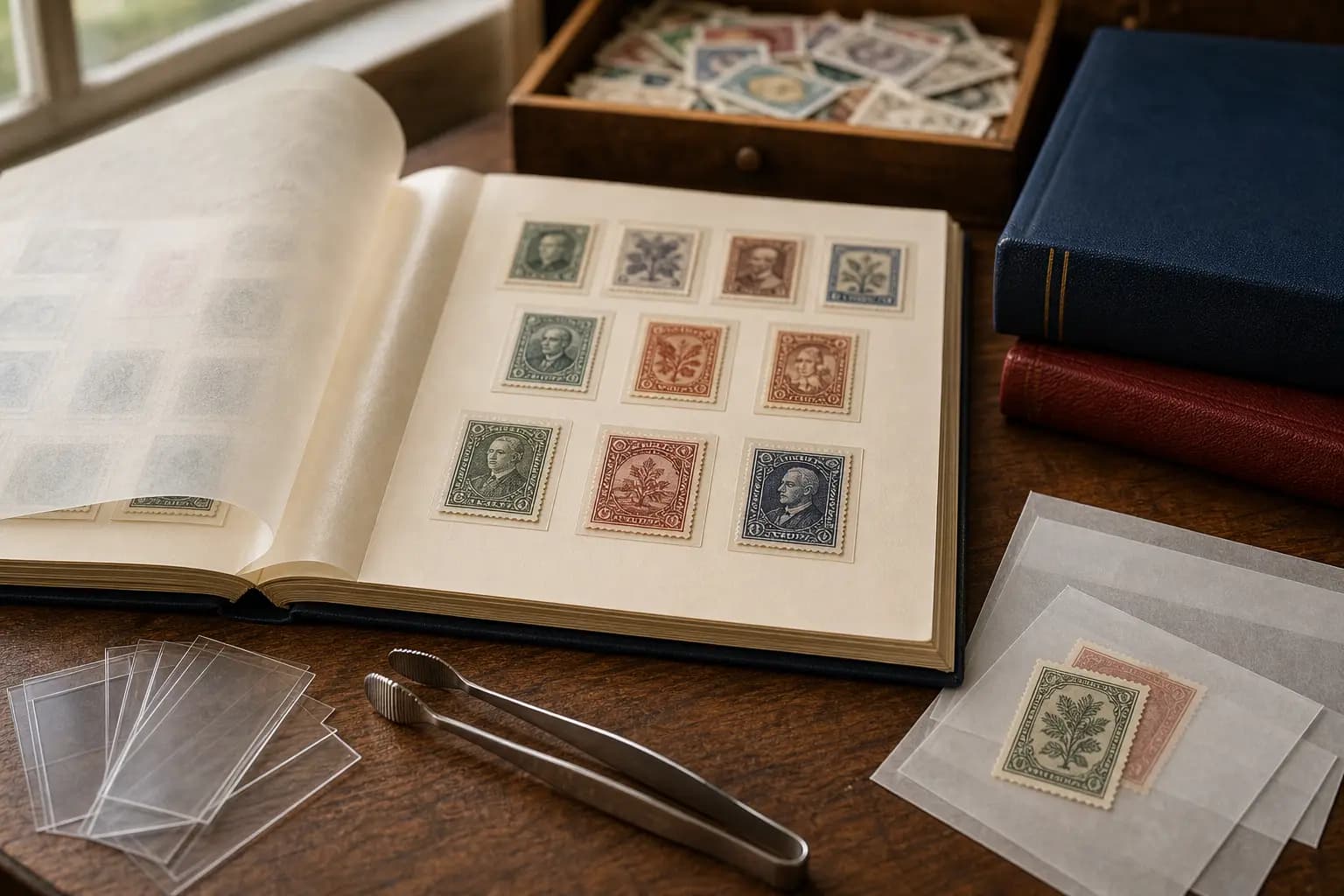
You do not need specialised equipment to dry stamps safely, but a few collector tools help. According to the American Philatelic Society, useful items include stamp tongs for dry stamps, a magnifying glass for close inspection, and albums or stock books for later storage. For drying, clean paper towels and a flat surface are the most practical supports mentioned in the source guidance.
Avoid household shortcuts such as hair dryers, irons, sunlight on a windowsill, or adhesive materials. Also avoid using tongs on a wet stamp, because that can crush softened paper or disturb gum. If you are building a record of a stamp as you work, StampSnap can help you keep a likely identification note and collection record, but it should not be treated as an appraisal or authentication tool.
A conservative drying workflow for everyday collectors
A safe workflow is easy to remember. Soak only stamps that are suitable for soaking, wait until each one floats free, lift it gently, rinse if needed, and dry it flat overnight. If you are processing several stamps, change the water after a few batches and keep brightly coloured envelopes separate because the colour may bleed.
Once the stamps are dry, sort them by country, topic, or service type as your collection requires. Then store them in an album or stock book using hinges or mounts, never tape or glue. This keeps the drying step separate from the storing step, which is the simplest way to avoid accidental damage.
Frequently asked questions
How long should I dry a stamp before storing it?
Leave it until it is fully dry, flat, and no longer soft. The source guidance recommends drying overnight after soaking.
Can I use tongs on a damp stamp?
No. The safe approach is to use tongs only on dry stamps. Wet stamps are more easily damaged and should be handled as little as possible.
Should I press a curling stamp hard to flatten it?
No. Use gentle, even drying with paper towels and light weight if needed. Do not force it flat or use tape, glue, or heat.
What if the stamp is still slightly damp when I put it away?
Do not store it yet. Keep it out until it is completely dry so moisture does not cause curling or damage in the album or stock book.
Can a stamp with special envelope markings be soaked off?
Not always. If the cancel or image on the envelope matters to you, keep the whole envelope instead of removing the stamp.