Why Watermarks Matter in Stamp Collecting
Watermarks are patterns embedded in stamp paper during manufacturing, often visible only when viewed under certain conditions. Many stamps with similar designs can be distinguished by their watermark, making this feature crucial for accurate identification and cataloging. Watermarks can also influence a stamp's value and rarity, so knowing how to detect them is an important skill for collectors.
Some stamps may appear identical at first glance, but a watermark can reveal a different issue or printing. Understanding watermarks helps collectors organize their collections more precisely and avoid confusion when cataloging or trading stamps.
Safe Handling Before Watermark Inspection
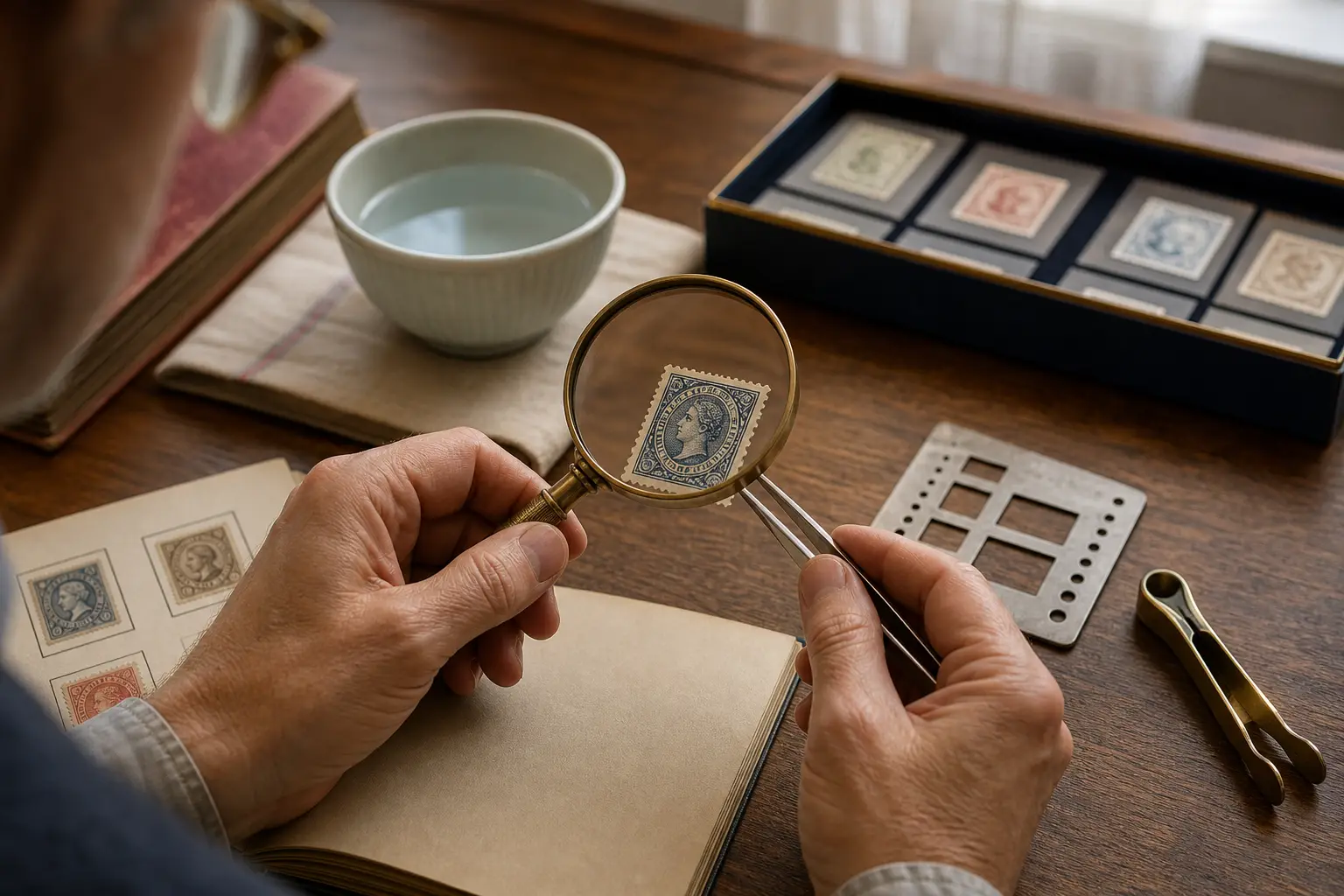
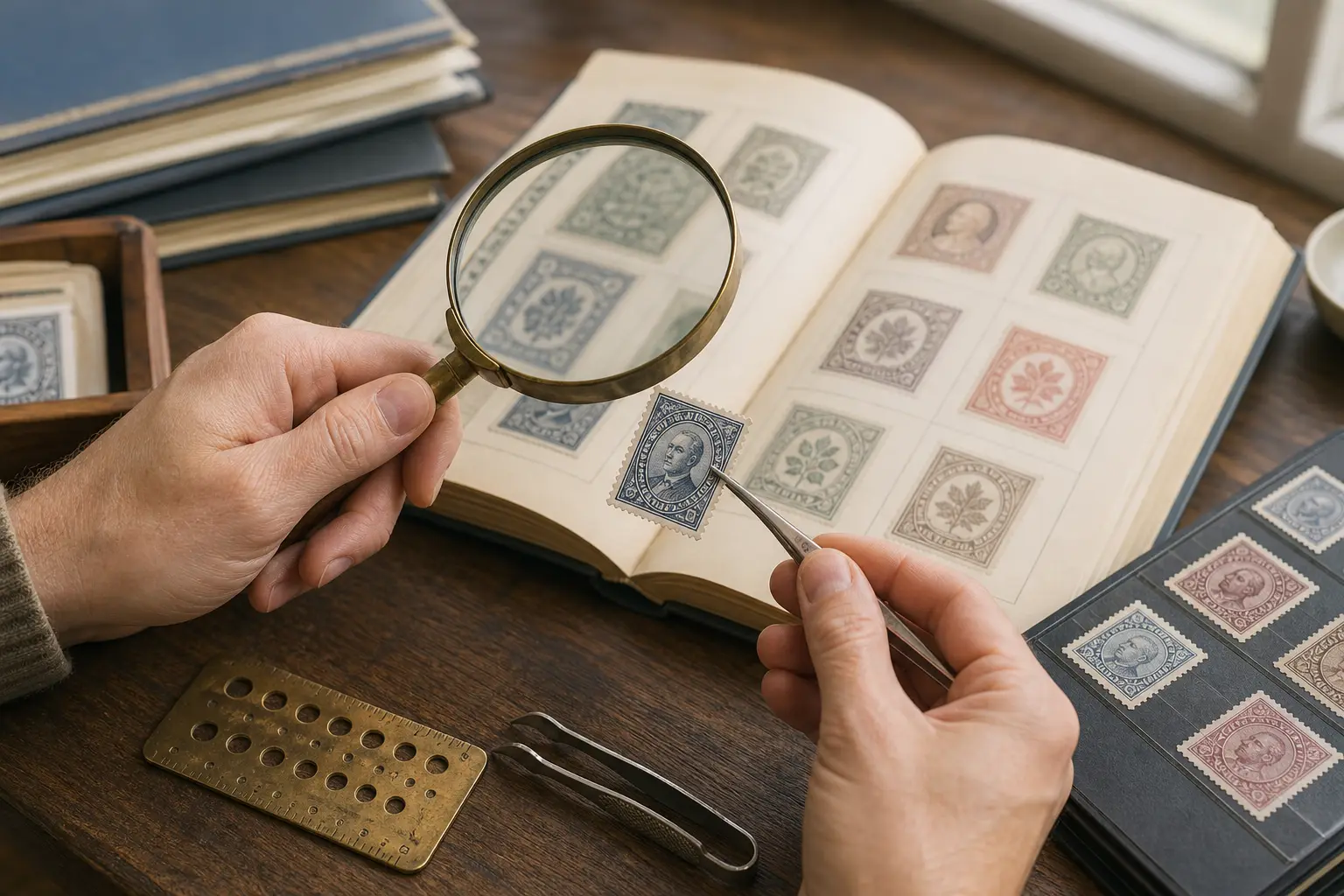
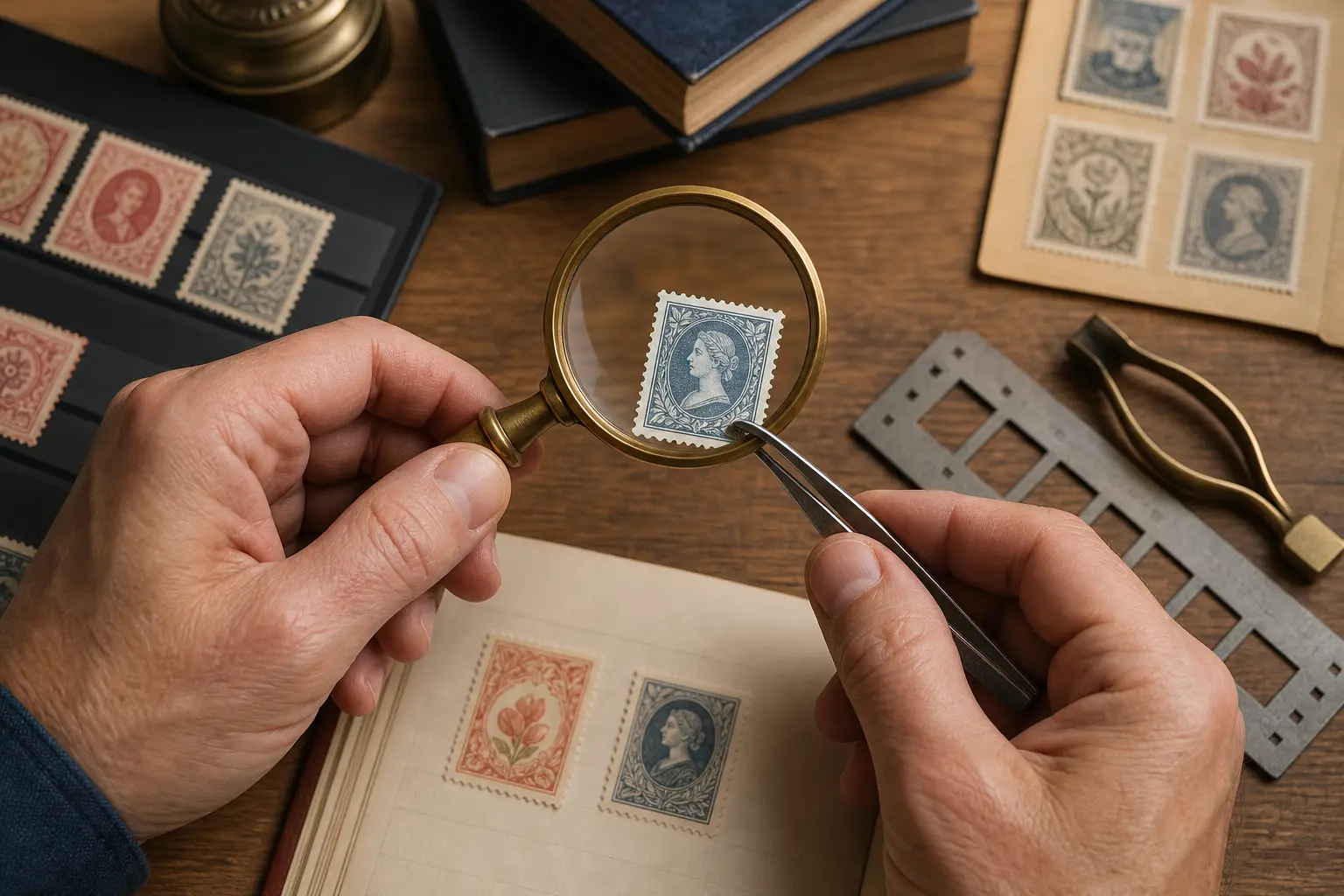
Before attempting to identify a watermark, handle your stamps carefully to avoid damage. The American Philatelic Society recommends using stamp tongs rather than fingers, as even clean hands can transfer oils that harm stamps. Stamp tongs have a smooth gripping surface designed specifically for delicate material.
Always work in a clean, dry area and avoid exposing stamps to moisture or household solvents. If you are unsure about the value or fragility of a stamp, consult a knowledgeable collector or reference guide before proceeding.
Tools for Watermark Detection
A watermark detector is a specialized tool for identifying watermarks on postage stamps. According to the American Philatelic Society, watermark detectors are available from stamp dealers and are designed to make watermarks visible without risking damage to the stamp.
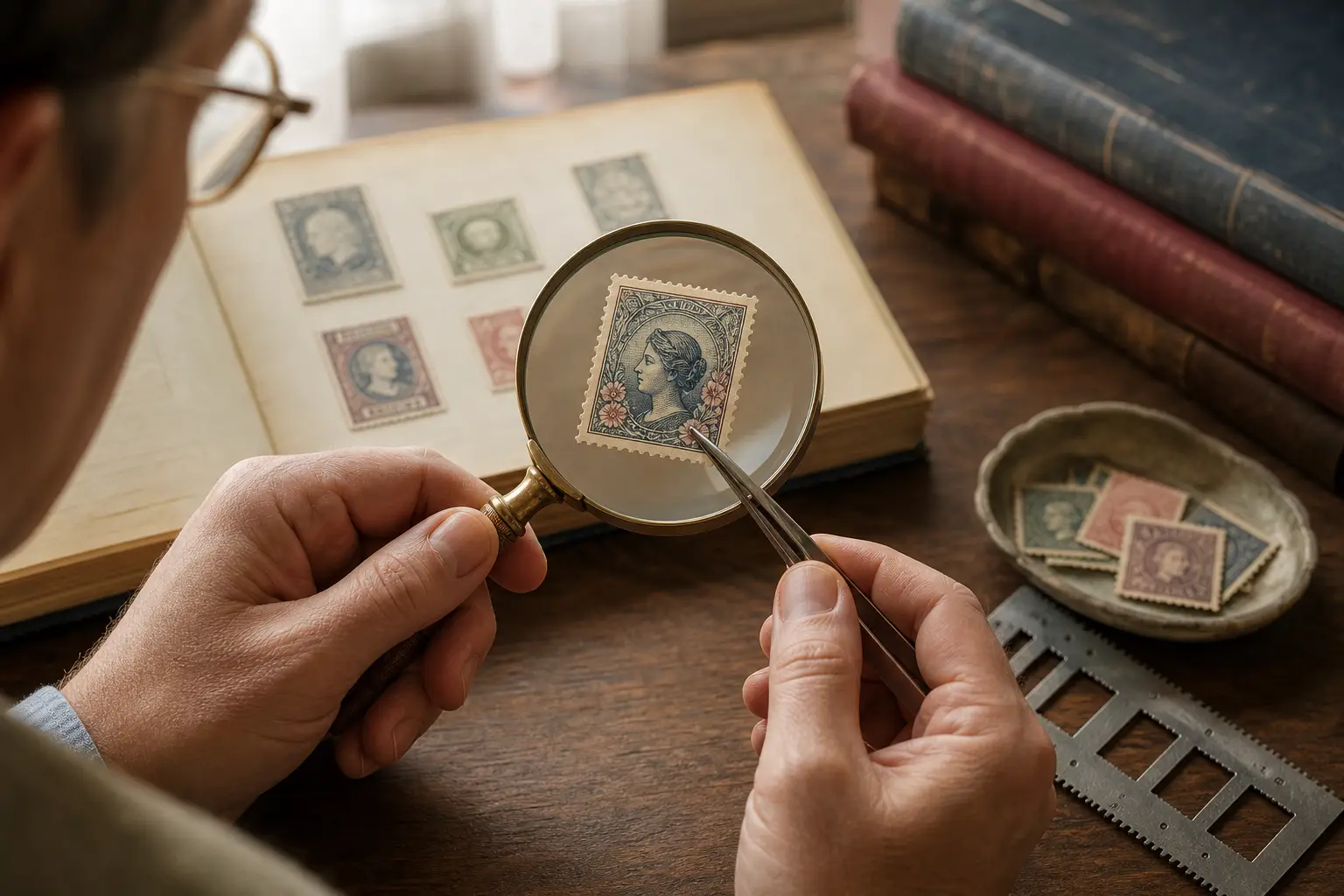
Magnifying glasses can also be useful, especially for subtle or faint watermarks. Choose a magnifying lens with at least 5x to 10x magnification and ensure it is free of scratches or distortion. Never use tape, glue, or household chemicals to try to reveal watermarks, as these can permanently damage stamps.
Step-by-Step Process for Watermark Identification
Begin by placing your stamp face down on a clean, flat surface. Using stamp tongs, gently position the stamp so it does not curl or crease. If you have a watermark detector, follow the manufacturer's instructions to reveal the watermark pattern. Some detectors use safe fluids or lighting techniques, but always ensure the method is recommended for philatelic use.
If you do not have a watermark detector, a strong magnifying glass may help. Hold the stamp up to a bright, indirect light and look for variations in the paper texture or faint patterns. Some watermarks are easier to see when the stamp is tilted at different angles. If the watermark remains unclear, consult a stamp catalog for guidance on what to look for.
Using Stamp Catalogs for Watermark Reference
Stamp catalogs are valuable resources for identifying watermarks. They provide illustrations and descriptions of watermark types used by different countries and periods. The American Philatelic Society notes that catalogs can be borrowed from libraries or purchased from dealers.
Compare your stamp's watermark to catalog images, paying attention to the shape, orientation, and placement. If your stamp does not match any listed watermark, it may be a different issue or a variety. Catalogs also offer information about the significance of watermarks for identification and value.
Recording Your Findings Safely
Once you have identified a watermark, record your findings in your collection inventory. Apps like StampSnap can help you create a digital record, including images and notes about the watermark and other features. This helps you organize your collection and track details for future reference.
Avoid marking stamps directly or using adhesives. Instead, update your album or stock book with a written note or digital entry. Keeping detailed records ensures you can share information with other collectors and maintain the integrity of your collection.
Understanding Uncertainty and Limitations
Not all watermarks are easy to identify. Some may be faint, incomplete, or obscured by cancellations or paper flaws. If you are unsure about a watermark, it is best to consult a stamp catalog or seek advice from a local dealer or collector group.
Visual identification is not always conclusive, especially for rare or unusual issues. When in doubt, preserve the stamp carefully and avoid repeated handling. Remember, safe methods and patience are key to successful watermark identification.
Frequently asked questions
Why are watermarks important for stamp collectors?
Watermarks help distinguish between similar stamp issues and can affect a stamp's identification and value. They are a key feature for cataloging and organizing collections.
What tools are safest for detecting watermarks?
Watermark detectors and magnifying glasses are recommended. Always use stamp tongs for handling and avoid household chemicals or adhesives.
Can I identify watermarks without a detector?
Sometimes, a strong magnifying glass and bright light can reveal watermarks, but a detector is more reliable. Consult a catalog for guidance if the watermark is unclear.
Should I mark or alter my stamp to record a watermark?
No. Never mark or alter a stamp. Record your findings in a collection inventory or album, or use a digital app like StampSnap for safe record-keeping.
What should I do if I can't see a watermark?
If the watermark is not visible, consult a catalog or seek advice from a dealer or collector. Avoid repeated handling and preserve the stamp carefully.