What Is Topical Stamp Collecting?
Topical stamp collecting is the practice of building a collection around a specific theme or subject, rather than focusing on a country or era. Common topics include animals, flowers, ships, sports, and even unusual subjects like rainbows or outhouses. According to the American Philatelic Society, topical collecting allows you to explore stamps from all over the world and customize your collection to your personal interests.
This approach is increasingly popular because most topical stamps are relatively inexpensive and widely available. You can choose to include various types of material, such as stamps, special postmarks, first day covers, or postal stationery related to your chosen topic. The flexibility of topical collecting means there is no right or wrong way to start—your collection can be as broad or as narrow as you wish.
Choosing Your Theme: Enjoyment Comes First
The most important step in topical collecting is selecting a theme that genuinely interests you. The American Philatelic Society suggests that collectors often choose topics related to hobbies, professions, or personal memories. Popular themes include animals, birds, flowers, scouts, Disney characters, and sports, but you are free to choose any subject that inspires you.
Some collectors narrow their focus even further, such as collecting stamps depicting a specific animal species or stamps issued on their birthday. The key is personal enjoyment, not the value or popularity of your chosen theme. If you see colorful stamps arriving in the mail that catch your eye, consider starting your collection around them.
Gathering Stamps for Your Topical Collection
Once you have chosen a theme, begin gathering stamps by checking your own mail, asking friends and family, or trading with other collectors. Many topical stamps are easy to find and affordable, making them ideal for beginners. You can also purchase stamps from dealers, attend stamp shows, or join collector clubs to expand your collection.
StampSnap can help you create a digital record of your topical stamps, making it easier to track what you have and identify new additions. However, remember that visual identification should always be compared with reliable references, such as catalogs or trusted websites, especially when stamps look similar.
Safe Handling and Basic Tools
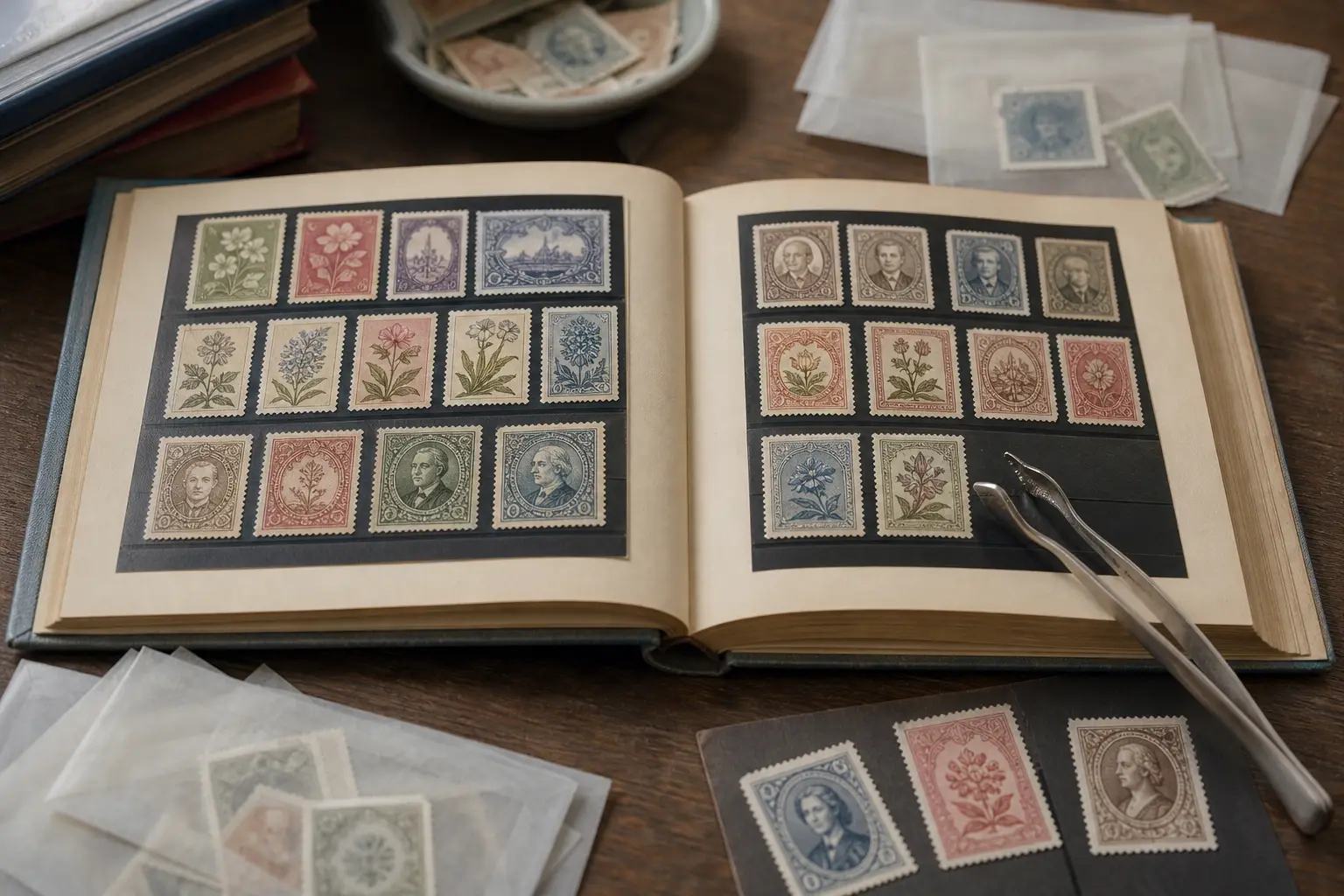
Proper handling is essential to preserve the condition of your stamps. The Smithsonian National Postal Museum recommends using a simple pair of stamp tongs with smooth ends to pick up loose stamps, avoiding direct finger contact. This reduces the risk of oils or accidental damage.
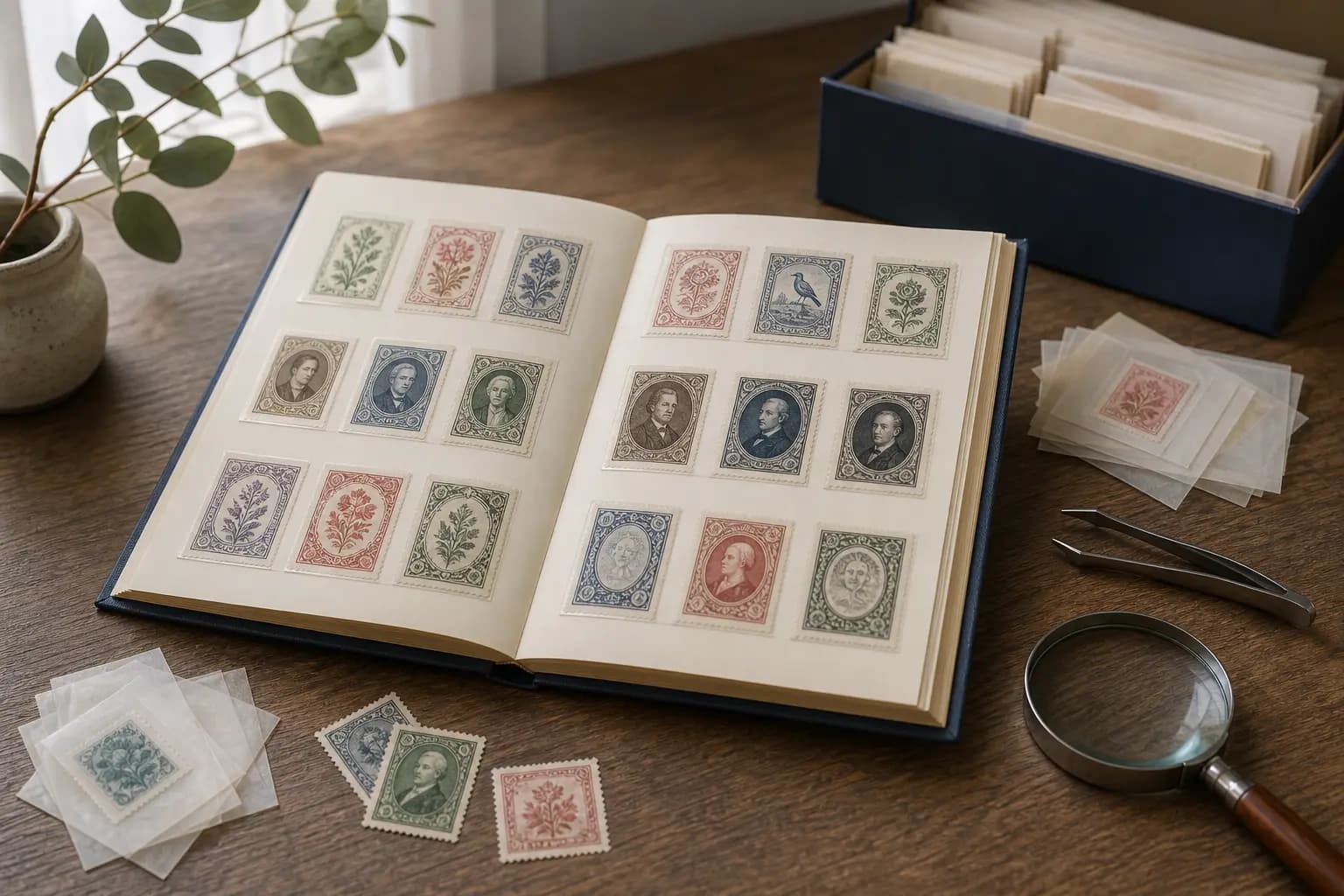
A magnifying glass is useful for examining small design details, while a perforation gauge can help distinguish between look-alike issues by measuring their perforations. For topical collectors, these tools are helpful when verifying that a stamp fits your chosen theme. Always handle stamps gently and avoid using household solvents, tape, or glue.
Organizing Your Topical Collection
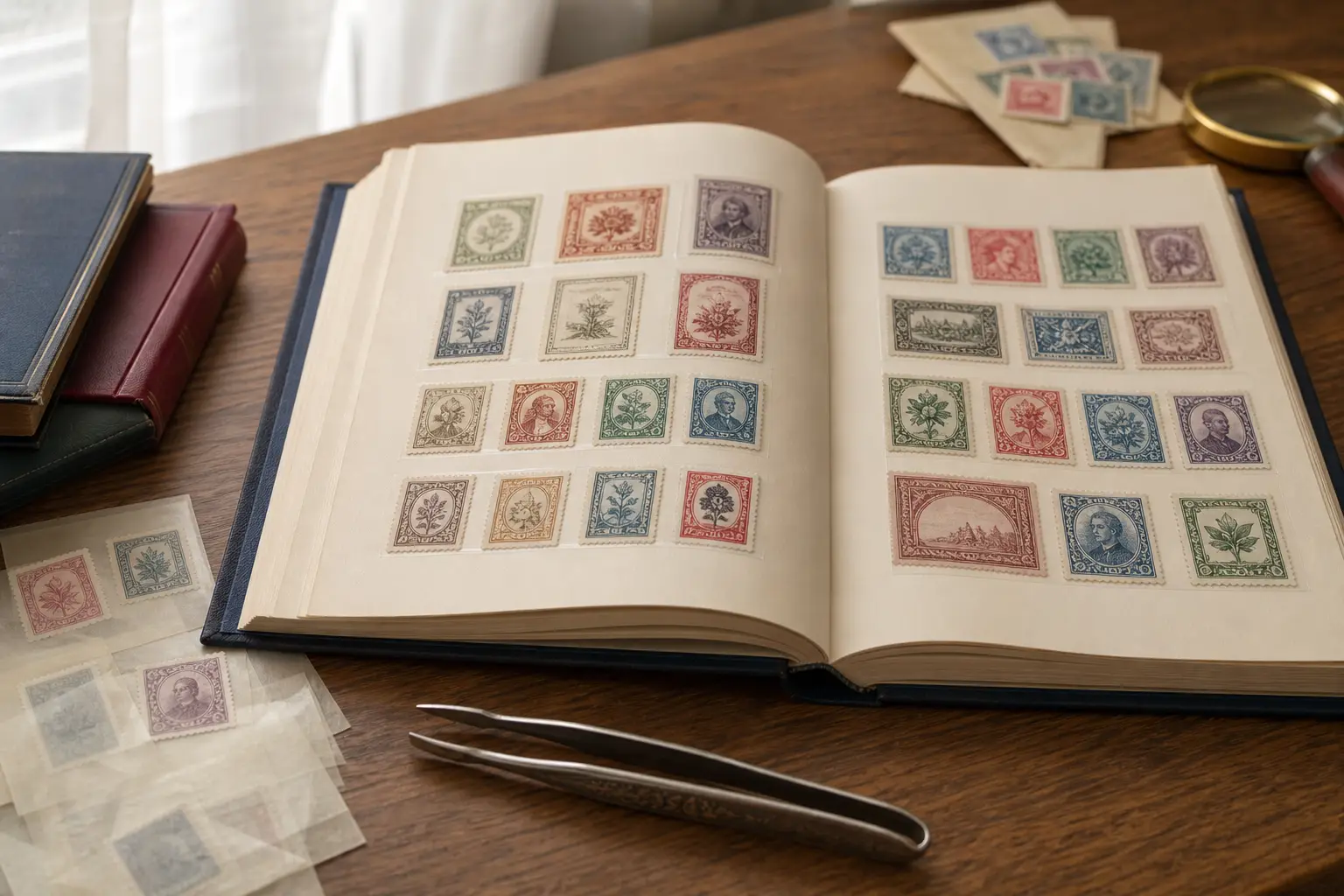
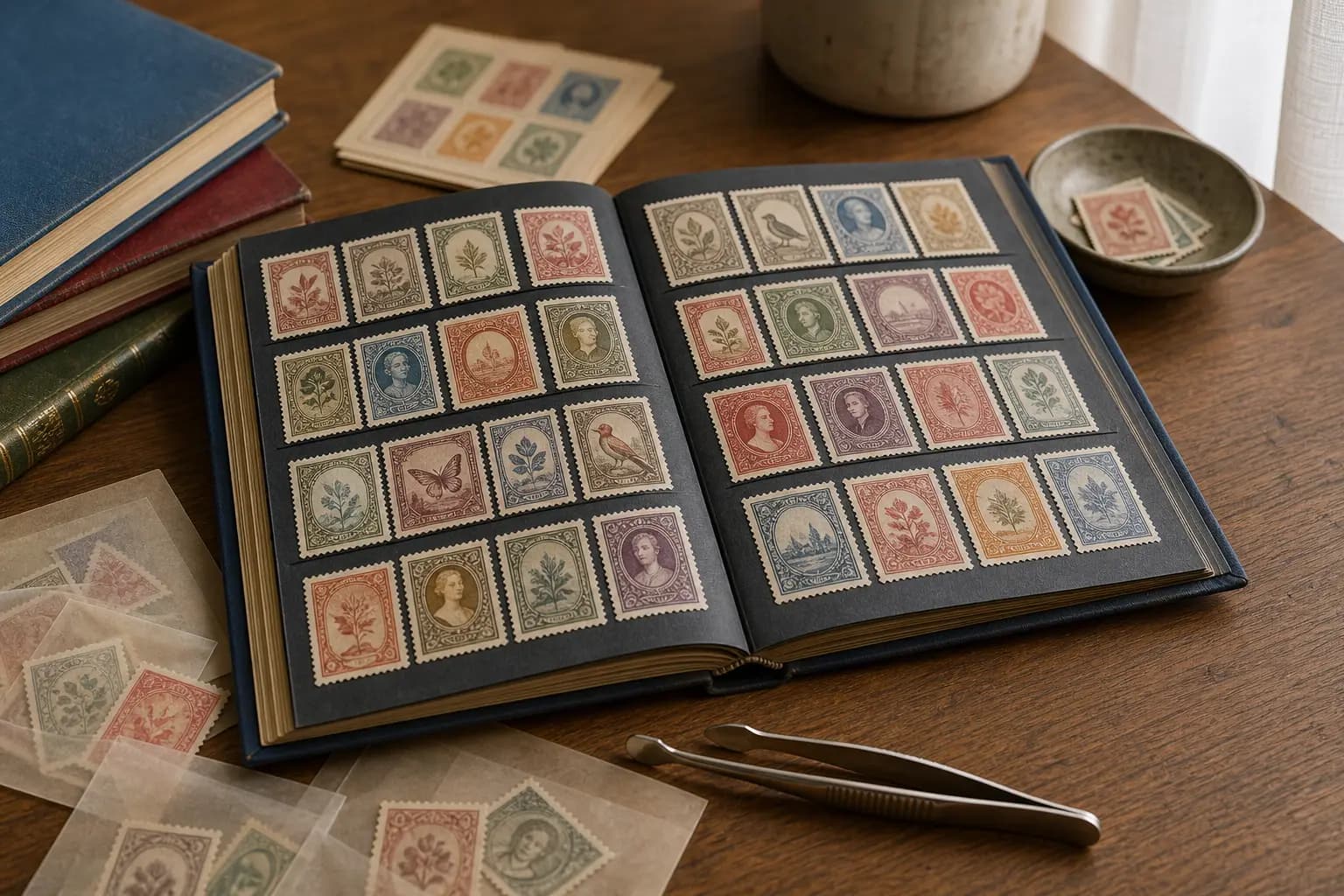
Organization is a key part of enjoying your topical collection. Albums and stock books are popular options for storing stamps safely. You can arrange stamps by subject, country, or chronological order, depending on your preference. The Smithsonian National Postal Museum notes that a simple album is sufficient for most beginners.
Stamp hinges can be used to mount used stamps, as you do not need to preserve the gum. Mint stamps should be handled with extra care to avoid damaging their original adhesive. Digital tools like StampSnap can supplement your physical collection by providing a searchable record and helping you visualize your collection’s growth.
Verifying and Cataloging Stamps
Catalogs and reference books are valuable for topical collectors. They provide information on issue dates, printing methods, and design details. The Smithsonian National Postal Museum emphasizes that physical observations should be compared with reliable references rather than treated as conclusive on their own.
When cataloging your stamps, record details such as the country, year, and any relevant postmarks or special features. This process helps you avoid duplicates and ensures that your collection accurately reflects your chosen theme. If you are unsure about a stamp’s subject, consult a catalog or seek advice from experienced collectors.
Expanding Your Collection: Clubs and Community
Joining a stamp club or society can enhance your topical collecting experience. The American Philatelic Society offers programs and services for collectors worldwide, including educational resources and opportunities to connect with others who share your interests.
Participating in club meetings, exhibitions, or online forums can help you discover new stamps, learn safe handling techniques, and exchange ideas with fellow collectors. Many topical collectors enjoy sharing their collections and learning about rare or unusual stamps related to their themes.
Enjoyment and Knowledge: The Lasting Value of Topical Collecting
Topical stamp collecting is a hobby that offers relaxation, enjoyment, and the opportunity to gain knowledge about your chosen theme and the world of philately. The American Philatelic Society emphasizes that the value of your collection is not determined by monetary worth, but by the personal satisfaction it brings.
As you build your topical collection, remember to handle stamps safely, use reliable references, and organize your material in a way that makes sense to you. Whether you collect for fun or education, topical collecting can be a lifelong pursuit that grows and evolves with your interests.
Frequently asked questions
What is topical stamp collecting?
Topical stamp collecting involves building a collection around a specific theme, such as animals, sports, or flowers, rather than focusing on a country or era.
How do I choose a theme for my collection?
Select a theme that interests you personally. Popular topics include animals, ships, and sports, but you can choose any subject that inspires you.
What tools do I need to start a topical collection?
Basic tools include stamp tongs, a magnifying glass, an album, and a reference catalog. These help you handle, examine, and organize your stamps safely.
How should I organize my topical stamps?
Arrange your stamps in albums or stock books by subject, country, or chronology. Use stamp hinges for used stamps and handle mint stamps carefully to preserve their gum.
Can StampSnap help with topical collecting?
StampSnap can help you record and identify stamps in your topical collection, but always verify identifications with reliable references and handle stamps safely.