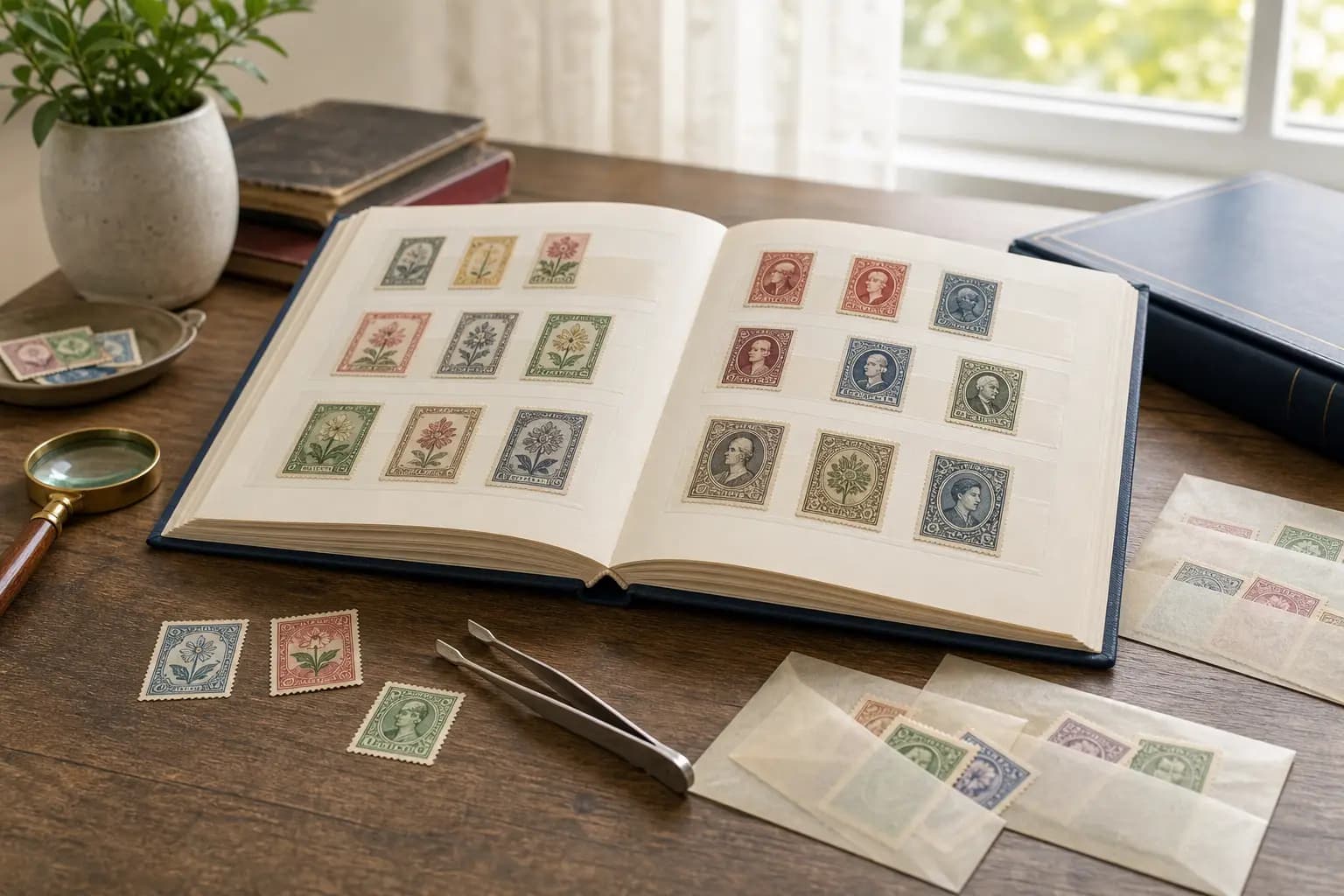
The quickest way to begin is to choose one simple starting point
If you have very little time, the best way to start is not to chase every stamp at once. A practical beginner collection can be built around one country, one topic, one type, or even a simple mix of interesting stamps that arrive in the mail. The American Philatelic Society notes that there is no right or wrong way to collect, so the key is to choose a path that fits your schedule and keeps the hobby enjoyable.
For many people, a small and focused collection is easier to manage than a worldwide approach. The same source explains that worldwide collecting can become unrealistic if you try to gather every stamp issued everywhere, while country collecting, topical collecting, and collecting by type give you clearer limits. If your time is limited, those limits matter because they help you make decisions quickly instead of delaying the hobby altogether.
Choose a narrow goal before you sort anything
A strong starting question is: what do I already like? The evidence from the American Philatelic Society shows that many collectors begin with a topic they enjoy, such as animals, birds, flowers, ships, space, scouts, Disney, or sports. Other collectors choose stamps from a single country, from the country where they live, or from a place that has personal meaning. That kind of choice makes it easier to recognize what belongs in the collection and what does not.
You can also narrow the scope by format or period. The same source mentions collectors who limit themselves to stamps issued since they were born, or to specific kinds such as airmail, coil, special delivery, or postage due. If your available time is short, a narrower rule reduces sorting time and prevents the collection from becoming too broad to maintain.
Use only a few basic tools to work safely
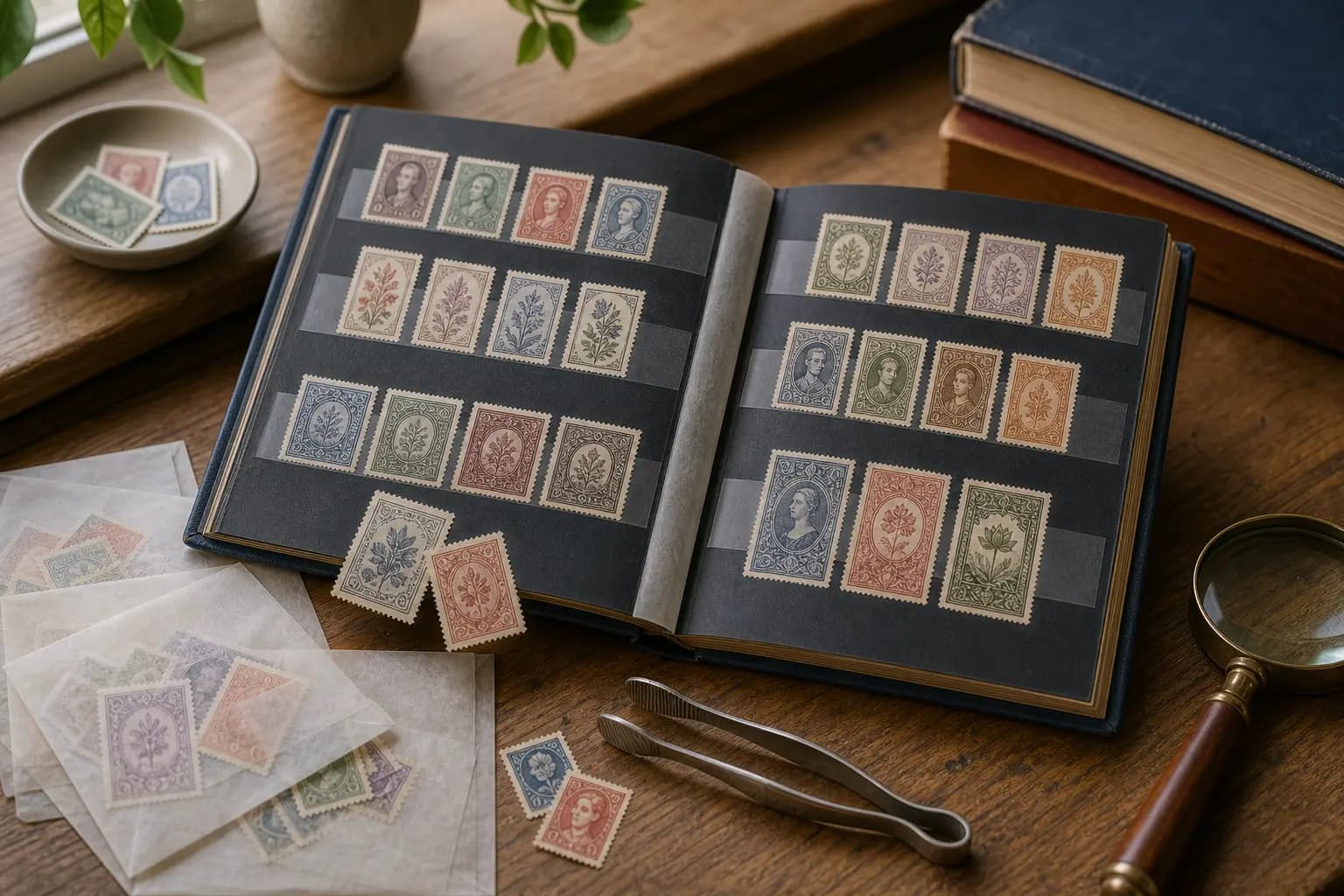
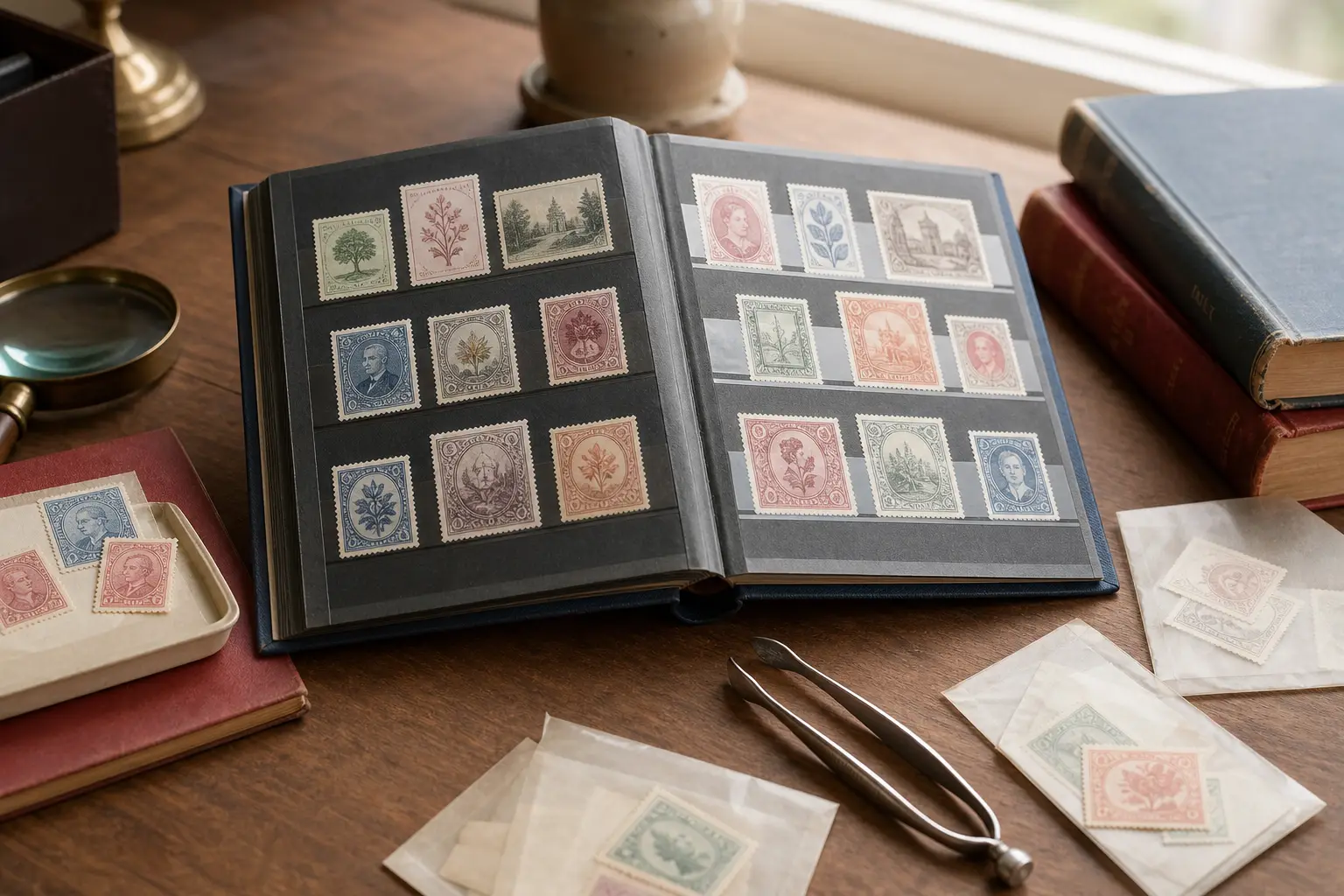
You do not need a large setup to begin. The Smithsonian National Postal Museum says a simple pair of stamp tongs, an album, and a general reference book are enough for a new collector. Tongs are important because they let you pick up loose stamps without direct finger contact. That reduces handling wear and helps keep stamps cleaner while you decide what to keep.
A magnifying glass can help you see small design details, and a perforation gauge can help distinguish look-alike issues by measuring perforations. The museum also describes watermark detectors, color guides, and catalogs as specialist aids. These tools are useful, but the museum cautions that physical observations should be compared with reliable references rather than treated as conclusive on their own.
Sort first, but do not force an identification too quickly
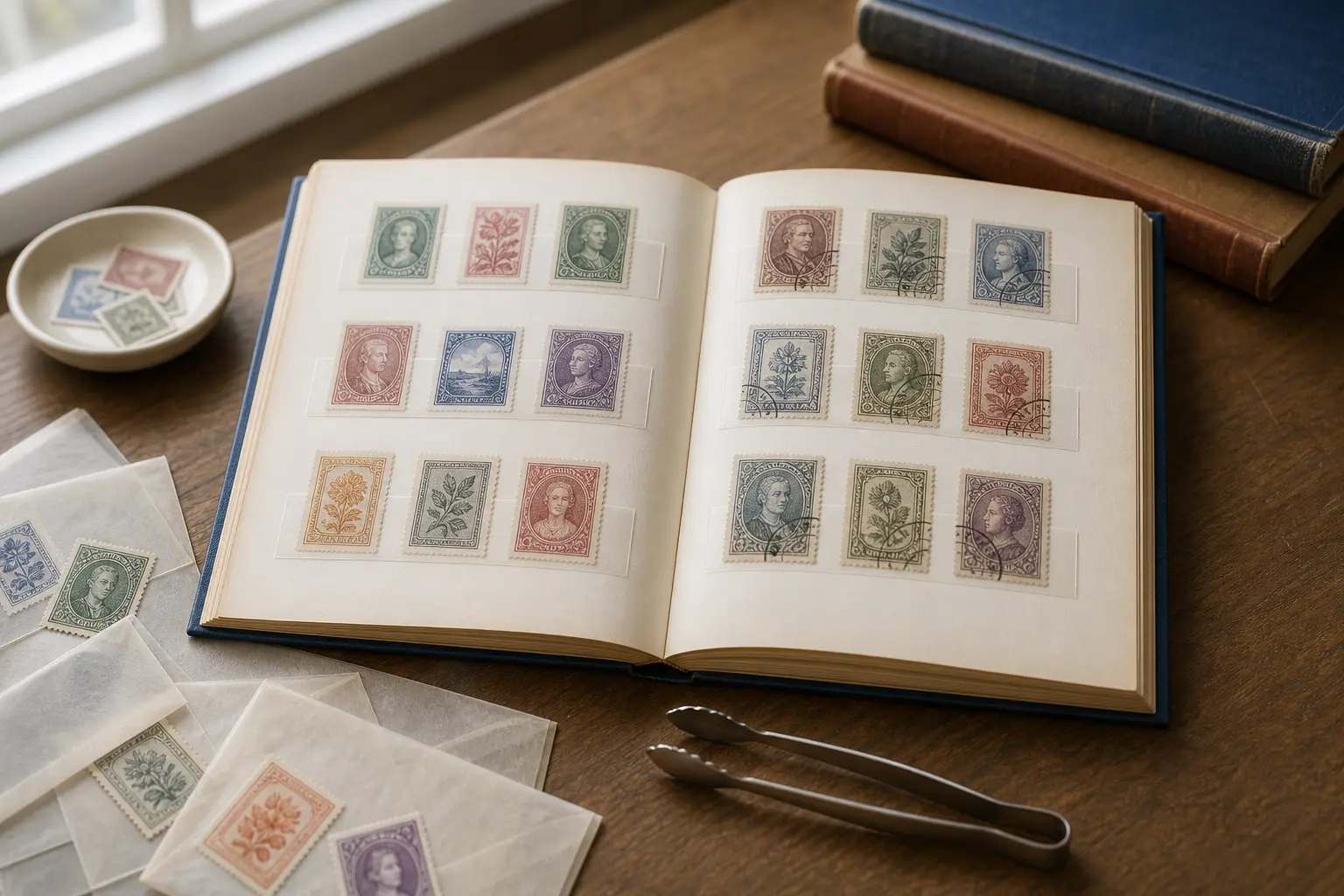
When time is short, begin with simple sorting rather than trying to solve every puzzle at once. Separate stamps by obvious features such as country, topic, type, or whether they are mint or used. The American Philatelic Society explains that used stamps have served their intended purpose of carrying the mail, while mint stamps have never been used and look as they did when sold at the post office. That basic distinction is often enough to organize a first batch.
If a stamp looks unusual, pause before making a final decision. The Smithsonian National Postal Museum recommends comparing what you see with catalogs and other reliable references. That approach is safer than guessing from appearance alone, especially when two similar stamps may differ in perforations, printing method, or other details that are hard to judge without a reference. If you are building records digitally, StampSnap can help you create a likely identification or collection note, but it should still be checked against trustworthy references.
Keep the process enjoyable and realistic
A time-limited collection works best when it is easy to sustain. The American Philatelic Society emphasizes that stamp collecting is flexible, suitable for nearly all ages, and possible all year round. That flexibility matters because a collection should fit your life, not the other way around. If you can spend only a few minutes at a time, let those short sessions build a collection gradually.
It also helps to remember that value is not the only reason people collect. The society notes that many collectors do it for relaxation and enjoyment, and that stamps can also be miniature works of art. A realistic beginner goal is simply to learn enough to make informed choices and keep the material organized safely. That goal is much more sustainable than trying to finish a grand collection immediately.
A simple first-week plan for busy beginners
If you want a practical plan, start with three steps: choose one collecting rule, gather the basic tools, and sort your first group of stamps into broad categories. For example, you might decide to collect one country, or one topic, or only used stamps. Then set aside a short time to separate what you already have, mark uncertain items, and place the rest into an album or temporary storage.
After that, consult a reliable reference before you try to name every item exactly. The museum guidance makes clear that catalogs and similar references should support your observations, not replace them. This method keeps the hobby safe, prevents overconfident guesses, and lets you build a clean record as you go. Over time, a few short sessions can become a well-organized collection.
When to slow down and ask for help
If a stamp seems important, hard to identify, or too different from the rest, slow down and compare it carefully with trusted references. The supplied evidence does not support treating visual inspection alone as final proof. That means a cautious collector should avoid forcing a conclusion when the details are unclear.
A club, specialist reference, or careful note-taking can help when your own time is limited. The point is not to rush through the material, but to make each decision stable enough that you do not need to undo it later. A small, well-labeled collection is better than a large one that you cannot maintain.
Frequently asked questions
What is the easiest way to start stamp collecting if I am busy?
Choose one simple rule, such as one country, one topic, or used stamps only, then sort your first stamps into broad groups using tongs and a basic reference.
Do I need expensive tools to begin?
No. The Smithsonian National Postal Museum says a beginner can start with stamp tongs, an album, and a general reference book.
Can I identify a stamp just by looking at it?
Not always. The museum advises comparing physical observations with reliable references, because visual clues alone may not be conclusive.
Should I collect mint or used stamps if I have little time?
Either choice is fine. The American Philatelic Society says the decision is yours, and used stamps can be easier because you do not need to worry about preserving gum.
What should I do with stamps I cannot identify right away?
Set them aside, label them as uncertain, and check them against a catalog or other reliable reference before making a final decision.