Why Perforations Matter in Stamp Identification
Many postage stamps feature similar or even identical designs, but differ in their perforation measurements. Perforations are the small holes or cuts along the edges of a stamp, allowing easy separation from a sheet. Identifying the correct perforation is essential for distinguishing between varieties, which can affect both cataloging and value.
Collectors often encounter stamps that look alike at first glance, only to discover subtle differences upon closer inspection. Perforation measurements are one of the most reliable ways to tell these stamps apart, especially when other features such as color or printing method are not conclusive. Using a perforation gauge provides a safe, accurate way to measure these differences.
What Is a Perforation Gauge?
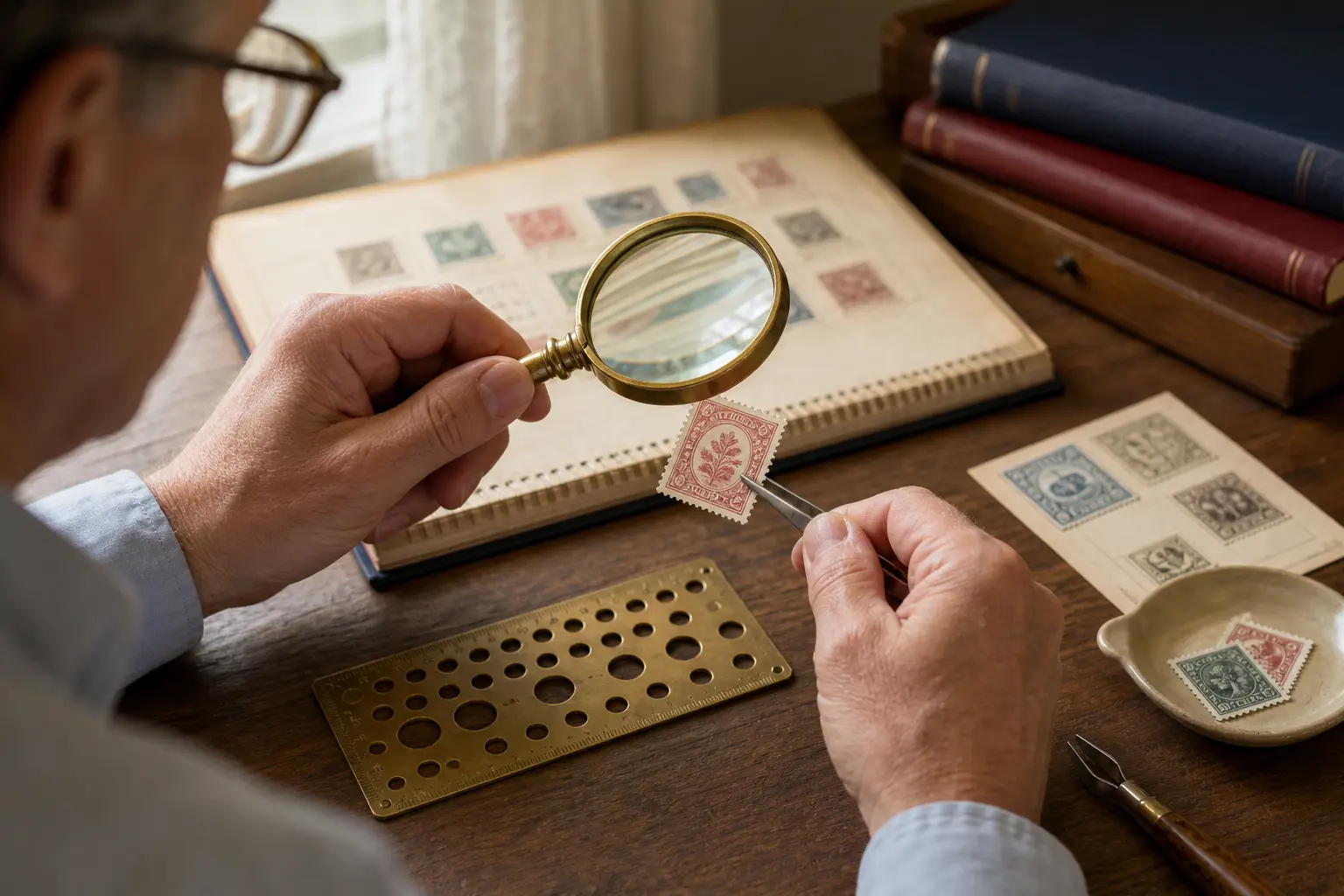
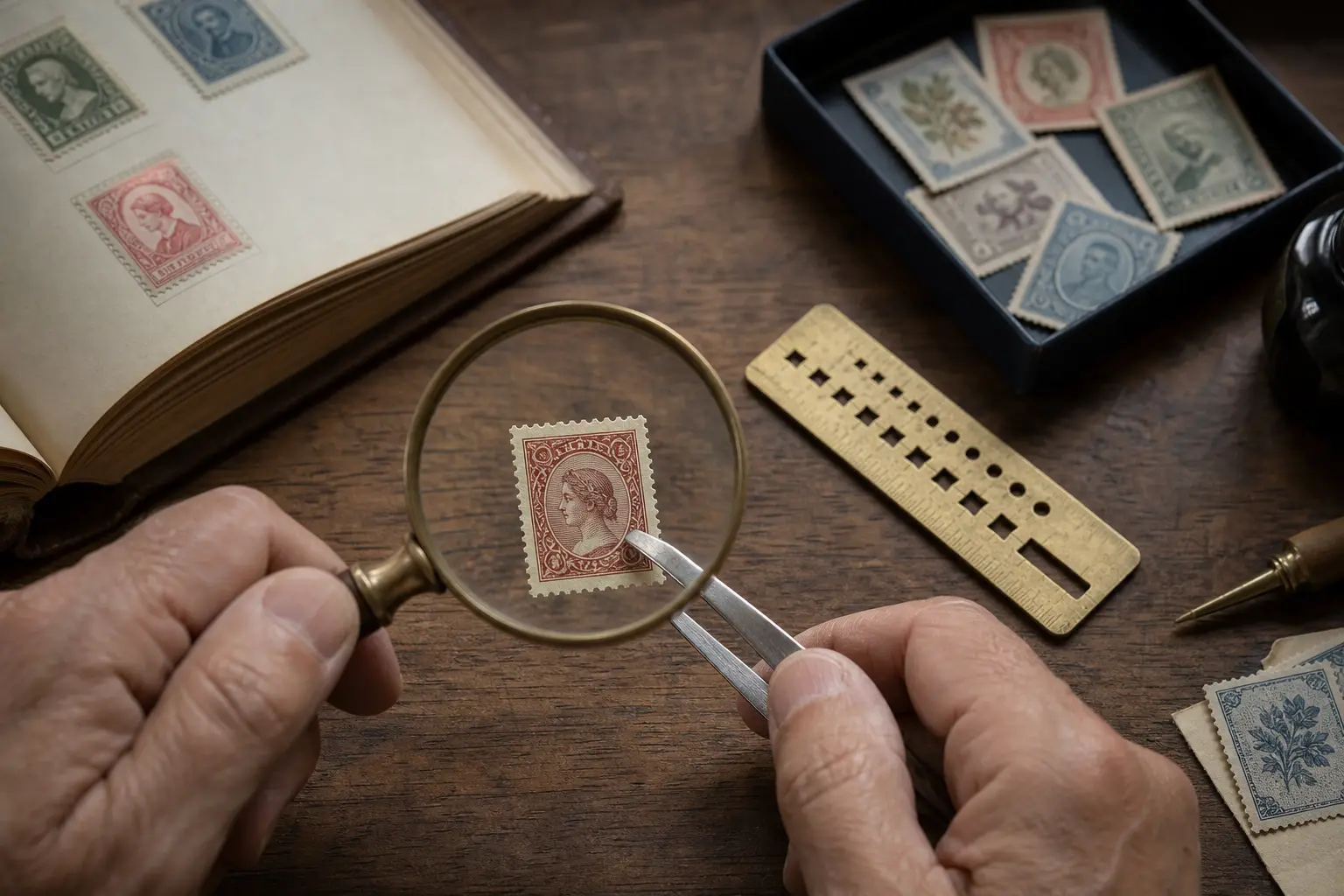
A perforation gauge is a specialized tool designed to measure the number of perforation holes along a 20-millimeter segment of a stamp’s edge. The tool is usually made from cardboard, plastic, or metal, and features scales marked with different perforation sizes. By matching a stamp’s perforations against these scales, collectors can determine the exact measurement.
Perforation gauges are widely available from stamp dealers and online suppliers. They are simple to use and help avoid confusion when cataloging stamps. According to the American Philatelic Society, using a gauge is much easier and more reliable than counting perforations by hand, which can be confusing and prone to error.
Safe Handling: Preparing Your Stamp for Measurement
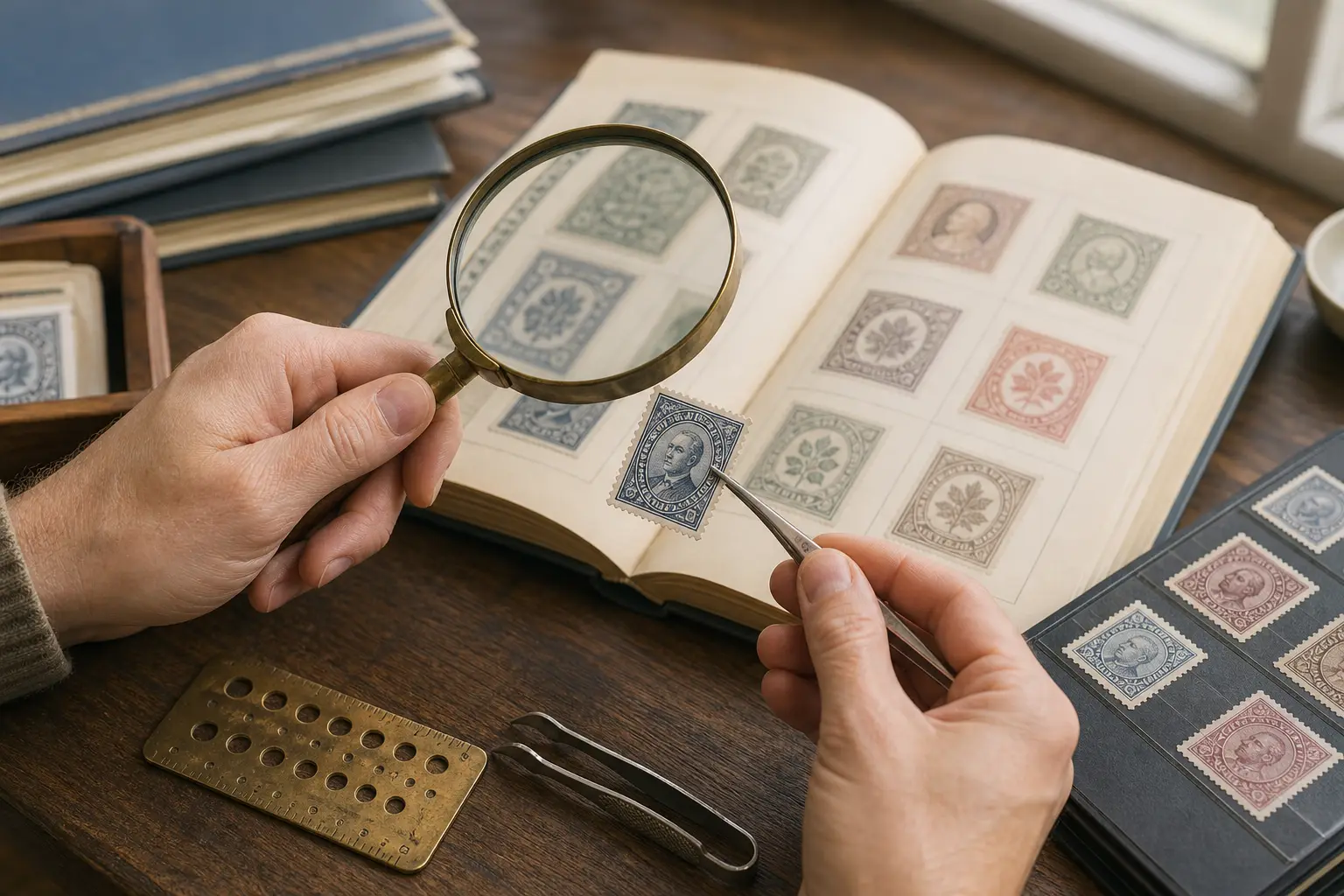
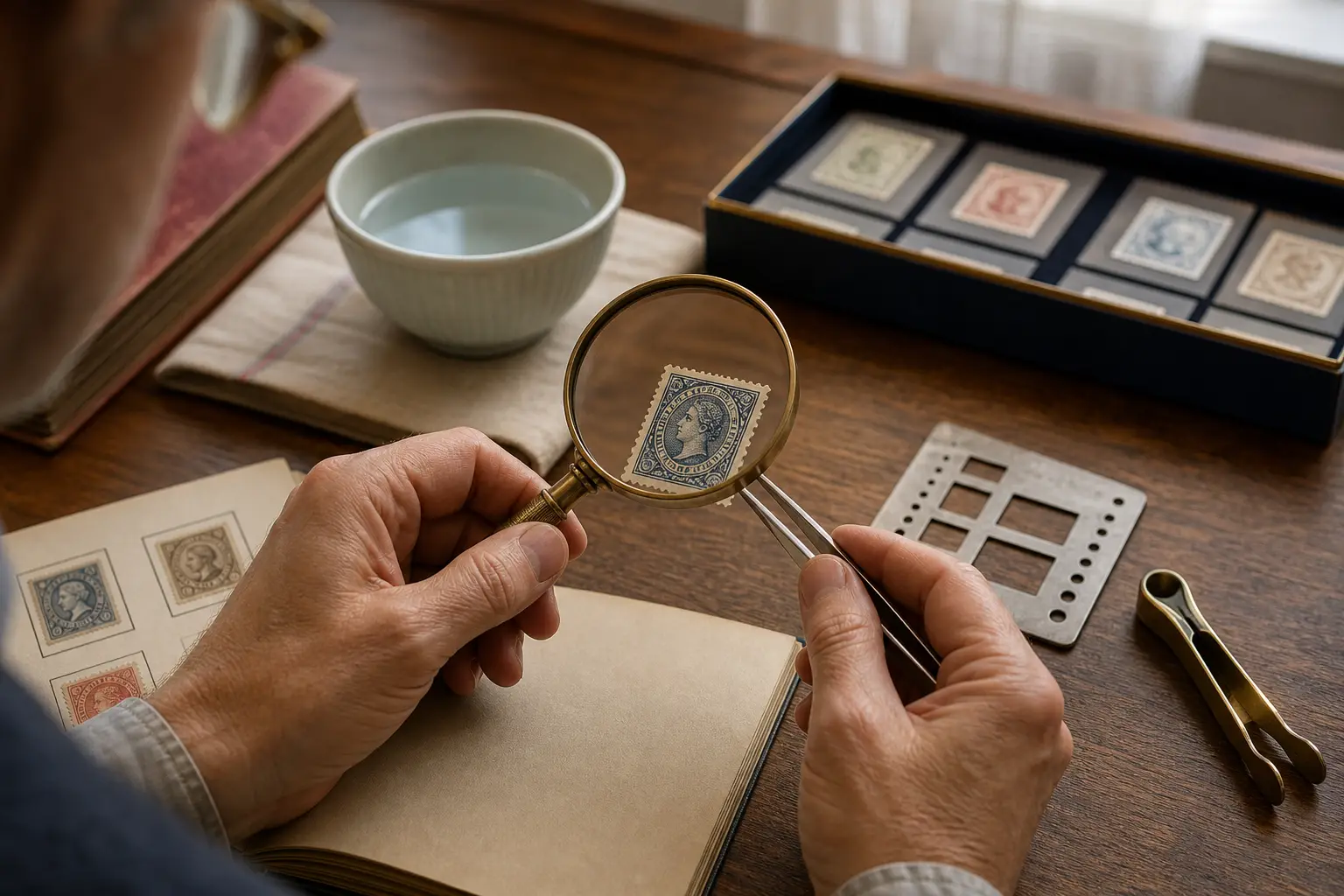
Before measuring perforations, handle your stamp carefully to avoid damage. The American Philatelic Society recommends using stamp tongs, which are tweezers with smooth gripping surfaces. Tongs prevent oils from your skin from transferring to the stamp, which can cause long-term harm.
Always work on a clean, flat surface, and avoid excessive handling. If your stamp is mounted in an album or stock book, do not attempt to remove it unless you have the proper tools and experience. For loose stamps, gently pick them up with tongs and place them on the gauge for measurement.
Step-by-Step: How to Use a Perforation Gauge
1. Place your stamp face up on the gauge. Align one edge of the stamp with the scales on the gauge, making sure the perforation holes are visible and unobstructed.
2. Slide the stamp along the scales until you find a match where the holes line up exactly with the printed marks on the gauge. Do not force the stamp or press it down; gentle alignment is sufficient.
3. Read the perforation measurement from the scale. The number will indicate how many holes appear in a 20-millimeter segment. Record this measurement for your collection notes.
If your stamp does not match any scale exactly, double-check your alignment and try another edge. Some stamps have different perforations on each side, so measure all edges if necessary.
Common Challenges and How to Address Them
Some stamps have irregular or damaged perforations, making measurement difficult. In these cases, use the best-preserved edge for your measurement, and note any irregularities in your collection record. If the perforations are worn or missing, identification may remain uncertain.
Occasionally, stamps with similar designs and perforations may still be hard to distinguish. Combine perforation measurements with other identification methods, such as watermark detection or catalog reference, for greater accuracy. StampSnap can help create a digital record, but always verify measurements with a physical gauge.
Recording and Organizing Your Findings
Once you have measured and identified the perforation, record the result in your collection notes or digital database. Include the stamp’s design, country, issue date, and perforation measurement. Proper documentation helps you track varieties and avoid confusion later.
Stamp albums and stock books are recommended for safe storage. Use hinges or mounts, as advised by the American Philatelic Society, and avoid tape or glue. Keeping your records organized will make future identification and valuation easier.
When to Seek Expert Advice
If you encounter a stamp with unusual or ambiguous perforations, or if you are unsure about your measurement, consult a reputable dealer or philatelic society. The American Philatelic Society offers resources and guidance for collectors facing complex identification issues.
Remember that visual identification is not always conclusive, especially with rare or damaged stamps. Expert advice can help resolve uncertainty and ensure your collection is accurately cataloged.
Frequently asked questions
What is a perforation gauge and why is it important?
A perforation gauge measures the number of holes along a stamp’s edge, helping collectors distinguish between stamps with nearly identical designs. This is important for accurate identification and cataloging.
How do I safely handle stamps when measuring perforations?
Use stamp tongs to avoid touching stamps with your fingers. Work on a clean, flat surface and avoid removing stamps from albums unless you have the proper tools.
Can I identify a stamp solely by its perforation measurement?
Perforation measurement is a key factor, but it should be combined with other methods such as watermark detection and catalog reference for accurate identification.
What should I do if my stamp’s perforations are damaged?
Measure the best-preserved edge and note any irregularities in your records. If identification remains uncertain, seek expert advice.
Where can I find more information on stamp identification tools?
The American Philatelic Society provides detailed guides and videos on tools such as perforation gauges and stamp tongs. Visit their website for more resources.