Understanding Cancellation Marks and Their Impact
Cancellation marks are applied to stamps to indicate they have been used for postage. These marks can range from simple ink lines to elaborate postmarks and are a fundamental aspect of stamp collecting. The presence, type, and clarity of a cancellation often influence the value of a stamp, sometimes making it more desirable or, in other cases, reducing its appeal.
Collectors should recognize that not all cancellations are equal. Some stamps with rare or historical cancellations may be sought after, while others with heavy or poorly placed marks may be less valuable. The American Philatelic Society notes that the difference between a new unused stamp and a new unused stamp with cancellation marks is significant, and understanding these differences is essential for accurate valuation.
Types of Cancellation Marks
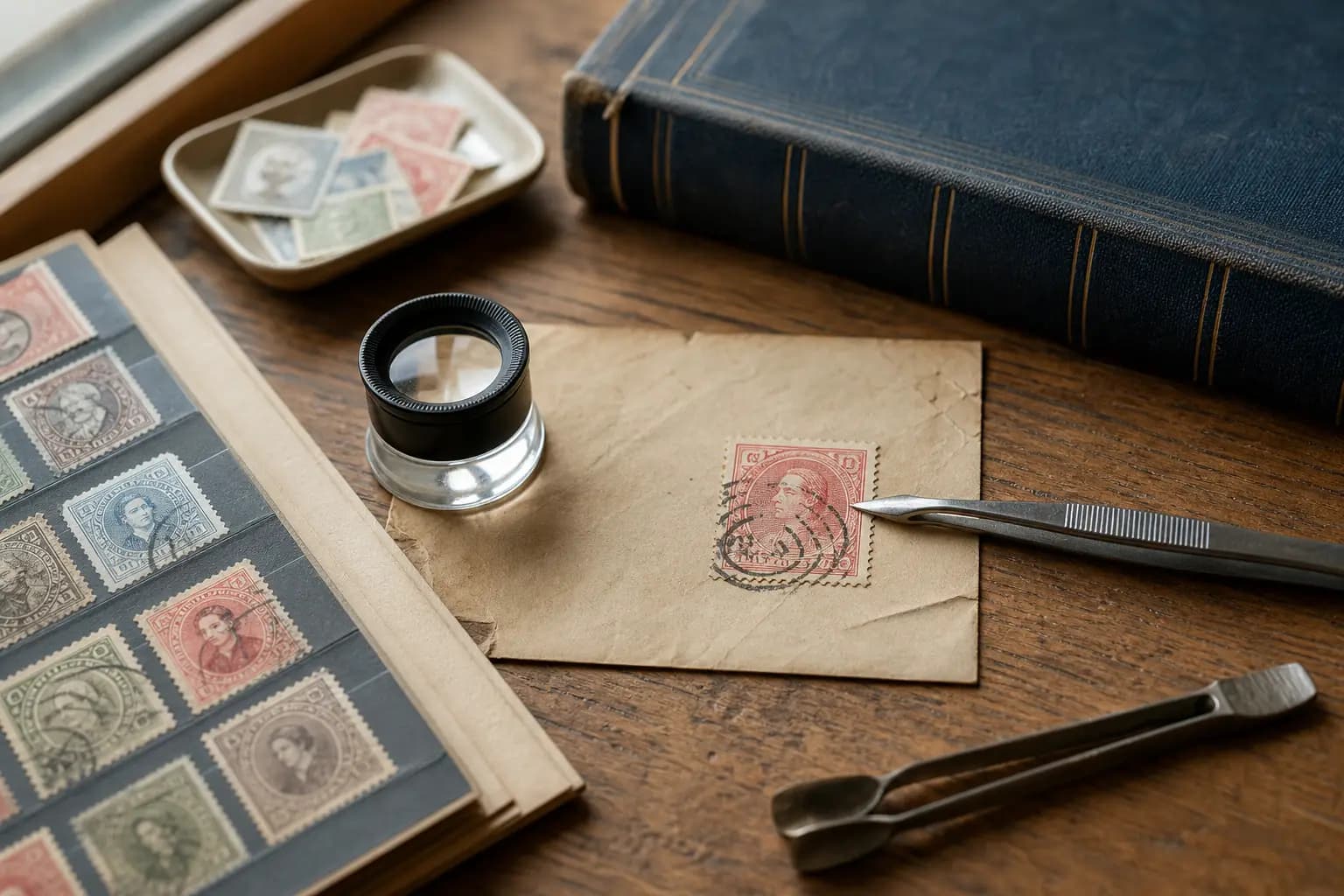
There are many types of cancellation marks, including handstamps, machine cancels, and pictorial postmarks. Each type can affect value differently. For example, a light, clear postmark that does not obscure the stamp's design is often preferred by collectors, while heavy or smeared cancellations can detract from a stamp's appeal.
Some cancellations, such as those from rare post offices or special events, can add interest and value. Conversely, generic or common cancellations typically do not enhance a stamp's worth. It is important to examine the cancellation carefully, noting its placement, clarity, and any historical significance.
Evaluating the Condition of Used Stamps
Condition is a key factor in stamp valuation, especially for used stamps. Beyond the cancellation mark itself, collectors should assess the stamp for faults such as thins, creases, tears, or fading. The American Philatelic Society recommends attention to detail when reviewing every aspect of a stamp, including its physical state and any unique characteristics.
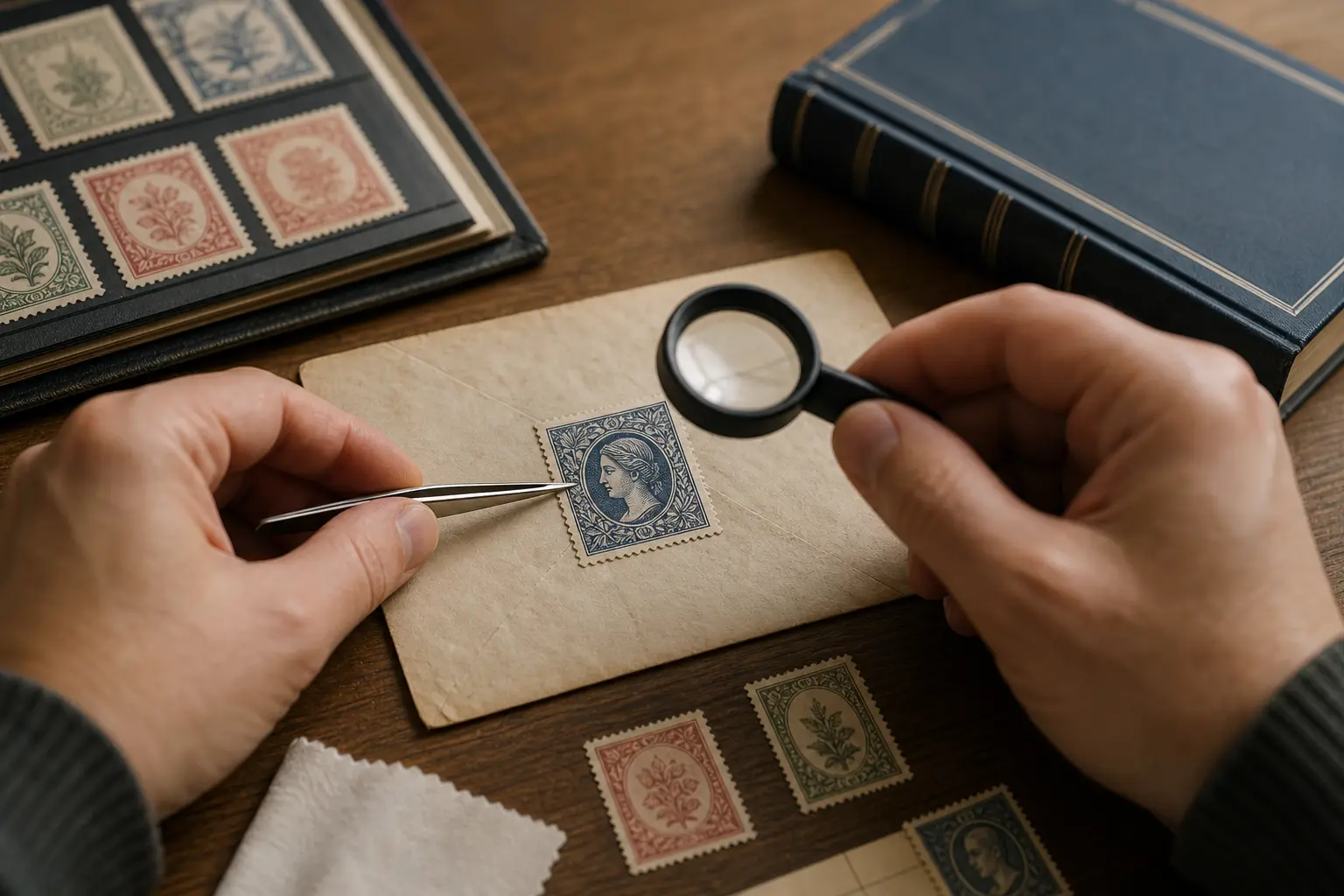
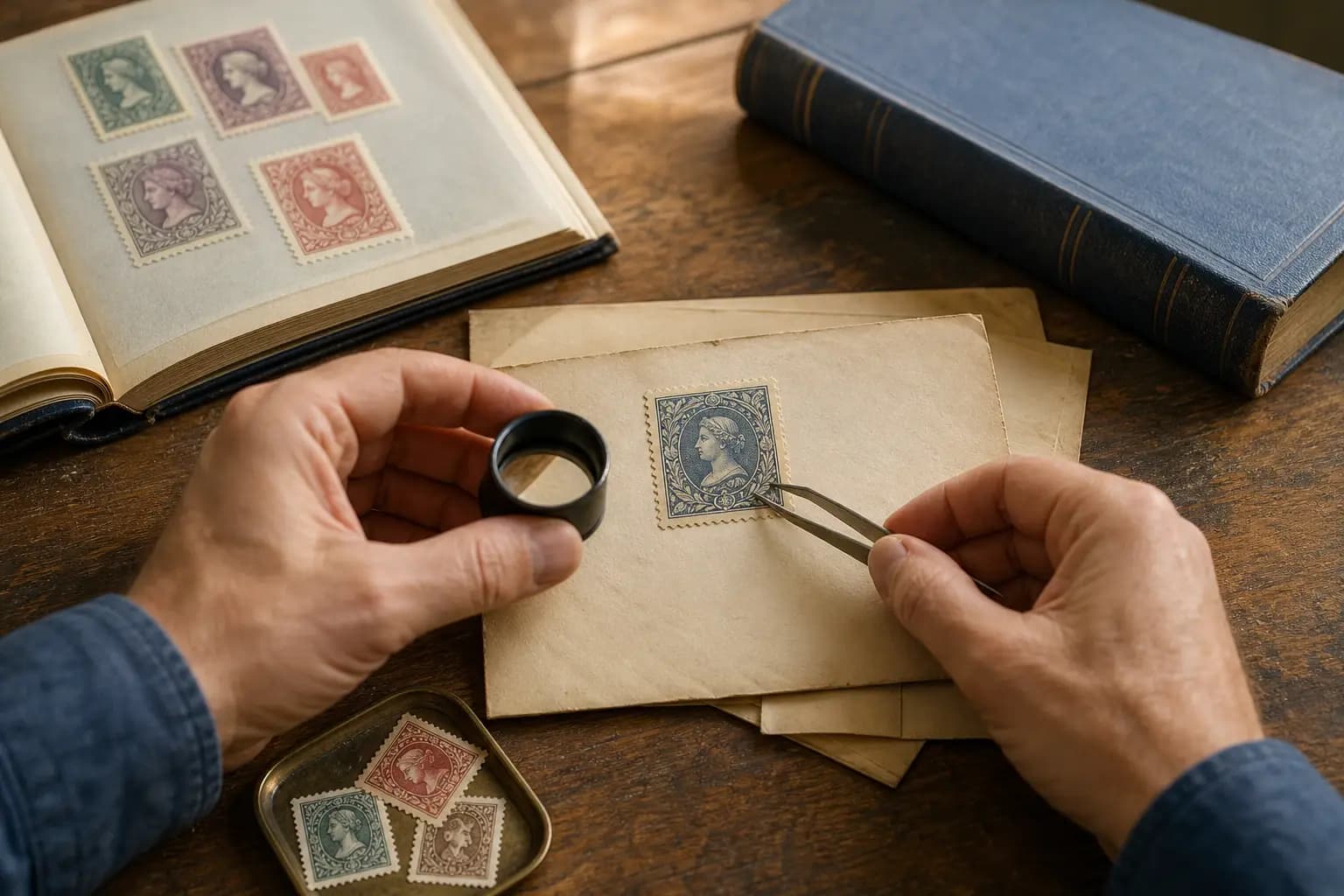
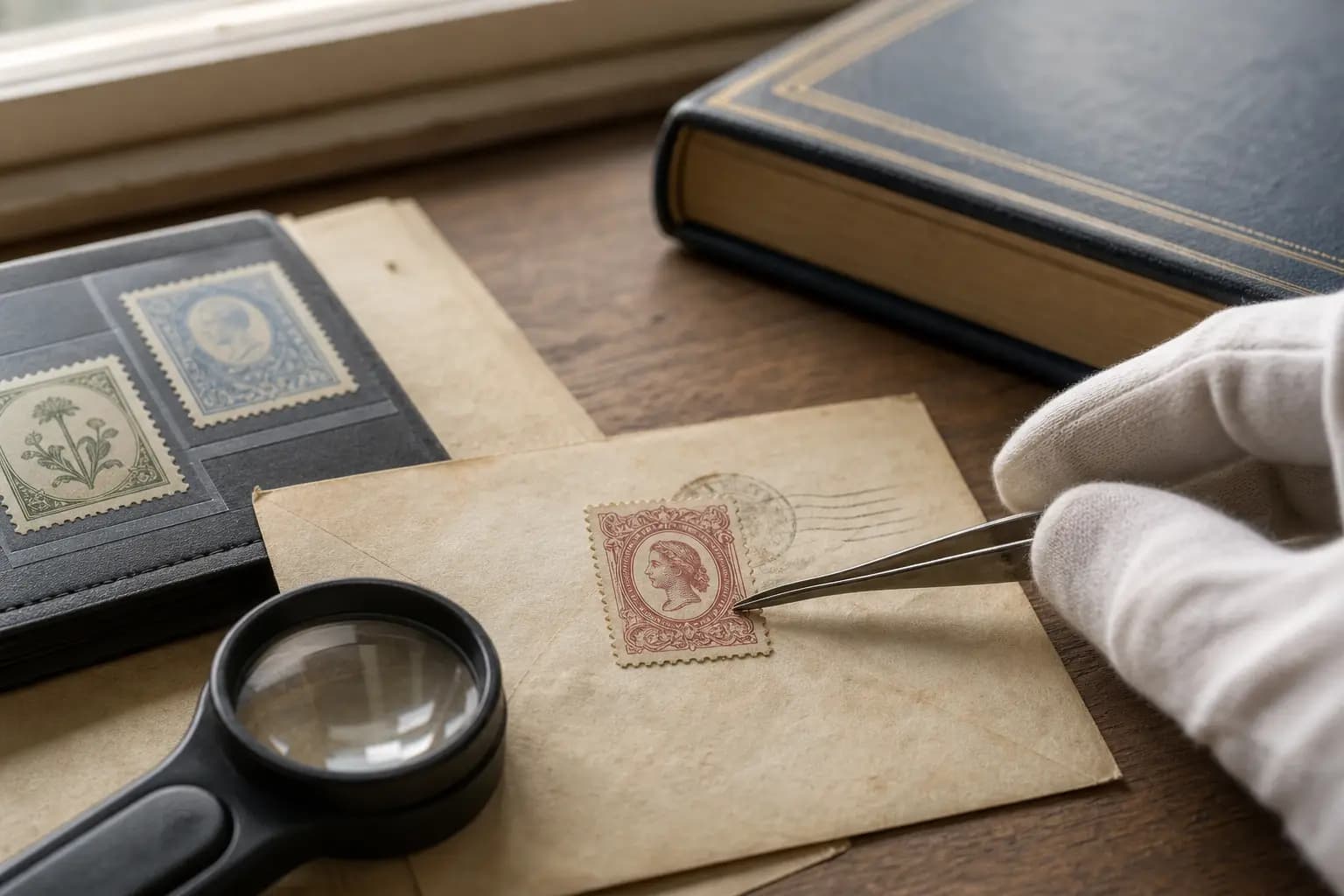
Safe handling is essential. Use stamp tongs to avoid touching the stamp directly, and inspect the stamp under good lighting. If further examination is needed, such as checking for watermarks or hidden faults, use specialized tools and fluids recommended for philatelic use, avoiding household solvents or adhesives.
Cataloging and Identifying Stamps with Cancellations
Accurate identification is crucial for valuation. Stamp catalogs often list both unused and used versions of the same stamp, sometimes assigning different catalog numbers based on cancellation or other features. The American Philatelic Society advises collectors to carefully review catalog entries and pay attention to details such as watermark, perforation, and color, as well as cancellation type.
Apps like StampSnap can assist in creating a digital record and likely identification of a stamp, including its cancellation. However, visual identification may not always be conclusive, especially if the cancellation obscures key design elements. In such cases, further research or expert advice may be necessary.
Special Cases: Valuable and Unusual Cancellations
Some stamps with unusual or historical cancellations can be highly collectible. For example, stamps cancelled at rare post offices, during significant events, or with unique markings may command increased interest. The American Philatelic Society highlights that attention to detail and curiosity are vital when evaluating such stamps, as small differences can have a major impact.
If you suspect a stamp has a rare cancellation, document it carefully and seek information from reliable philatelic sources or societies. Avoid removing stamps from covers or altering them, as the context of the cancellation can be important for valuation.
Safe and Methodical Valuation Process
To value a stamp with cancellation marks, follow a step-by-step process: First, identify the stamp and its catalog listing, noting whether it is listed as used or unused. Second, examine the cancellation for clarity, placement, and any special features. Third, assess the overall condition of the stamp, checking for faults. Fourth, compare your findings with catalog descriptions and seek additional information if needed.
Always use appropriate philatelic tools and avoid handling valuable material without proper equipment. Apps like StampSnap can help organize your collection and record details, but official authentication or appraisal should be sought from recognized experts if required.
Explaining Uncertainty in Valuation
Valuing stamps with cancellation marks involves a degree of uncertainty. Catalog values are estimates and depend on condition, rarity, and collector demand. The impact of a cancellation can vary widely, and visual identification may not always reveal all relevant details.
When in doubt, consult reputable philatelic organizations or experienced collectors. The American Philatelic Society offers advice and resources for collectors seeking further information. Remember that safe handling and careful documentation are essential throughout the process.
Frequently asked questions
How do cancellation marks affect the value of a stamp?
Cancellation marks can either increase or decrease a stamp's value depending on their type, clarity, and historical significance. Clear, light, or rare cancellations may be desirable, while heavy or common marks can detract from value.
What types of cancellations are most valuable?
Cancellations from rare post offices, special events, or with unique designs are often more valuable. Generic or poorly placed cancellations typically do not enhance a stamp's worth.
How should I safely evaluate a used stamp?
Use stamp tongs for handling, inspect under good lighting, and use recommended philatelic tools for further examination. Avoid household solvents, tape, or removing stamps from covers.
Can StampSnap help identify stamps with cancellation marks?
StampSnap can assist in creating a likely identification and digital record, but visual identification may not always be conclusive if the cancellation obscures key features.
Where can I get expert advice on valuing stamps with cancellations?
The American Philatelic Society provides resources and expert advice for collectors. Consult their website or contact their staff for further information.