1. Exact identification sets the comparison group
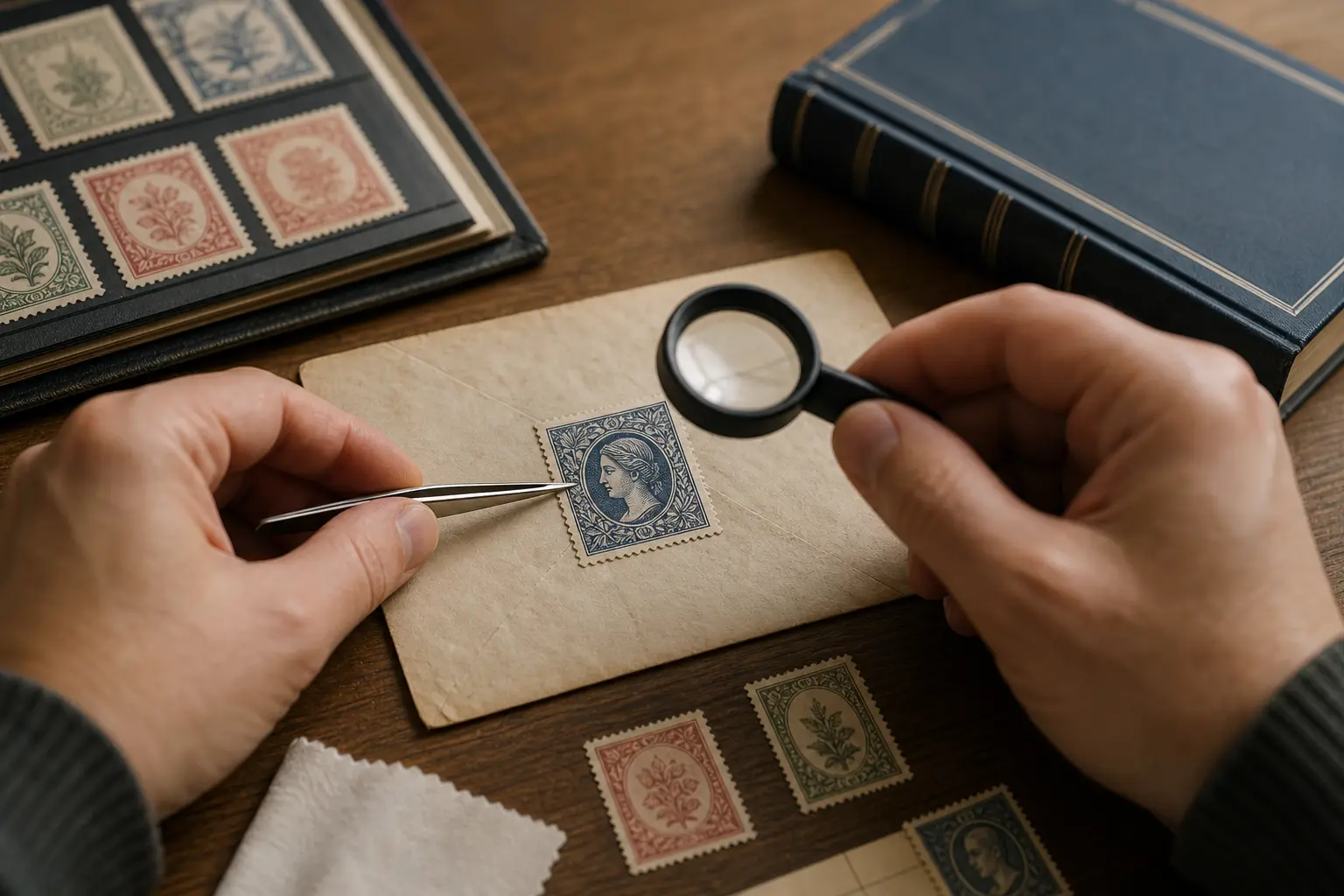
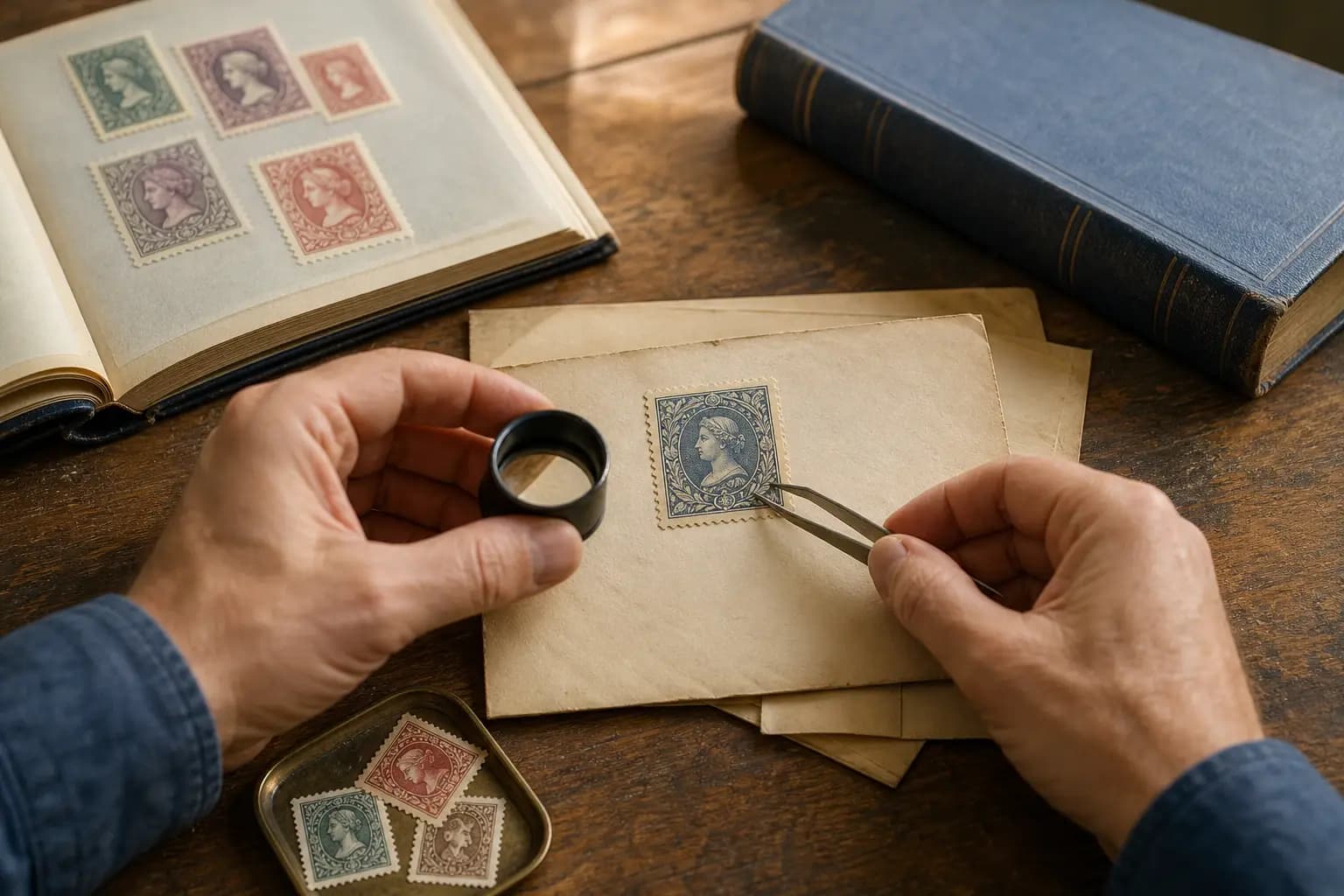
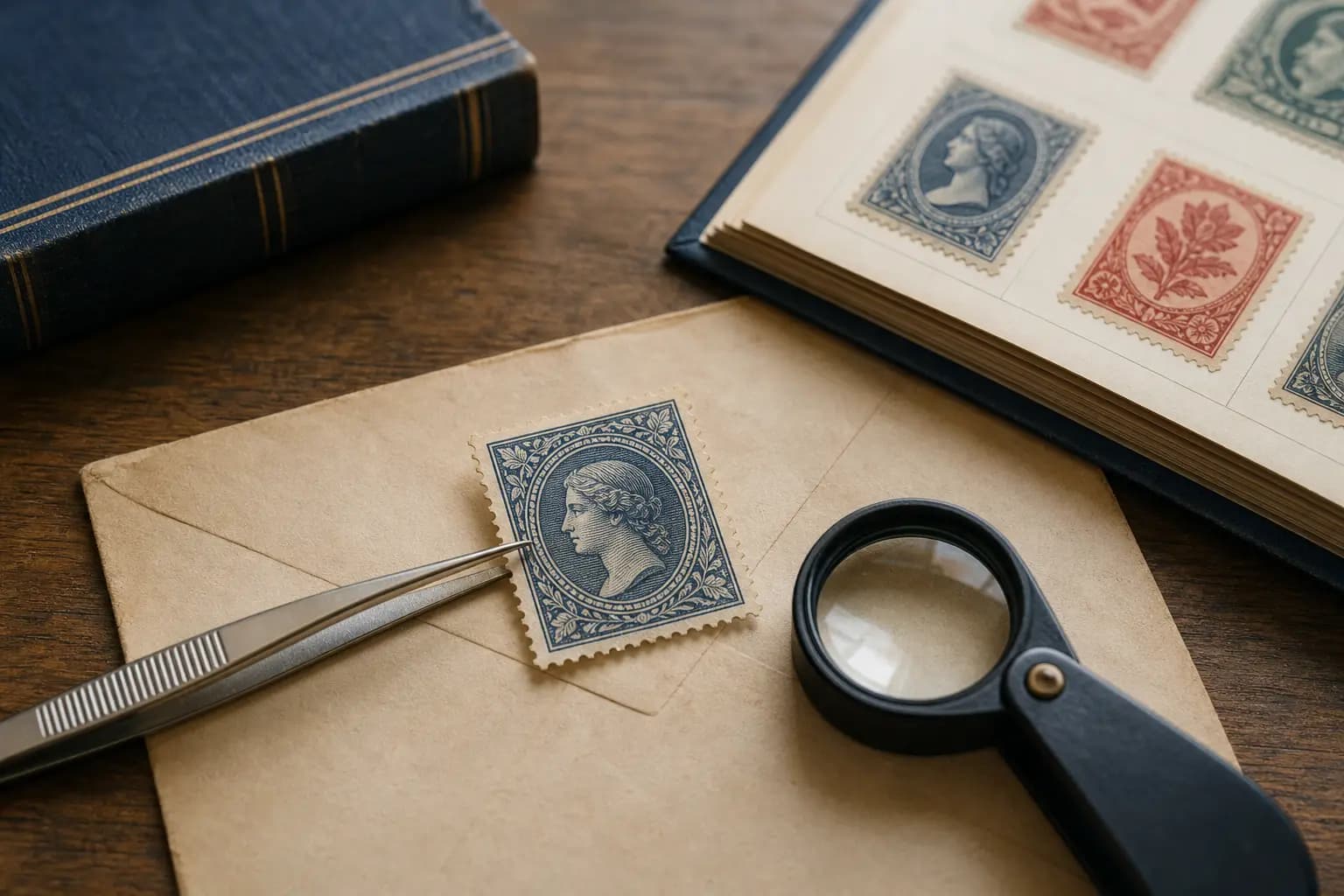
A price is meaningful only when it belongs to the exact item being evaluated. Stamps with the same central design may differ by watermark, paper, perforation gauge, printing plate, shade, overprint, denomination, or year. Those differences can place them in completely different catalog listings. Begin by recording the visible details and narrowing the variety as far as the evidence allows. If the identification remains uncertain, the value should remain uncertain too.
This is where photo recognition can save time. StampSnap can suggest a likely issue and organize the country, year, denomination, printing, rarity, and other visible clues into a record. Use that result to reach the correct section of a catalog and to find comparable examples. Do not transfer a headline price from a similar-looking rarity to a common version of the design.
2. Scarcity matters only when collectors want the item
Scarcity describes how many examples exist or reach the market, but demand determines whether buyers compete for them. A genuinely scarce local issue may have a small specialist audience, while a more available classic with a famous design can attract broader demand. Postal history, topical interest, country specialization, and the completeness of an issue can all shape that audience.
Age is therefore a weak shortcut. Many old stamps were printed in large quantities and survive in collections. Some modern errors or short-lived postal uses are scarcer than much older material. Ask two separate questions: how difficult is this exact item to obtain, and how many informed collectors are currently looking for it?
3. Condition can dominate the final result
Collectors examine centering, margins, perforations, creases, thins, tears, stains, fading, foxing, repairs, gum, hinges, and the quality of a cancellation. The importance of each feature depends on the issue. A stamp that was poorly centered when produced may be unusual in well-centered condition. A heavy cancellation may obscure the design, while a clear and historically interesting postmark can add a different kind of appeal.
Condition terminology is not perfectly interchangeable across catalogs, dealers, and grading services. Compare the actual faults and strengths, not just a label such as fine or very fine. A phone photograph can reveal several surface features, but it may not show regumming, reperforation, a repaired tear, a thin spot, or the watermark. Physical inspection remains essential when the difference matters.
4. Provenance and certification can reduce uncertainty
A documented history does not automatically create value, but it can help establish that an item is the example described and has not appeared with a conflicting identity. Certificates from recognized expertizing bodies can be important for stamps with known forgeries, altered overprints, repaired faults, or scarce varieties. The certificate itself should be checked for date, scope, photographs, and any qualifications in the opinion.
For inherited collections, preserve album notes, auction invoices, certificates, and envelopes while you sort. Even when the notes are not authoritative, they may point to the catalog system or acquisition that a later expert needs to reconstruct. Removing a stamp from its context too early can destroy useful evidence.
5. Sold results are stronger evidence than ambitious asking prices
Catalog values create a consistent reference point, but they are not promises. A real transaction reflects the exact variety, condition, certification, venue, fees, buyer competition, and date. Compare recent completed sales for the same issue and similar condition. Read the lot description and condition report, because an identical catalog number can still represent a very different physical item.
Online asking prices are easy to find and easy to misread. A listing may remain unsold for months, use the wrong identification, or show a price designed to invite offers. Auction realizations and reputable dealer sales provide better context, but even those require comparable condition. Build a range from several relevant observations rather than anchoring on the highest number.
6. An estimate is a research tool, not an appraisal
StampSnap's estimated value helps you prioritize research and understand which factors may deserve attention. It is informational and based on a likely identification plus the evidence visible in the image. It cannot certify authenticity, detect every repair, or predict the price a specific buyer will pay. Keep the estimate with the identification notes and update the record when better evidence appears.
For insurance, estates, donations, or significant sales, obtain an opinion from a qualified professional who can inspect the physical material and explain the basis of the valuation. The app is most useful when it turns a box of unknown stamps into an organized shortlist for that deeper work.
Frequently asked questions
Does an old postage stamp automatically have value?
No. Many old stamps survive in large numbers. Exact variety, scarcity, collector demand, condition, and authenticity matter more than age alone.
Is catalog value the price a dealer will pay?
No. Catalog value is a reference. An actual offer reflects condition, demand, the dealer's market, transaction costs, and the time required to resell the item.
Can StampSnap provide an official stamp appraisal?
No. StampSnap provides an informational estimate. Important financial, insurance, estate, or sale decisions should use a qualified physical appraisal.