Why Watermarks Matter in Stamp Valuation
Watermarks are a key security feature in stamp paper, designed to deter counterfeiting. They may appear as words, letters, or symbols and are often invisible without special tools. For collectors, watermarks are critical because stamps with identical designs may differ in value based solely on the presence or type of watermark.
According to the American Philatelic Society, watermarks can be the only distinction between a very common stamp and one valued in the hundreds or thousands. This means that careful watermark identification is essential for accurate valuation and cataloging.
Understanding Watermark Types and Their Impact
Watermarks are created by dies attached to the frame used in papermaking, resulting in thin areas that form the watermark. Stamps may exist both on unwatermarked and watermarked paper, and even with different watermark designs. Each variation typically receives a separate catalog number.
For example, U.S. stamps from 1895-1910 feature a double line 'USPS' watermark, while those from 1910-1916 have a single line 'USPS' watermark. Identifying these differences is crucial, as catalog listings and values depend on them.
Safe Methods for Detecting Watermarks
While some watermarks can be seen by simply holding the stamp up to light, many require more sophisticated tools. The American Philatelic Society recommends laying the stamp face down in a dark tray and using commercial watermark fluid, which reveals the watermark as dark lines against a lighter background.
Commercial watermark fluids, such as Clarity, are designed to evaporate quickly and minimize risk to the stamp's gum and your health. Avoid household solvents, as these may damage stamps or pose health risks. Specialized equipment like the Safe Signoscope or Morley Bright Watermark Detector can also assist, but traditional watermark fluid remains a reliable choice.
Handling Stamps Safely During Watermark Detection
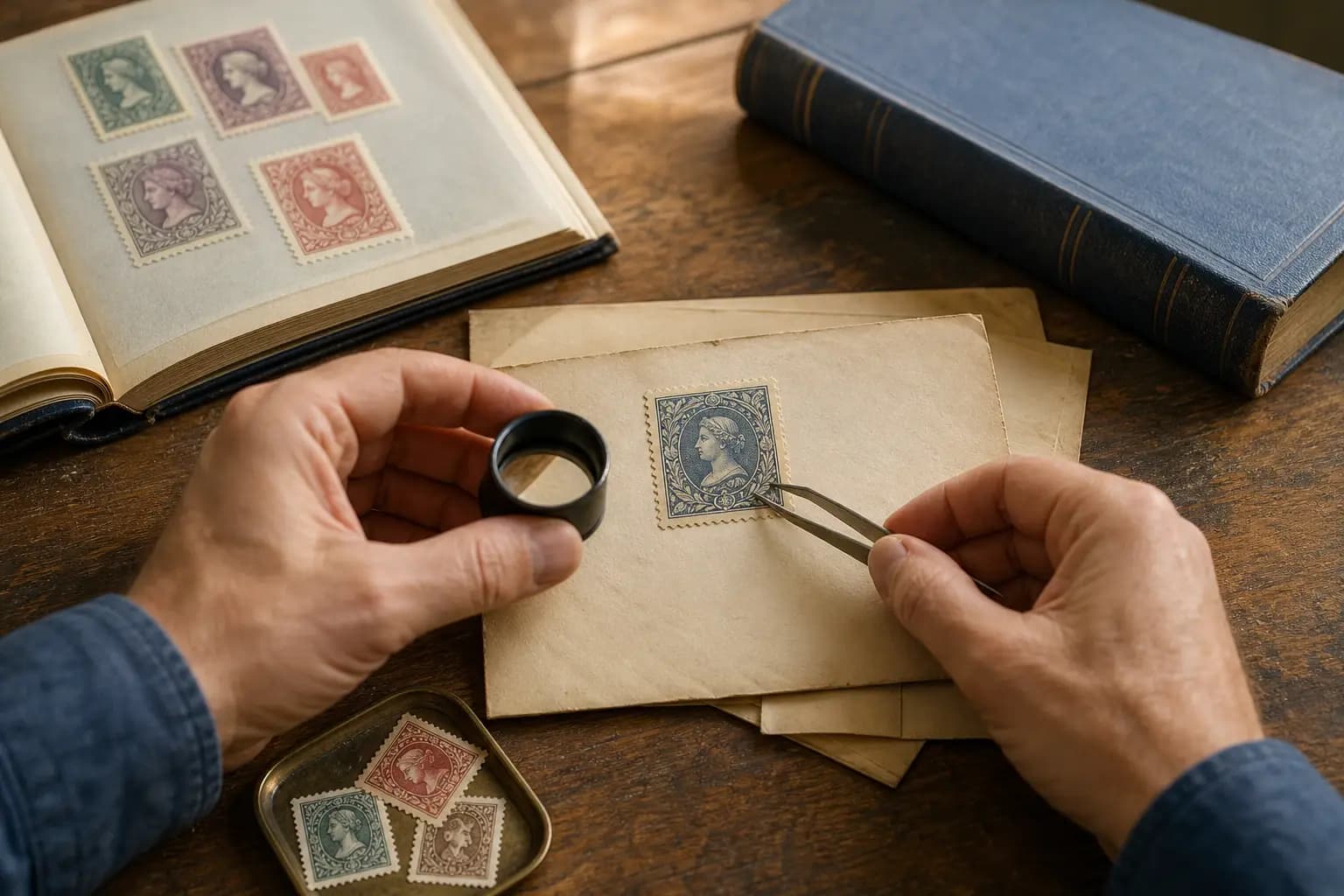
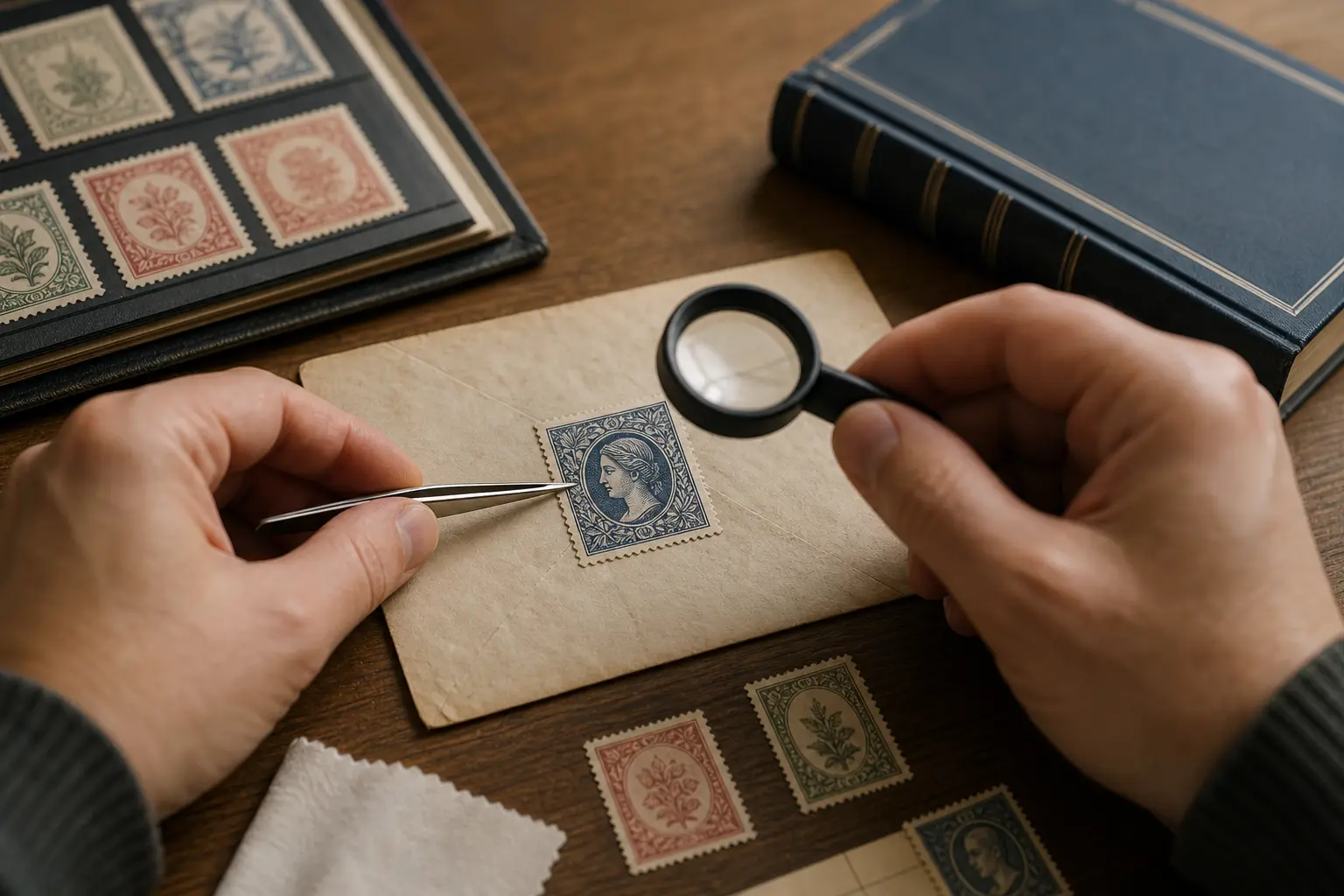
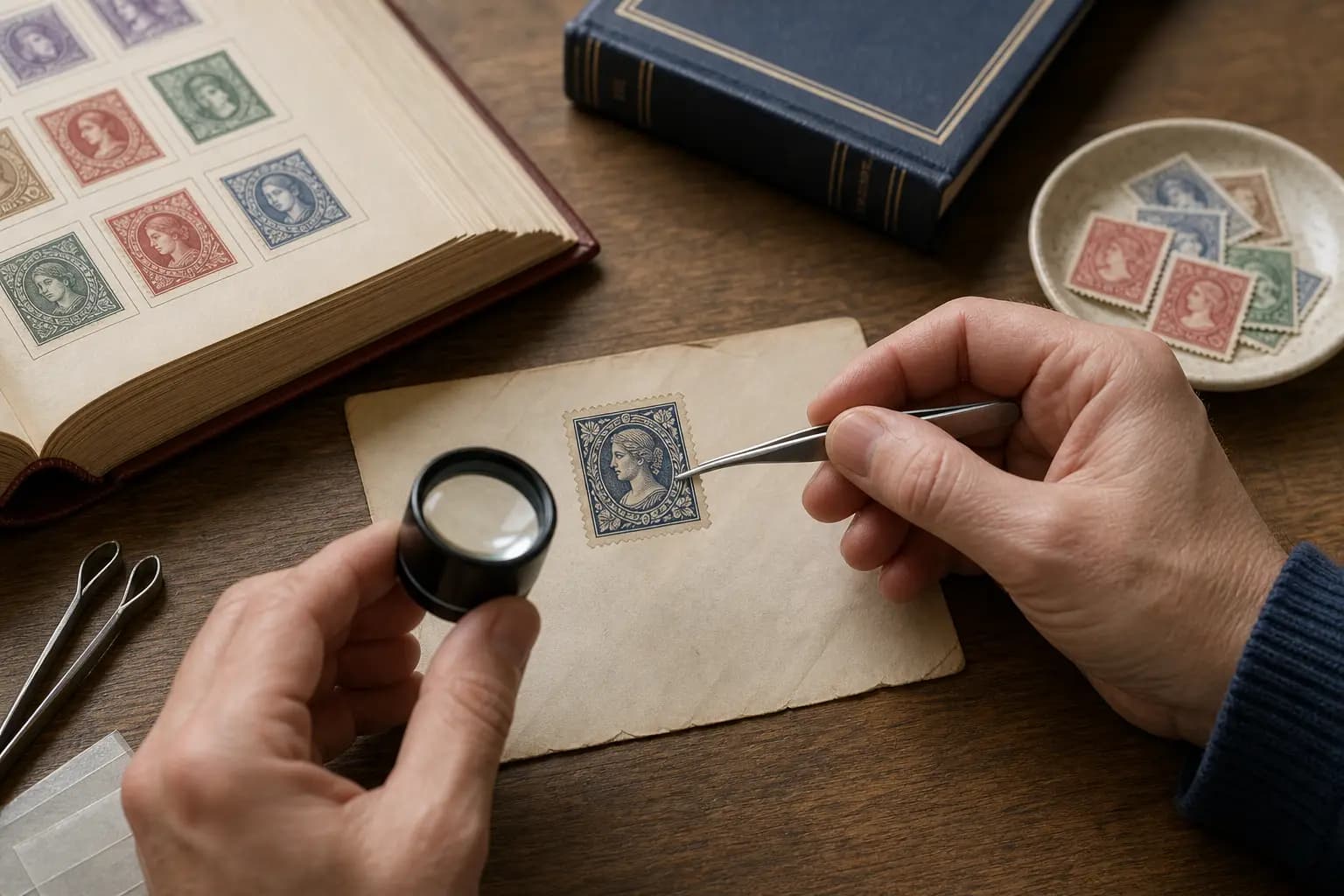
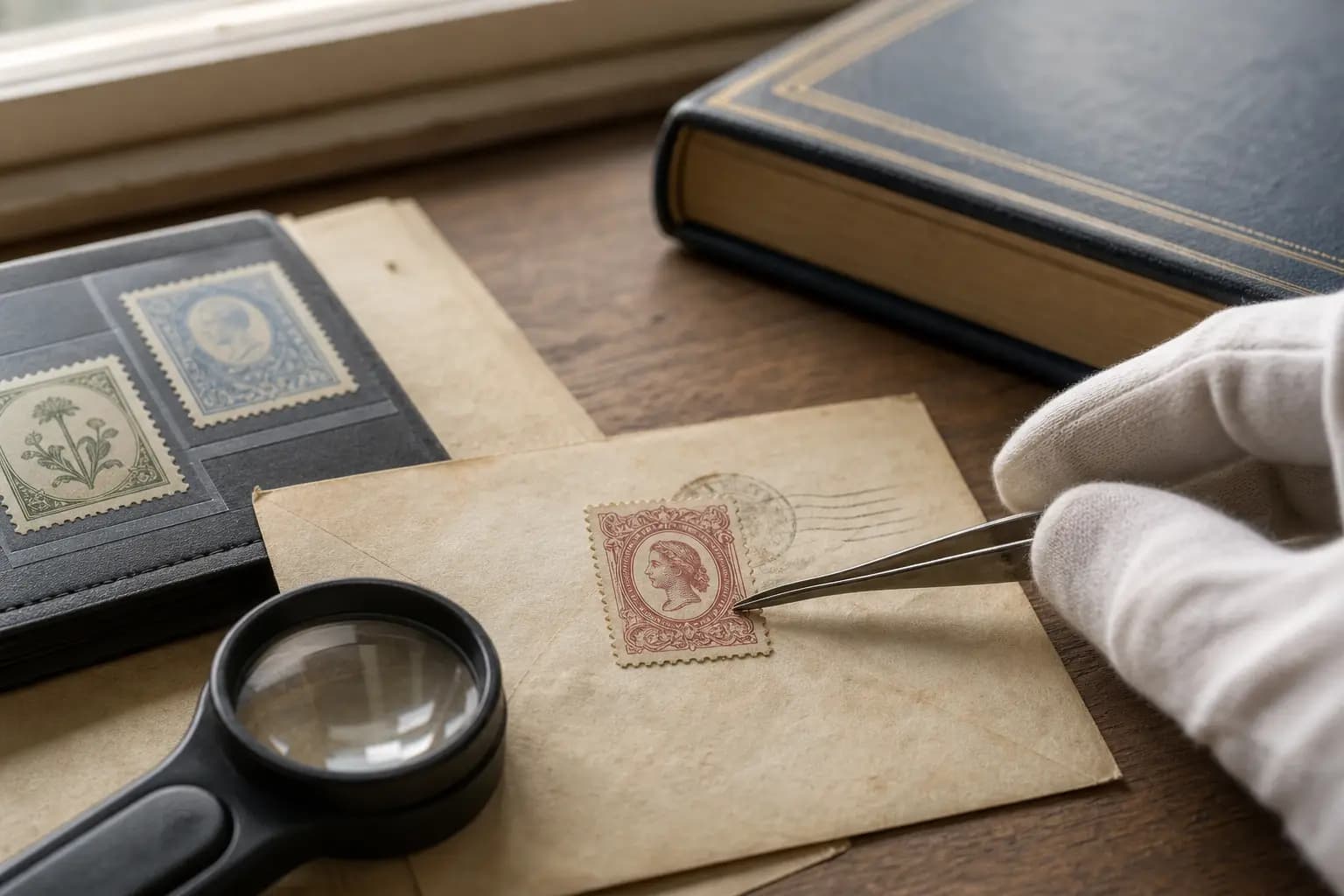
Always handle stamps with clean hands or appropriate tools such as stamp tongs to prevent damage. Place the stamp gently in a watermark tray and use only recommended fluids. Never use tape, glue, or household solvents, as these can permanently harm your stamps.
Unused stamps require extra care, as watermark fluid should not impact the gum. Work in a well-ventilated area and avoid prolonged exposure to any fluid. If you are uncertain about the process, consult experienced collectors or reference guides before proceeding.
Cataloging and Valuing Watermarked Stamps
Once you have identified the watermark, locate the corresponding catalog number. Catalogs assign separate numbers for stamps with different watermarks, even if the design appears identical. This step is vital for accurate valuation and inventorying.
StampSnap can help you create a digital record of your stamp and its watermark details, but always verify watermark findings with physical inspection and catalog references. Estimated values are informational and depend on condition, rarity, and correct identification.
Recognizing Uncertainty and Common Pitfalls
Watermarks are sometimes faint or partial, making identification challenging. Many stamps include only a portion of the watermark, such as a small part of a letter. If you cannot confidently identify a watermark, note the uncertainty in your records and seek expert advice if needed.
Visual identification alone may not be conclusive, especially for stamps with subtle watermark differences. Always cross-reference with catalog descriptions and consider consulting the American Philatelic Society or other expert sources for guidance.
Building Your Collection with Watermarked Stamps
Watermarked stamps offer a rewarding challenge for collectors and can add significant interest to your collection. By following safe identification methods and cataloging carefully, you can enjoy the process and avoid common mistakes.
StampSnap can assist in organizing your collection and recording watermark information, but remember that official authentication and appraisal require expert review. Stay curious and attentive to detail, as even small differences can impact value.
Frequently asked questions
How do watermarks affect the value of a stamp?
Watermarks can be the sole difference between a common stamp and one valued much higher. Catalogs assign separate numbers for stamps with different watermarks, making accurate identification essential for valuation.
What is the safest way to detect watermarks on stamps?
The safest method is to use commercial watermark fluid in a dedicated tray. Avoid household solvents and handle stamps with clean hands or tongs to prevent damage.
Can I identify a watermark just by holding the stamp up to light?
Some watermarks, especially from countries like Ireland and Italy, can be seen this way. However, many require watermark fluid or specialized equipment for reliable detection.
What should I do if I am unsure about a stamp's watermark?
Record the uncertainty in your collection notes and consult catalogs or expert sources, such as the American Philatelic Society, for further guidance.
Does StampSnap authenticate or appraise stamps with watermarks?
StampSnap can help you organize and record watermark details, but official authentication and appraisal require expert review and cannot be provided by the app.