Introduction to the Four Major Printing Families
The American Philatelic Society identifies four major families of printing methods used for postage stamps: line-engraved intaglio, gravure, letterpress, and lithography. While many collectors are familiar with the raised ink of intaglio or the smooth surface of lithography, letterpress—often referred to as relief printing—occupies a unique space in philatelic history. Understanding how to distinguish letterpress from the other three families is essential for accurate stamp identification and cataloging.
When you encounter an unidentified stamp, tools like StampSnap can help you generate a likely identification based on visual characteristics. However, confirming the exact printing method requires a methodical approach. By analyzing the physical relationship between the ink, the plate, and the paper, you can determine which of the four major families was used to produce the specimen in your collection.
Understanding the Mechanics of Letterpress Printing
Letterpress is a relief printing process, which means the image areas on the printing plate are raised above the non-image areas. Ink is applied directly to these raised surfaces, and the paper is pressed against them to transfer the design. This is the exact opposite of line-engraved intaglio, where ink is transferred from deliberately incised lines cut into the plate.
Because the ink is pressed into the paper from raised metal type or designs, letterpress often leaves distinct physical impressions. Under close examination, the pressure of the relief plate can push the ink toward the outer edges of the design lines, creating a subtle border or ink squeeze effect. Additionally, the force of the press may slightly indent the paper, a characteristic that is highly distinct from planographic or recess methods.
Distinguishing Letterpress from Line-Engraved Intaglio
To differentiate letterpress from line-engraved intaglio, collectors should look for contrasting physical clues. In line-engraved intaglio, the design is normally constructed from lines, hatching, cross-hatching, and stippling. Because the paper is forced into incised grooves under immense pressure, raised ink can sometimes be seen on the surface of the stamp under magnification and oblique light.
Furthermore, the high pressure of intaglio printing may leave debossing on the reverse side of the stamp. In contrast, letterpress pushes the paper forward from the front, which can cause a slight indentation on the face and a corresponding raised area on the reverse. These are supporting features rather than single tests, meaning collectors must evaluate them as cumulative clues.
Comparing Relief to Gravure and Lithography
Gravure is another recess process, but unlike line-engraved intaglio, it forms tone from screened cells. Because screened or raised effects can also appear in other processes, collectors should combine observations and consult official production records rather than relying on a single visual feature. Letterpress designs typically feature solid, continuous lines of color, whereas gravure will reveal a characteristic cell structure under magnification.
Lithography, on the other hand, is a planographic process described by the Smithsonian National Postal Museum. The image is formed on a smooth surface rather than cut, etched, or raised on a plate. In offset lithography, oil-based ink adheres to the image area, and a rubber blanket transfers, or offsets, that image to the paper. Modern lithography can be sharp, so soft or blurred edges are not a dependable identifying rule.
Analyzing Cumulative Clues Safely
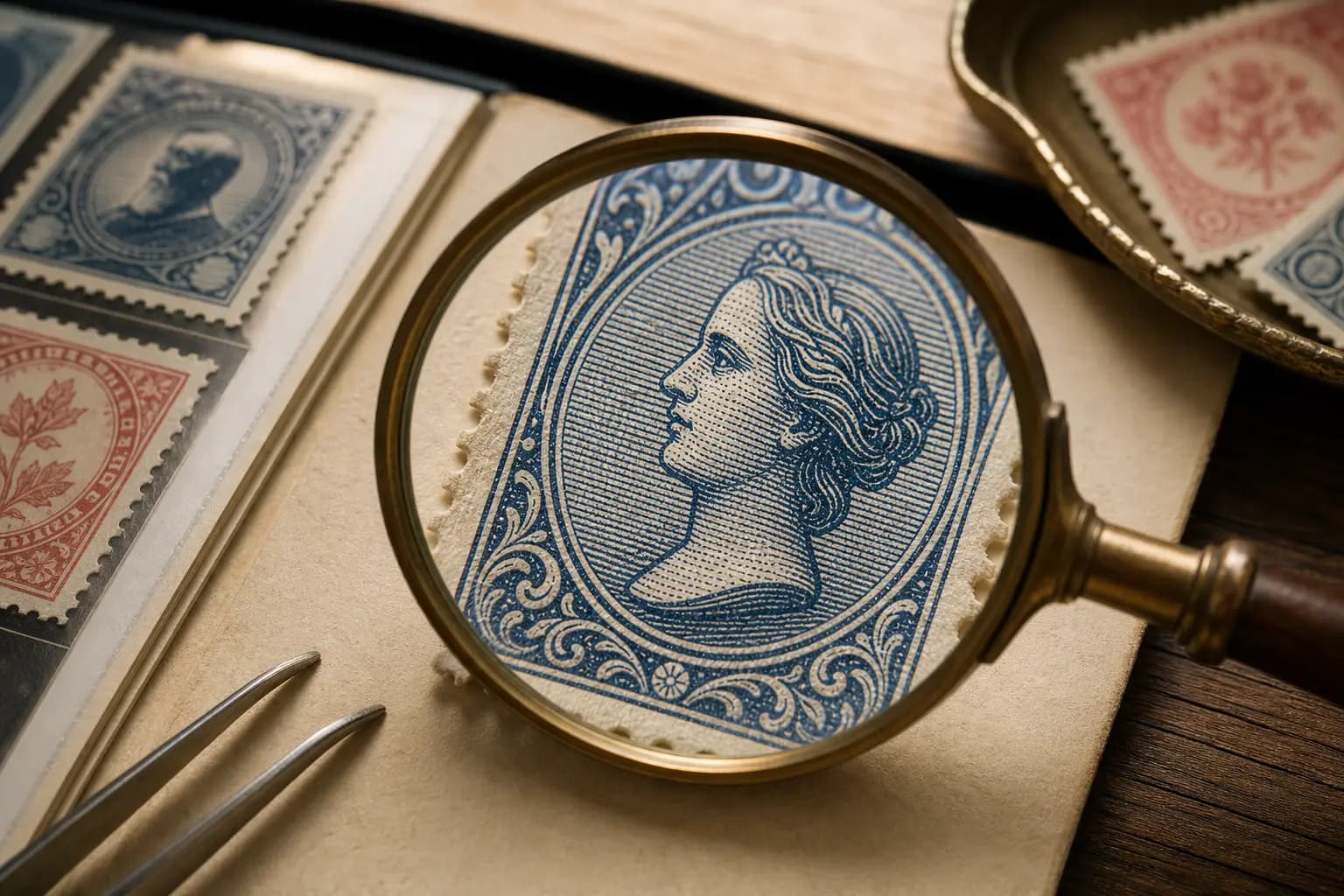
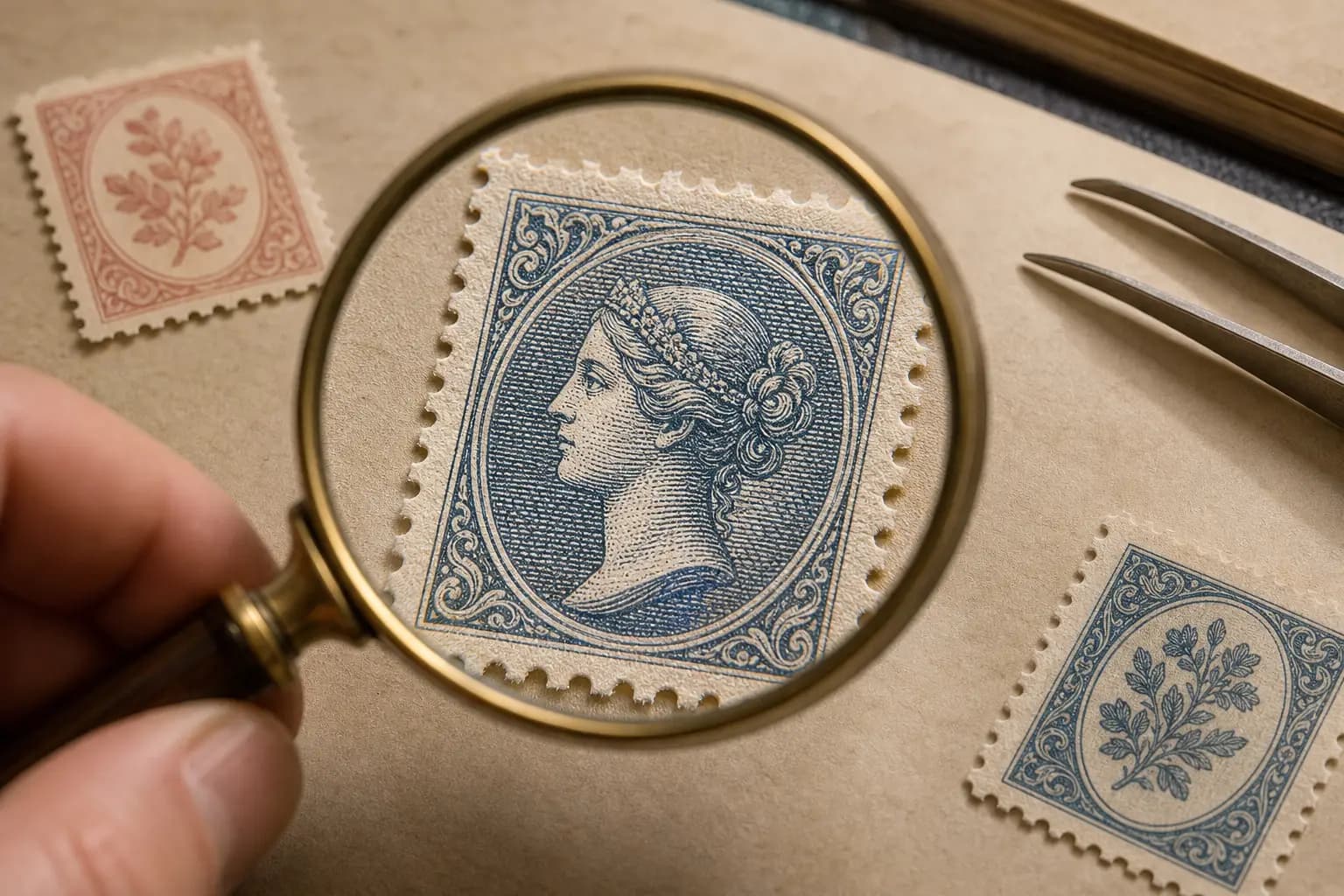
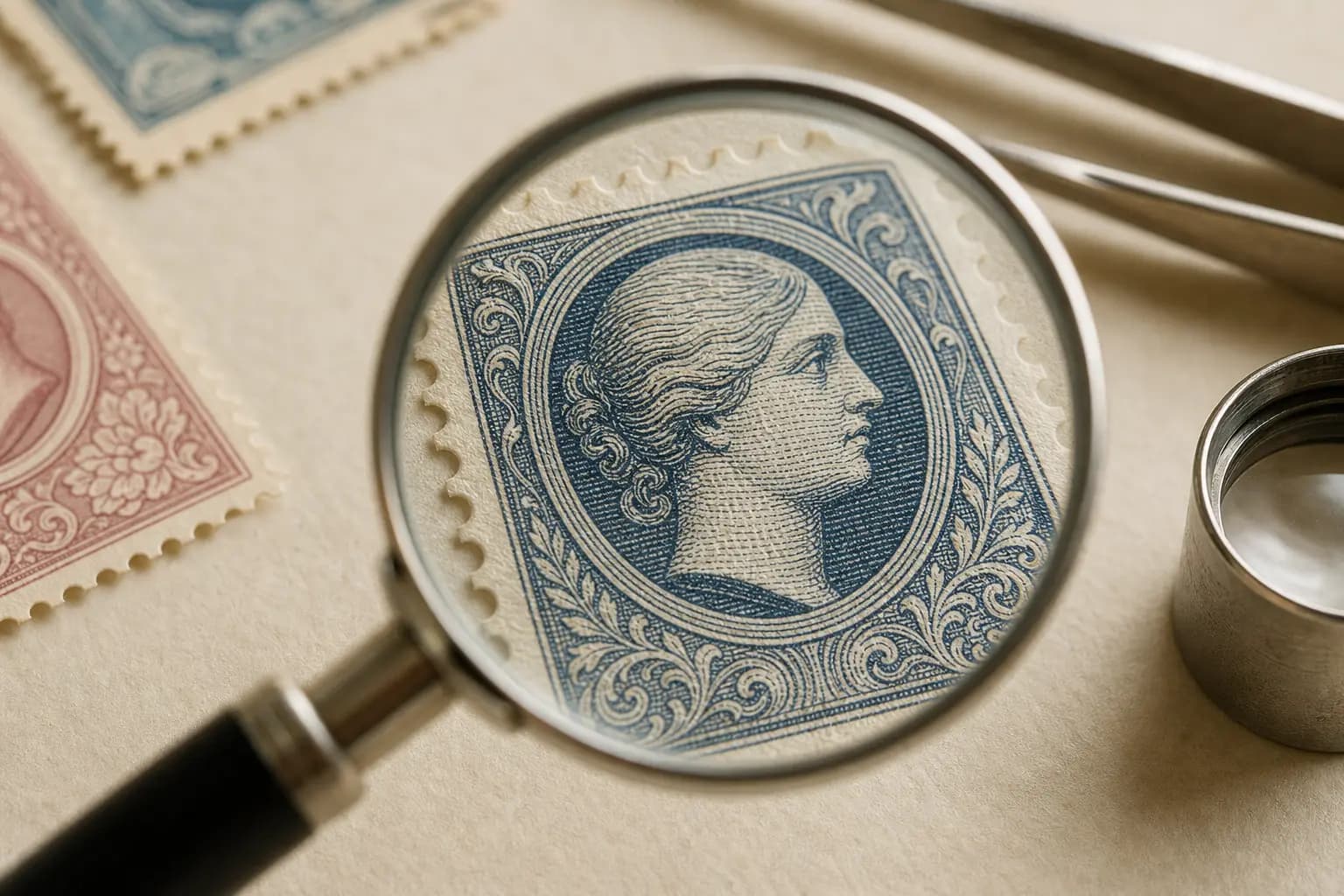
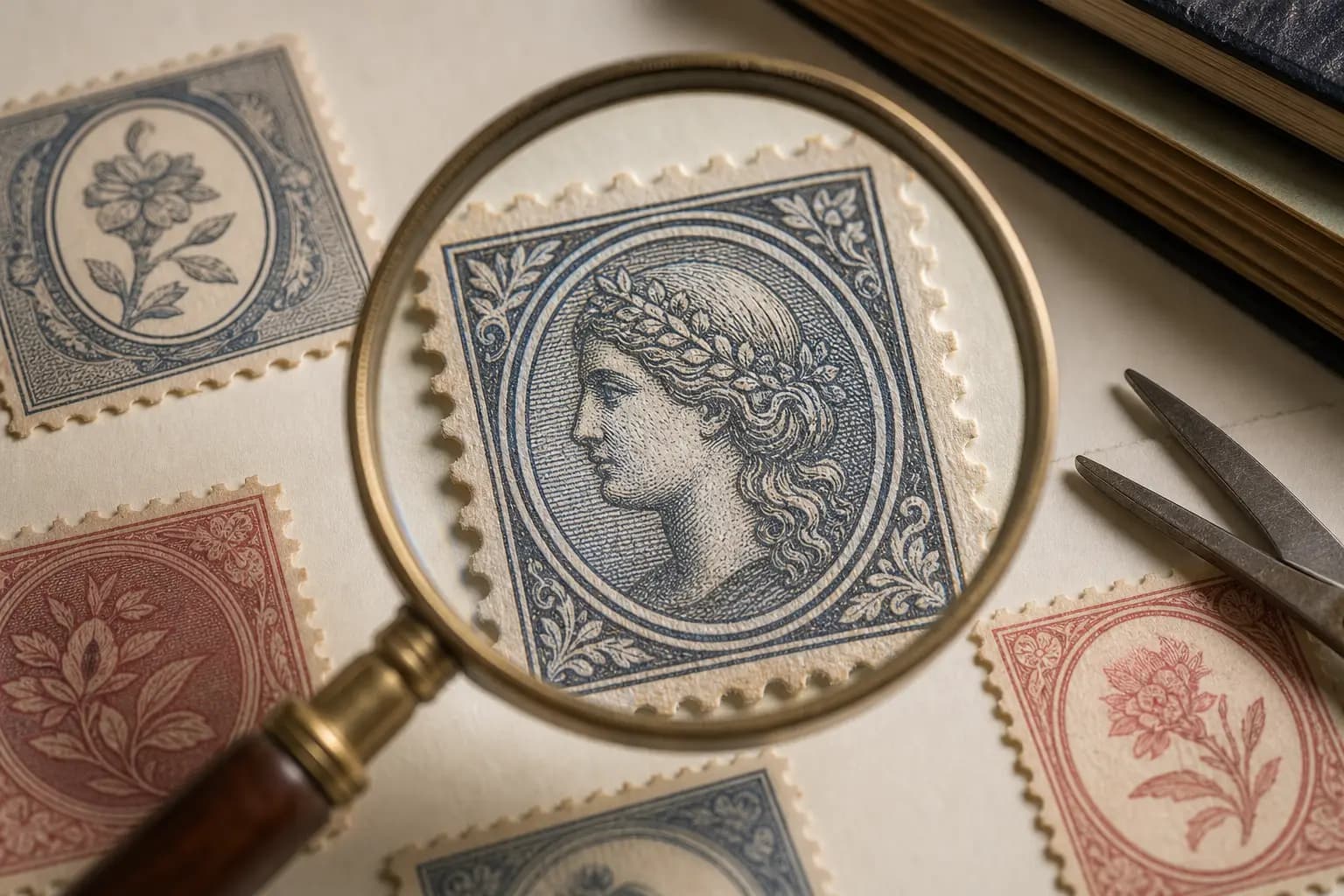
When examining a stamp to determine if it was printed via letterpress, always use non-contact magnification and oblique light. Oblique light, which strikes the stamp at a shallow angle, is excellent for revealing the slight paper indentations characteristic of letterpress or the raised ink of intaglio. Avoid touching the surface of the stamp with your fingers or using harsh tools that could damage the paper fibers.
Remember that a dot pattern or a seemingly soft edge must always be interpreted with other evidence. Because gravure, lithography, and other processes can also show screened structures under magnification, you should never diagnose a printing process based on dots or edge softness alone. Combining your physical observations with historical production records is the safest path to a definitive identification.
Documenting Your Findings
Once you have gathered your cumulative clues and consulted your reference catalogs, you can organize your findings. You can use StampSnap to log a detailed collection record, noting the specific printing family, watermark details, and any physical characteristics you observed. Keeping systematic records helps preserve the historical context of your stamps for future study.
Whether your stamp belongs to the relief, recess, or planographic family, understanding the underlying printing technology deepens your appreciation of philately. By practicing safe handling and methodical analysis, you can confidently identify even the most challenging printing varieties in your collection.
Frequently asked questions
What are the four major printing families used for postage stamps?
The four major families identified by the American Philatelic Society are line-engraved intaglio, gravure, letterpress, and lithography.
How does letterpress differ from line-engraved intaglio?
Letterpress is a relief process where ink is transferred from raised surfaces, often leaving slight indentations on the paper face. Line-engraved intaglio is a recess process where ink is transferred from incised lines, which can leave raised ink on the stamp face and debossing on the reverse.
Can I identify a printing process based solely on a dot pattern?
No. Screened or raised effects can appear in multiple processes, and gravure, lithography, and other methods can all show screened structures under magnification. You must combine visual observations with production records to make an accurate determination.
What is the safest way to examine a stamp's texture and relief?
The safest method is to use non-contact magnification and oblique light, which highlights surface relief and paper indentations without risking physical damage to the stamp.