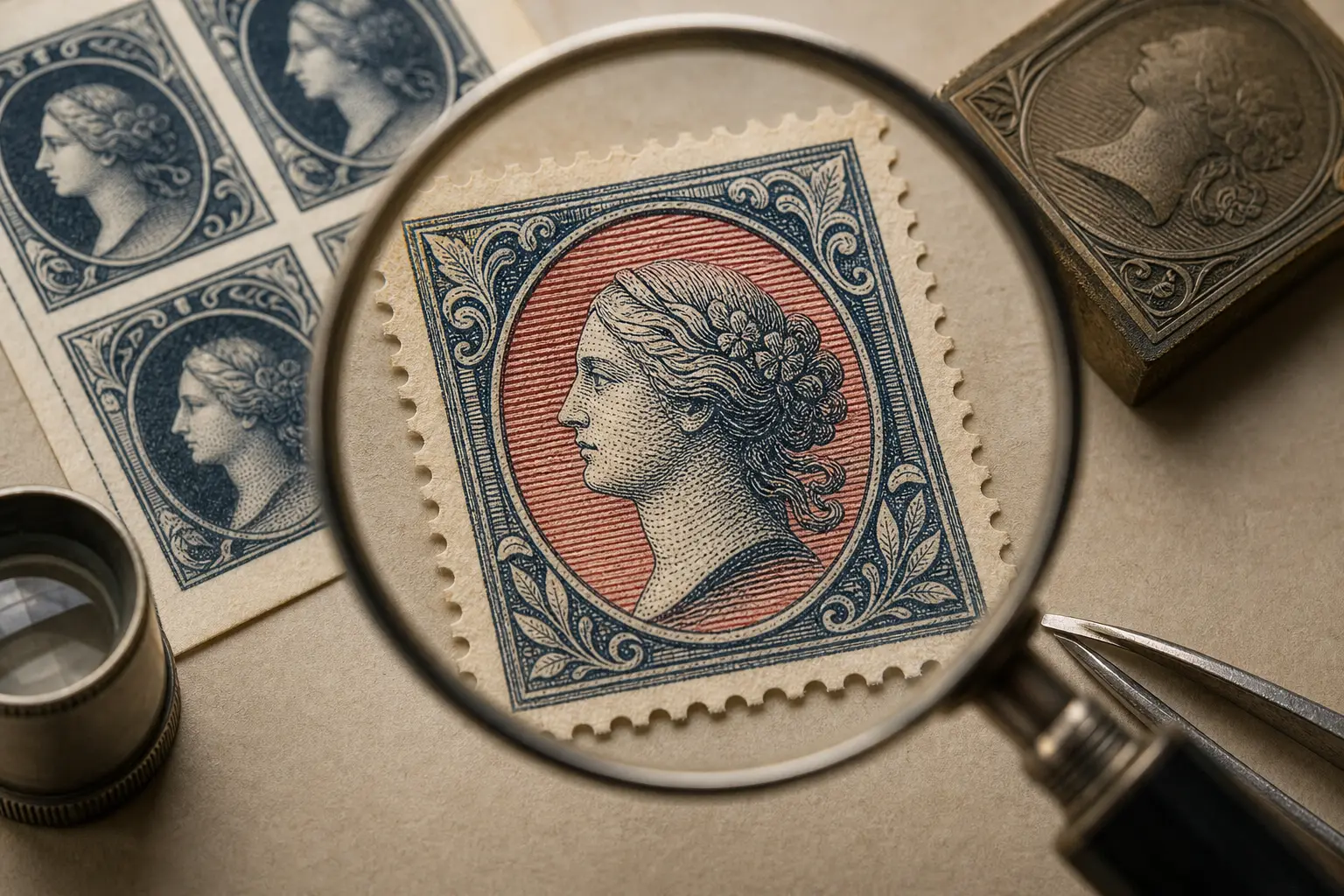
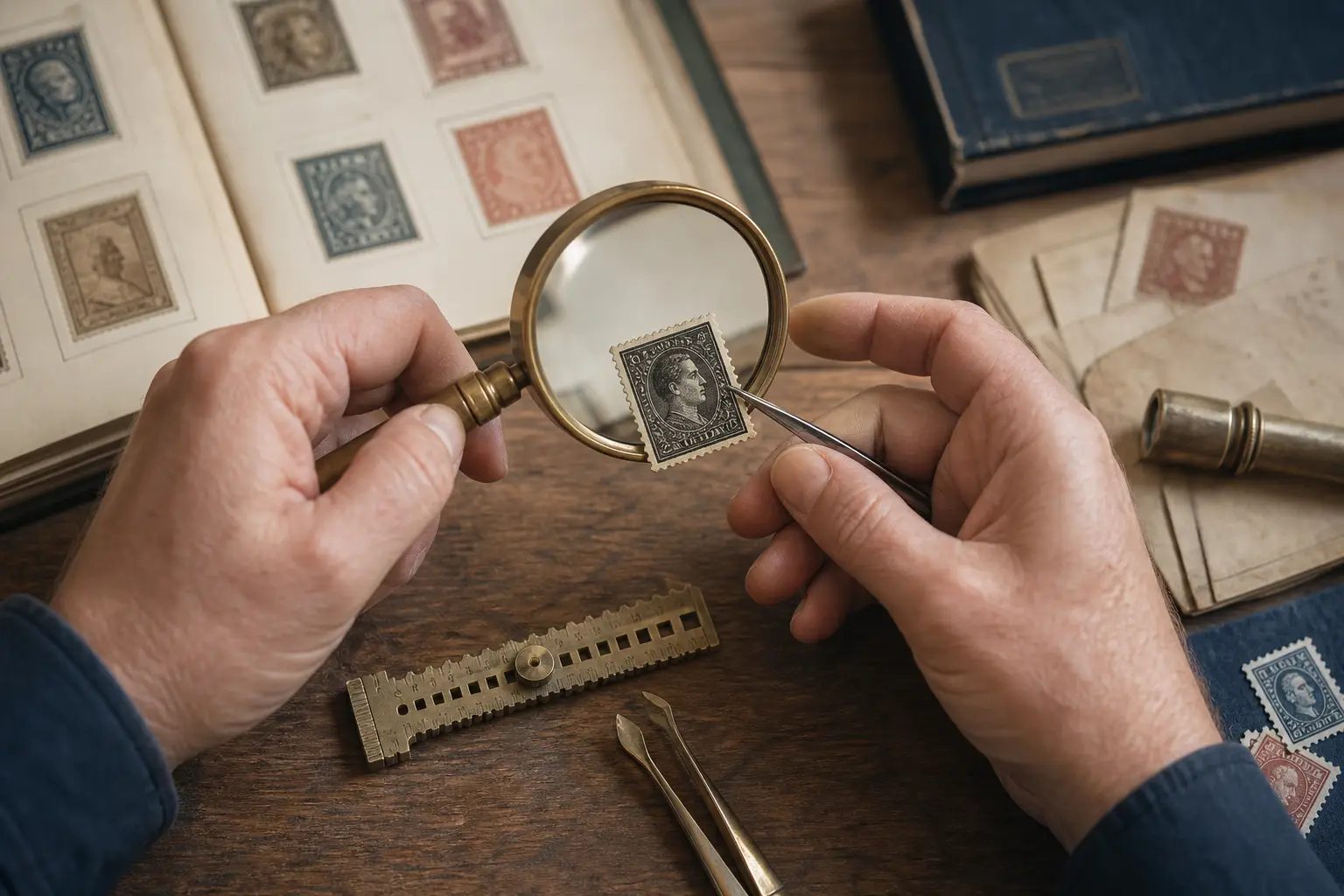
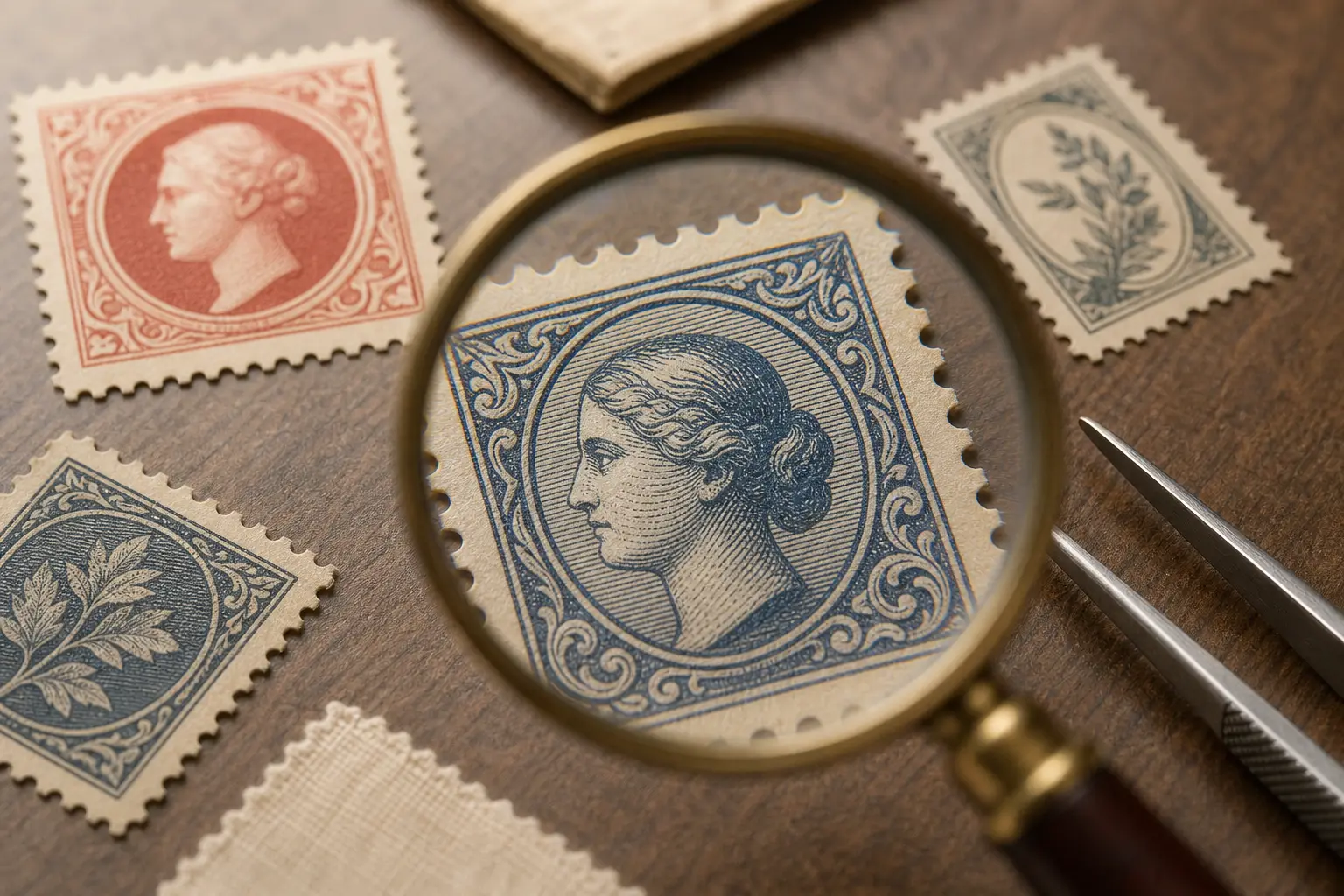
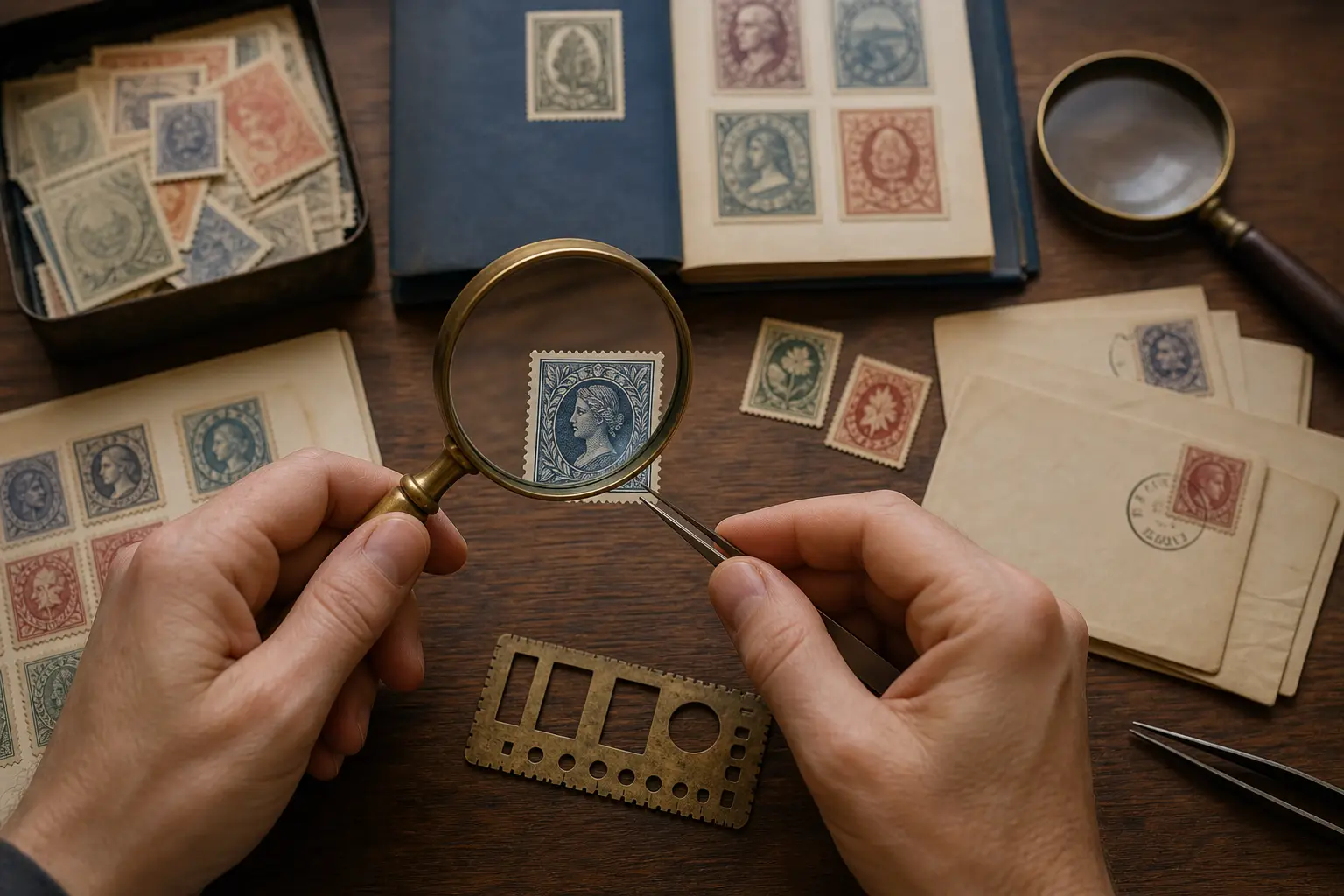
Modern postage stamps often combine multiple printing methods on a single issue. Learn how to safely identify these hybrid stamps by treating visual features as cumulative clues and using non-contact magnification under oblique light.
Successful stamp clubs thrive by balancing social interaction with structured educational activities. Discover the historical guides, trivia resources, and organizational models that have helped local philatelic societies engage members and preserve collecting history.
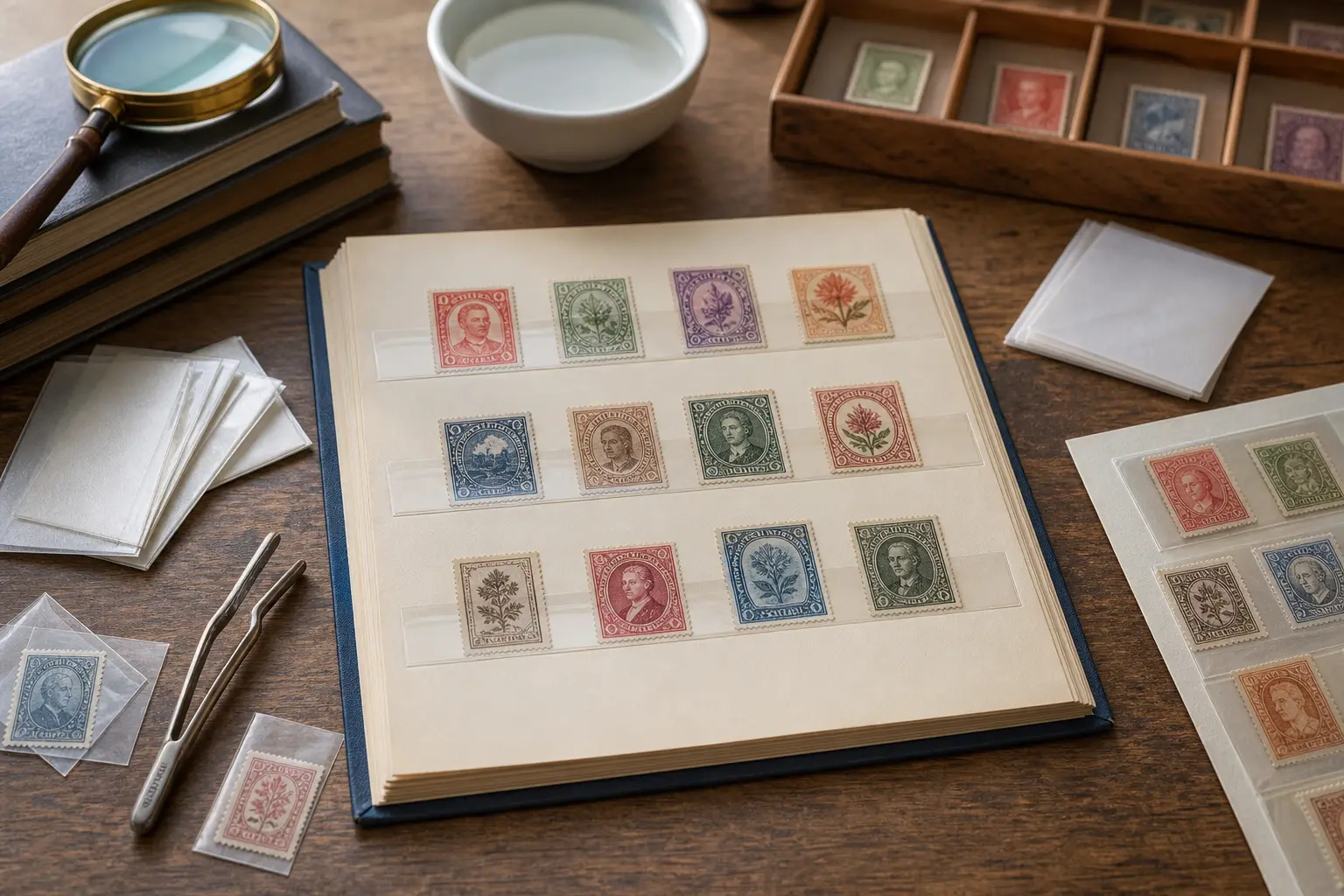
Acquiring vintage stamps on paper is an exciting milestone, but processing them requires care. Discover a safe, step-by-step workflow to soak, dry, sort, and mount your stamps without risking tears, stains, or paper thinning.
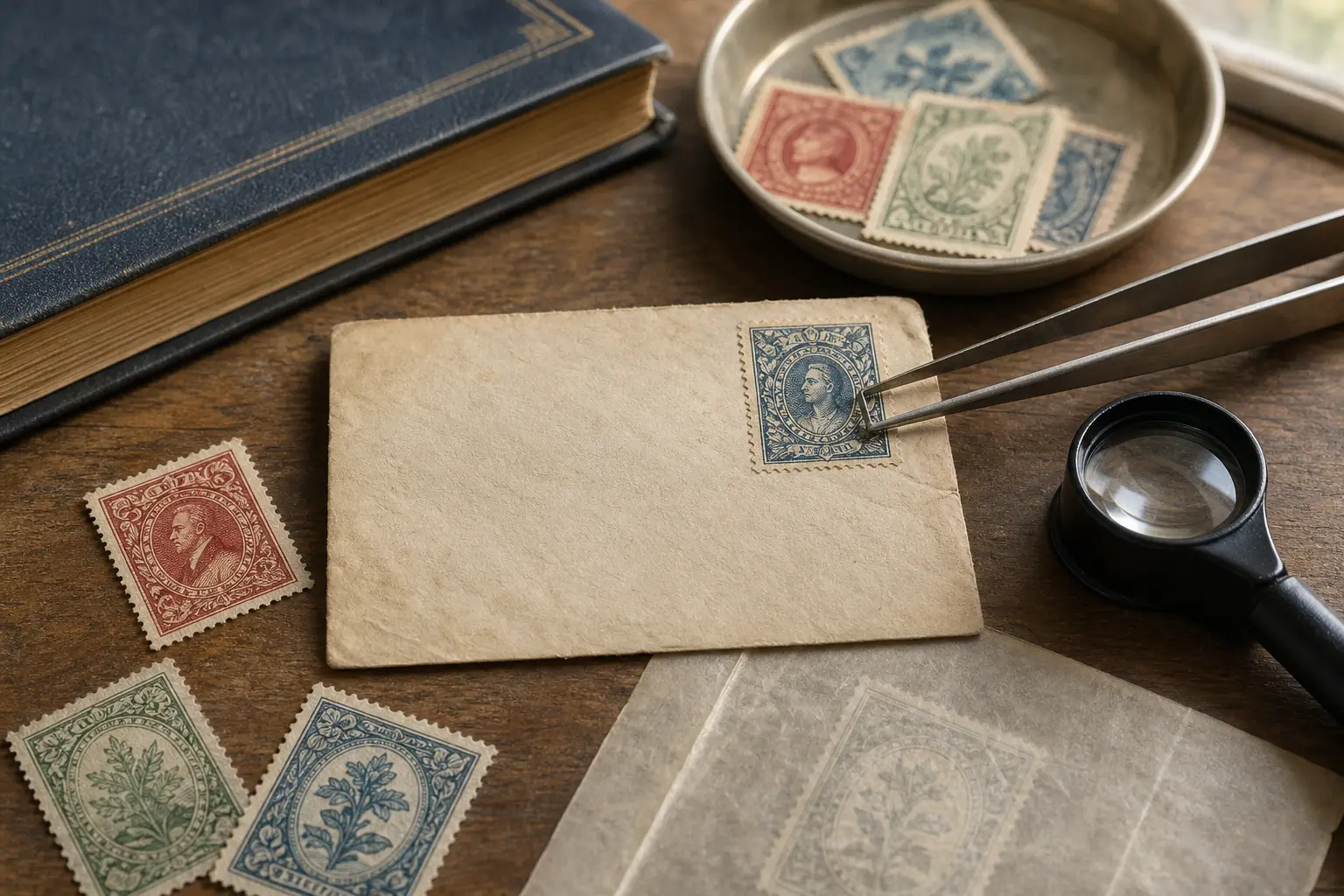
Choosing a stamp collecting specialty depends on your personal interests, budget, and storage space. Whether you focus on a specific country, a visual topic, or special service issues like airmails and coils, starting with the right tools—such as stamp tongs and a magnifying glass—ensures a safe and rewarding philatelic journey.
A classic stamp's visual appearance is only part of its valuation. Hidden paper faults like thins and creases can drastically lower its value, while rare watermarks can elevate a common-looking issue to a prize worth hundreds or thousands of dollars. Learn how to safely inspect your stamps using professional watermark fluid.
Discover how to identify and preserve the historic 1840 Penny Black. Learn why the world's first postage stamp lacks a country name, how to handle it safely with tongs and magnification, and how to organize your classic collection.
Discover how to safely identify double-line and single-line USPS watermarks and combine these findings with printing family analysis to classify classic United States stamps accurately.
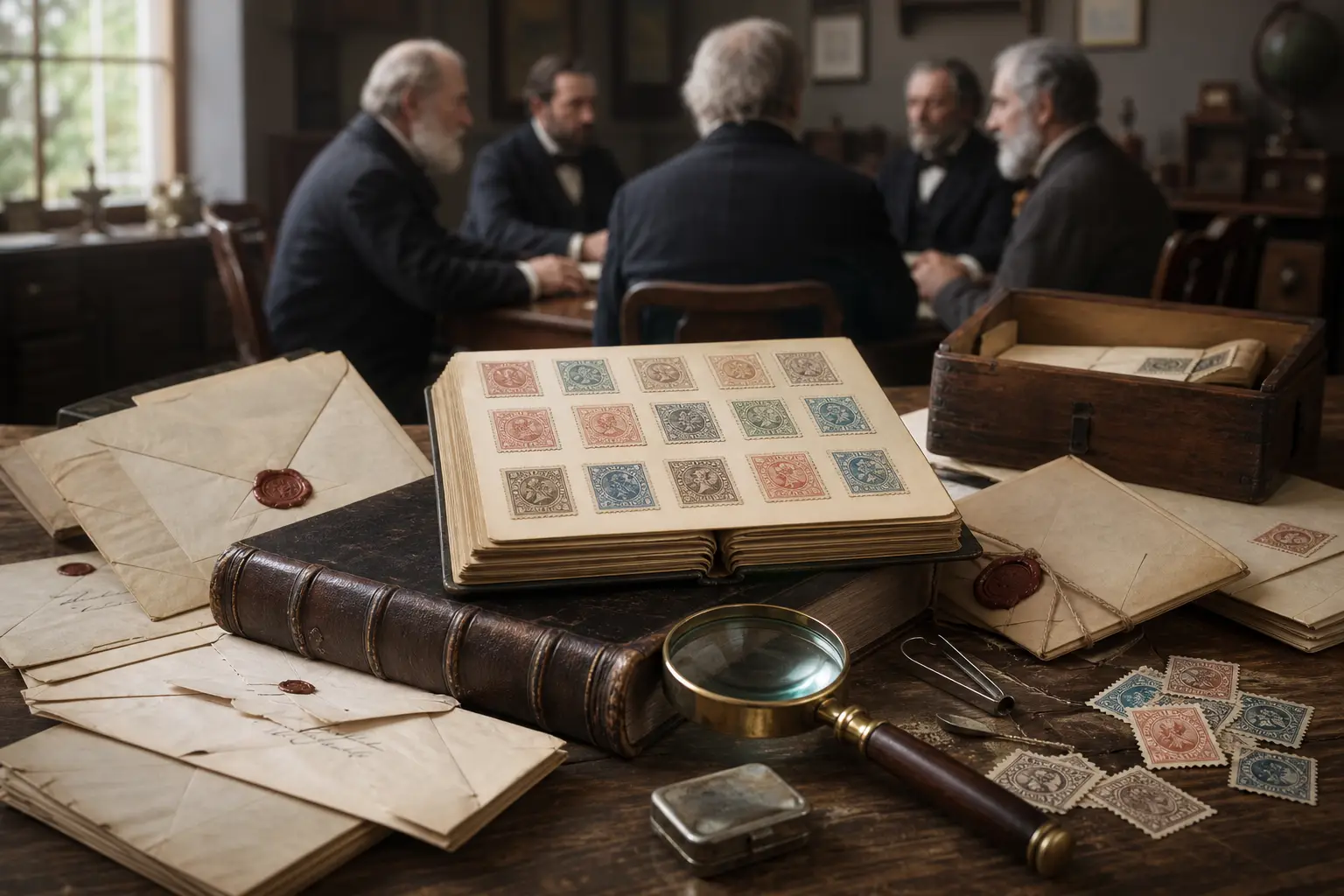
In the mid-19th century, stamp collecting evolved from informal gatherings of a few enthusiasts into structured national organizations. By exploring historical milestones like the 1886 founding of the American Philatelic Association, modern collectors can understand how early philatelists established exchange networks, research standards, and local clubs.
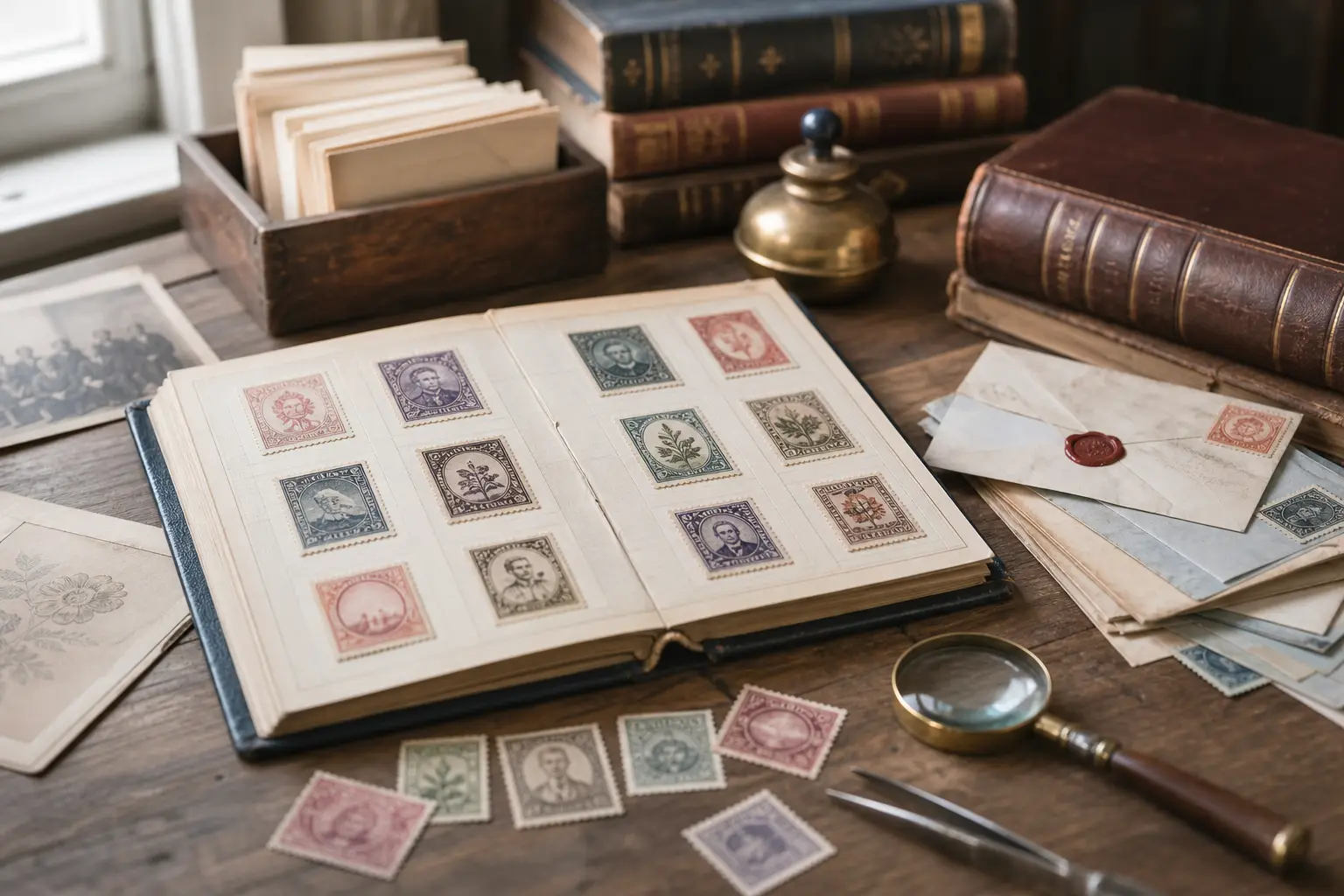
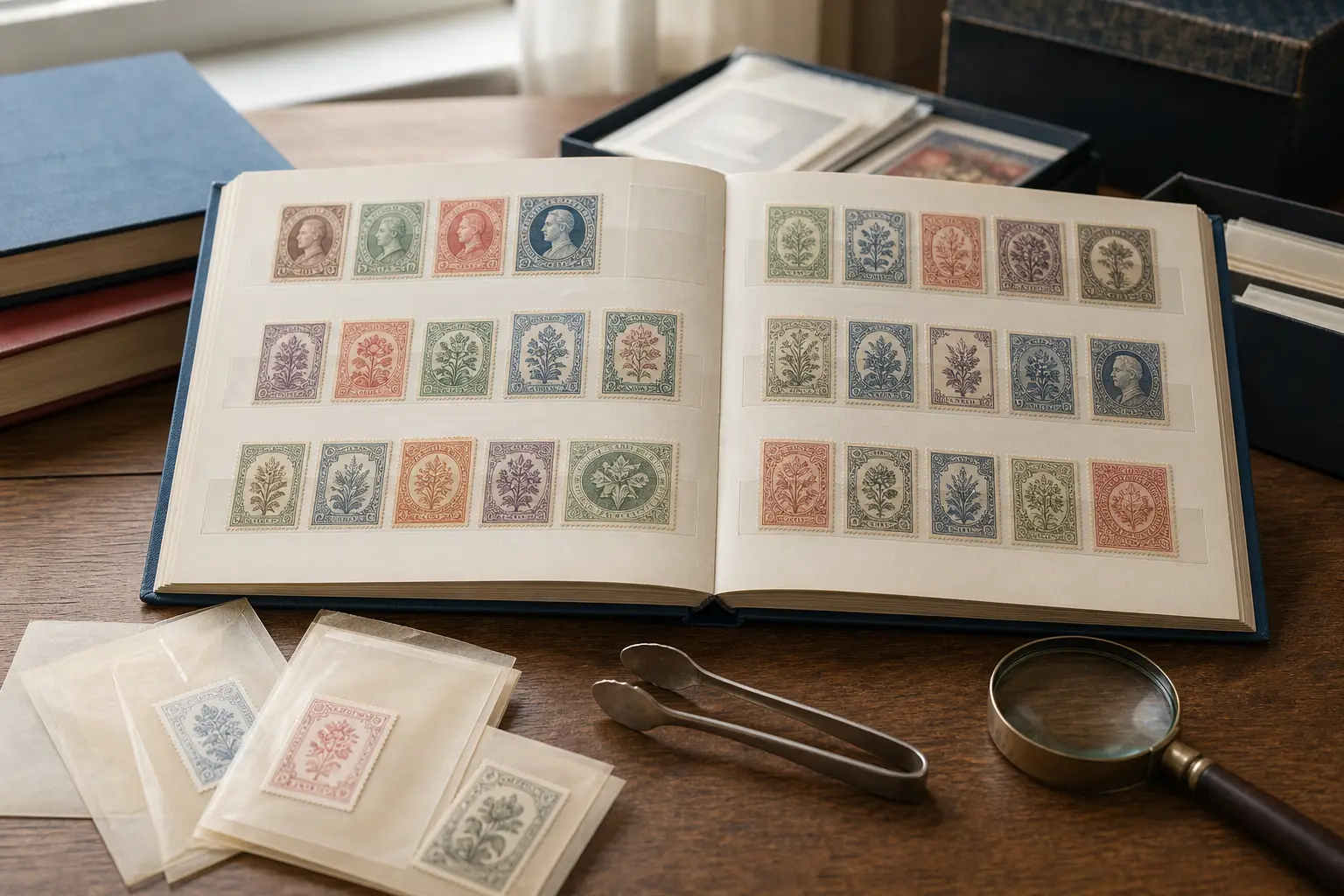
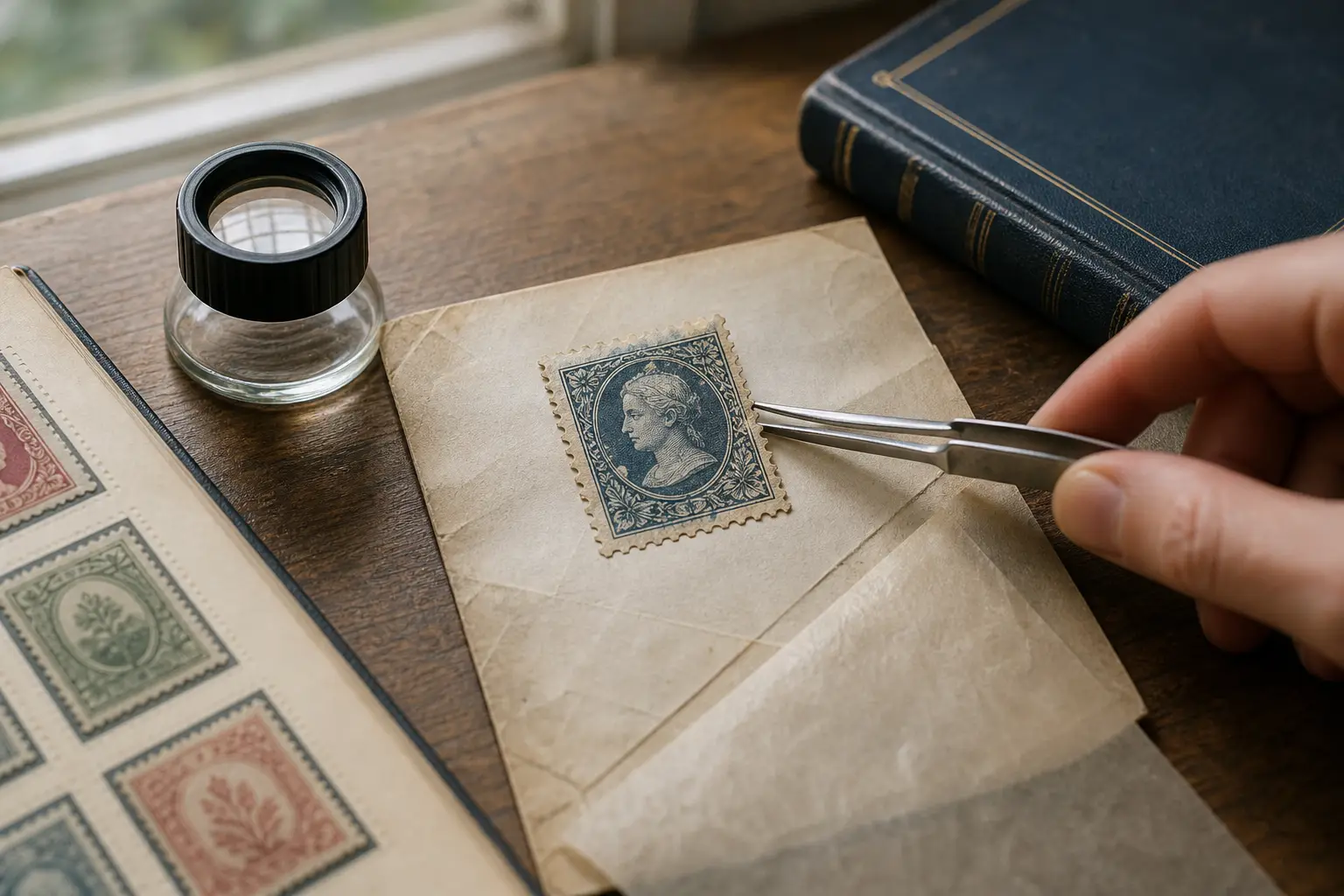
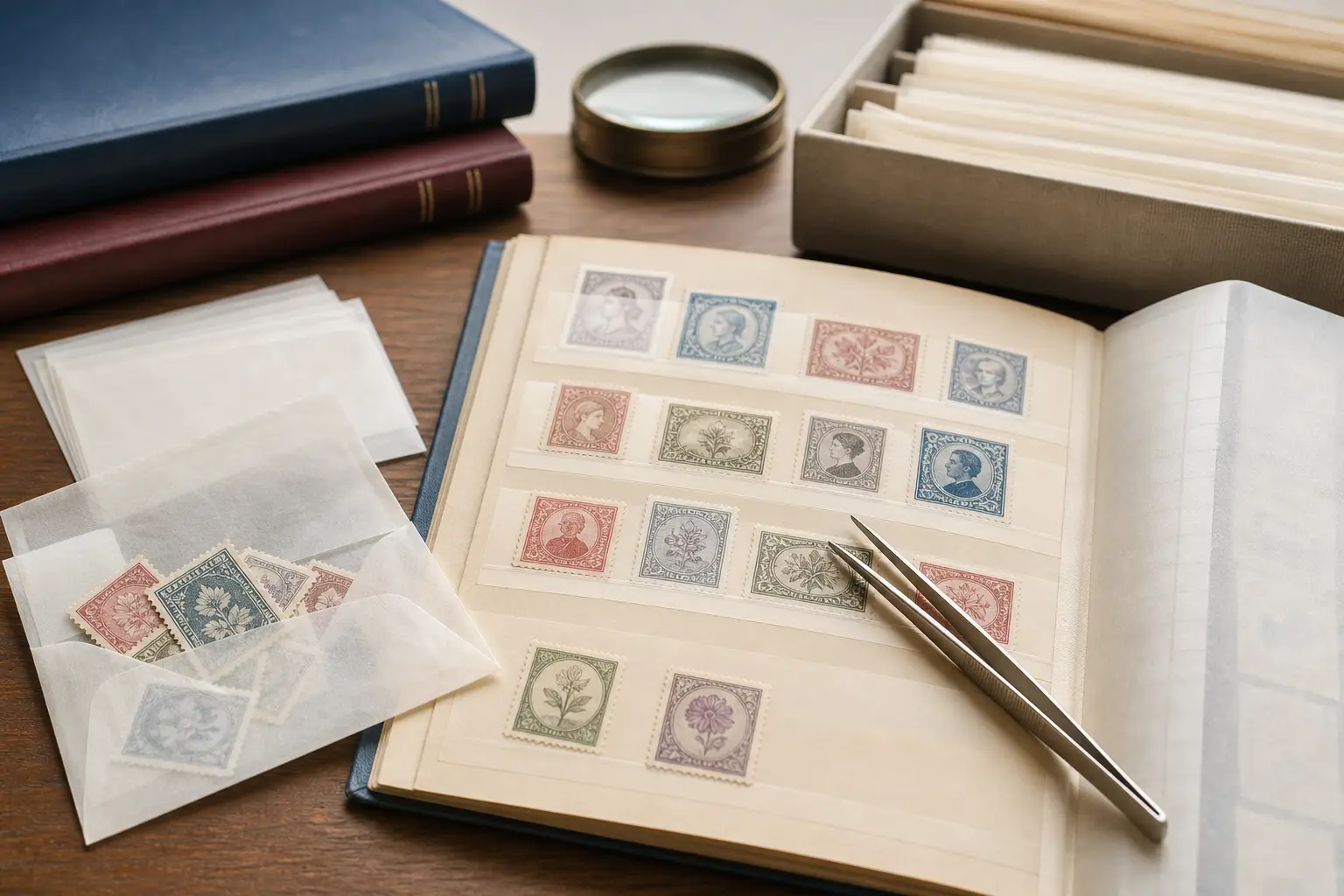
To protect loose postage stamps from damage, store them in glassine envelopes, stock books, or acid-free albums. Always handle dry stamps with specialized tongs to prevent skin oil transfer, and avoid using tape, glue, or handling wet stamps with tools.
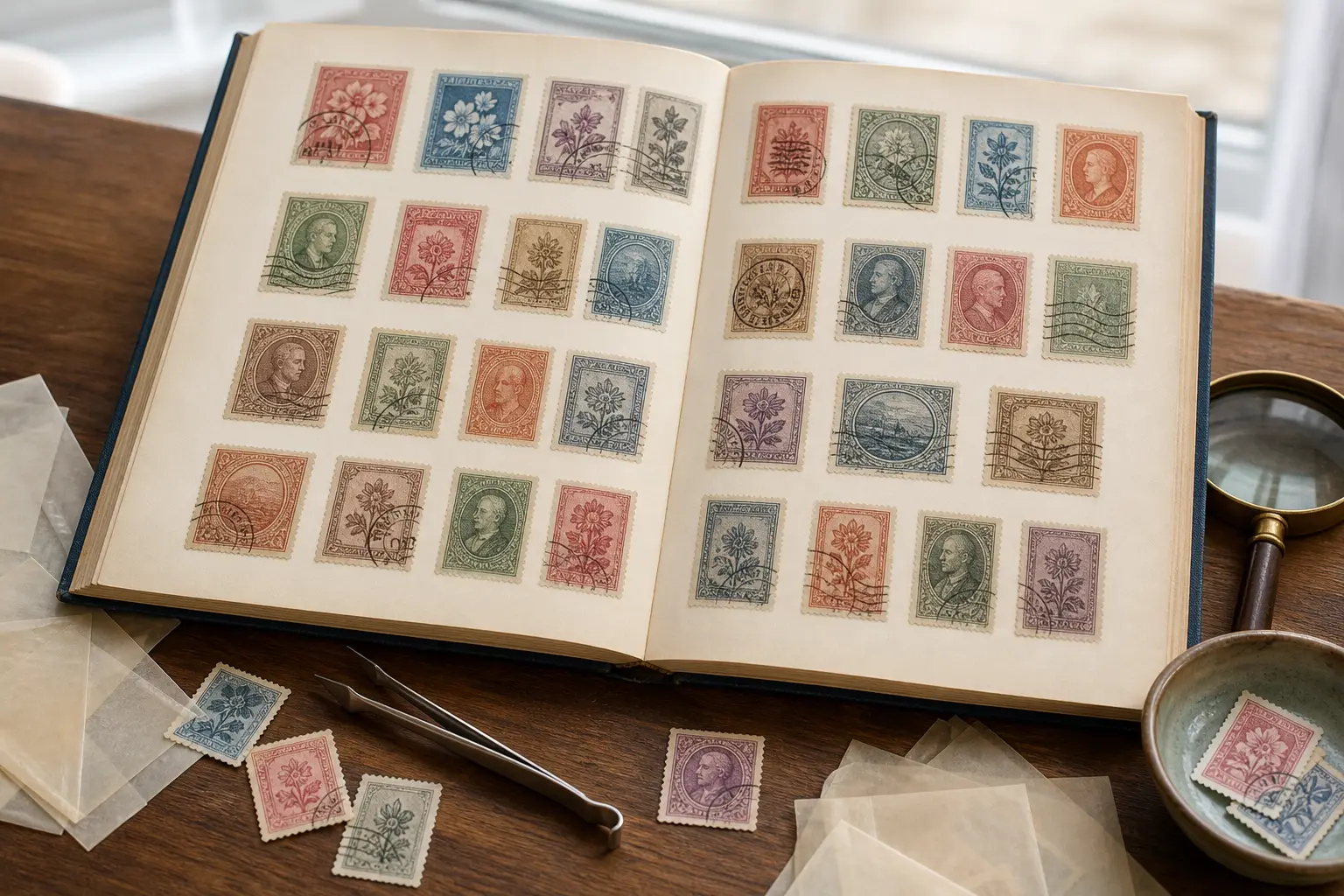
Collecting stamps by their postmarks and cancellations offers an exciting way to explore postal history. Learn how to identify special markings, use essential tools safely, and organize a collection focused on cancellations, postage meters, and postal stationery.
Struggling to tell early North Borneo stamps apart? Learn how to distinguish the 1886 1/2-cent rose postage stamp from the 1887 postage and revenue variety by examining the bottom scrollwork, and discover safe methods for watermark and fault detection.
Expand your stamp collecting hobby by learning how to identify and organize non-traditional philatelic materials. Discover safe handling methods for postal covers, revenue stamps, and charity seals using essential tools like tongs, magnifiers, and stock books.