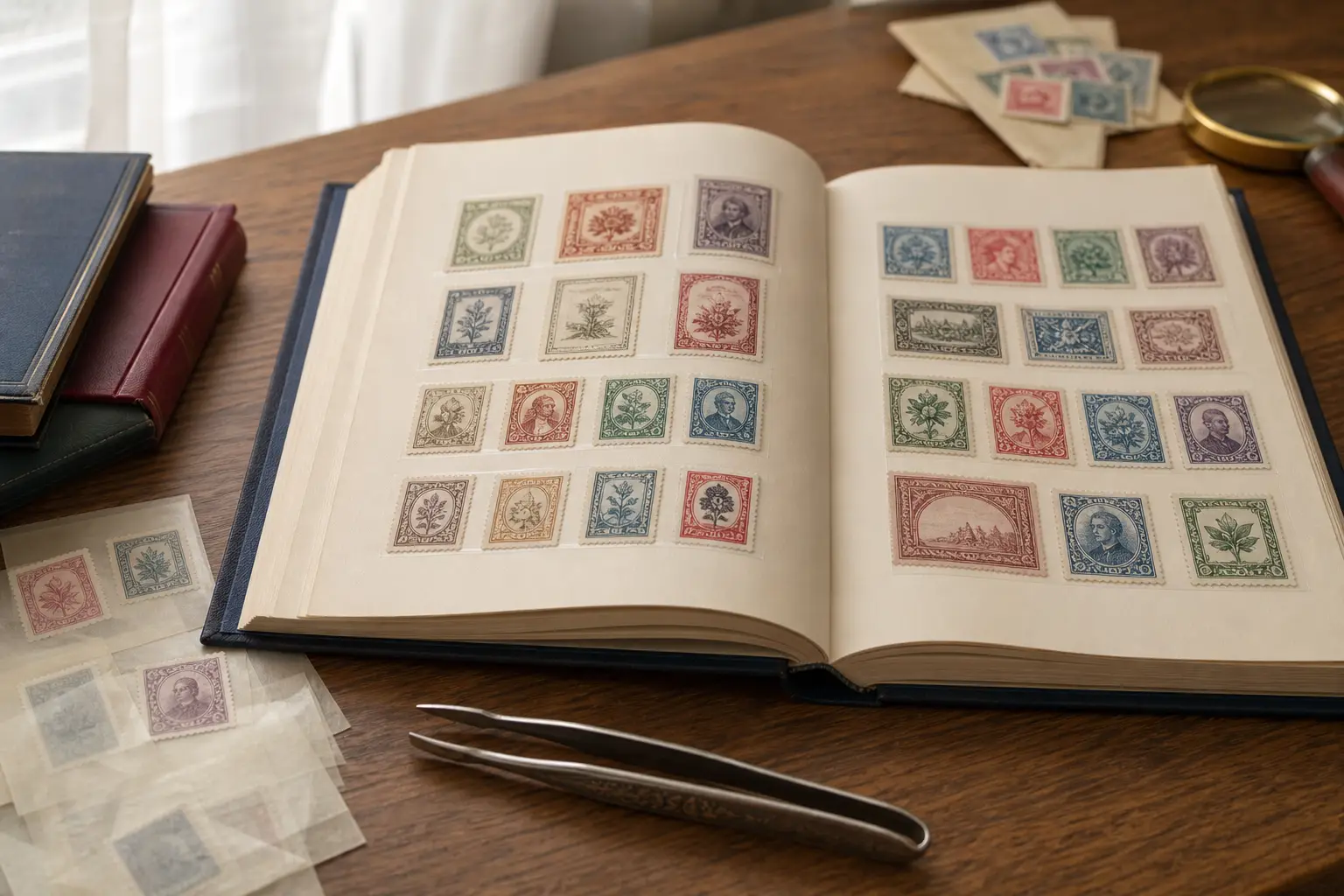
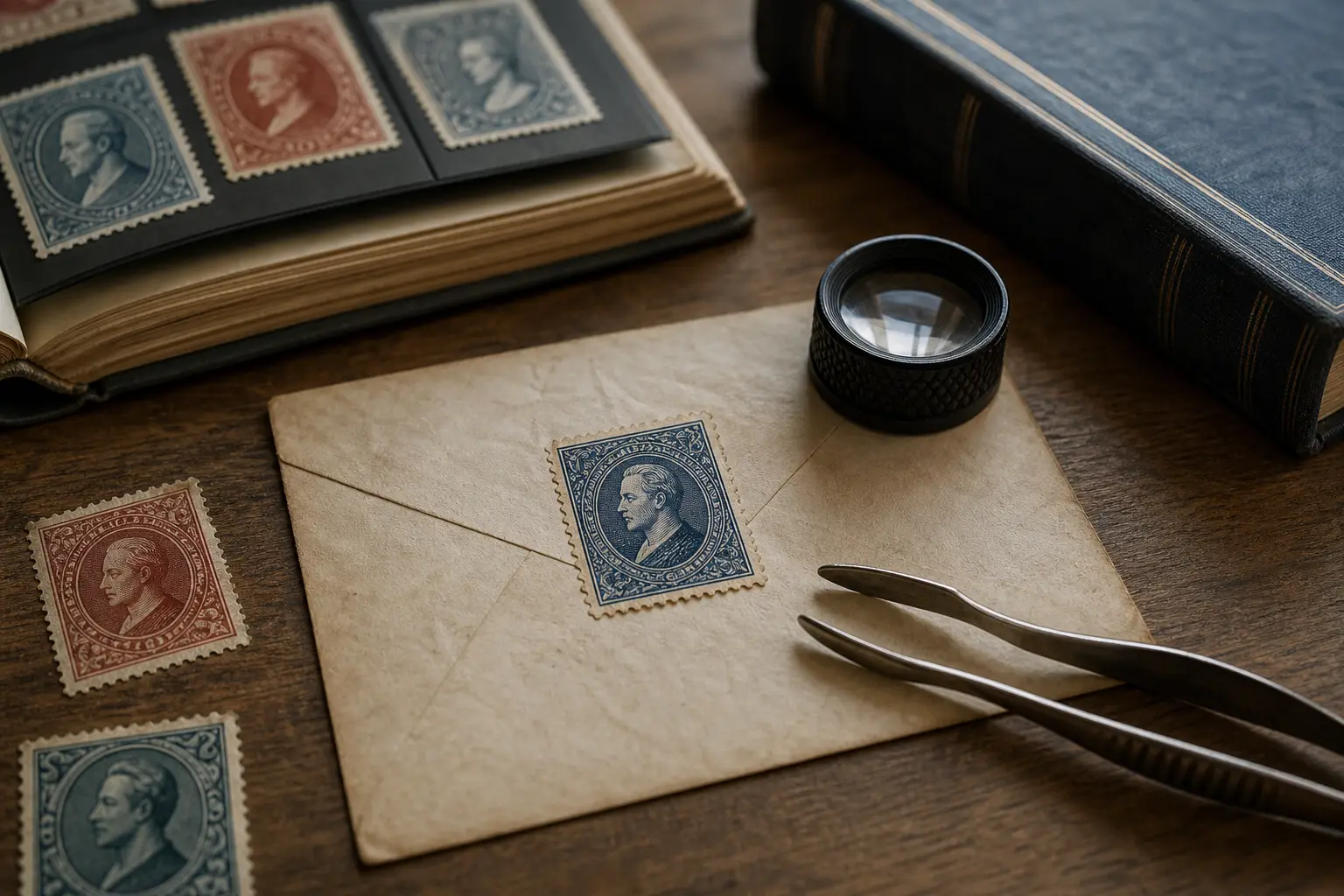
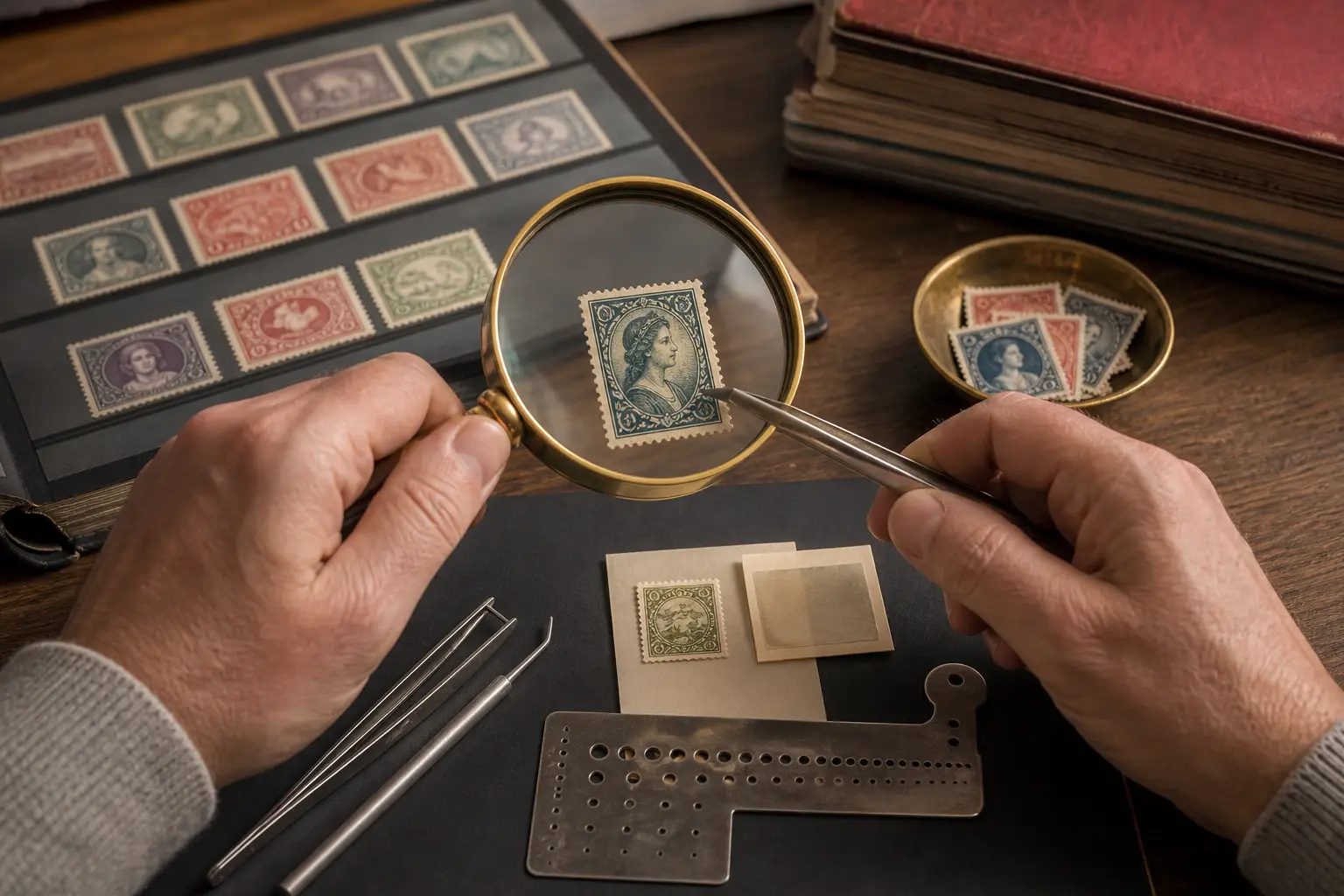
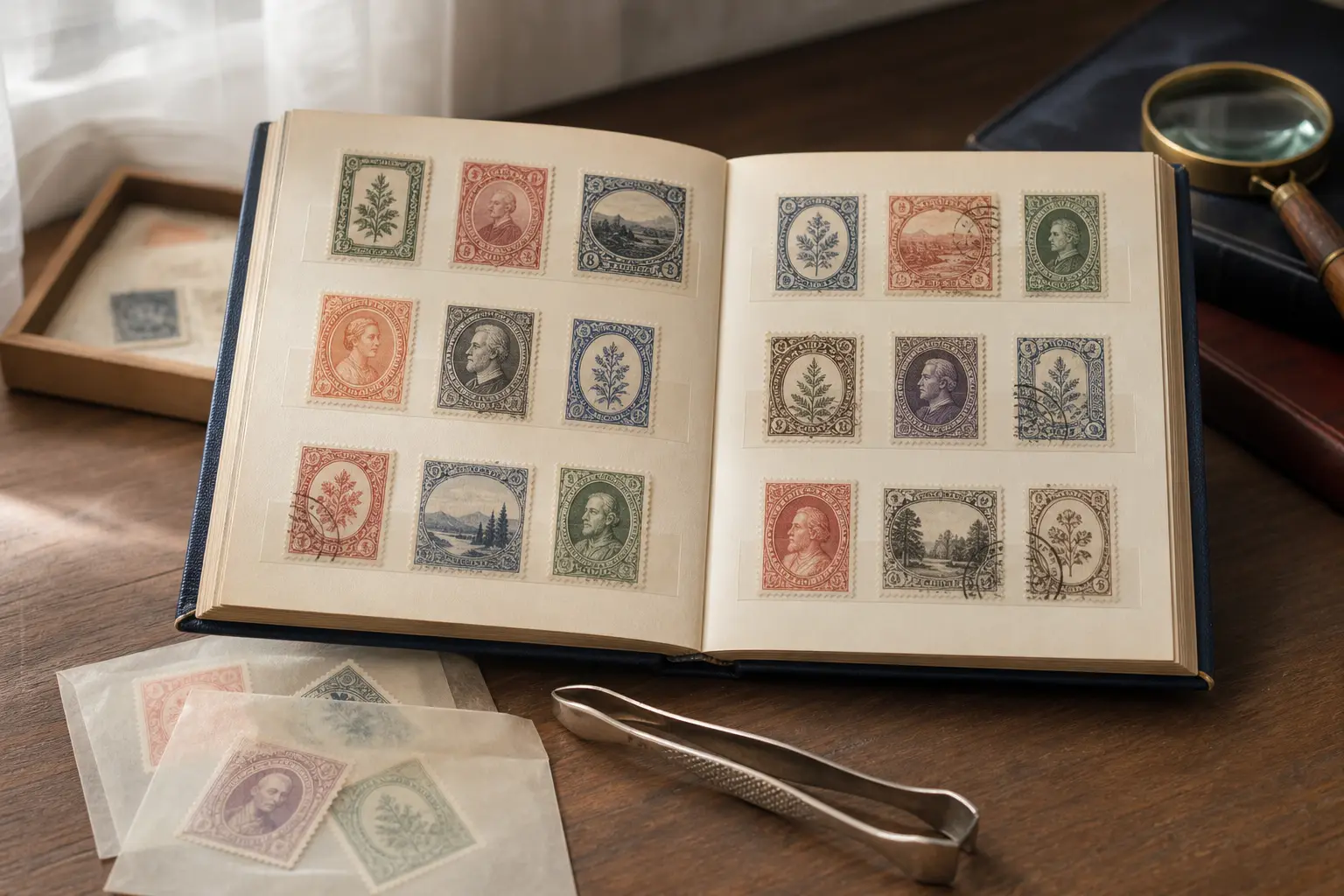
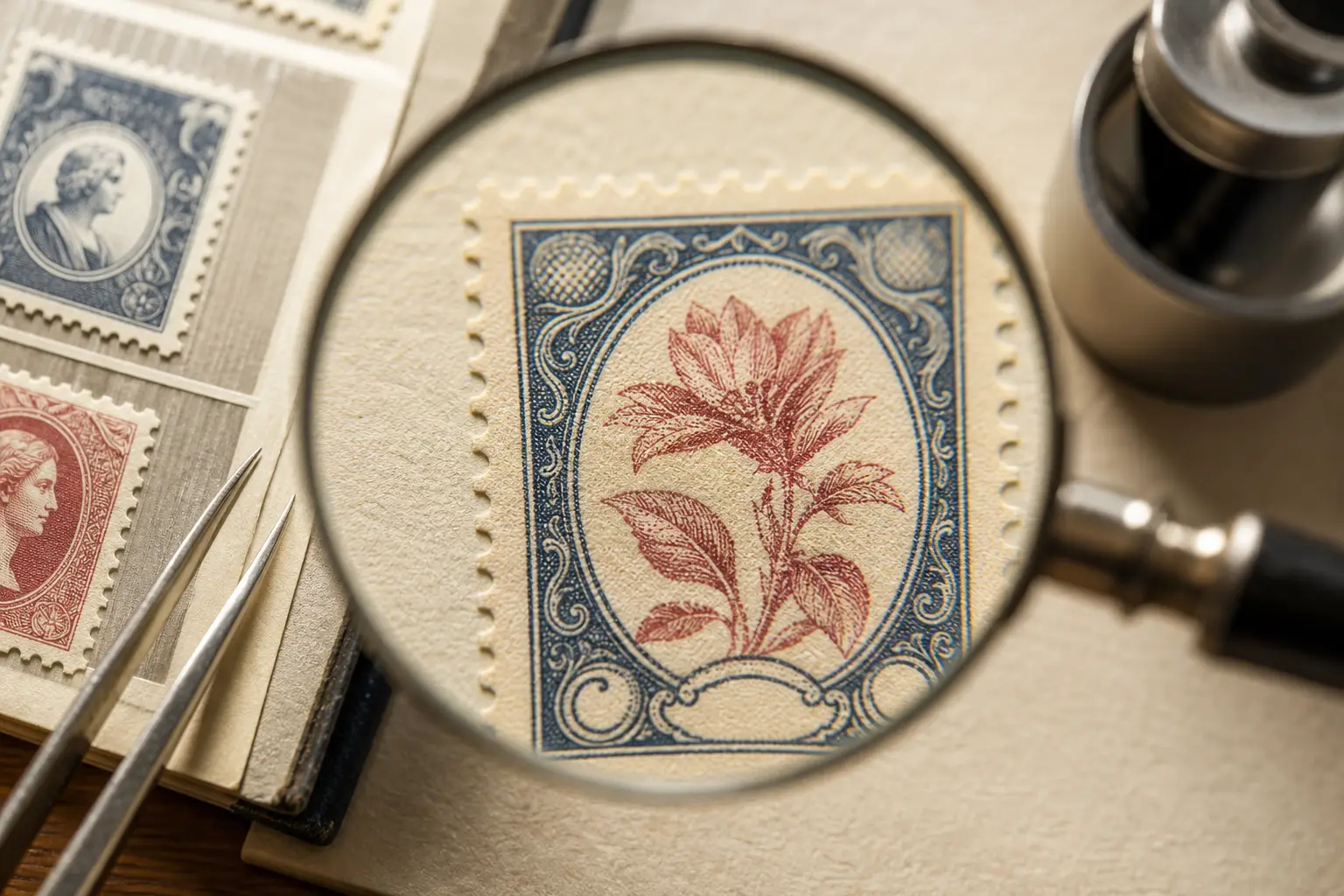
Distinguishing between the recess printing methods of line-engraved intaglio and gravure requires a methodical approach. By analyzing ink texture, screened structures, and paper debossing under oblique light, collectors can safely identify these classic and modern printing families.
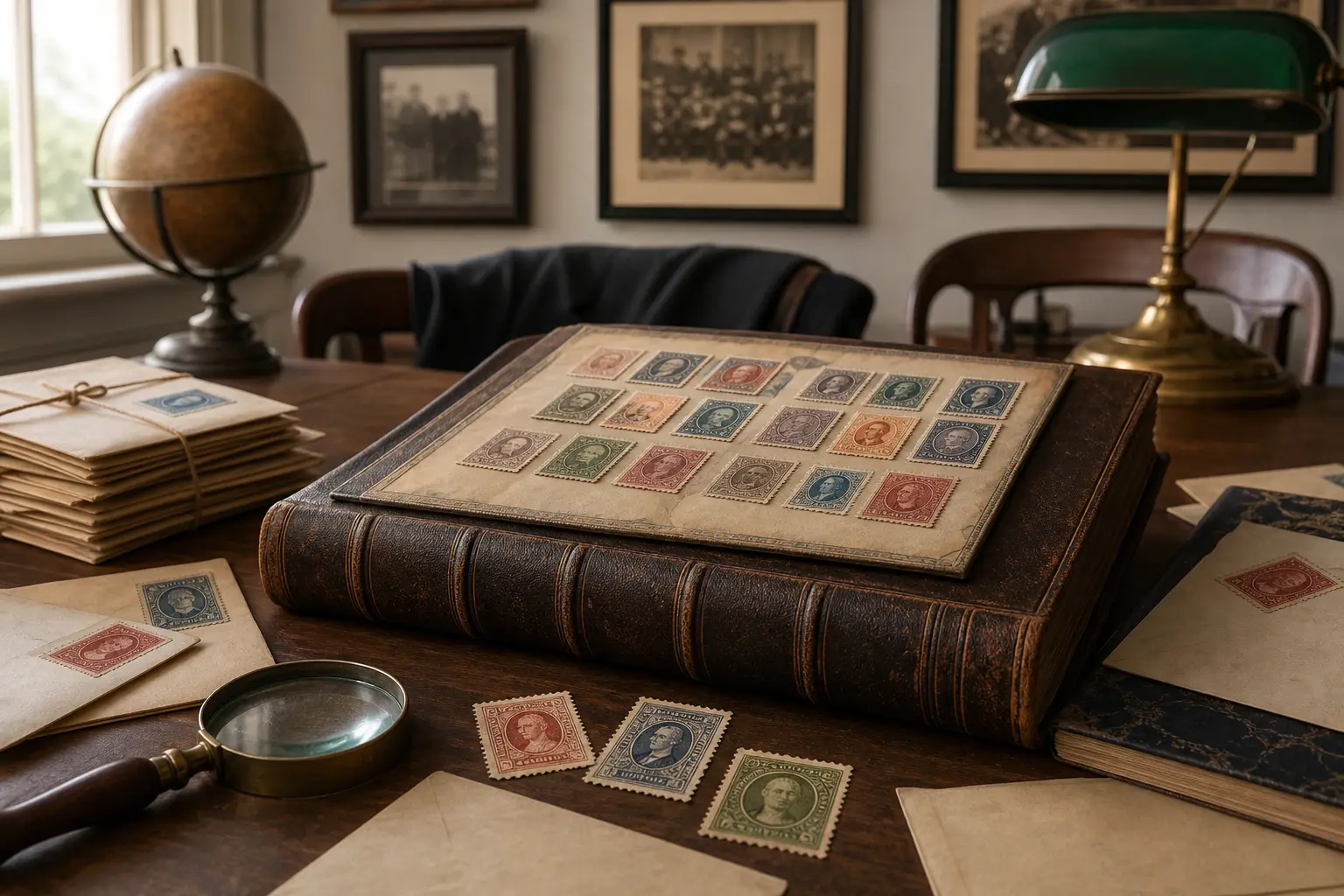
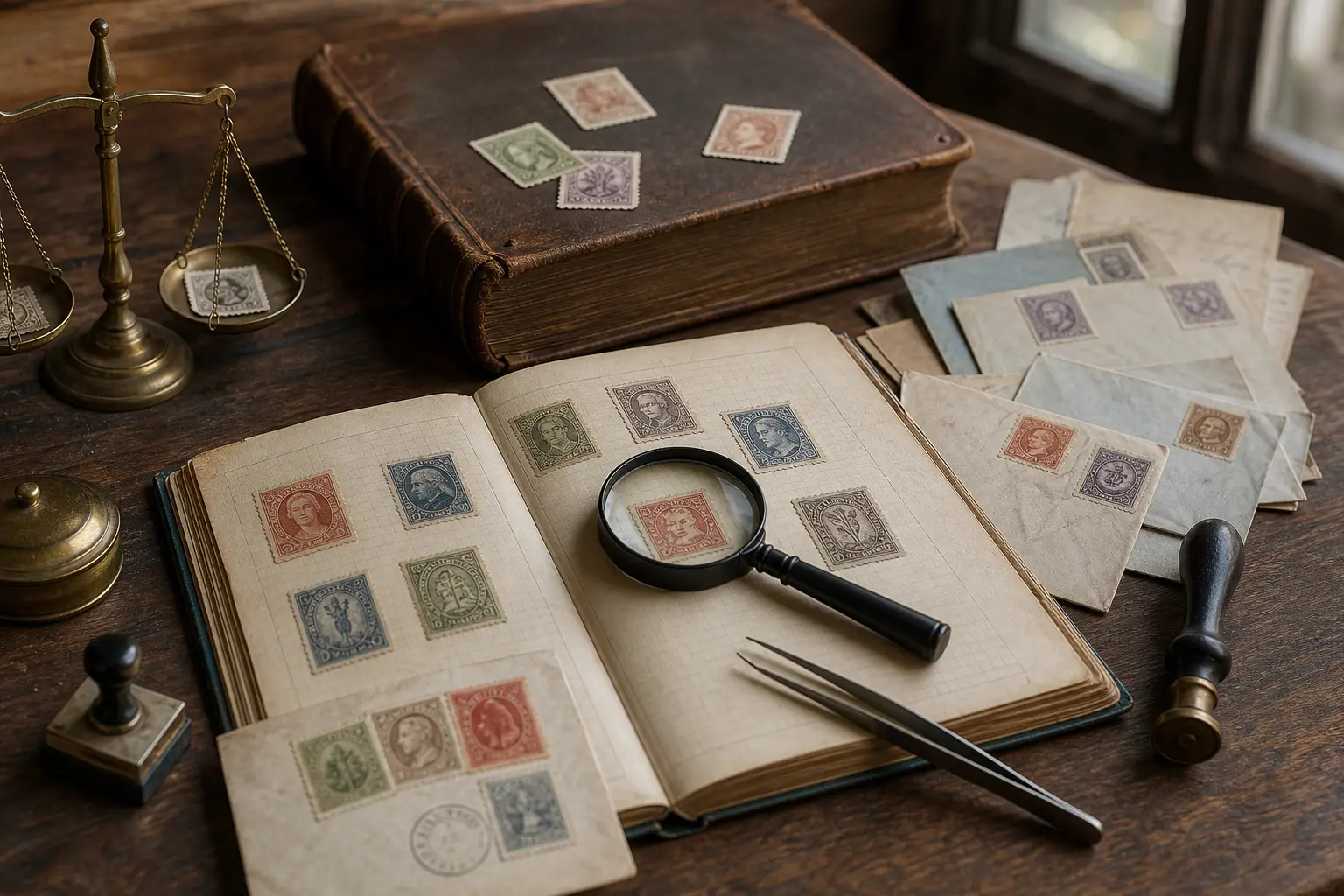
The rapid expansion of stamp collecting from the 1850s to the 1880s transformed a niche hobby into a national movement. Learn how early enthusiasts organized the first national philatelic association, established essential member services, and published the first official journals to connect collectors across the United States.
Discover the safest methods for mounting postage stamps in your album. Learn how to use hinges and mounts correctly, why you must avoid household adhesives, and how to handle dry and wet stamps safely to preserve their condition and value.
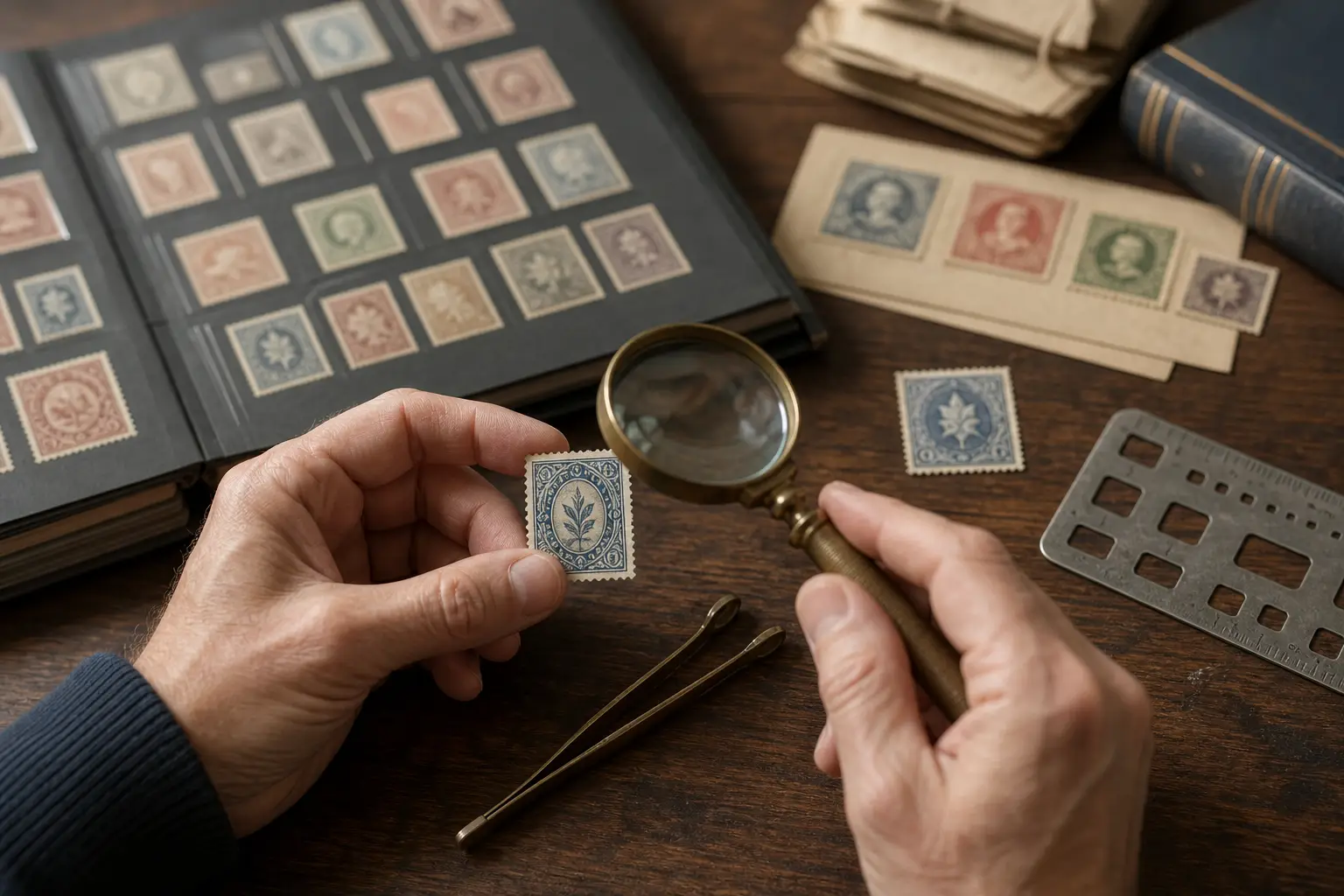
Topical stamp collecting allows you to build a personalized collection based on a specific theme, such as animals, space, or sports. Learn how to select a subject, incorporate diverse postal materials like covers and postmarks, and use essential tools like stamp tongs to handle your collection safely.
Early Liechtenstein stamps featuring Prince Johann II can look remarkably similar, but key design details like corner dates and hidden watermarks determine their catalog number and value. Learn how to identify these varieties safely.
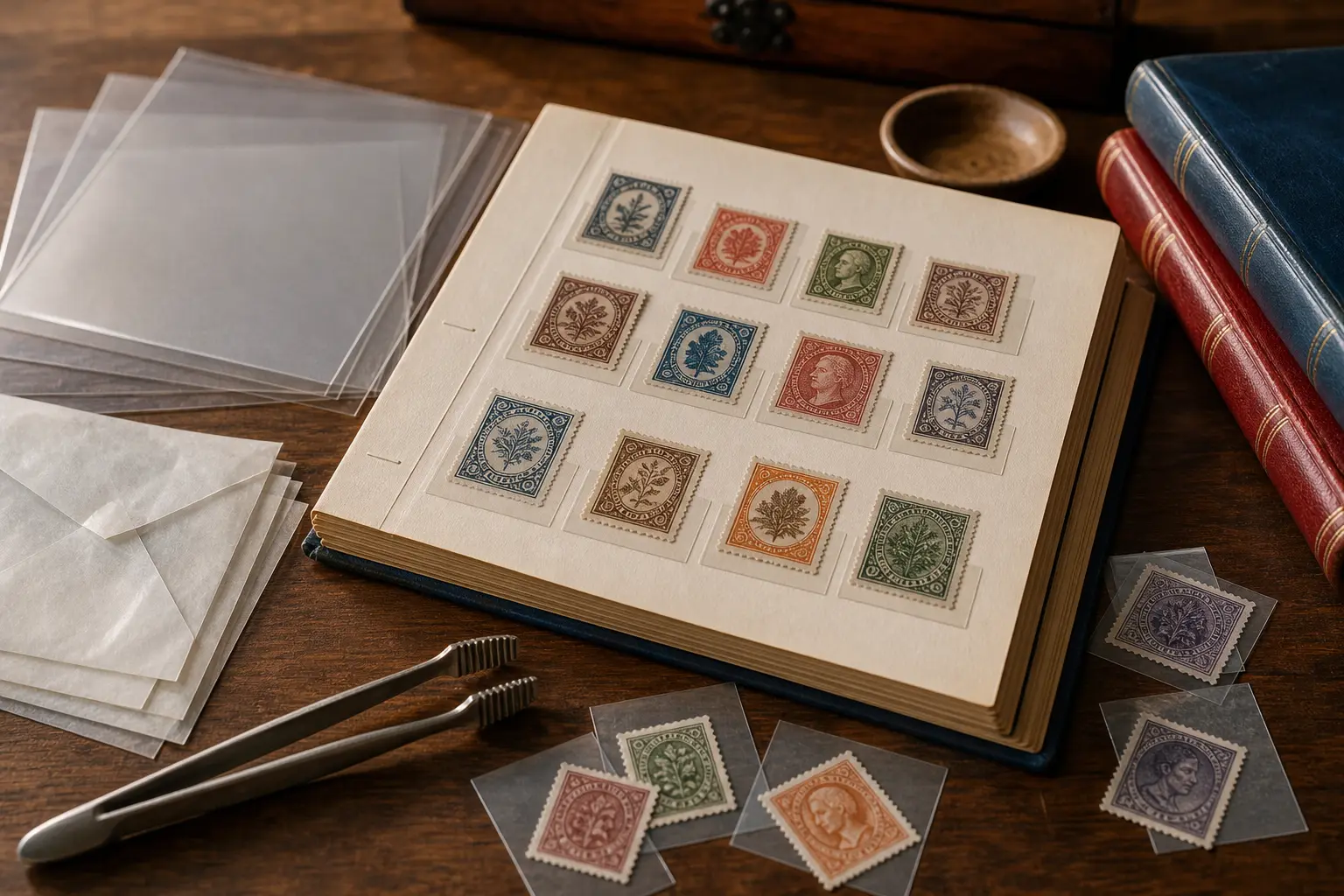
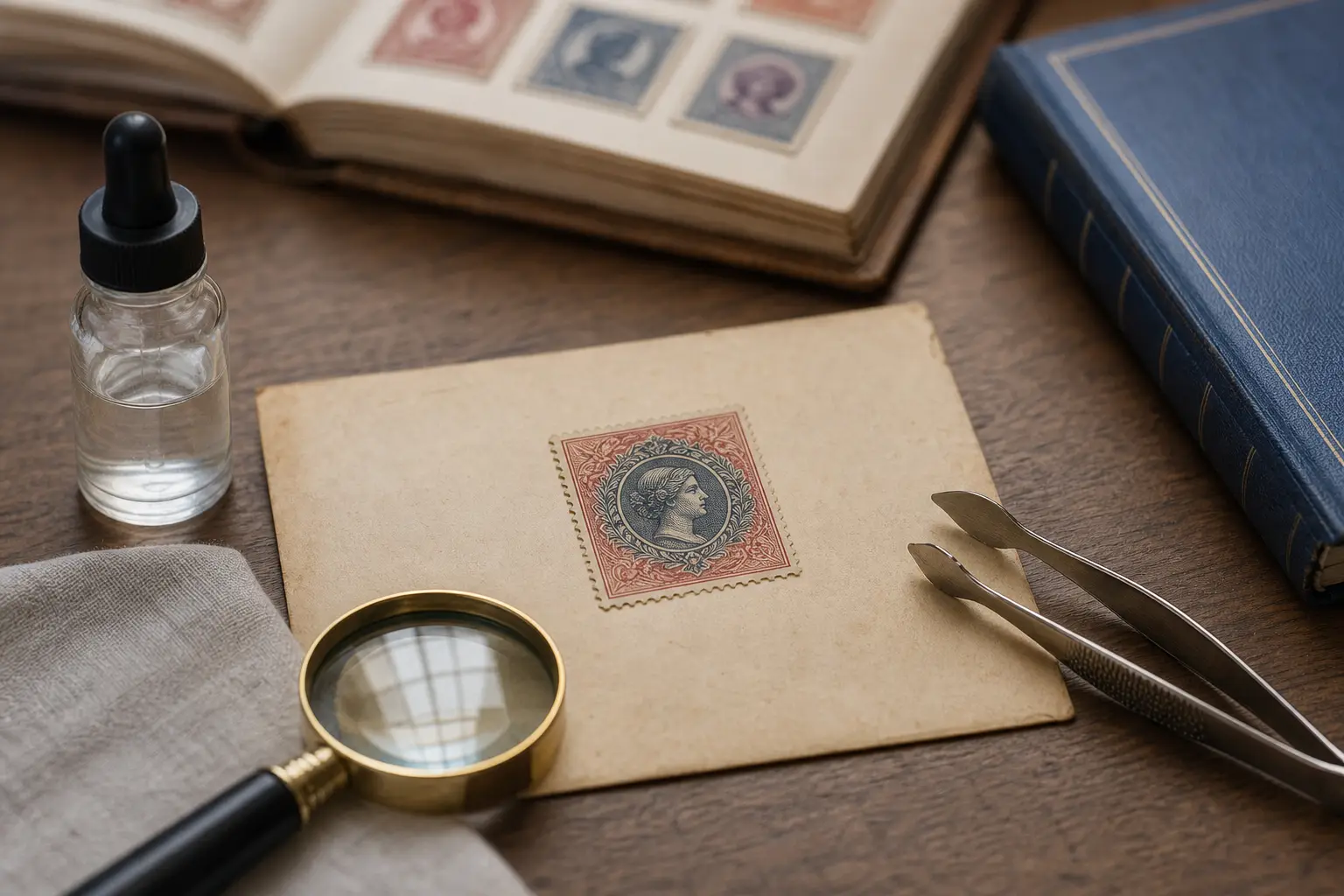
When organizing your stamp collection, choosing the right mounting method is critical to preserving value. Learn the differences between stamp hinges and clear plastic mounts, and discover how to secure your stamps safely without using damaging household adhesives.
Deciding whether to collect mint or used stamps is one of the first major choices a philatelist makes. This guide explains the key differences, the practical advantages of each option, and how to safely handle your collection using proper tools and reference catalogs.
Discover how hidden paper watermarks act as security features that distinguish common stamps from rare varieties. Learn safe detection methods using specialized watermark fluid to protect your collection.
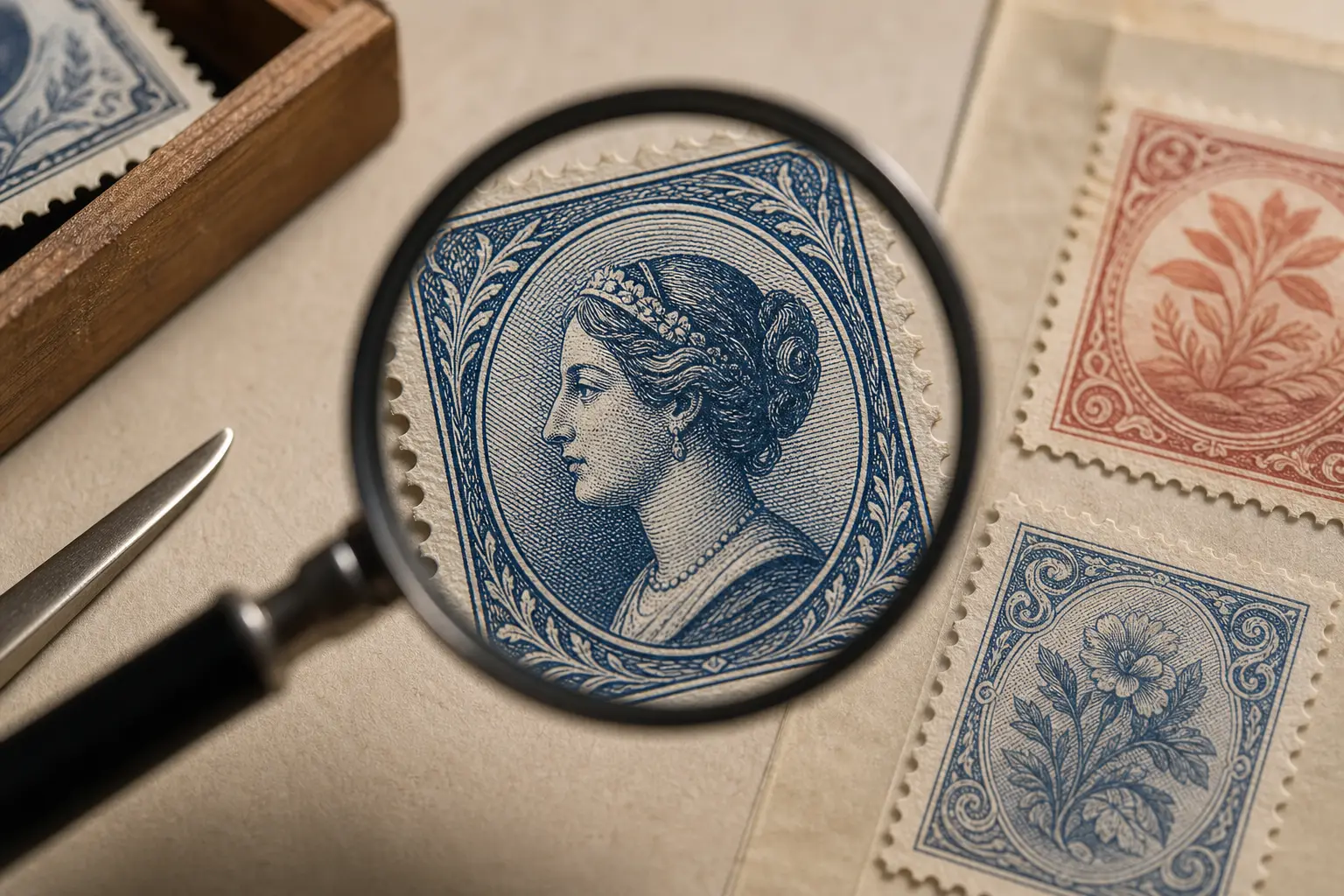
A stamp catalog is an essential reference tool for identifying mystery stamps. Learn how to navigate catalog illustrations, verify issue dates, analyze printing methods, and safely cross-reference your findings to build an organized collection.
Distinguishing offset lithography from other printing families requires looking beyond soft edges. Learn how to combine observations of process-color dots, ink behavior, and production records to safely identify planographic stamp printing.
In the late nineteenth century, early philatelic organizations developed structured systems to facilitate duplicate exchanges, coordinate collective purchasing, and combat the spread of counterfeit stamps.
Discover how to safely measure stamp perforations using a specialized gauge. Learn to protect fragile paper teeth, handle dry stamps with tongs, and identify rare varieties without causing damage.