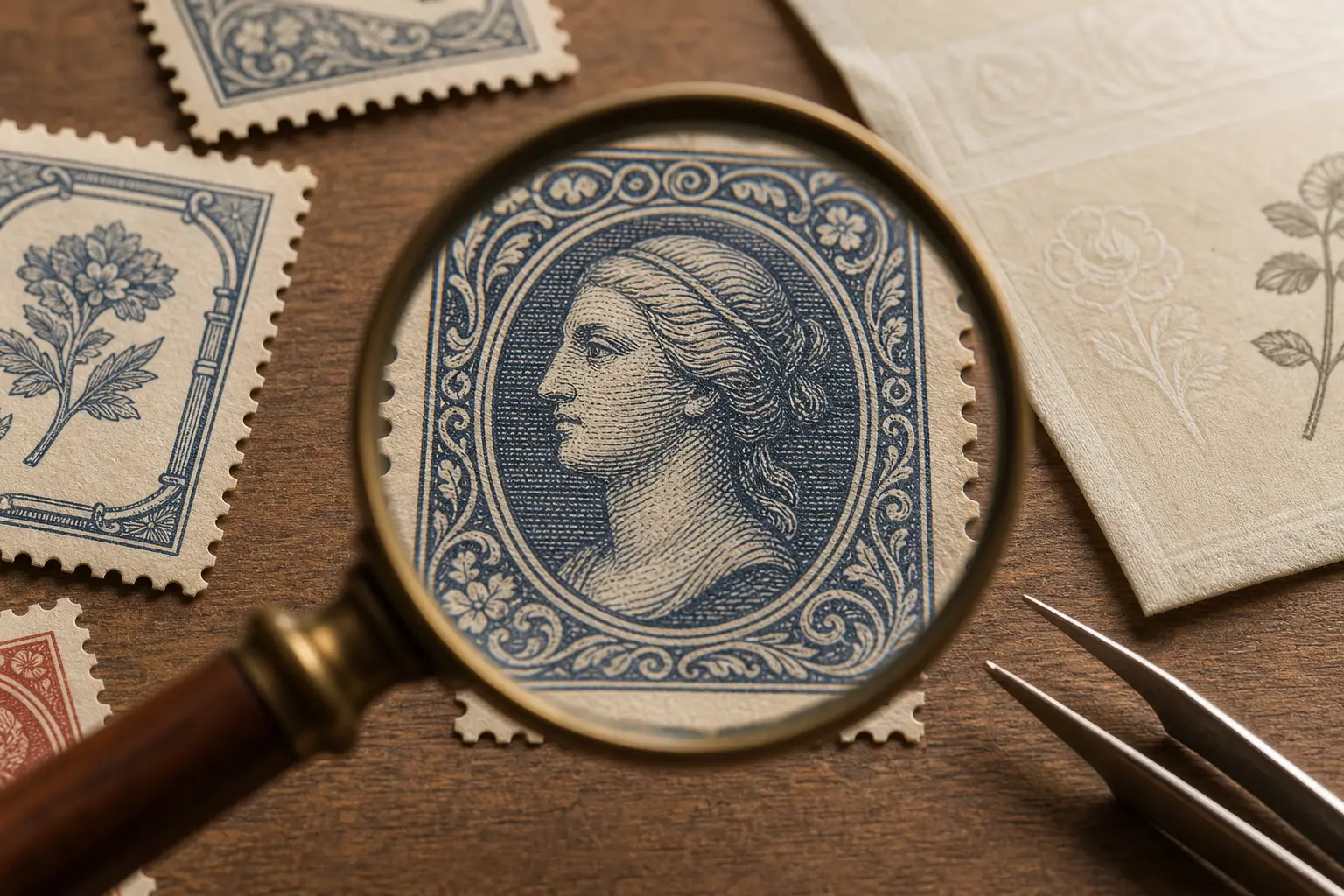
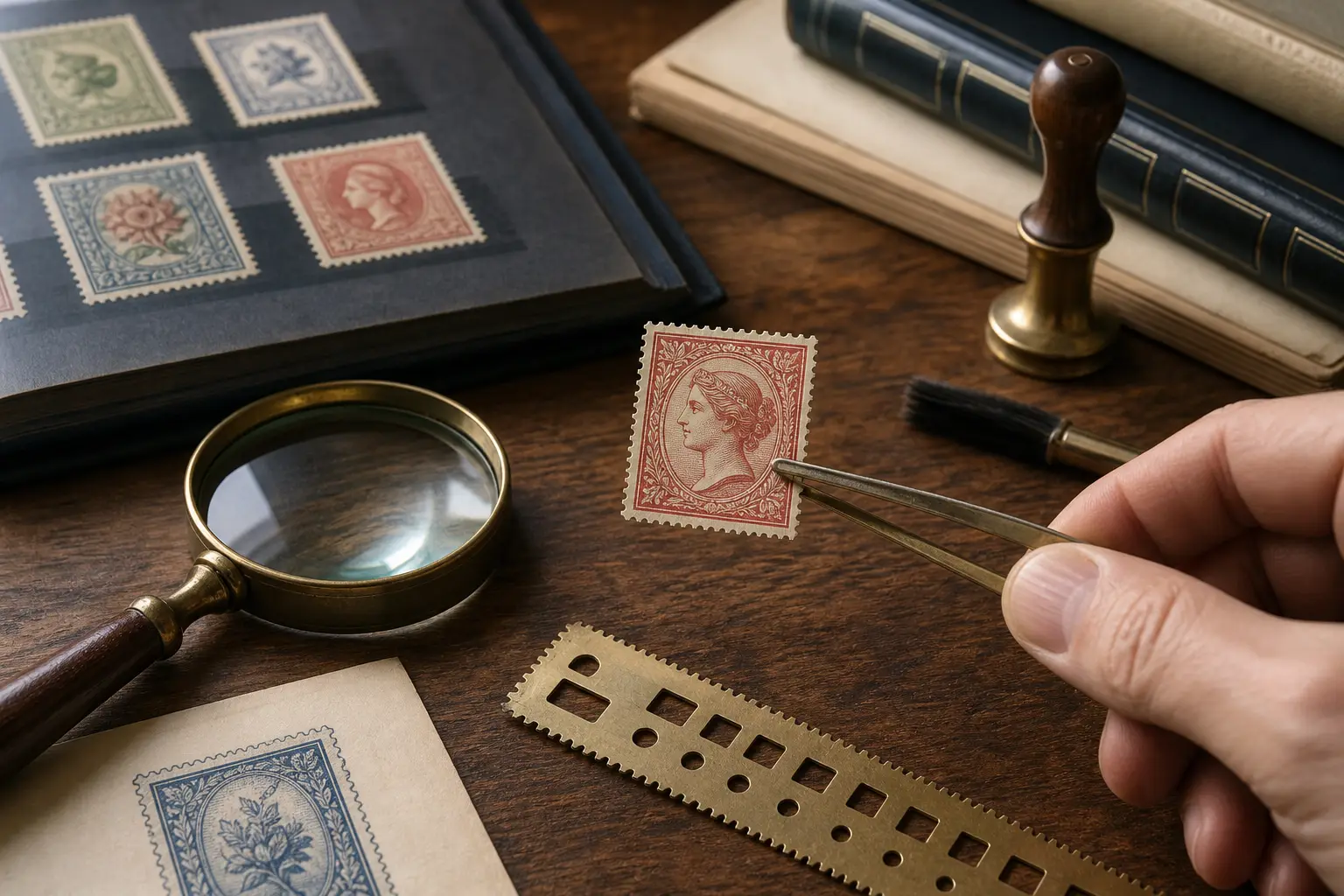
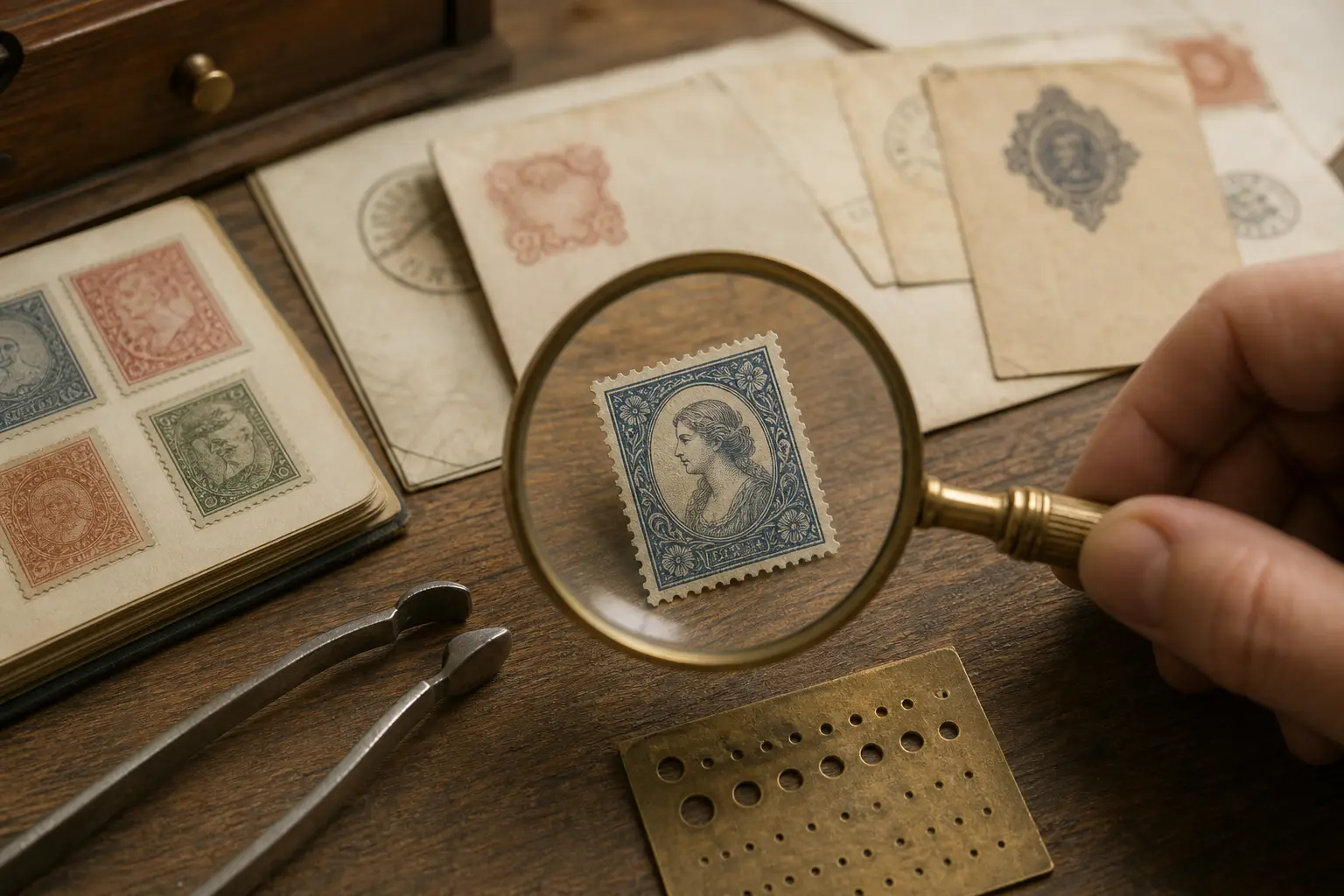
Many postage stamps share identical designs but differ by printing method or watermark. Learn how to safely analyze these physical characteristics using non-contact magnification and watermark fluid to identify your stamps accurately.
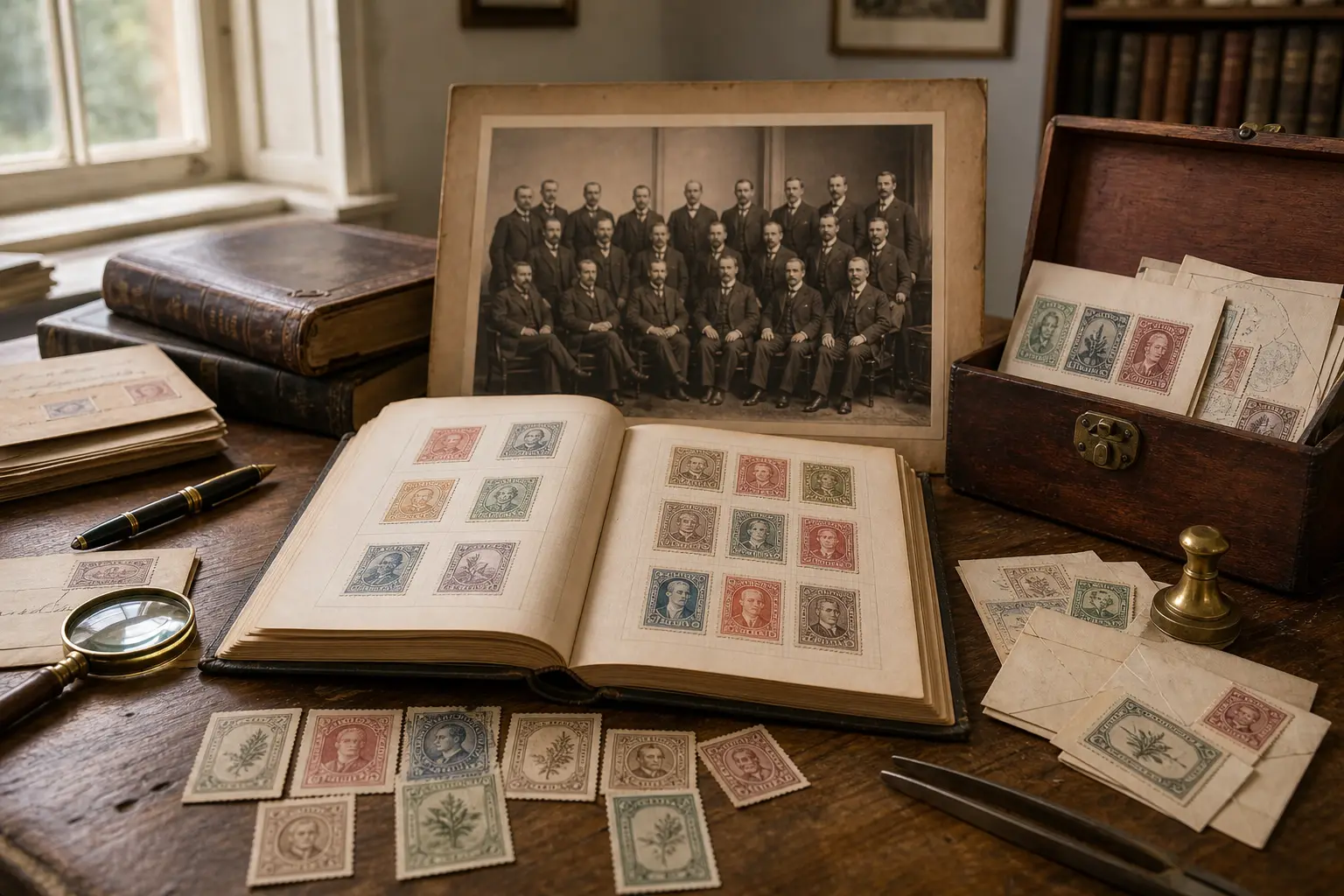
Learn how early stamp collectors transitioned from informal local exchanges to structured national organizations. Explore the founding of the American Philatelic Association in 1886 and the evolution of philatelic community resources.
Before soaking used postage stamps to remove them from paper, proper preparation is essential. Learn how to safely trim envelope corners, isolate bleeding dyes, and batch your clippings to protect your philatelic finds from accidental damage.
Struggling to manage a worldwide stamp collection? Learn how to narrow your philatelic focus to a specific historical era or your birth year using safe handling tools, catalogs, and systematic organization.
Discover why some postage stamps do not feature a country name, how to identify these unique issues using monarch portraits or foreign inscriptions, and the safe steps to determine their catalog value.
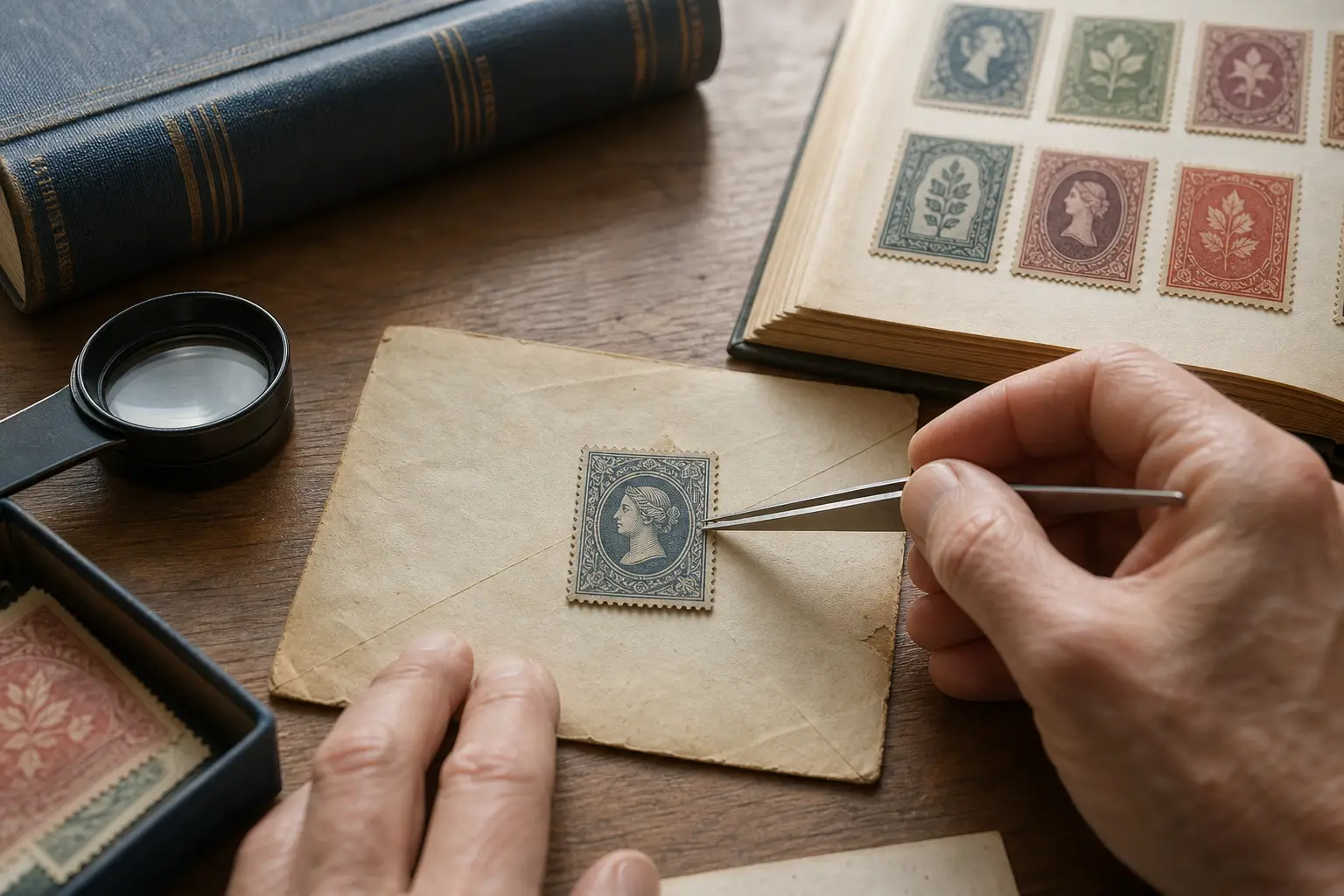
Handling postage stamps with bare hands introduces invisible skin oils that cause long-term damage. Discover why professional stamp tongs are the single most important tool for protecting your collection, how they differ from household tweezers, and how to use them safely during identification.
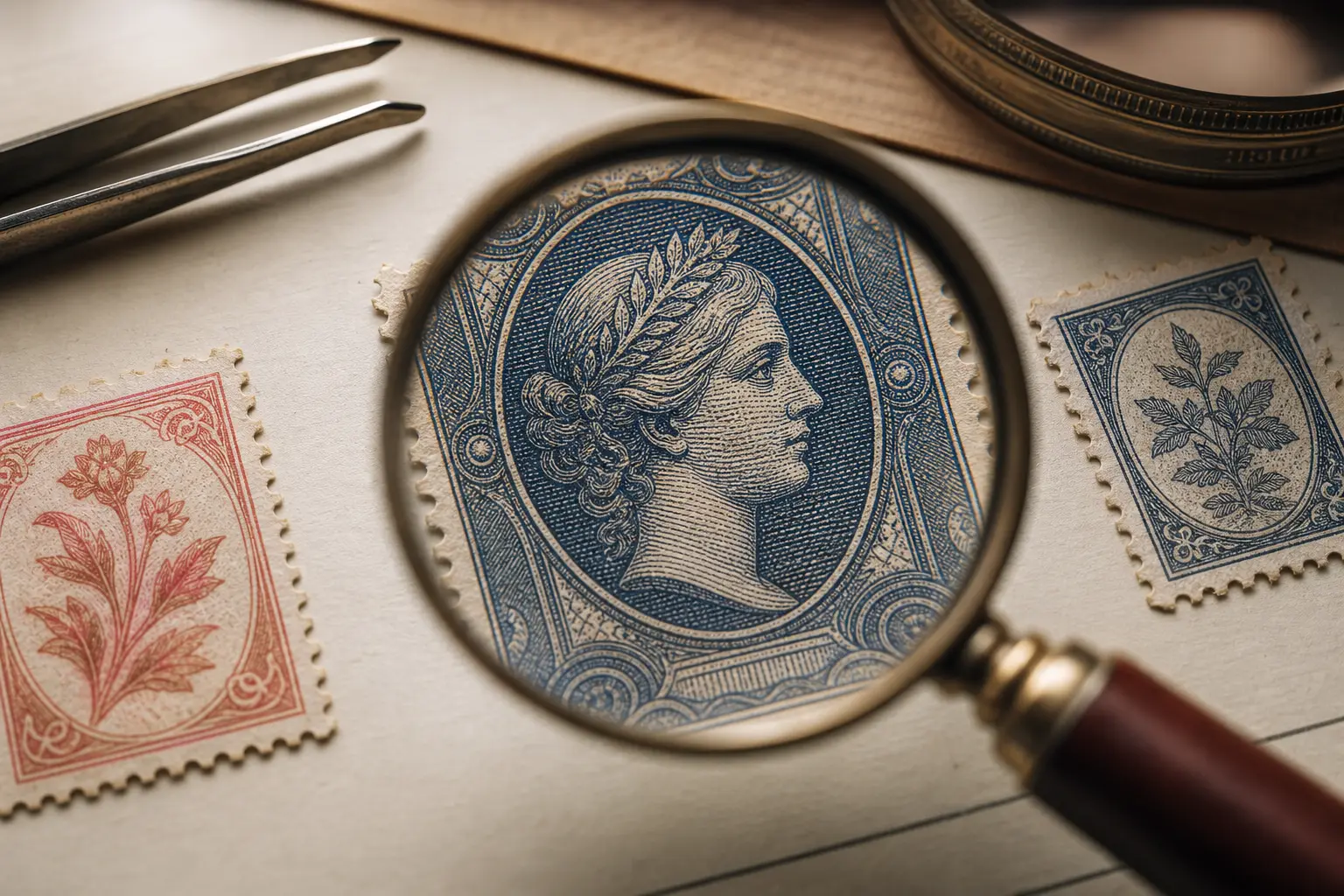
Differentiating modern offset lithography from gravure on postage stamps requires a methodical approach. Learn how to combine cumulative visual clues, non-contact magnification, and production records to identify these printing methods safely without relying on unreliable single-feature shortcuts.
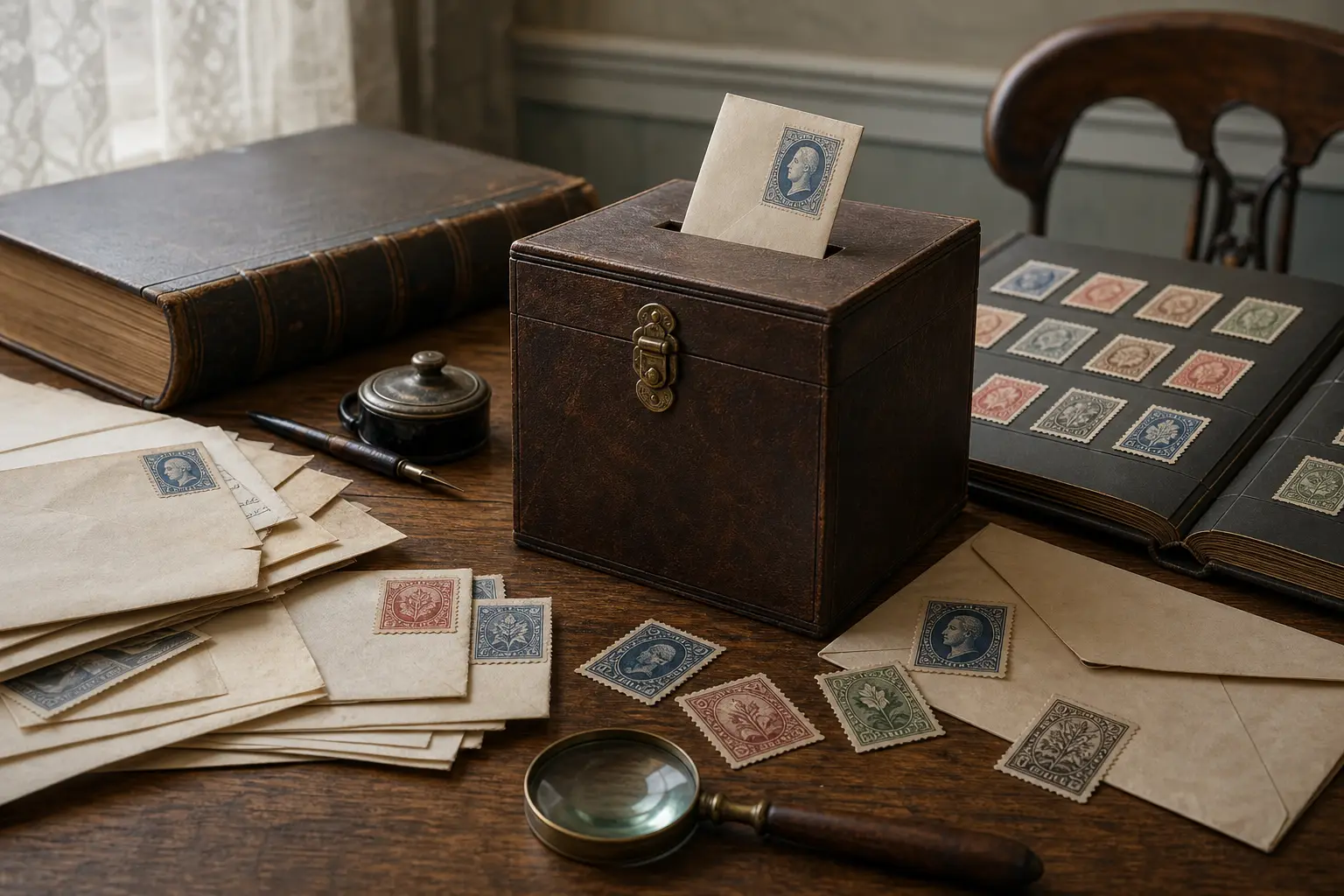
In 1886, early stamp collectors overcame geographical barriers by using a proxy voting system and a dedicated committee to establish the first national philatelic association in the United States.
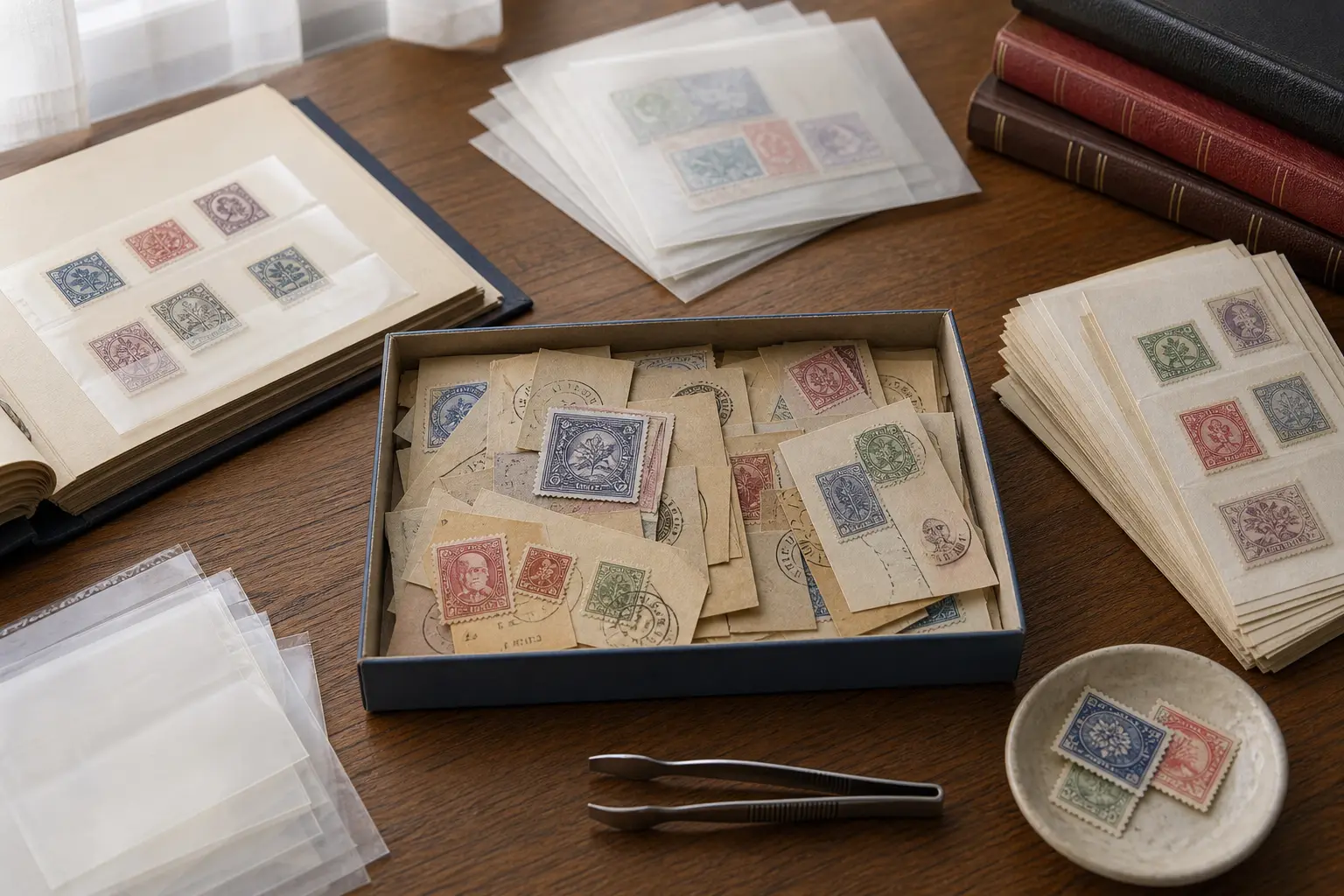
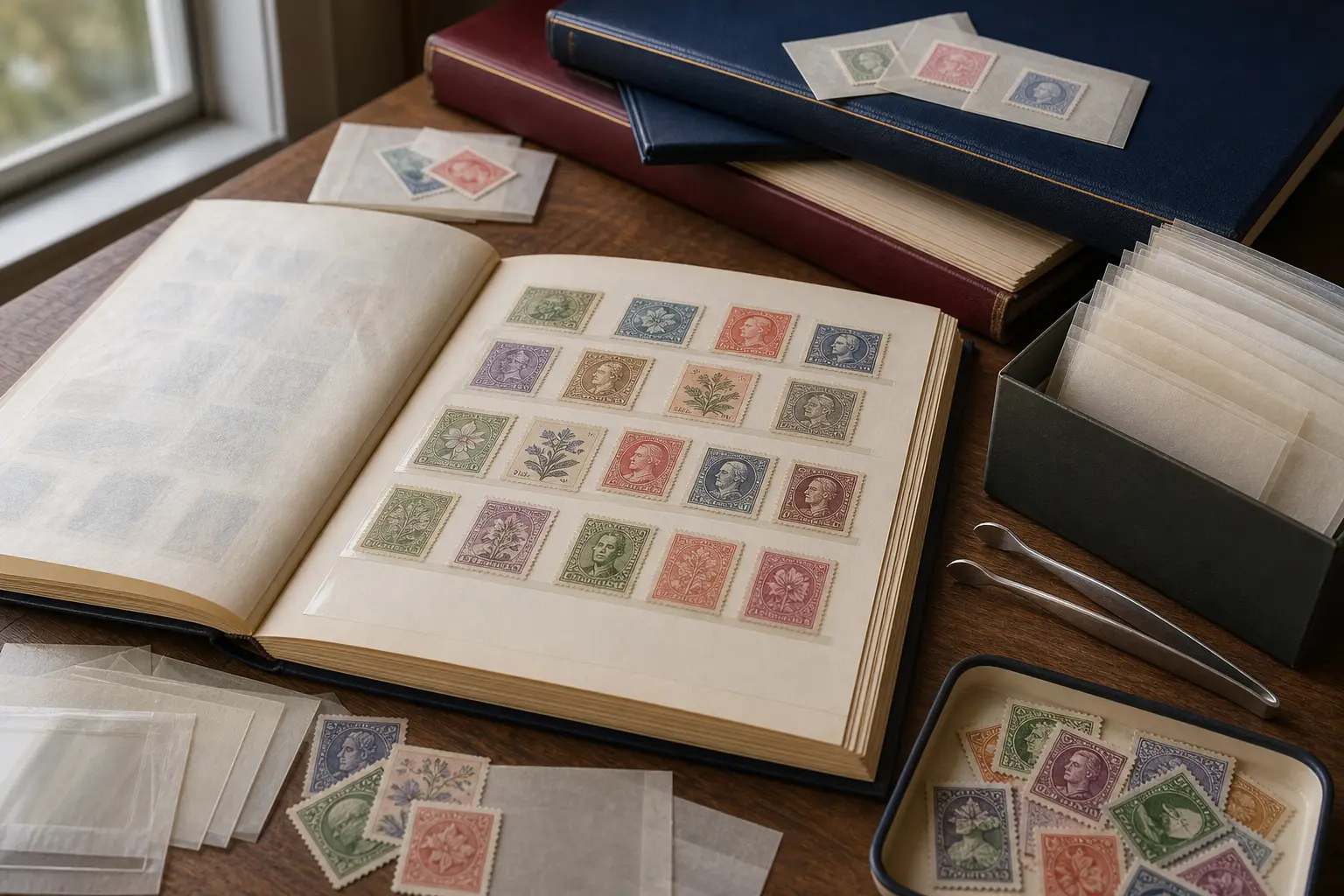
Accumulating duplicate stamps is a natural part of collecting. Learn how to systematically evaluate your duplicates, select the highest-quality specimens for your album, and safely store the rest using professional tools like tongs, glassines, and stock books.
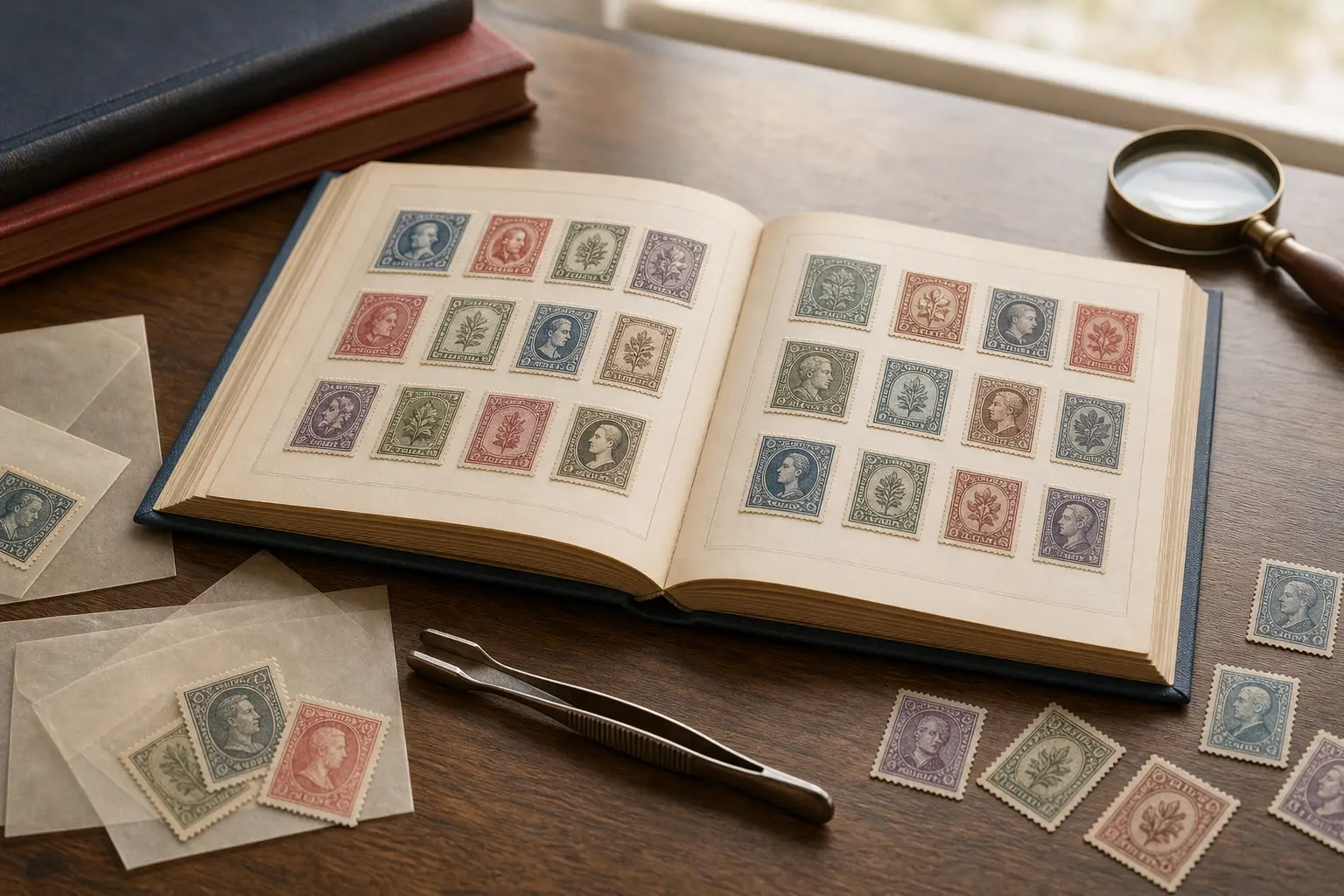
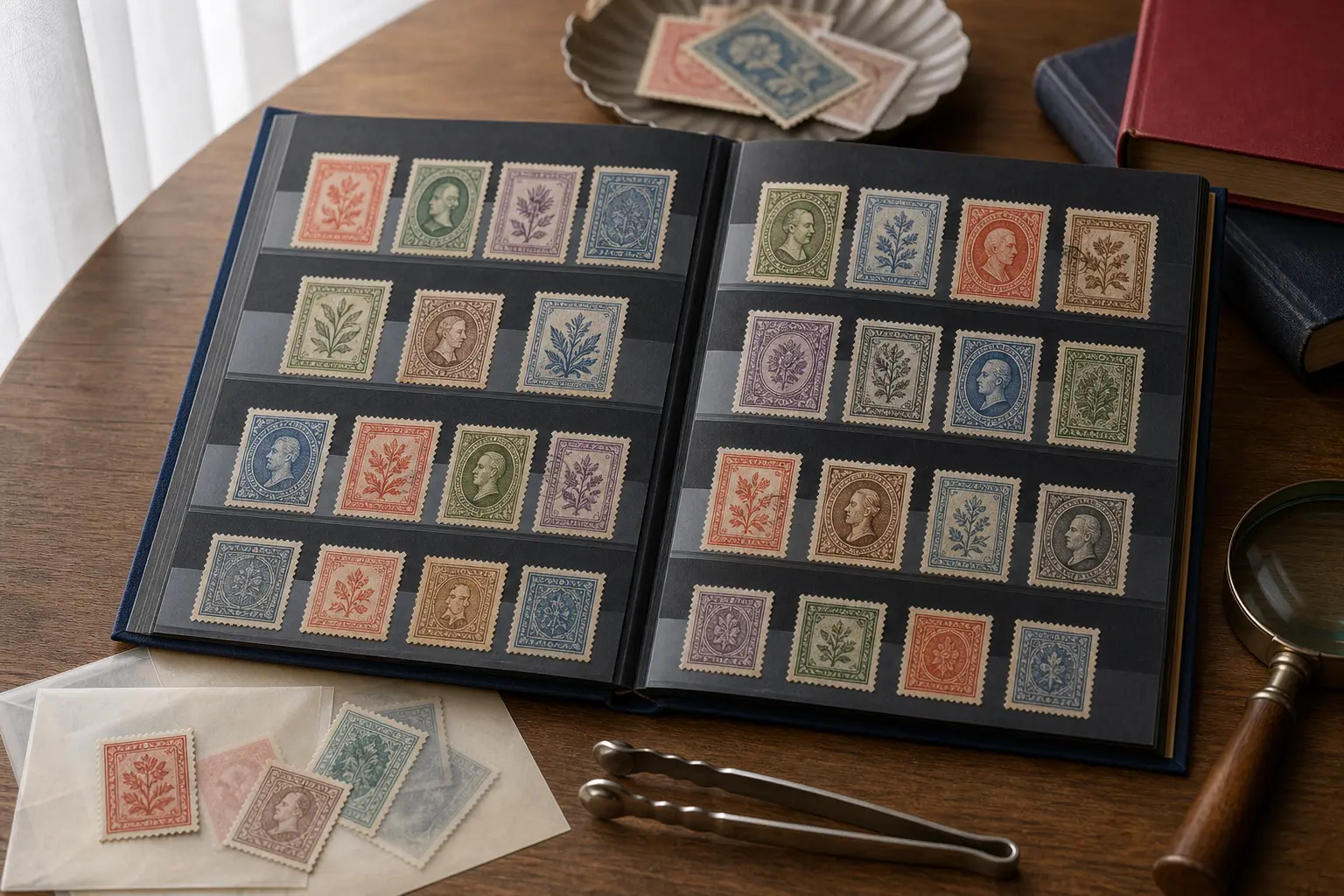
Starting a worldwide stamp collection is an exciting journey into global history. Learn how to manage the scale of thousands of annual issues, choose the right tools, and organize your collection safely using systematic methods.
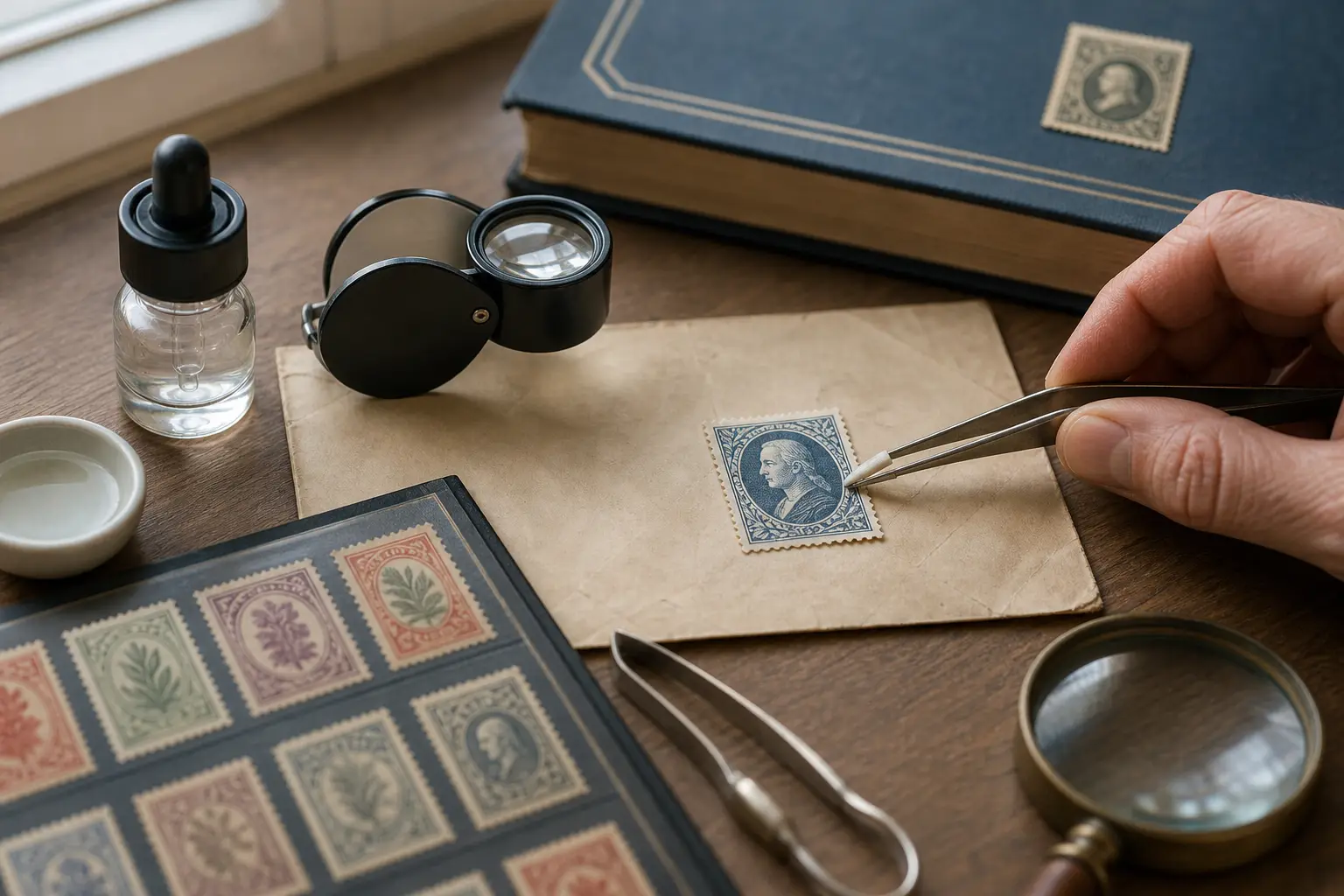
Watermarks can be the sole difference between a common stamp and a highly valuable variety. Learn how to safely identify USPS, USIR, and USPOD watermarks using professional fluid testing methods to accurately assess your collection.
Before the invention of the postage stamp, mail delivery relied on complex recipient-pay systems and clever pre-stamp codes. Learn how to identify these historical markings, postage meters, and early postal ephemera on covers using safe philatelic tools.