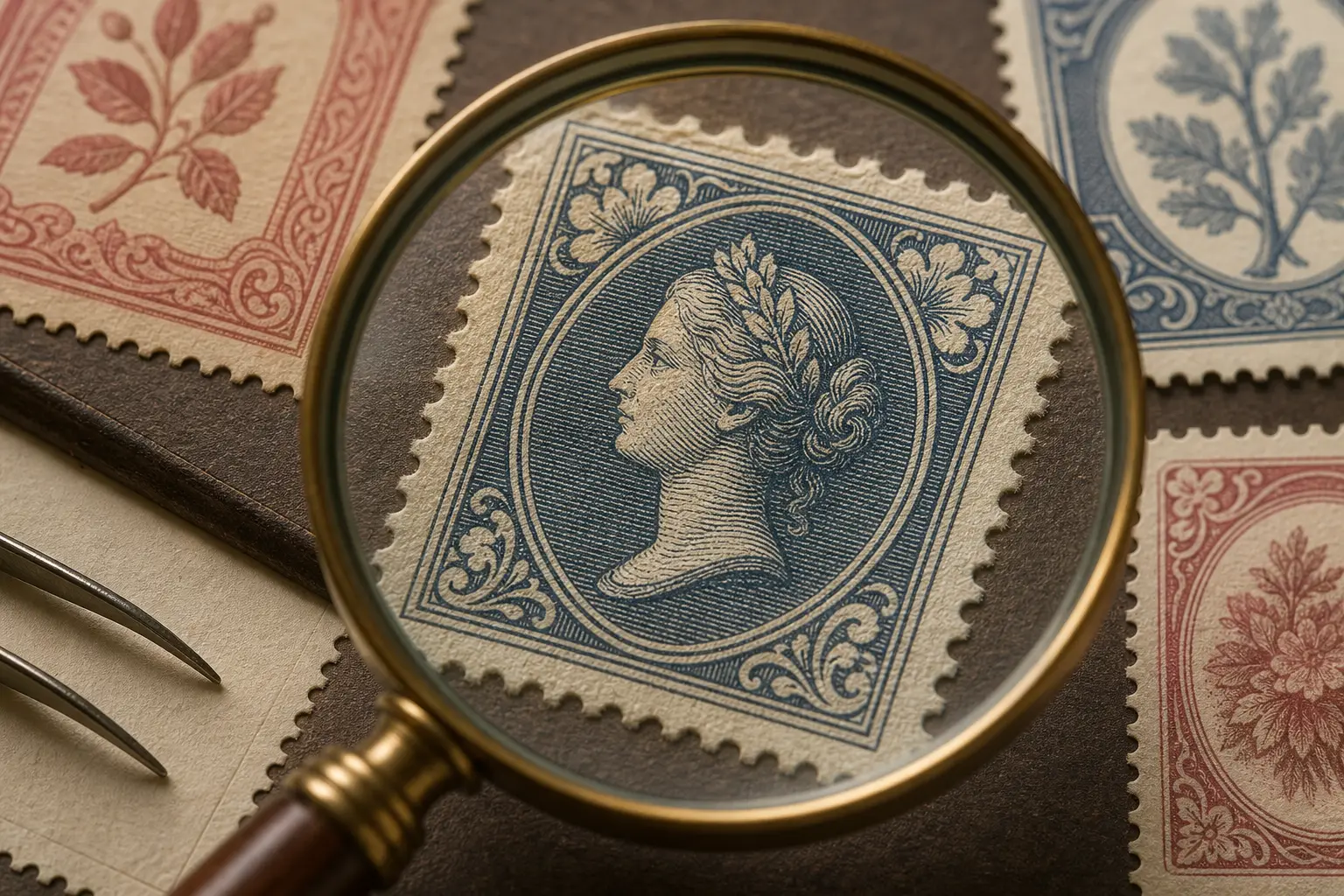
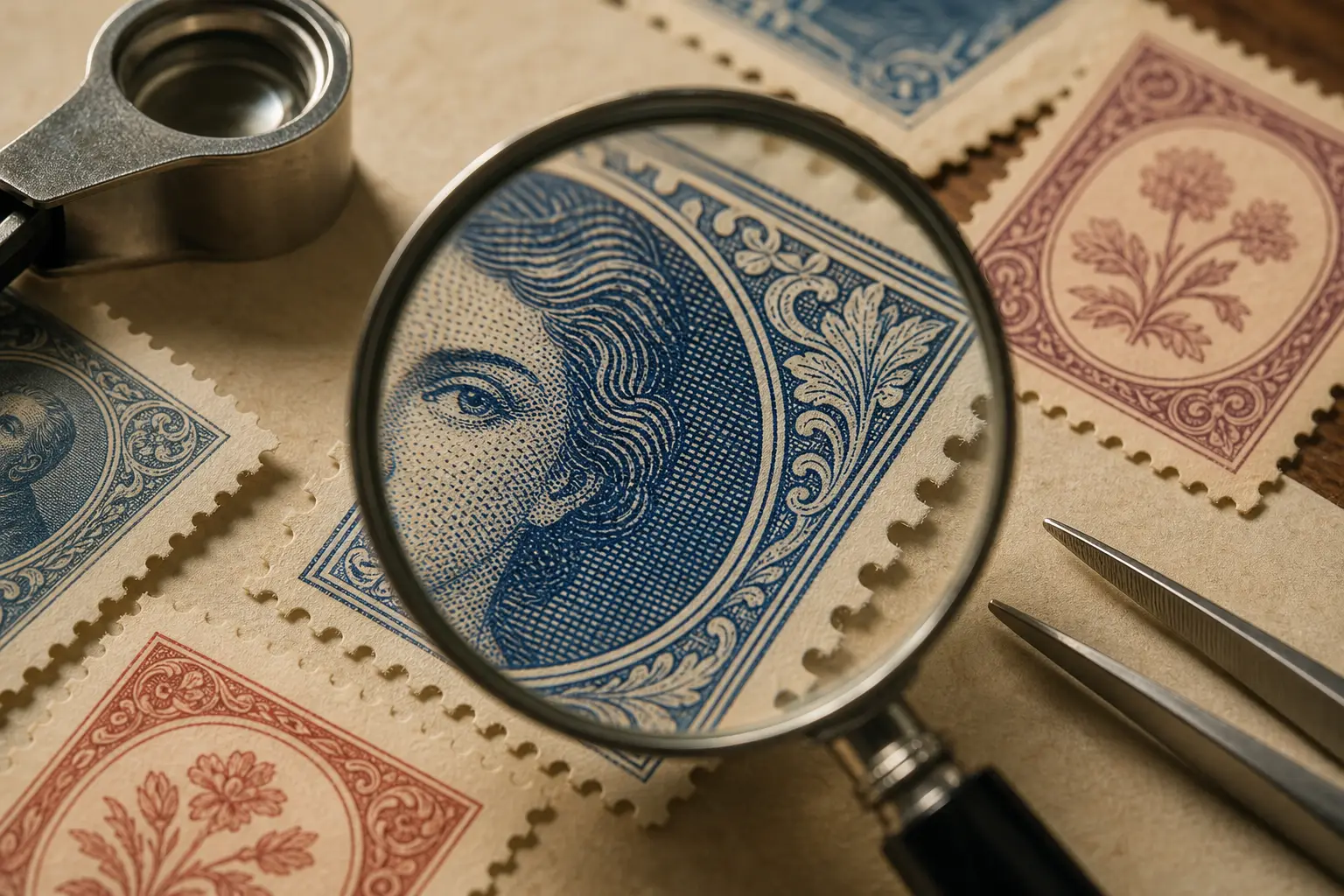
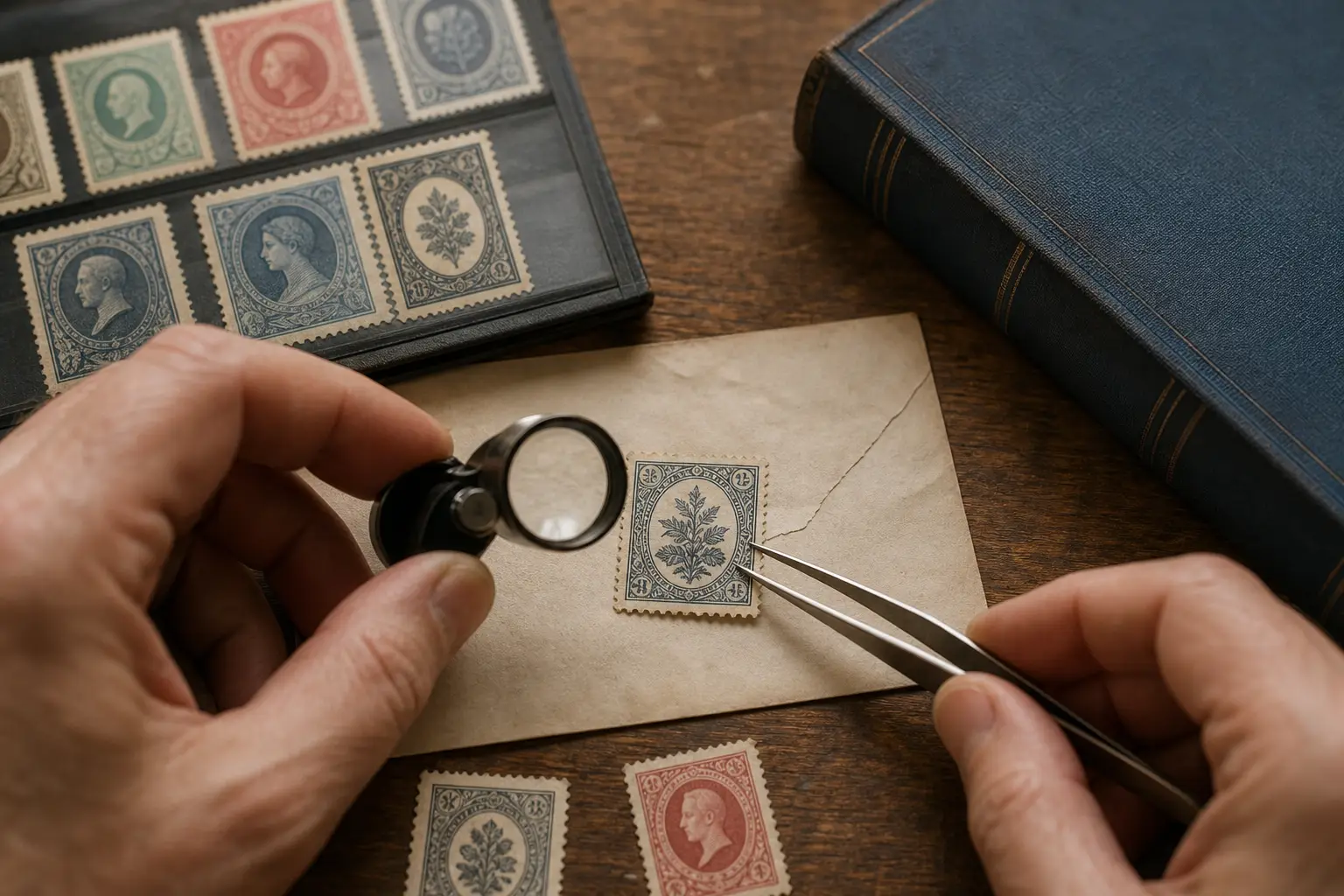
Determining how a postage stamp was printed requires looking beyond basic design elements. By systematically analyzing physical texture, relief, and ink behavior under oblique light and non-contact magnification, collectors can gather cumulative clues to distinguish between major printing families.
Early stamp collecting relied heavily on printed journals and physical libraries to preserve knowledge. Discover how the American Philatelic Association and early researchers built the literature foundation of the hobby.
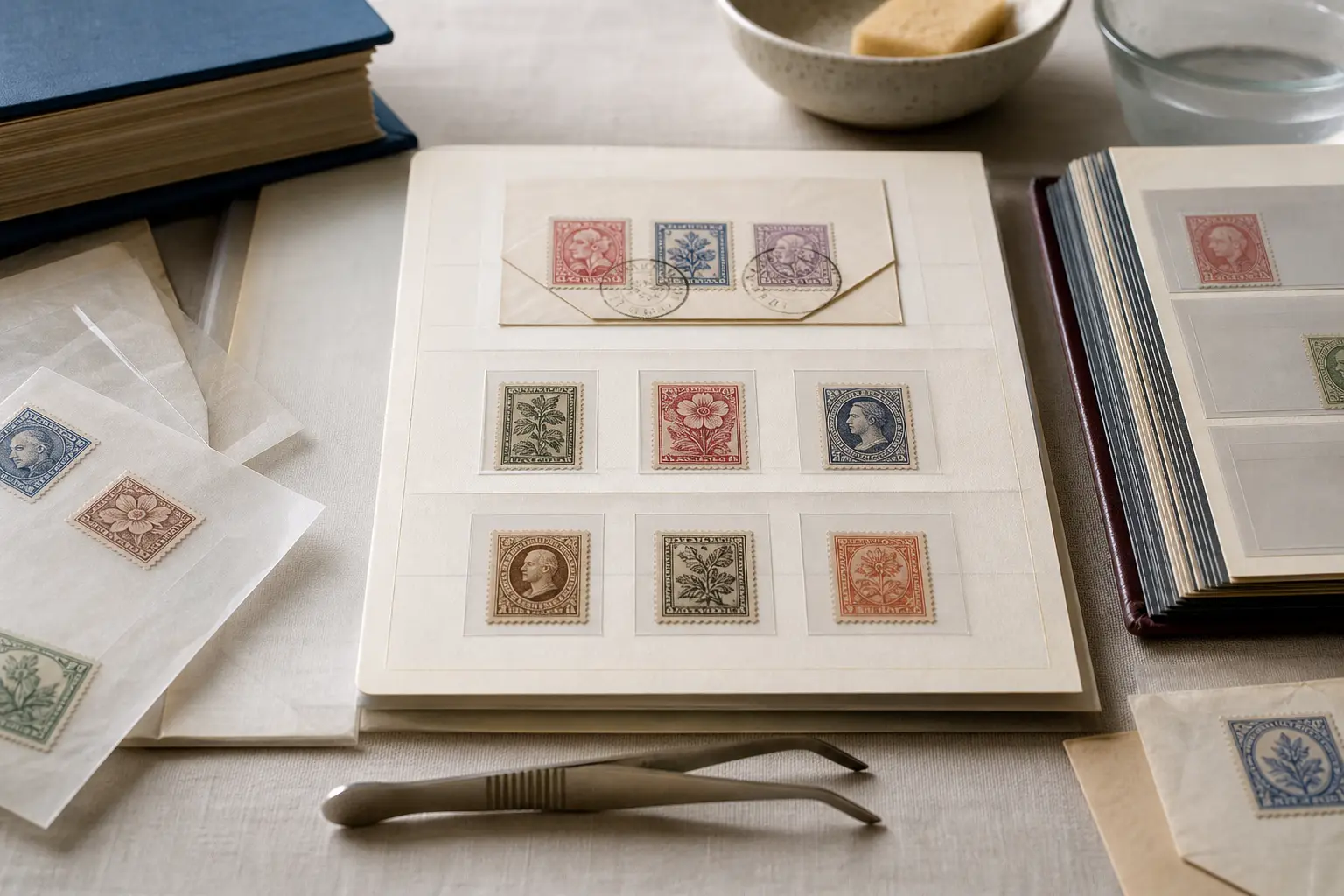
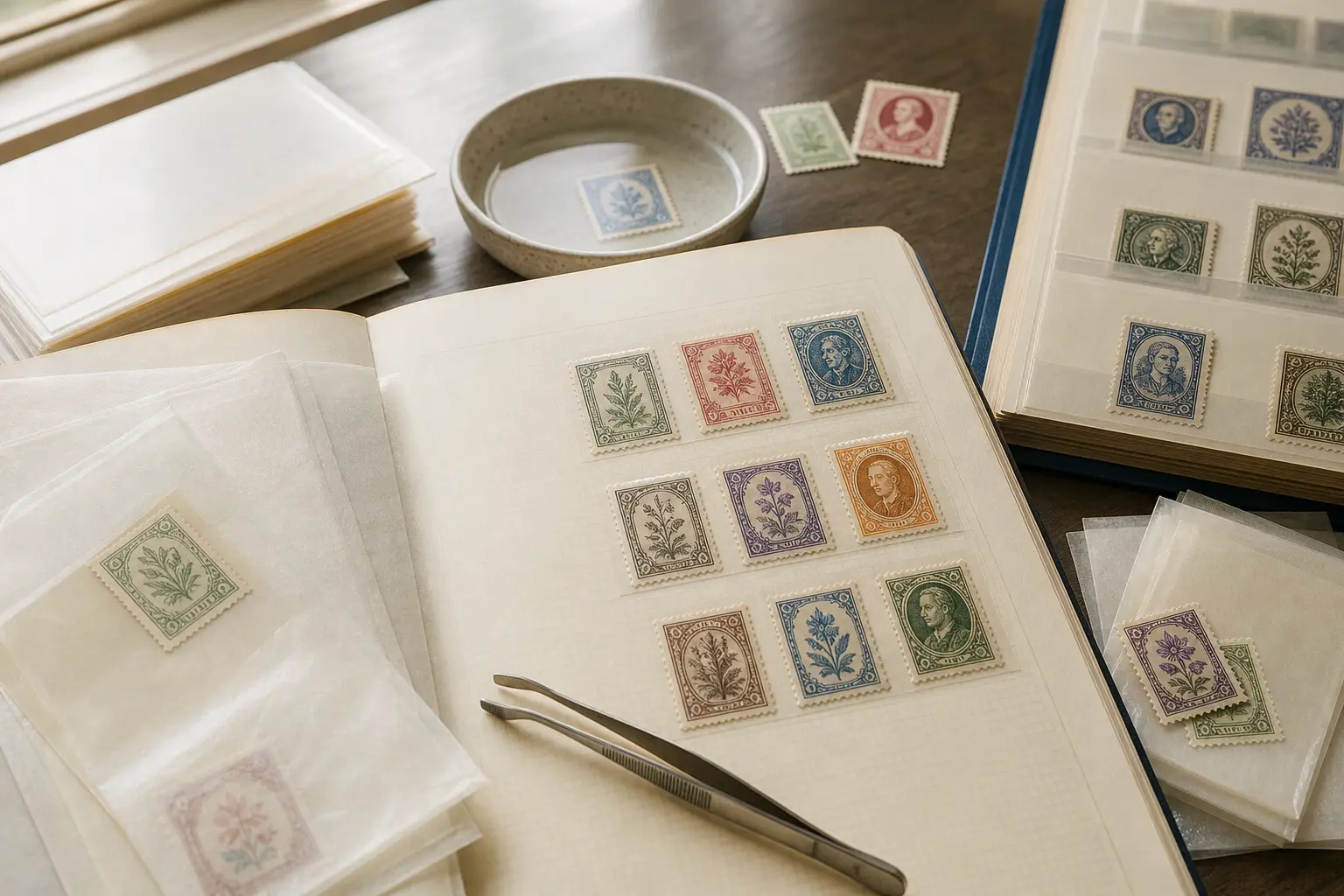
Deciding whether to soak a postage stamp off its envelope paper or preserve it intact is a fundamental choice for collectors. Learn how to evaluate cancellations, handle fragile paper safely, and protect your stamps from damage.
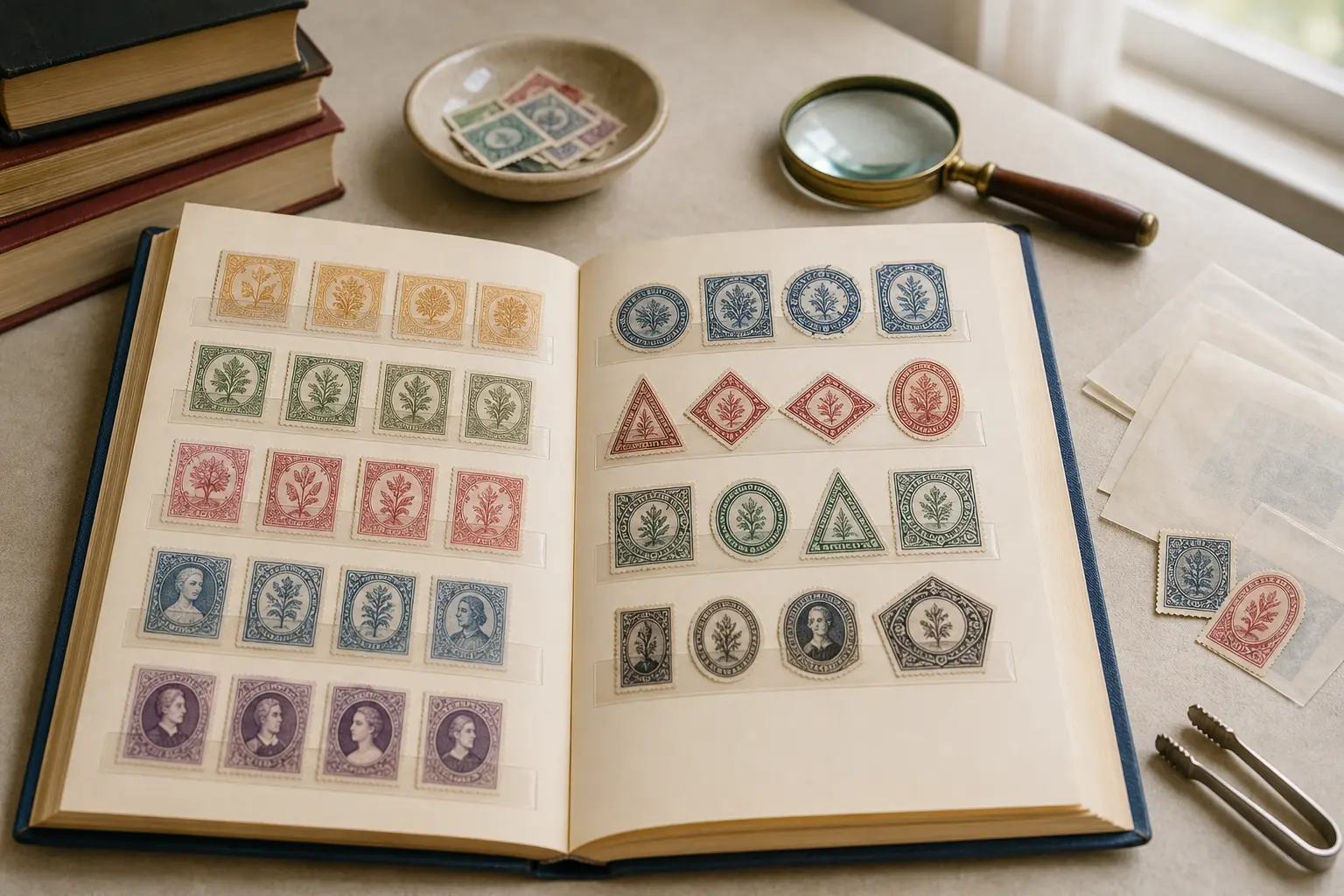
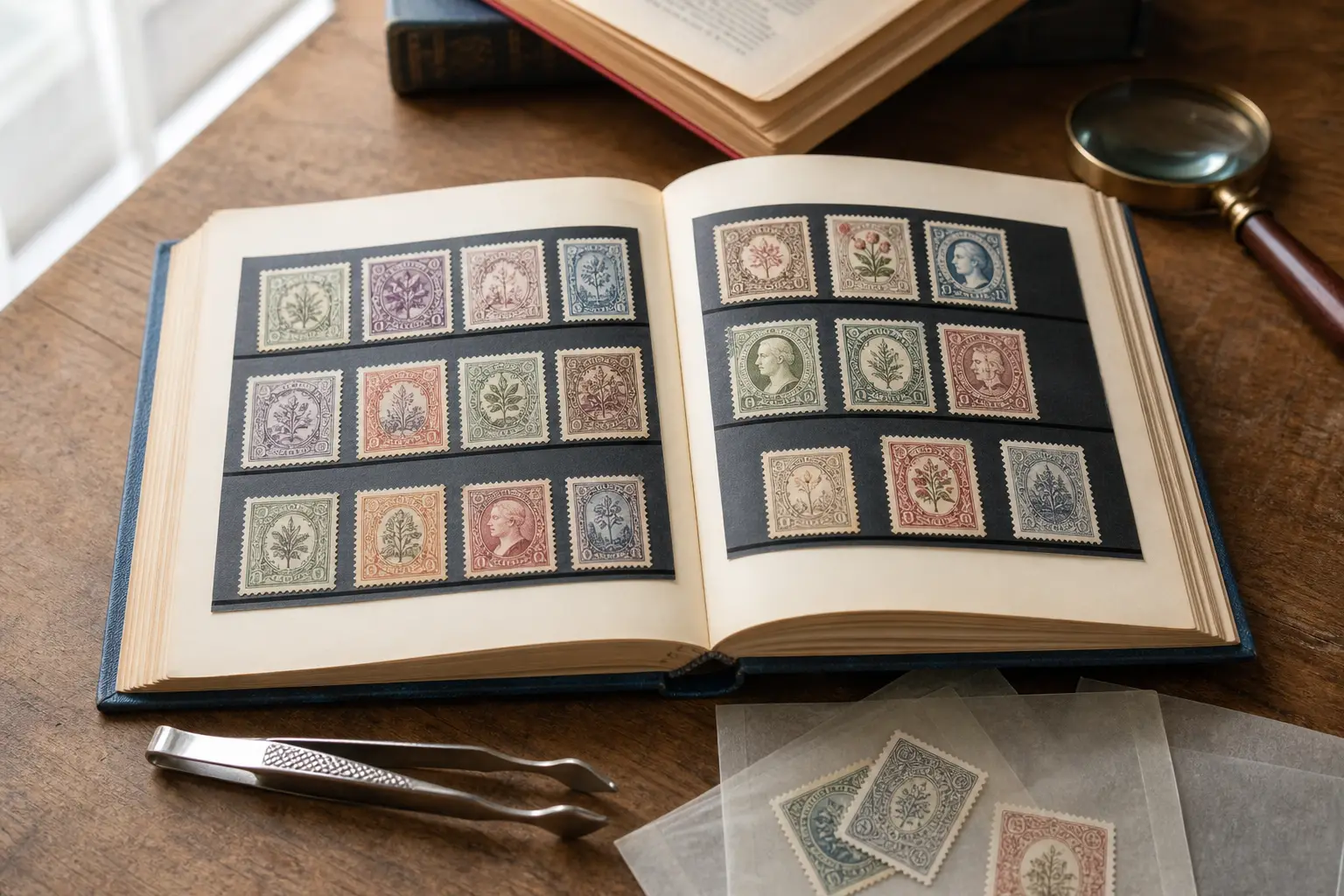
Discover how to collect postage stamps by color, shape, and custom themes like birthdates or numerical cancels. Learn the safe handling methods and essential tools needed to identify, organize, and document your unique philatelic collection.
Discover how subtle design changes, such as commemorative date inscriptions in the upper corners of look-alike stamps, can significantly alter catalog numbers and market value. Learn a safe, methodical process to identify these variations.
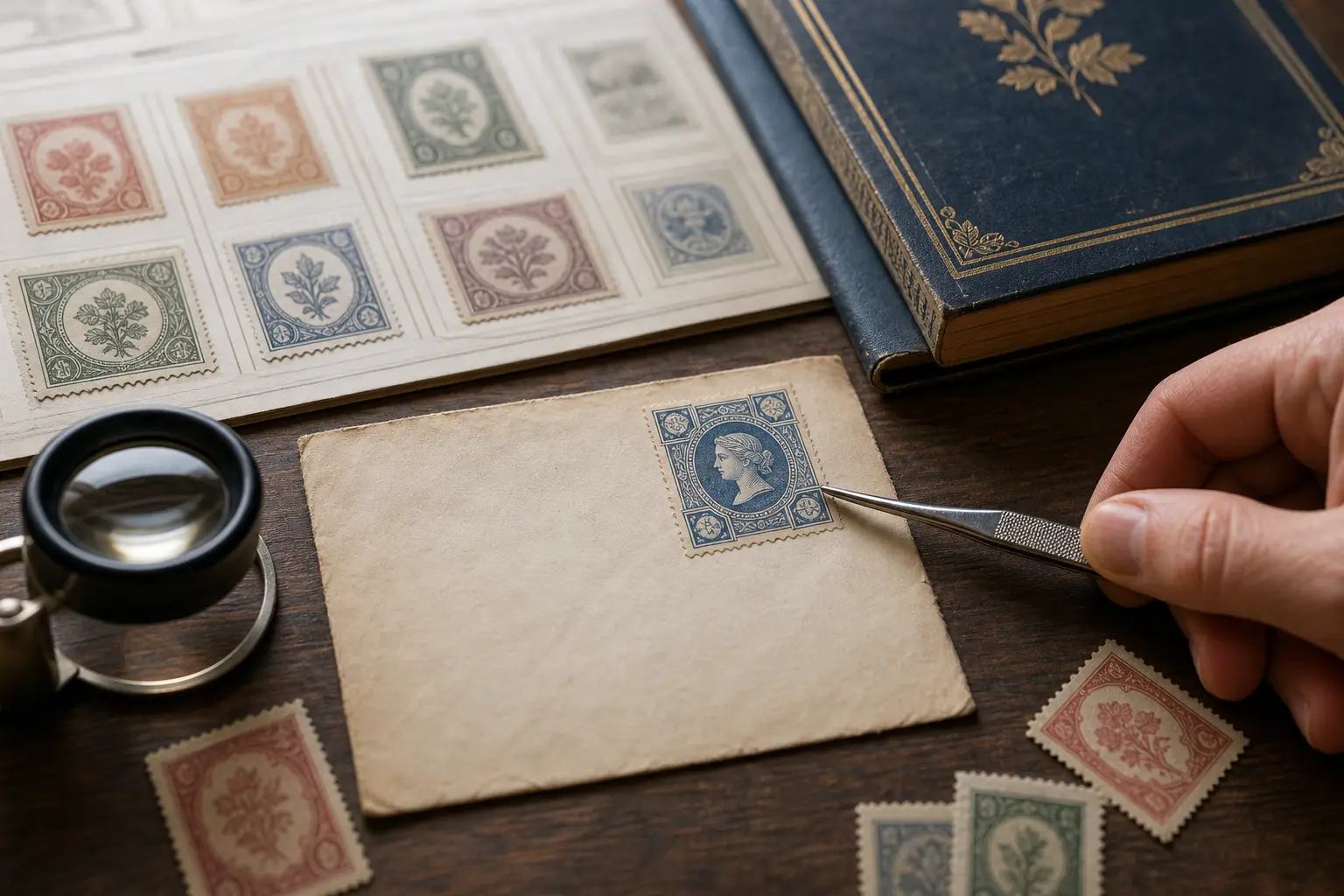
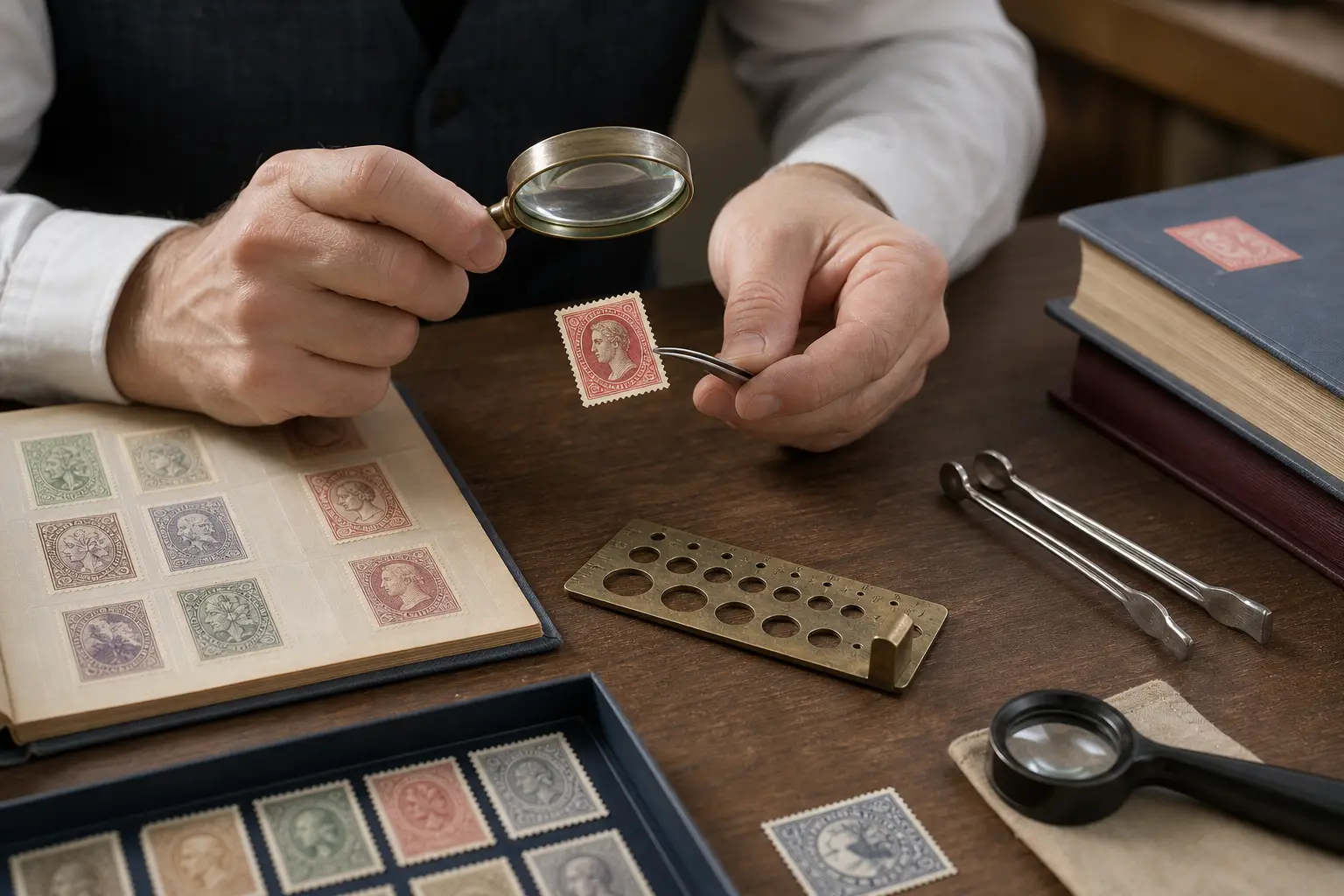
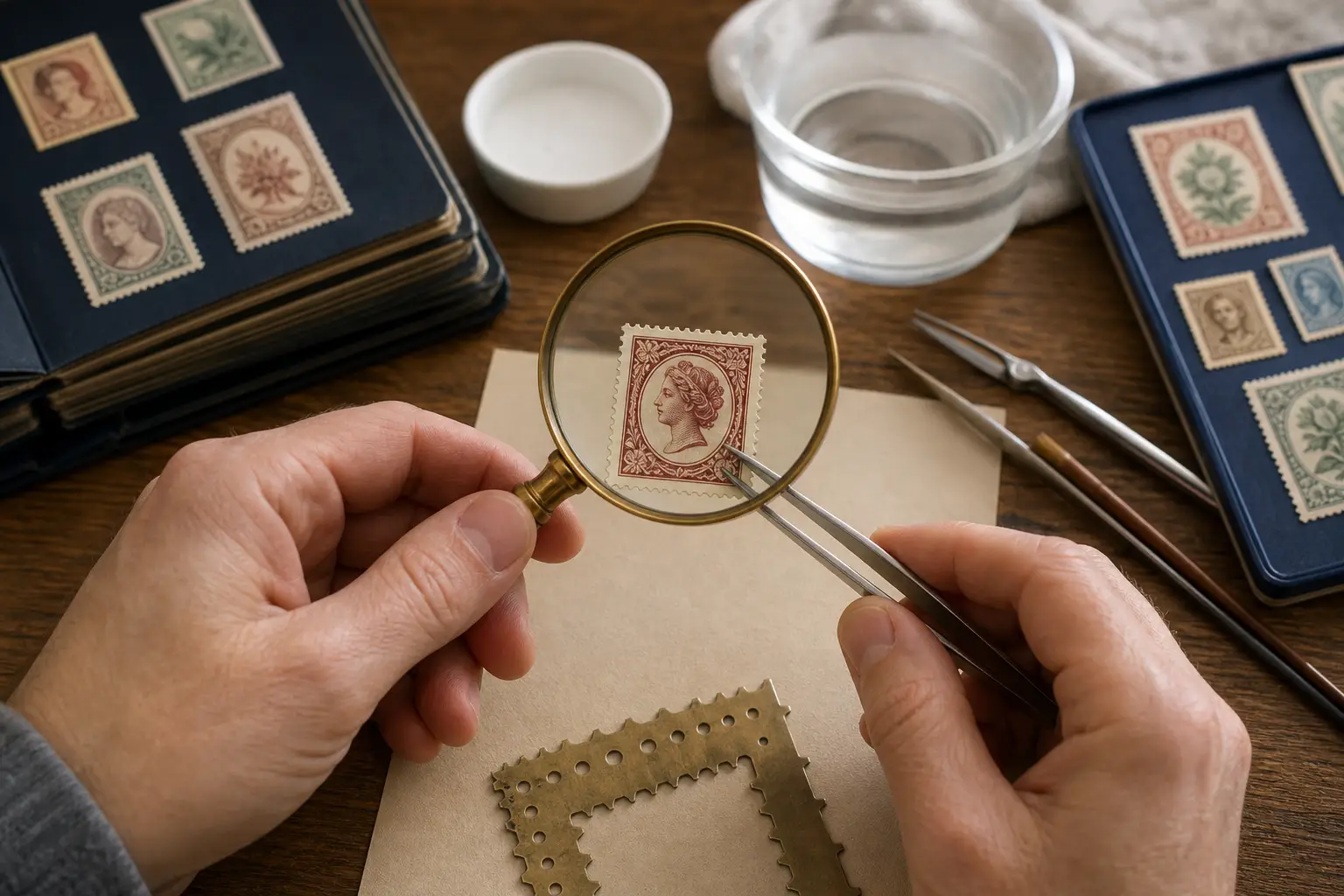
Accurately identifying postage stamps requires a methodical physical examination. Learn how to use essential philatelic tools—including stamp tongs, magnifying glasses, perforation gauges, and catalogs—to safely identify and document your stamp varieties.
Discover how to safely analyze screened dots and printing patterns on postage stamps. Learn why dot structures are cumulative clues rather than single tests, and how to combine visual evidence with production records.
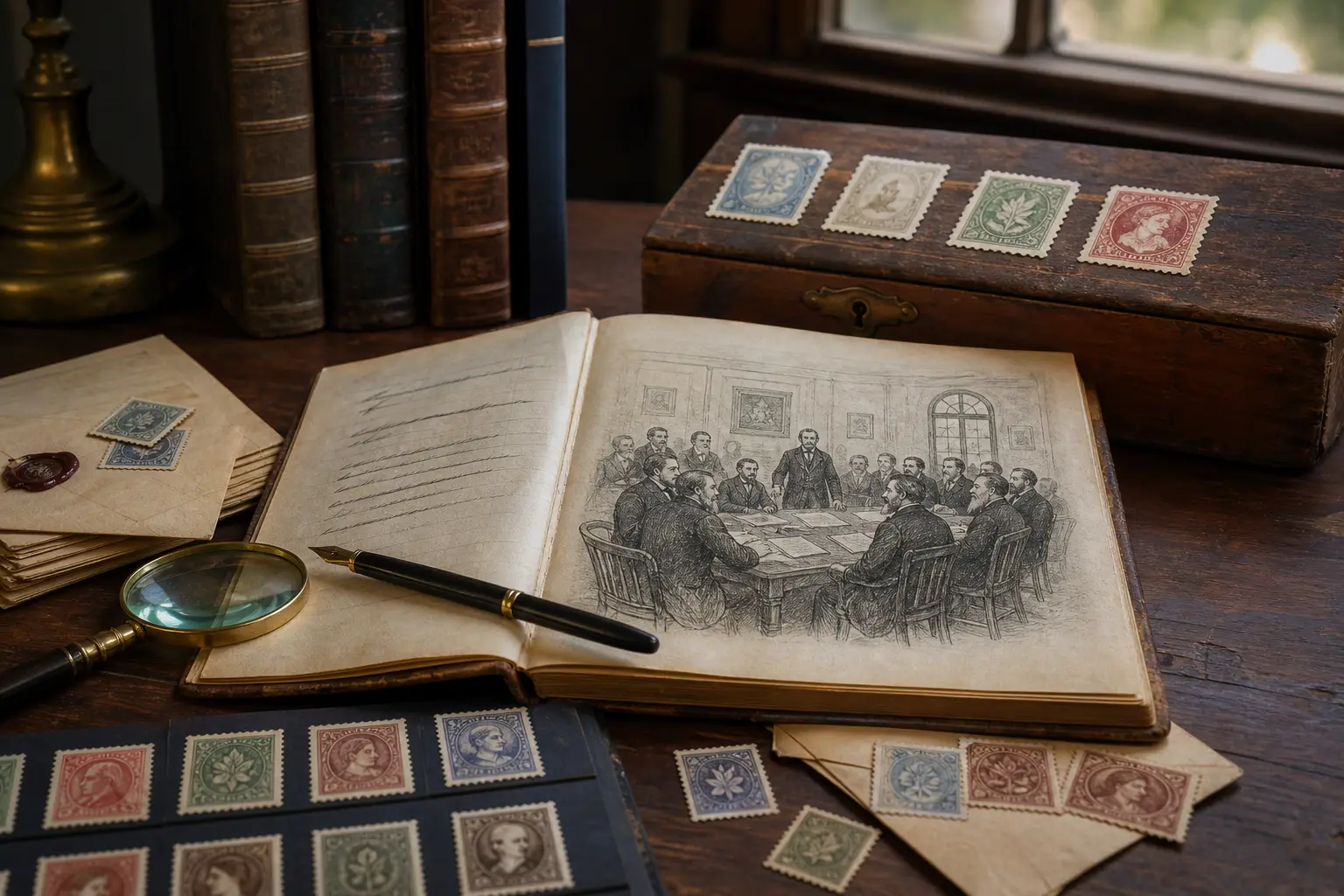
In the late nineteenth century, stamp collectors transitioned from informal local gatherings to structured national organizations. By examining the 1886 founding of the American Philatelic Association, modern collectors can learn how early philatelists established democratic governance, member dues, and specialized services to advance the hobby.
Soaking used stamps off paper is a classic preservation method, but colored envelopes pose a major risk of ink bleeding. Learn how to safely isolate and process high-risk covers to protect your collection from permanent dye stains.
Specializing in a single country is a practical and rewarding way to build a structured stamp collection. Learn how to select a country, choose between mint and used issues, and use the right tools to safely organize your collection.
Valuing stamps with nearly identical designs requires a keen eye for minor text changes, hidden dates, and paper watermarks. Discover how these subtle variations can differentiate a common stamp from a rare variety.
If you have tried soaking modern U.S. self-adhesive stamps in water only to find they remain stuck, you are likely dealing with post-2007 issues. Learn how the USPS transition to oil-based adhesives changed stamp processing, and discover the safe, methodical steps to identify and separate these modern issues without causing damage.