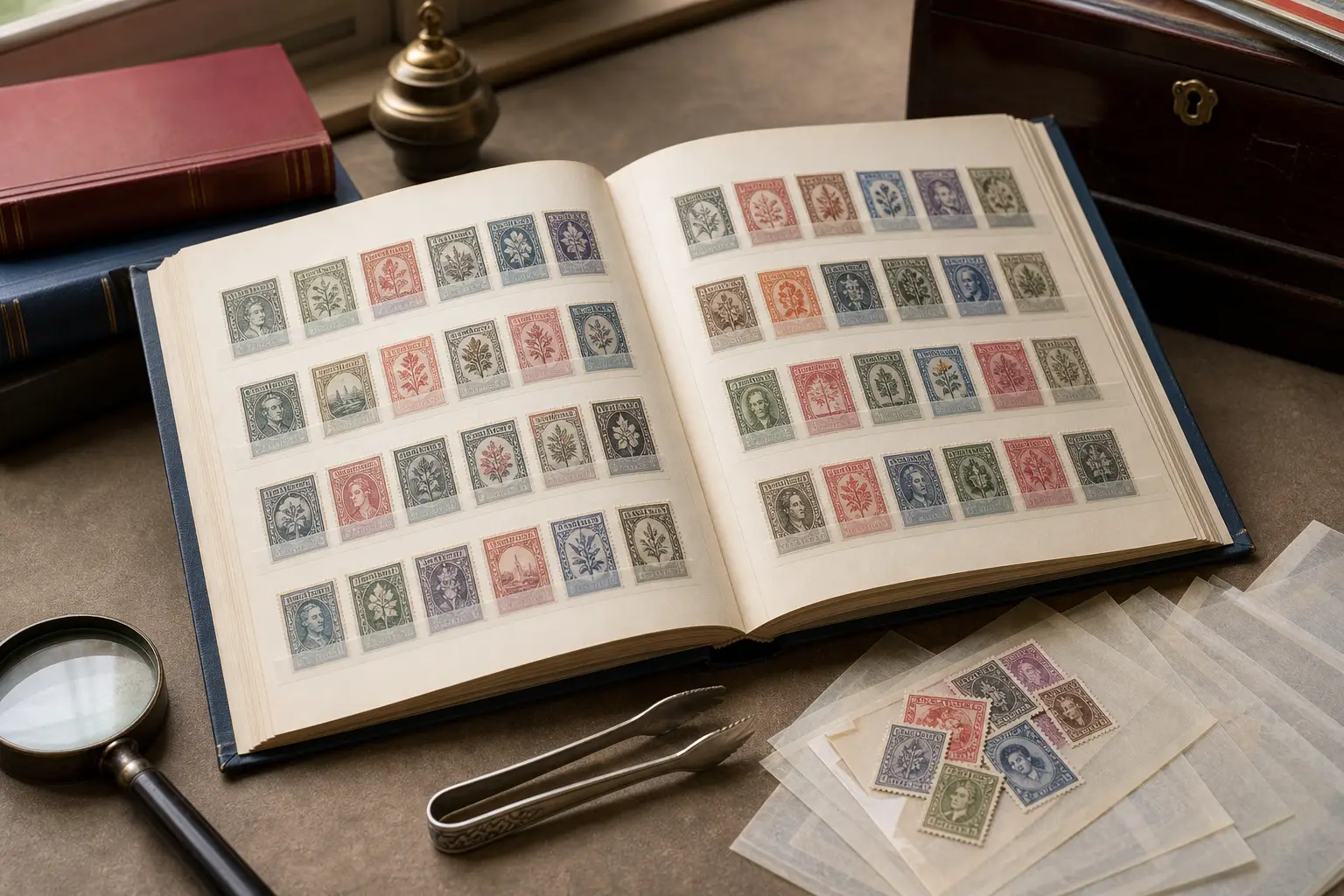
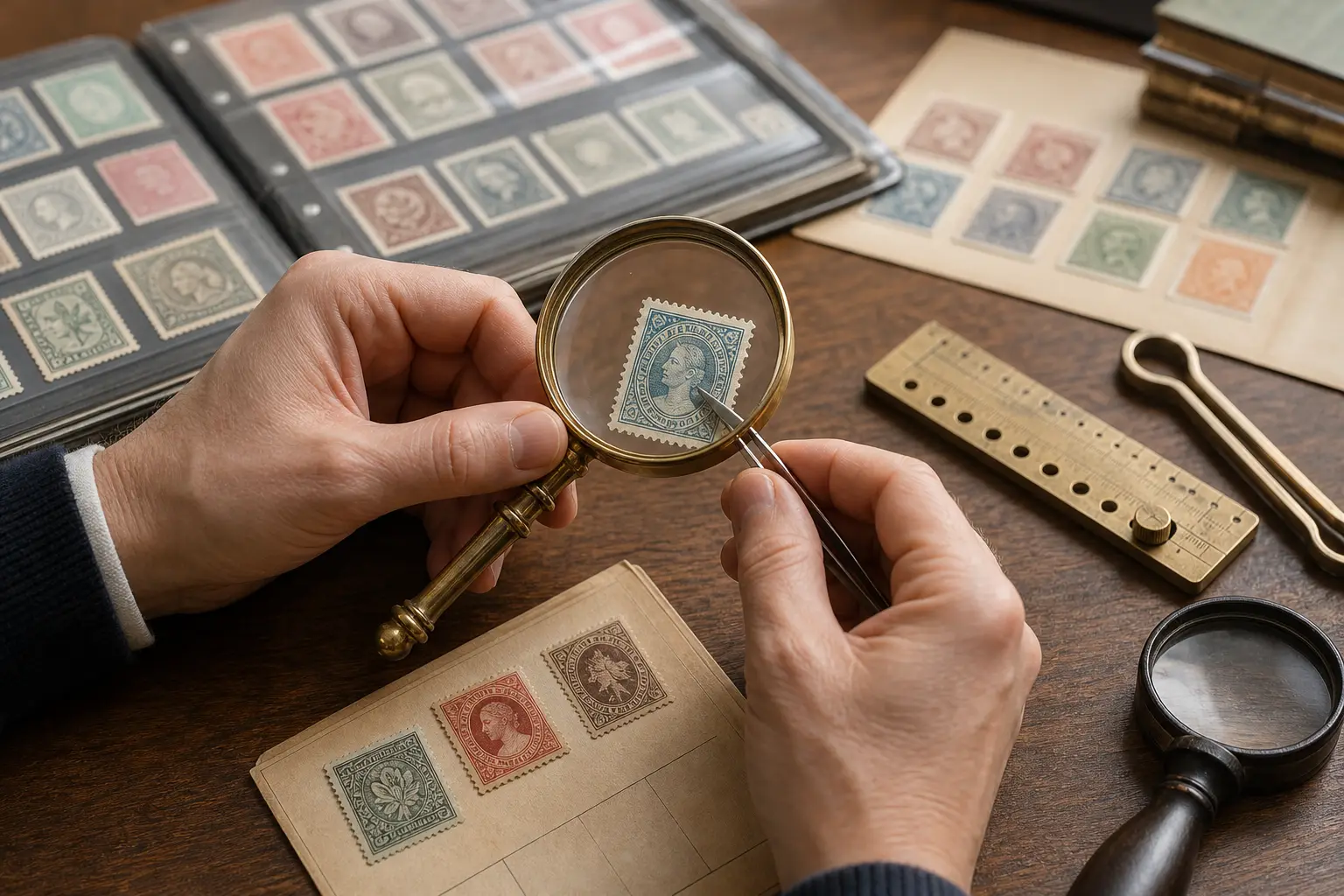
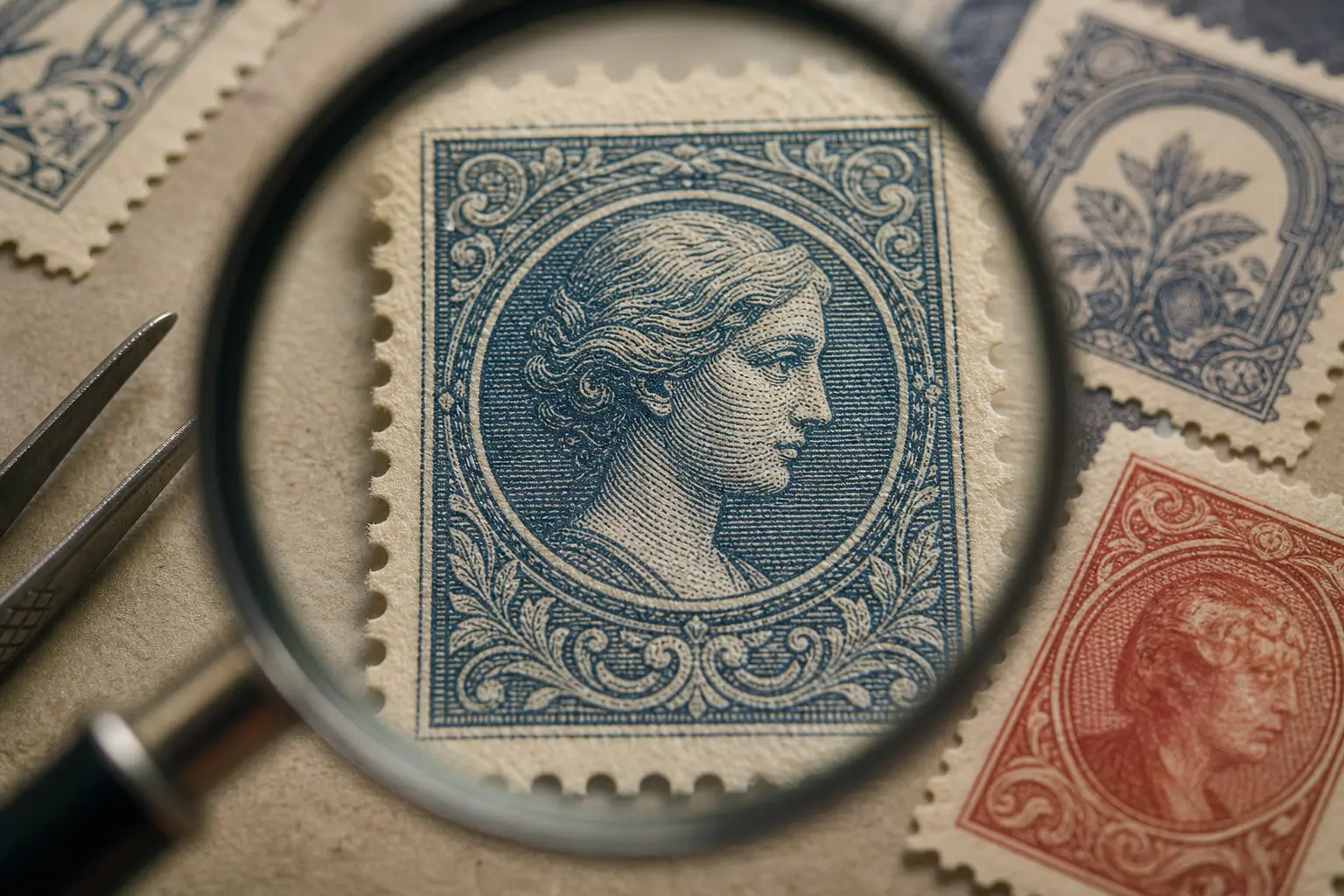
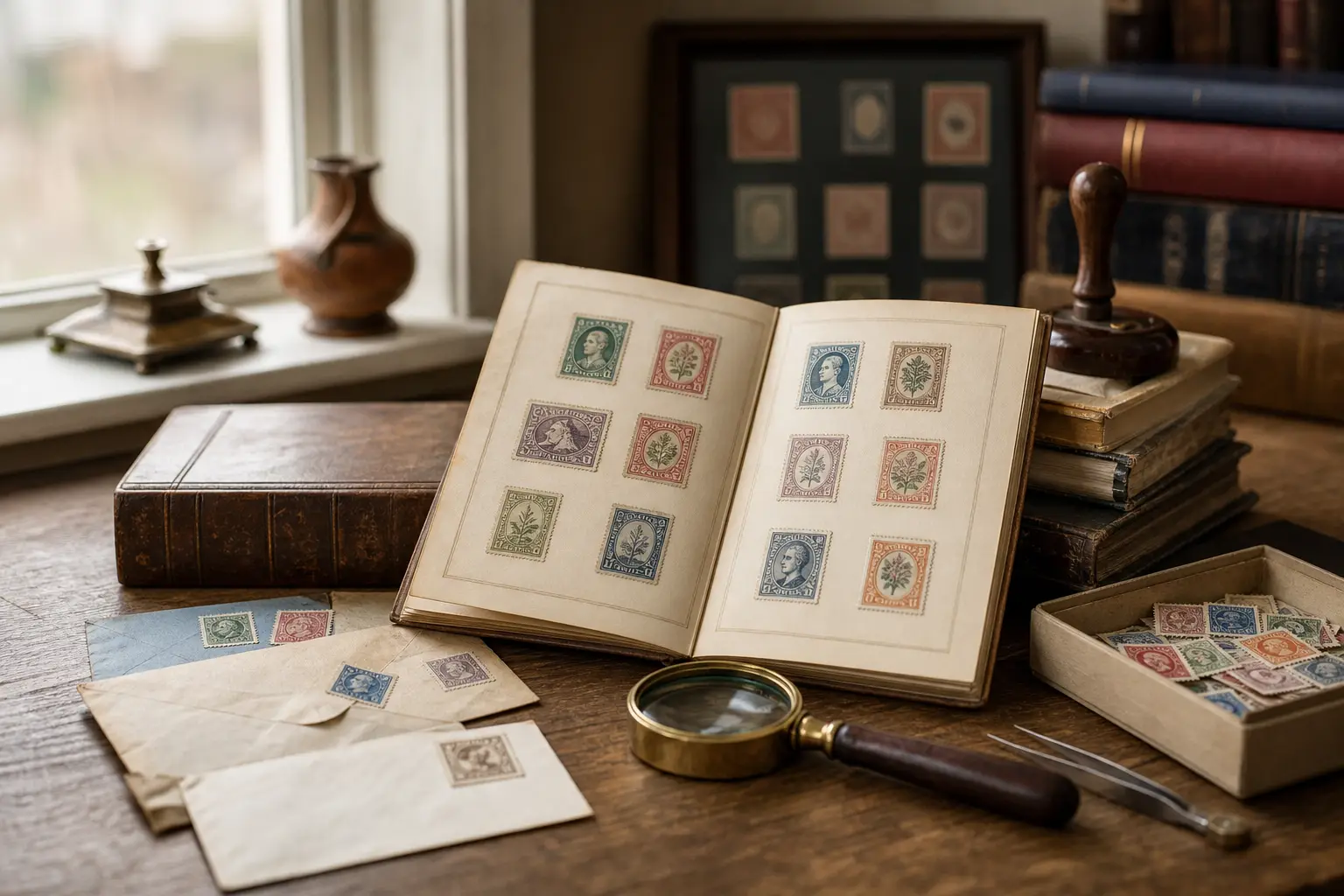
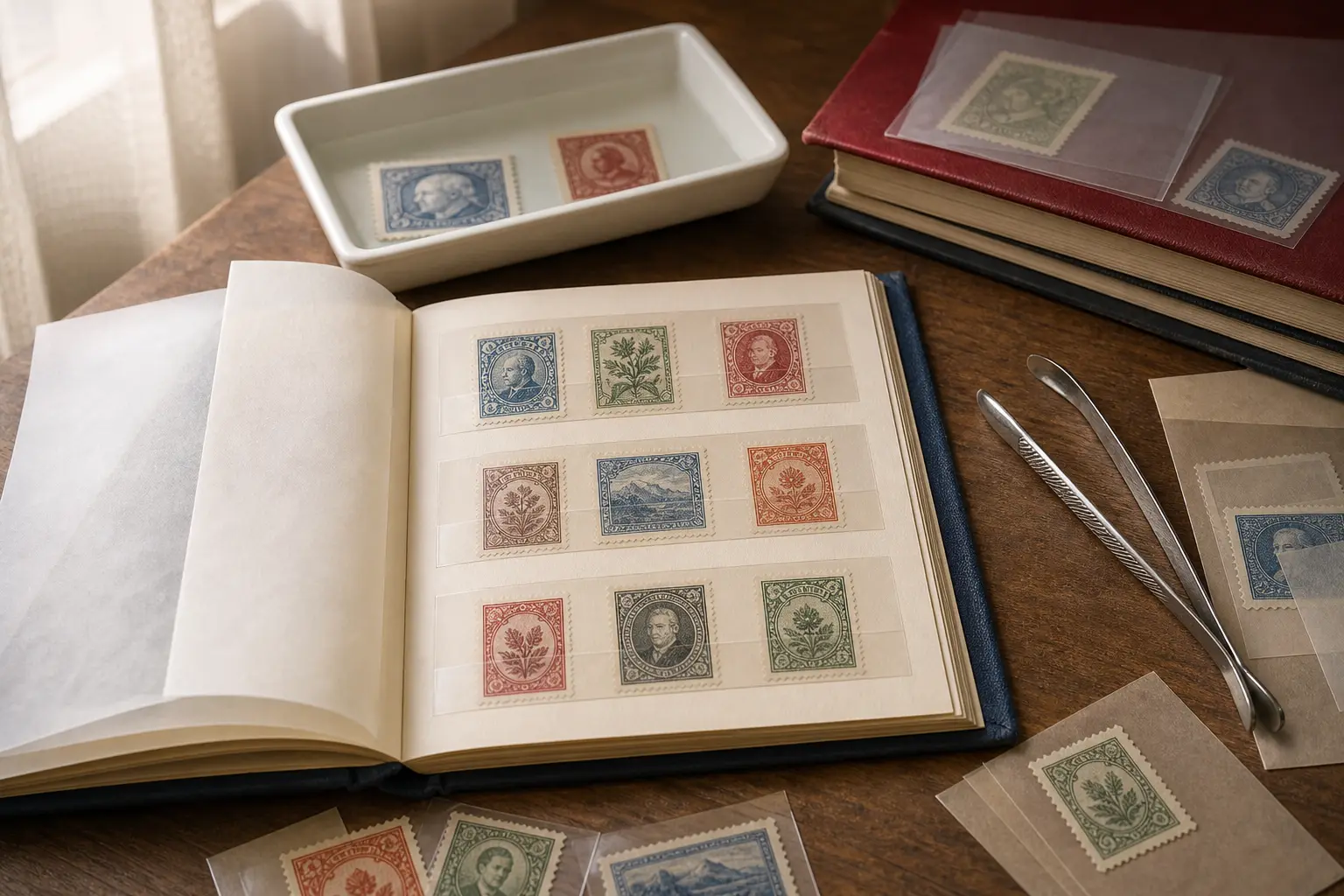
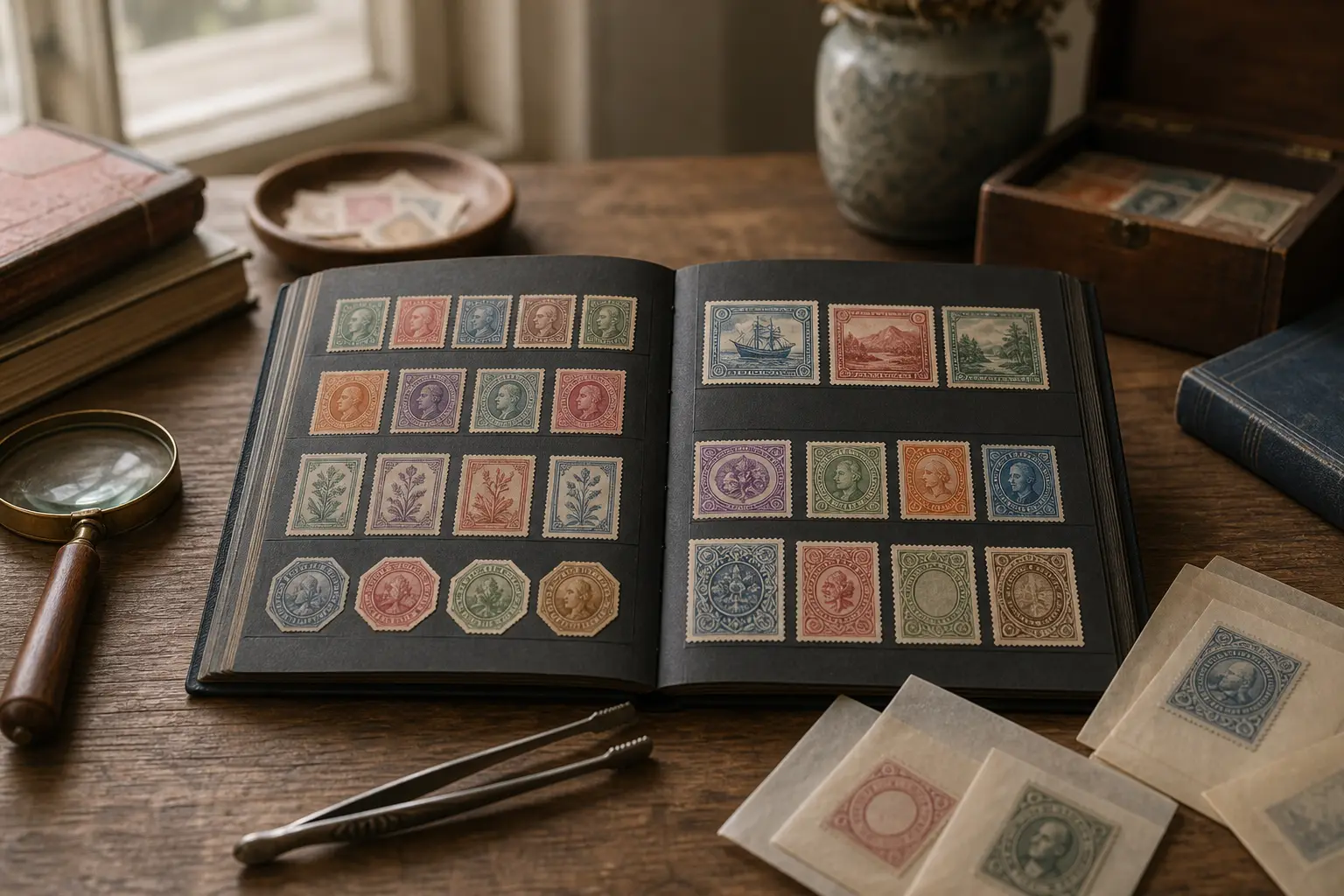
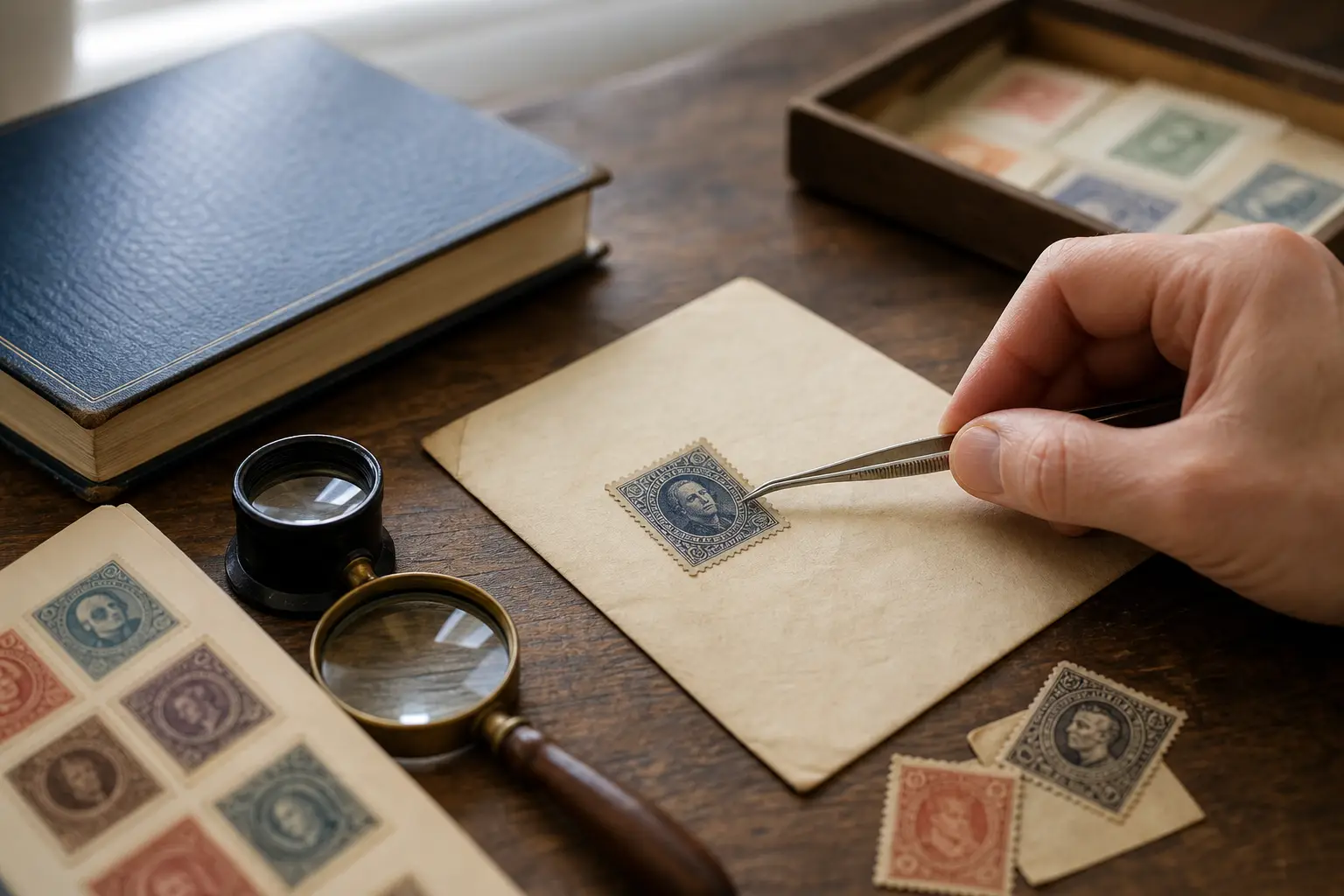
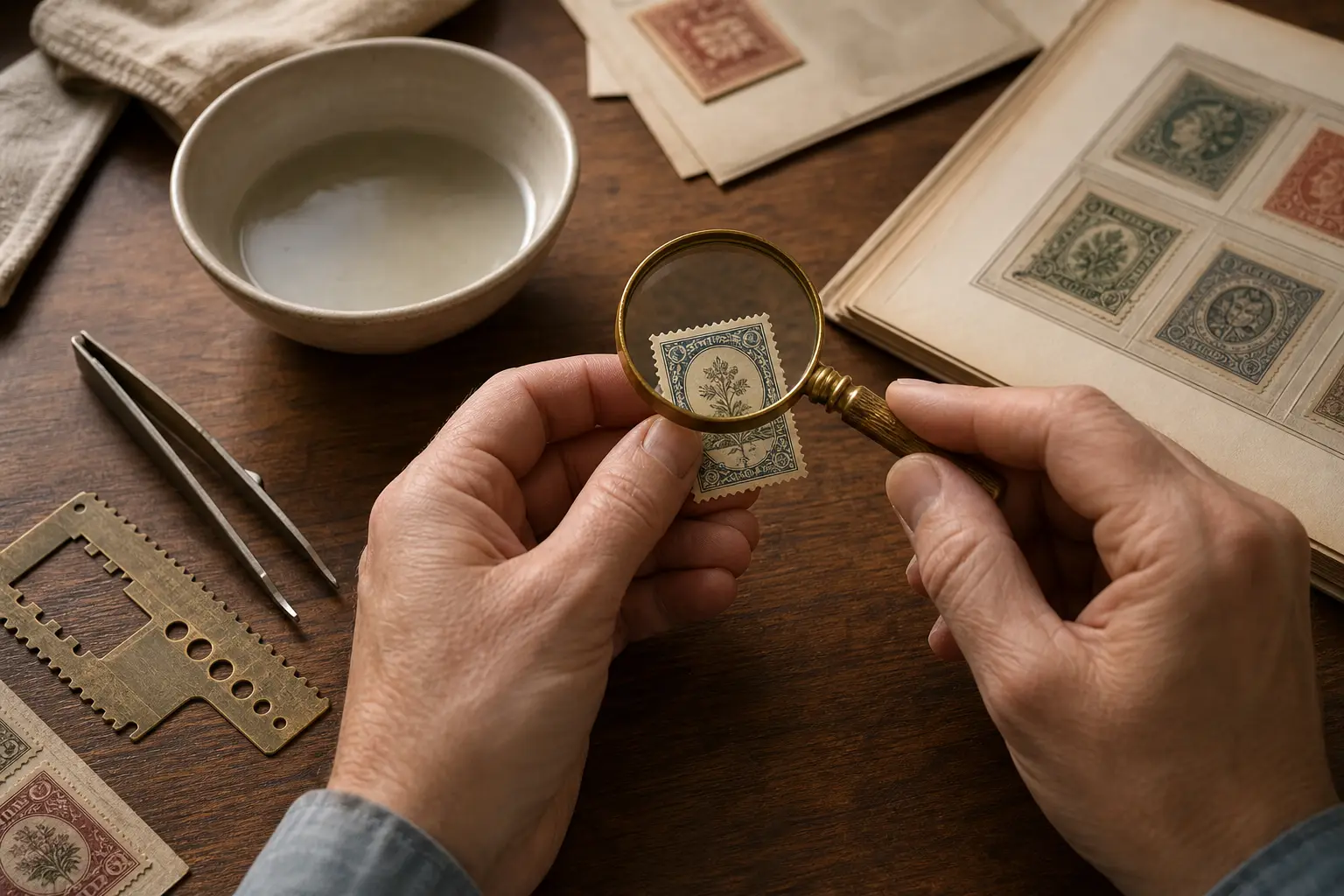
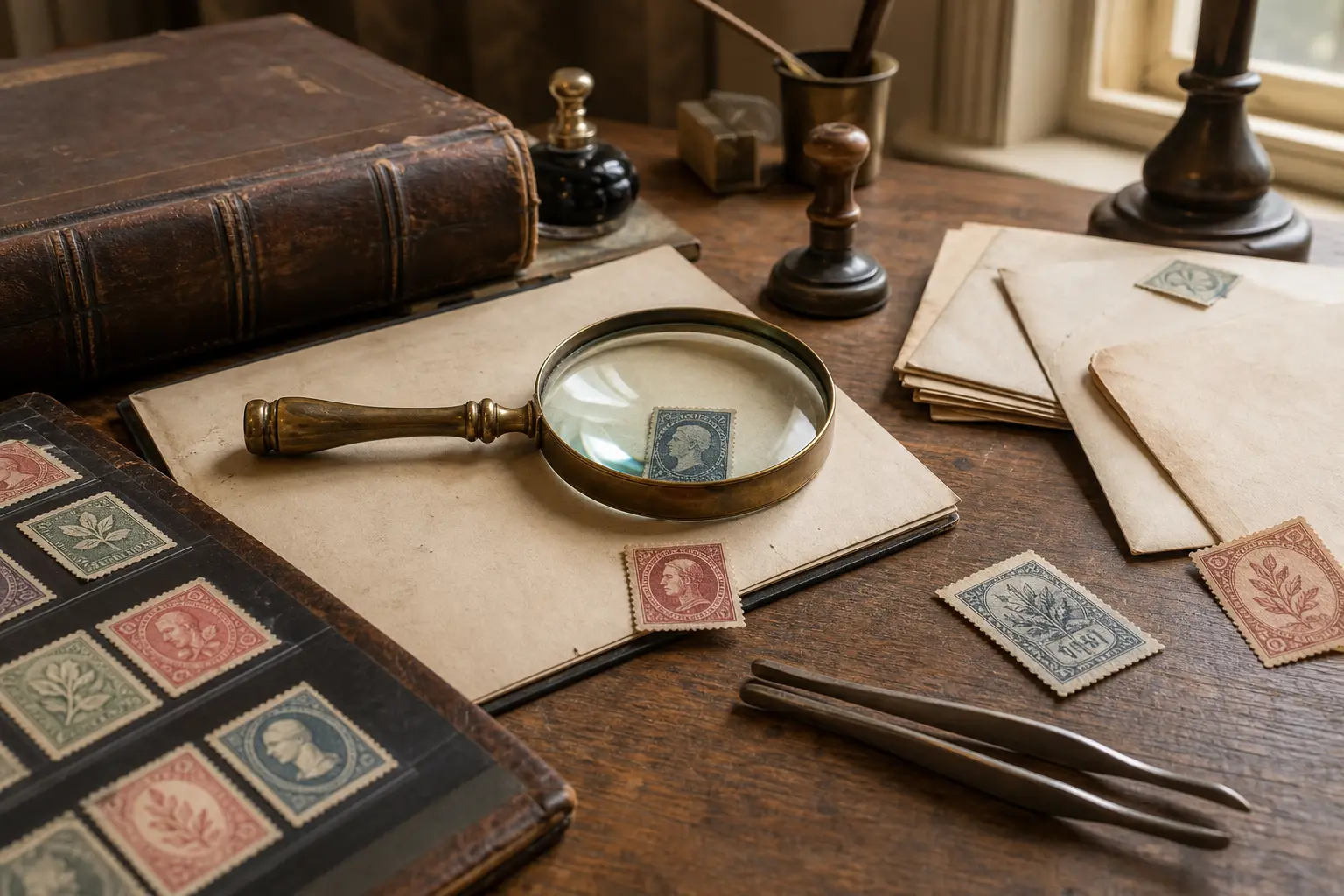
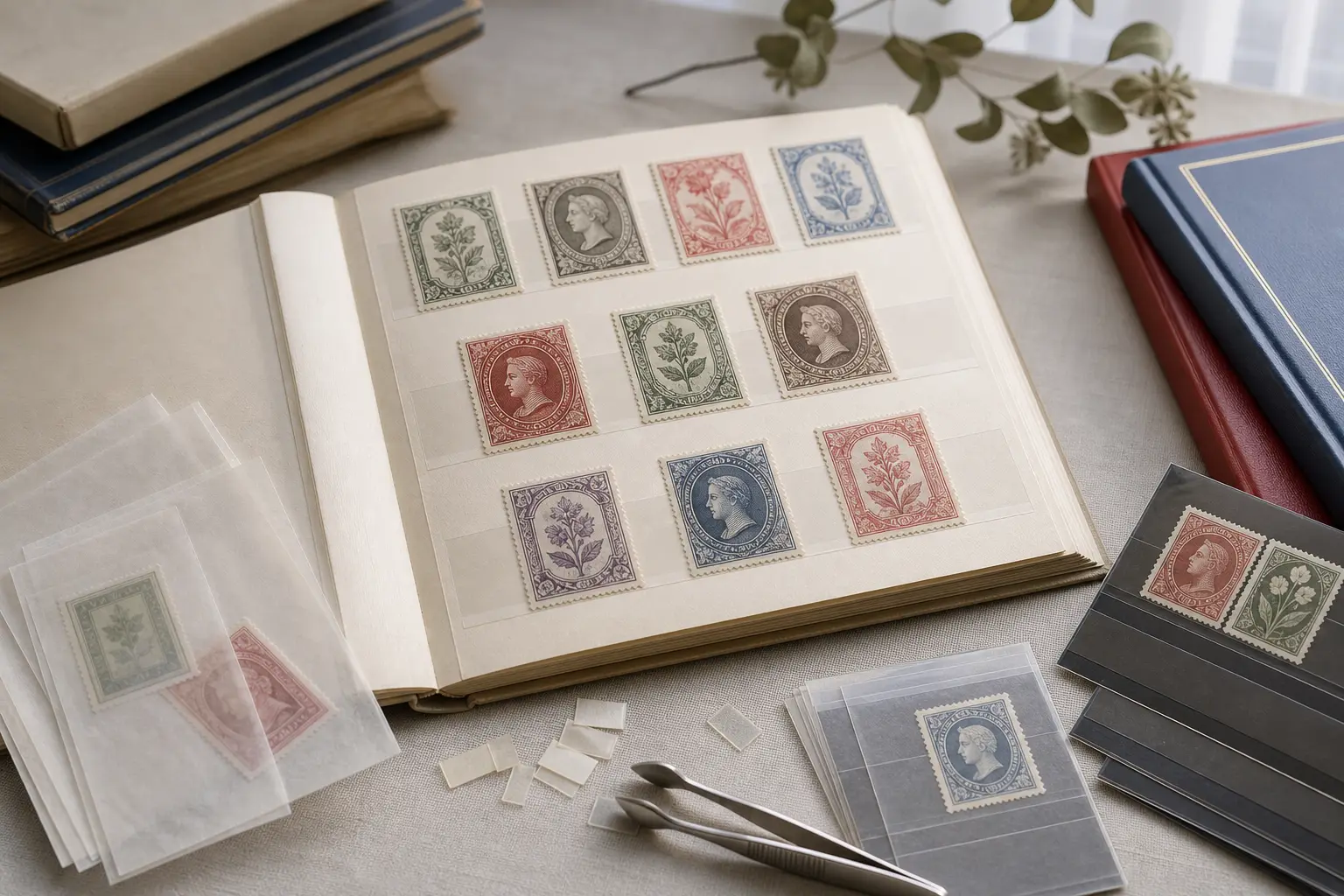
Stamp collecting is a flexible, lifelong hobby enjoyed by millions worldwide, including famous figures like President Franklin Roosevelt and John Lennon. Learn who collects stamps, why the hobby appeals to so many, and how you can start your own collection safely using basic tools.
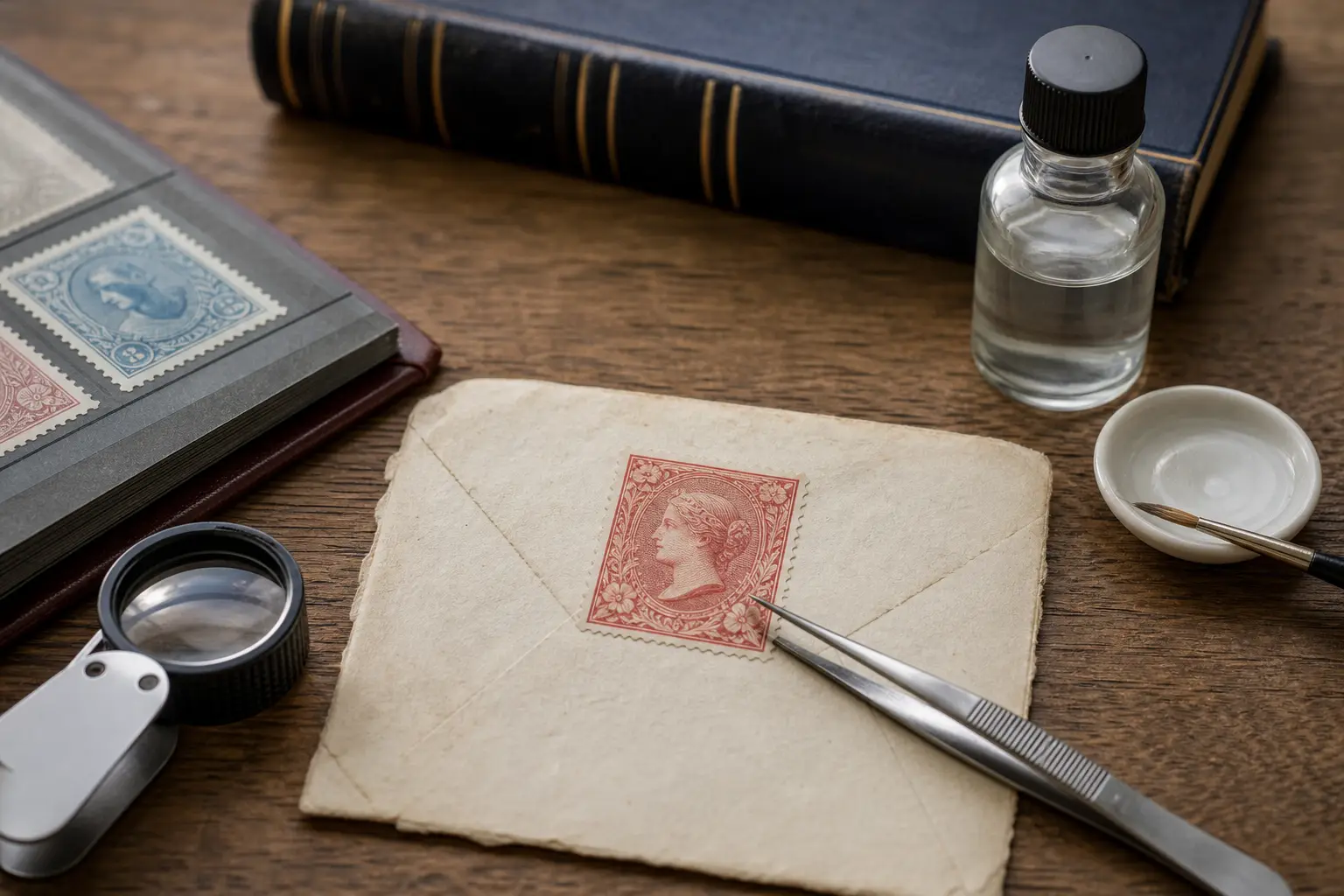
Discovering hidden paper faults is a critical step in assessing a postage stamp's true condition. Learn how to safely use commercial watermark fluid to reveal hidden thins, creases, and other structural defects that are invisible to the naked eye.
Identifying the world's earliest postage stamps requires looking for specific historical portraits, design details, and printing characteristics. Learn how to recognize the British 1840 Penny Black and the United States 1847 issues using safe, methodical identification techniques.
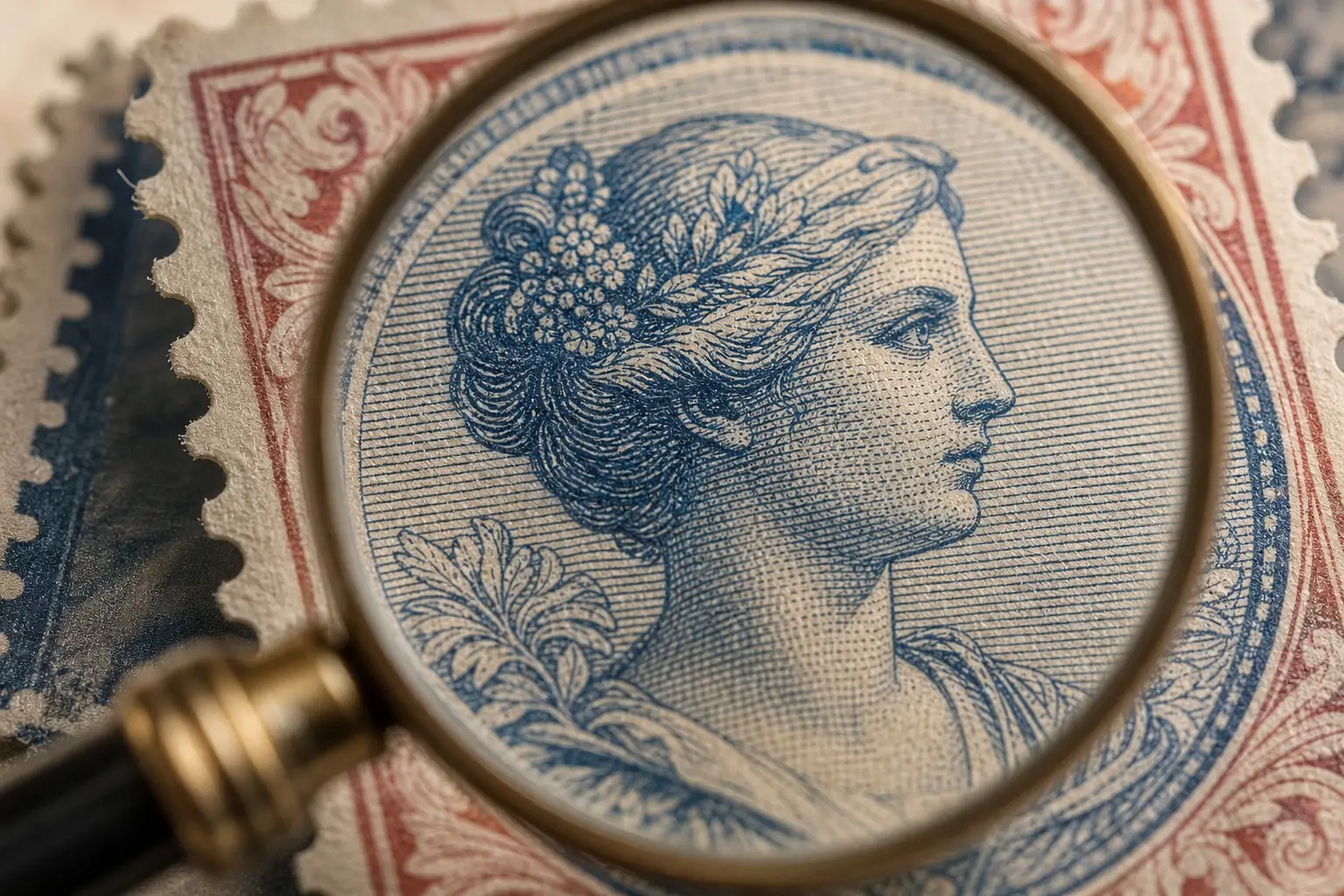
Identifying letterpress printing on postage stamps requires understanding relief methods. Learn how to distinguish letterpress from line-engraved intaglio, gravure, and lithography using non-contact magnification, oblique lighting, and production records.
Explore the history of stamp club programs and resources. From early exchange departments to structured trivia quizzes and educational speakers, discover how philatelic organizations have helped collectors share knowledge and build communities since the nineteenth century.
Preserving postage stamps requires a clear understanding of when to use tools and when to let nature do the work. Discover the critical differences between handling wet and dry stamps, why you should avoid using tongs on wet paper, and how to safely dry and sort your collection.
Philatelic ephemera includes covers, postage meters, Christmas Seals, and revenue stamps. Learn how to safely identify, handle, and organize these unique historical items using essential tools like tongs and reference catalogs.
Determining the value of classic early postage stamps requires careful attention to design variations, printing details, and paper watermarks. Learn how to safely identify these historic issues and understand their true market value.
Self-adhesive stamps require different handling than traditional water-activated stamps. Learn how to identify these modern issues and safely separate them from paper using water or specialized oil solvents.
Modern postage stamps often combine multiple printing methods, such as line-engraved intaglio and offset lithography, on a single design. Learn how to safely identify these combined processes using cumulative visual clues, non-contact magnification, and oblique lighting.
In the late 19th century, the rapid growth of stamp collecting was accompanied by a rise in fraudulent stamps. Discover how early philatelists organized the first counterfeit detection services, established reference libraries, and laid the groundwork for modern stamp expertizing.
Preserving your postage stamps requires safe mounting techniques. Discover how to use peelable hinges and clear plastic mounts to secure your collection without causing permanent damage.