Deciding between mint and used postage stamps is one of the first choices a collector makes. This guide explains the differences in cost, preservation, and historical appeal to help you choose the style that fits your goals.
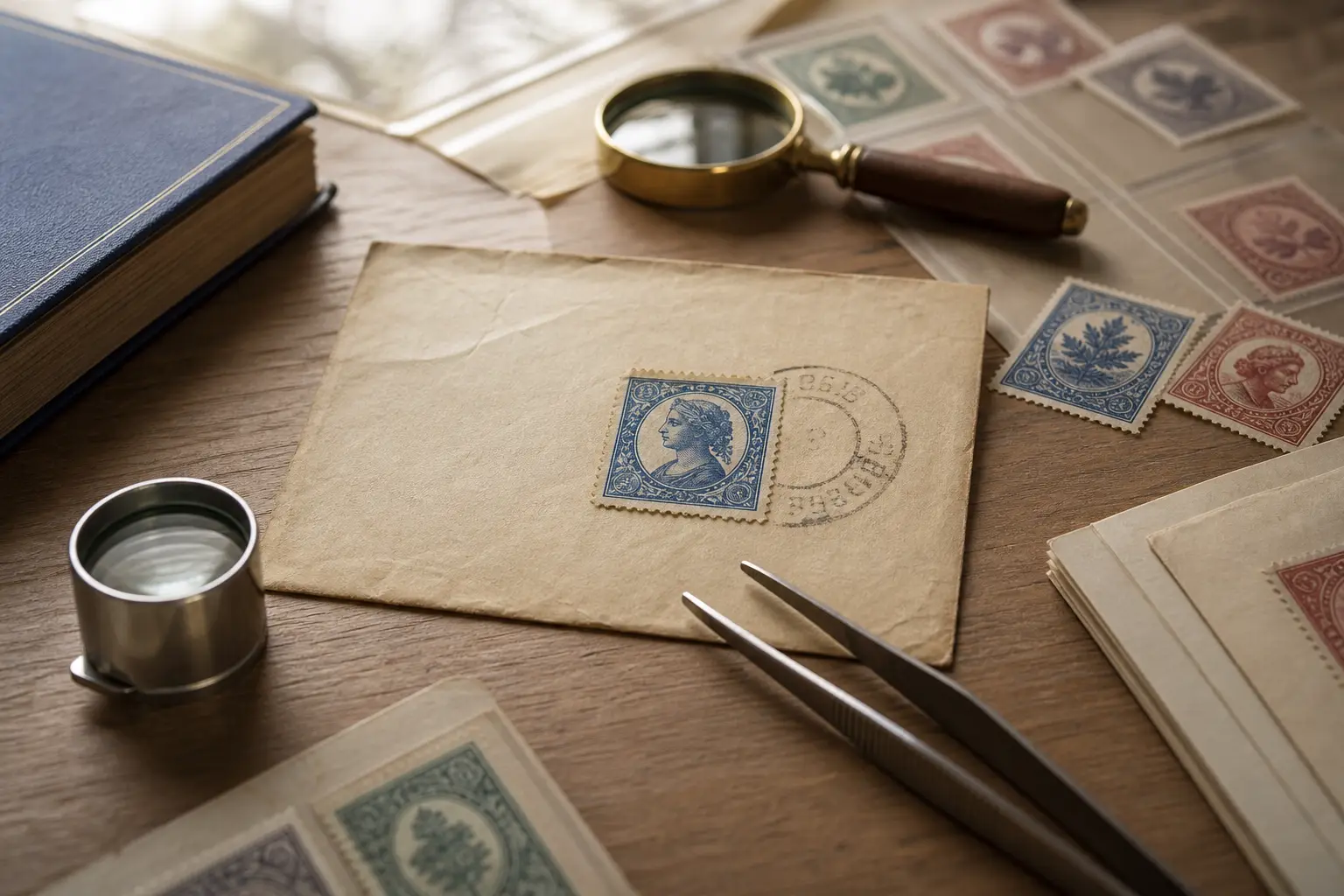
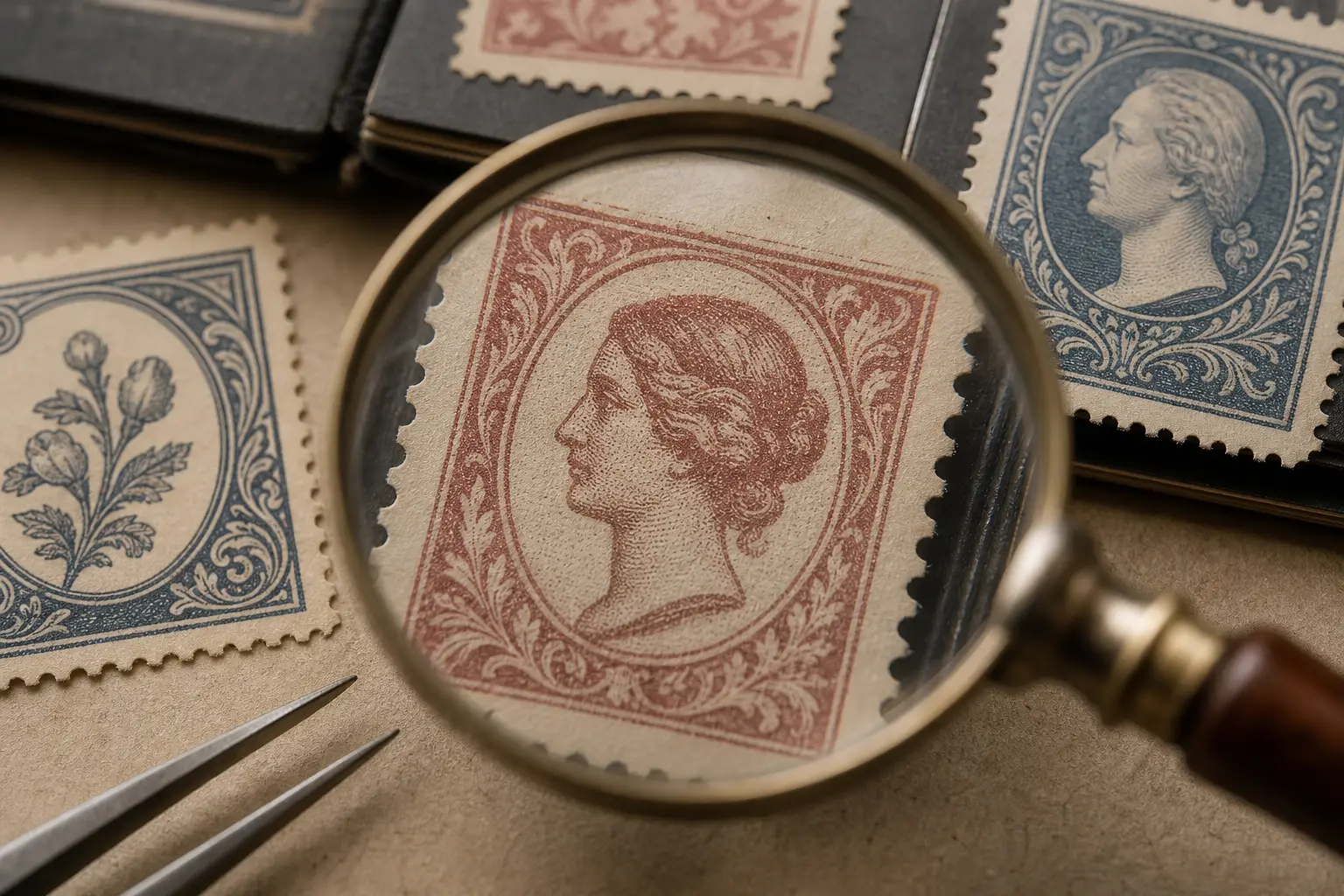
Look-alike postage stamps often appear identical at first glance, but minor inscription changes, text variations, or hidden dates can signify entirely different catalog listings. Learn how to spot these subtle differences and safely verify your stamps using proper philatelic tools.
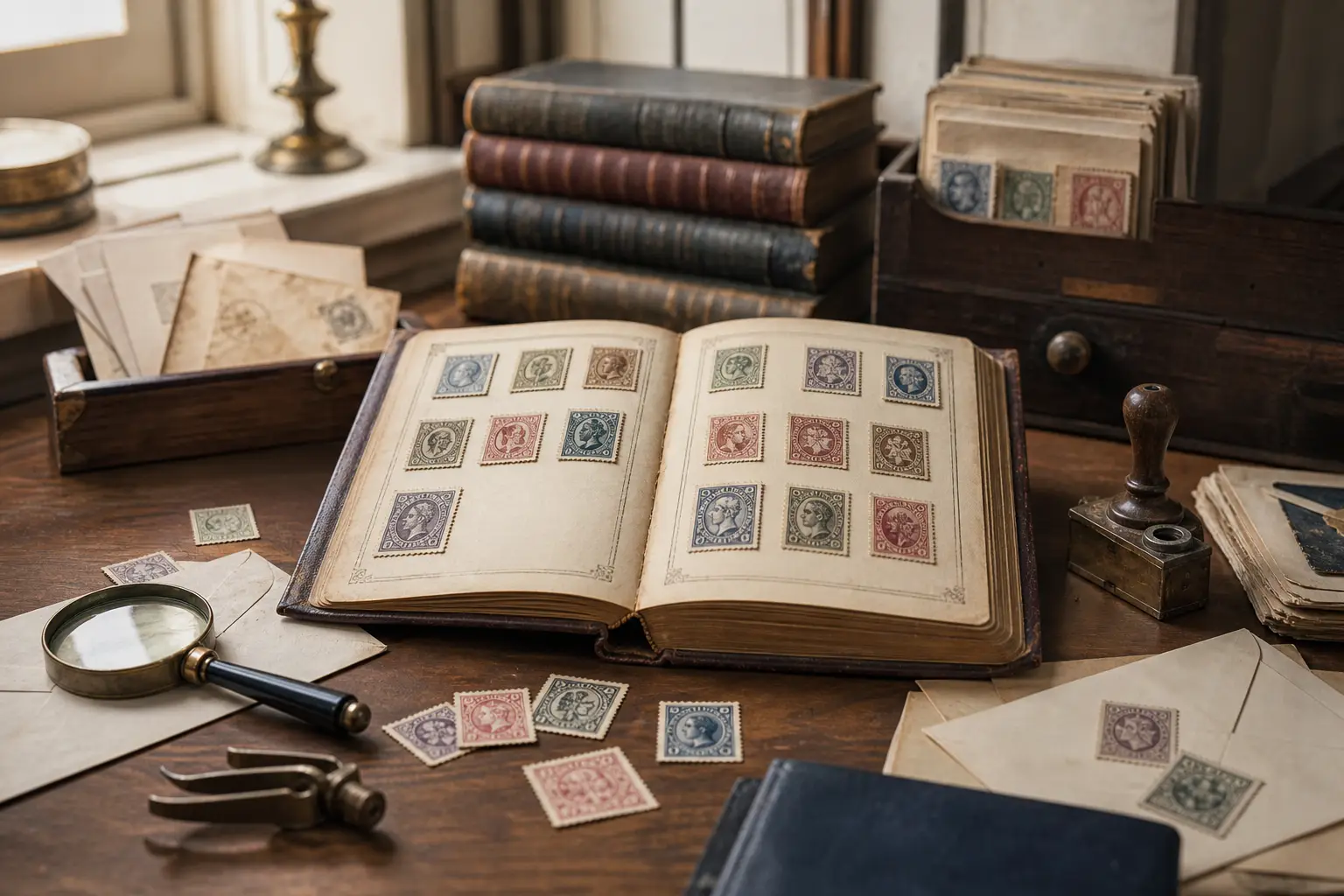
A stamp catalog is an essential reference book for identifying postage stamps. By learning how to navigate its illustrations, issue dates, and printing descriptions, you can systematically identify unknown stamps in your collection and understand their history.
Offset lithography is a widely used planographic printing process for postage stamps. Learn how to safely identify lithographic stamps by analyzing cumulative visual clues under magnification and comparing them with other major printing families.
In the late nineteenth century, early philatelic societies like the American Philatelic Association introduced vital services to combat counterfeits, facilitate stamp exchanges, and distribute research. Discover how these historic services laid the groundwork for modern stamp collecting.
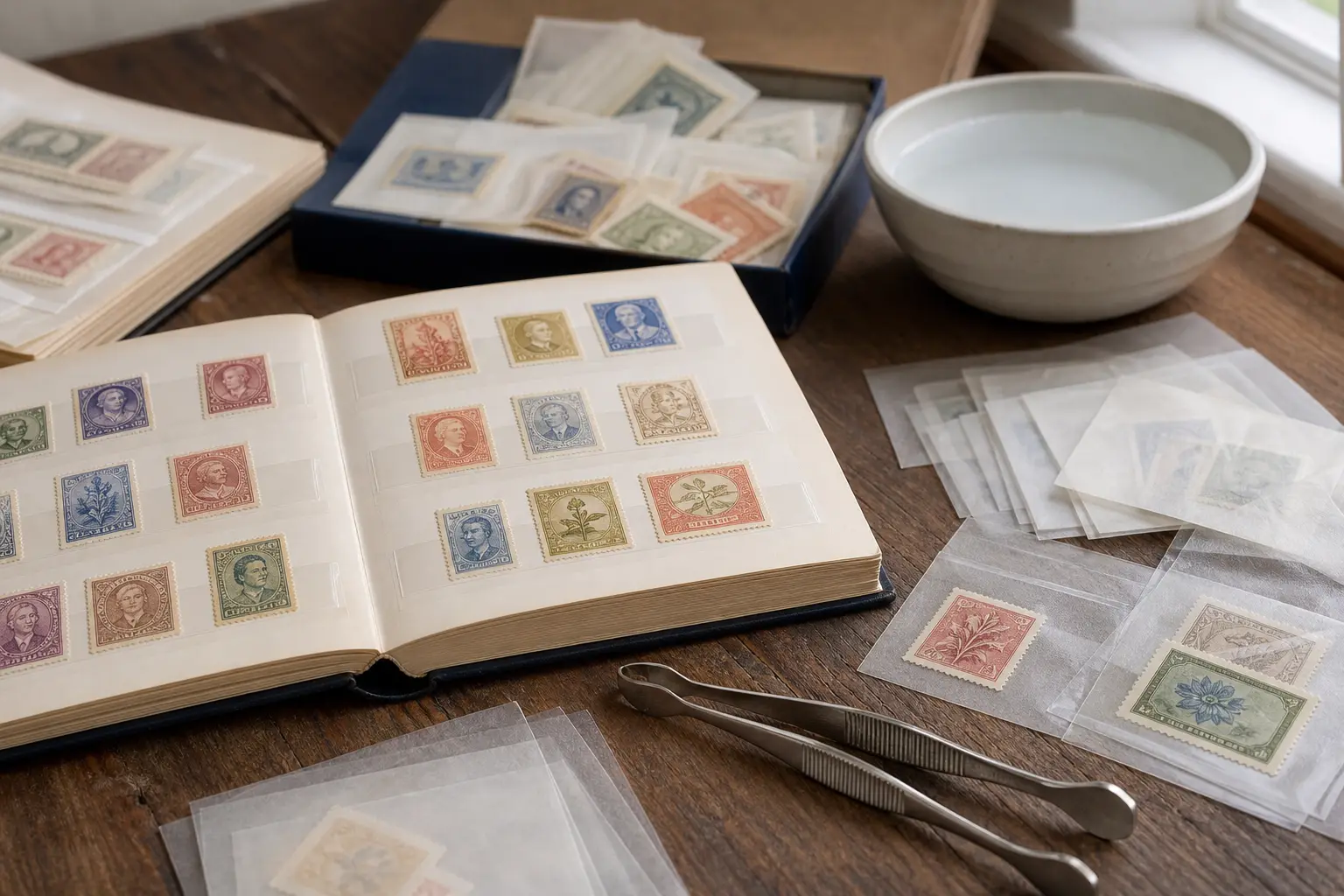
Removing postage stamps from paper requires patience and the correct technique. This guide explains how to safely soak water-soluble stamps, handle wet paper, and dry your stamps flat without causing tears or losing original gum.
Collecting used stamps is a flexible and affordable way to begin stamp collecting. This guide explains how to safely start, select, handle, and organize used stamps, including essential tools and practical tips for beginners.
Watermarks can be the sole difference between a common stamp and one valued much higher. This guide explains how to safely identify watermarks and use them to estimate stamp values, emphasizing careful handling and reliable methods for collectors.
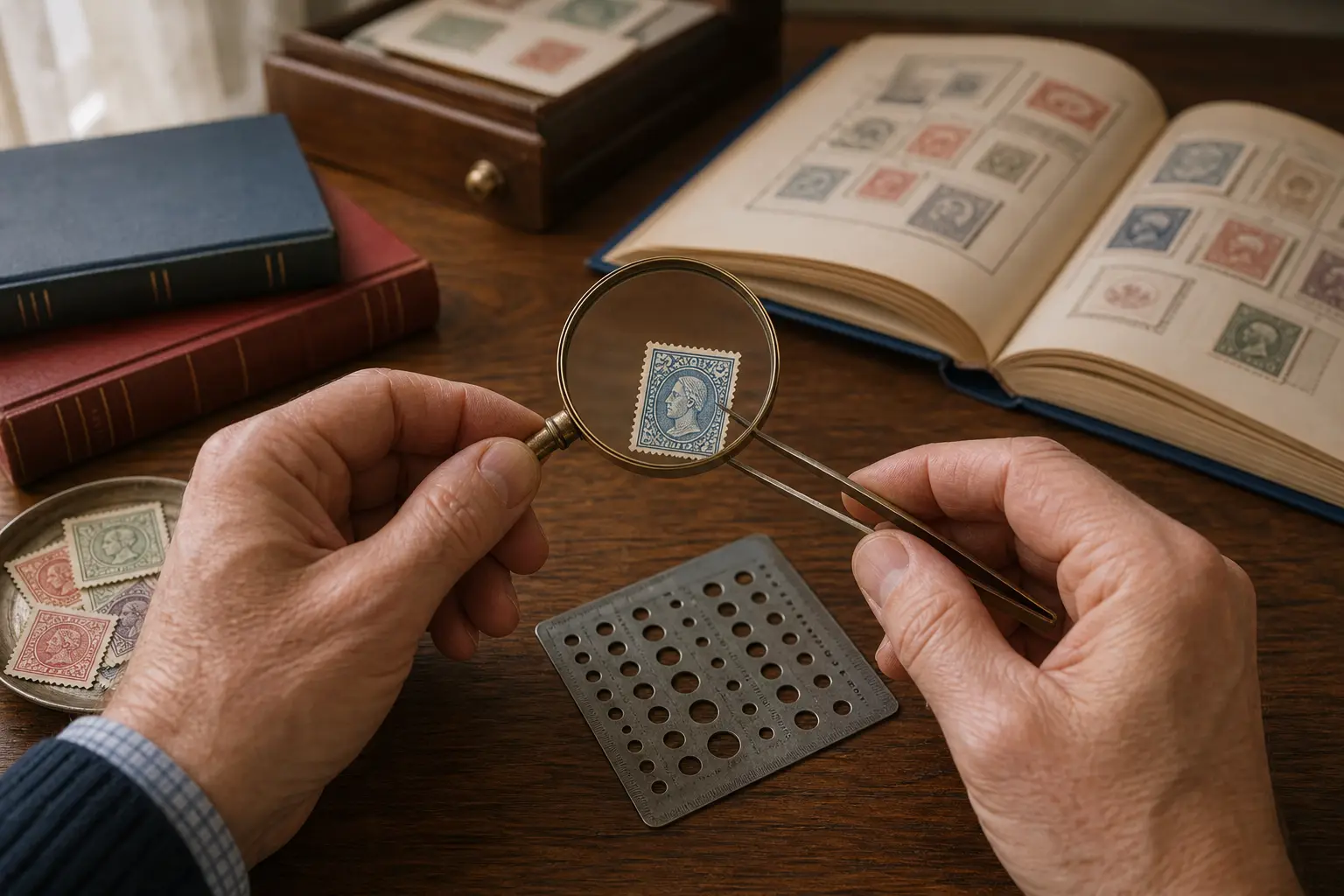
A perforation gauge helps collectors distinguish stamps with nearly identical designs by measuring the number of perforations along the edges. This article explains how to use a perforation gauge safely and effectively, including step-by-step instructions and tips for accurate identification.
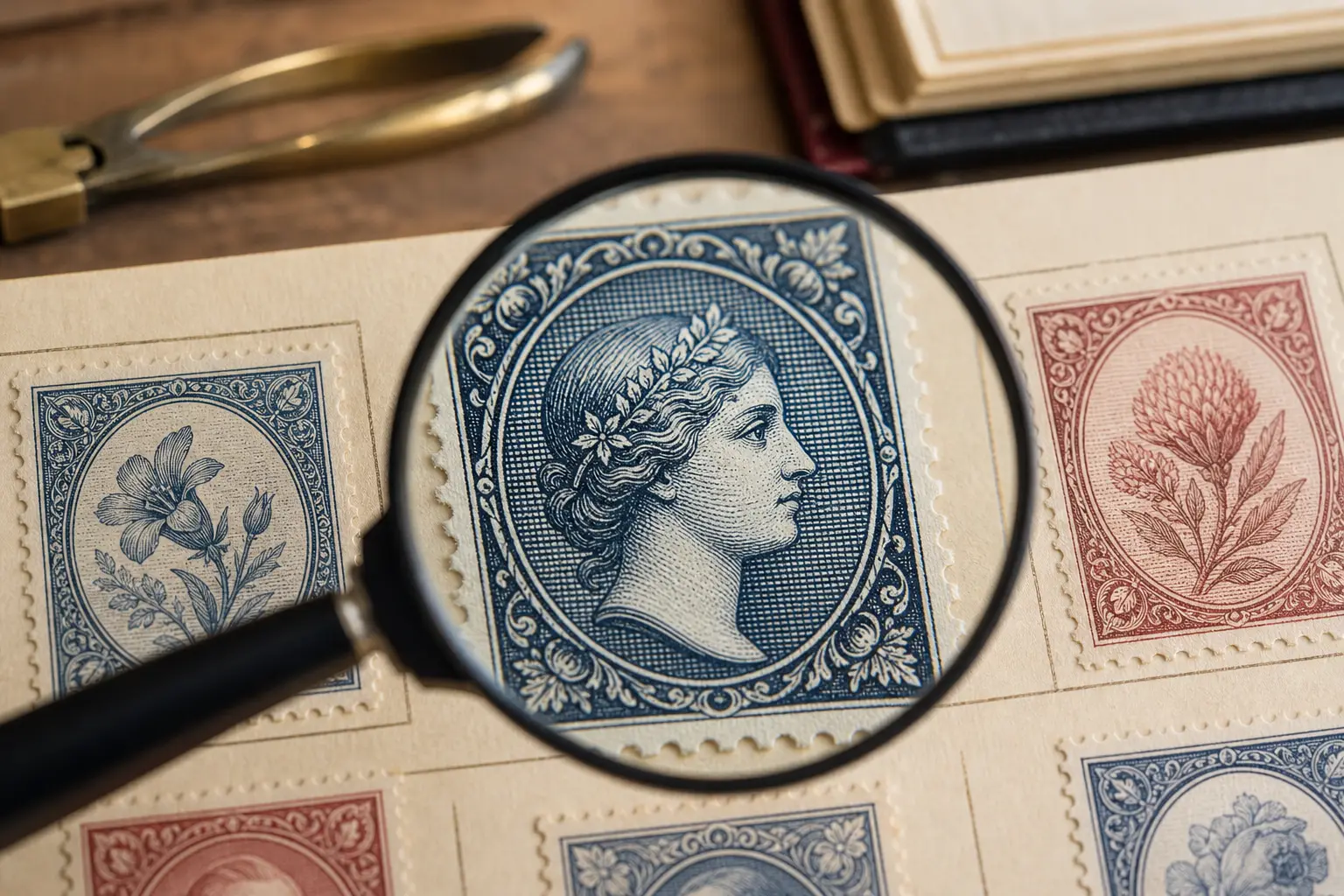
Collectors often wonder how to tell intaglio (line-engraved) from gravure printing on stamps. This guide explains the key differences, safe identification steps, and why combining clues is essential for accuracy.
The American Philatelic Association, established in 1886, played a central role in organizing and advancing stamp collecting in the United States. Its early services, annual conventions, and educational initiatives helped shape the hobby and foster a sense of community among collectors.
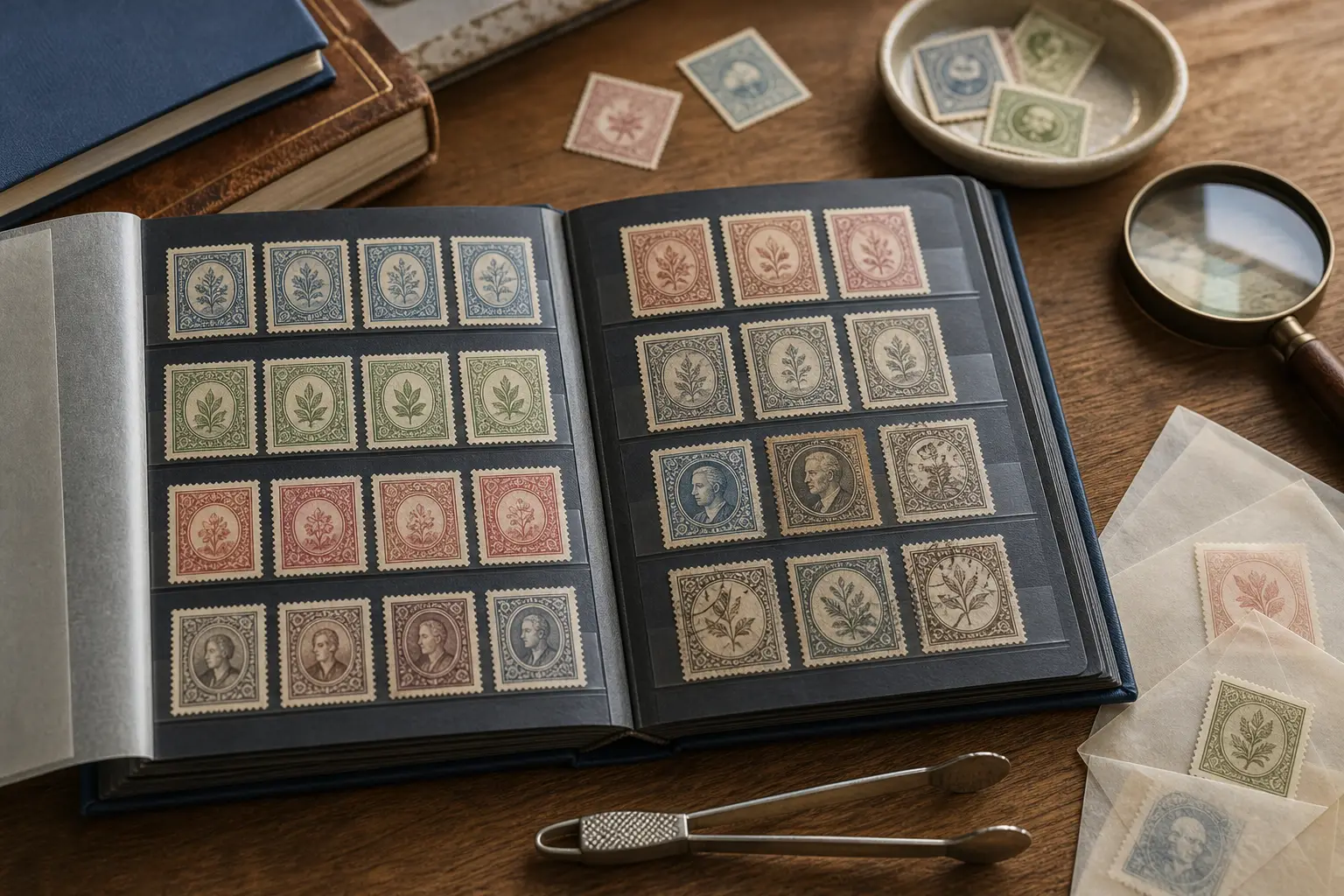
Glassine envelopes are a practical, safe way to temporarily store loose stamps before mounting them in albums or stock books. This article explains how to use glassine envelopes to protect your stamps from damage, organize your collection, and avoid common handling mistakes.