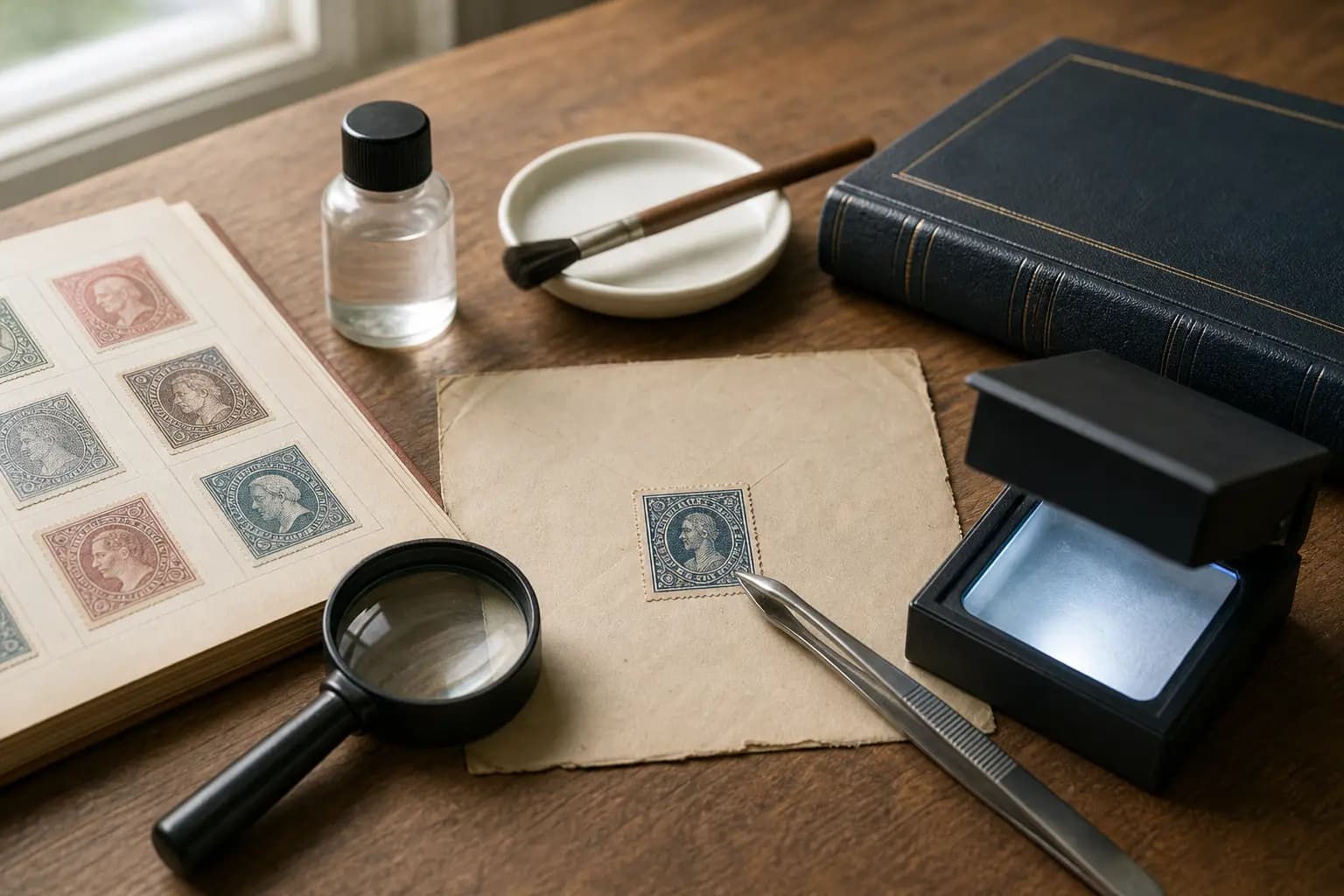
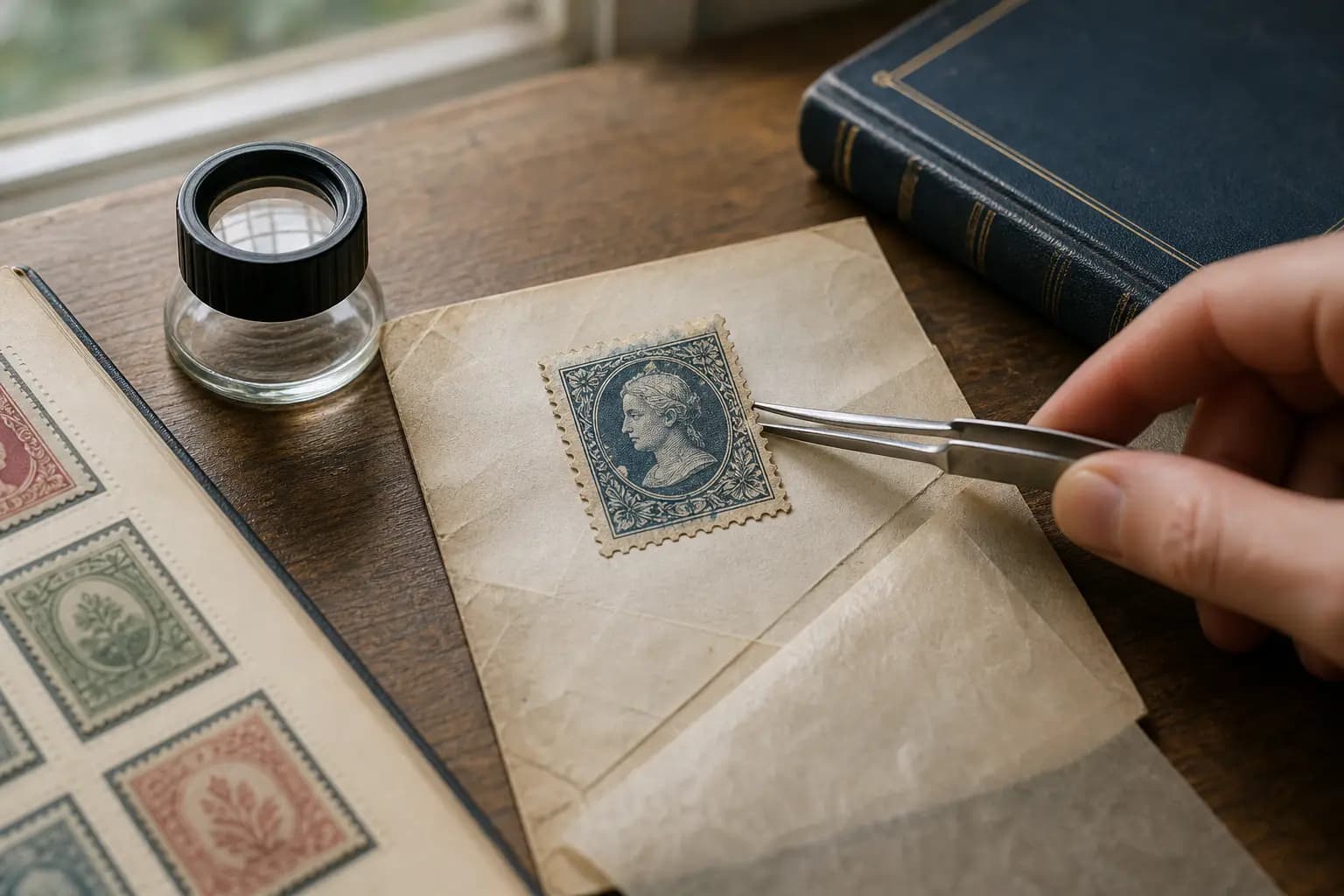
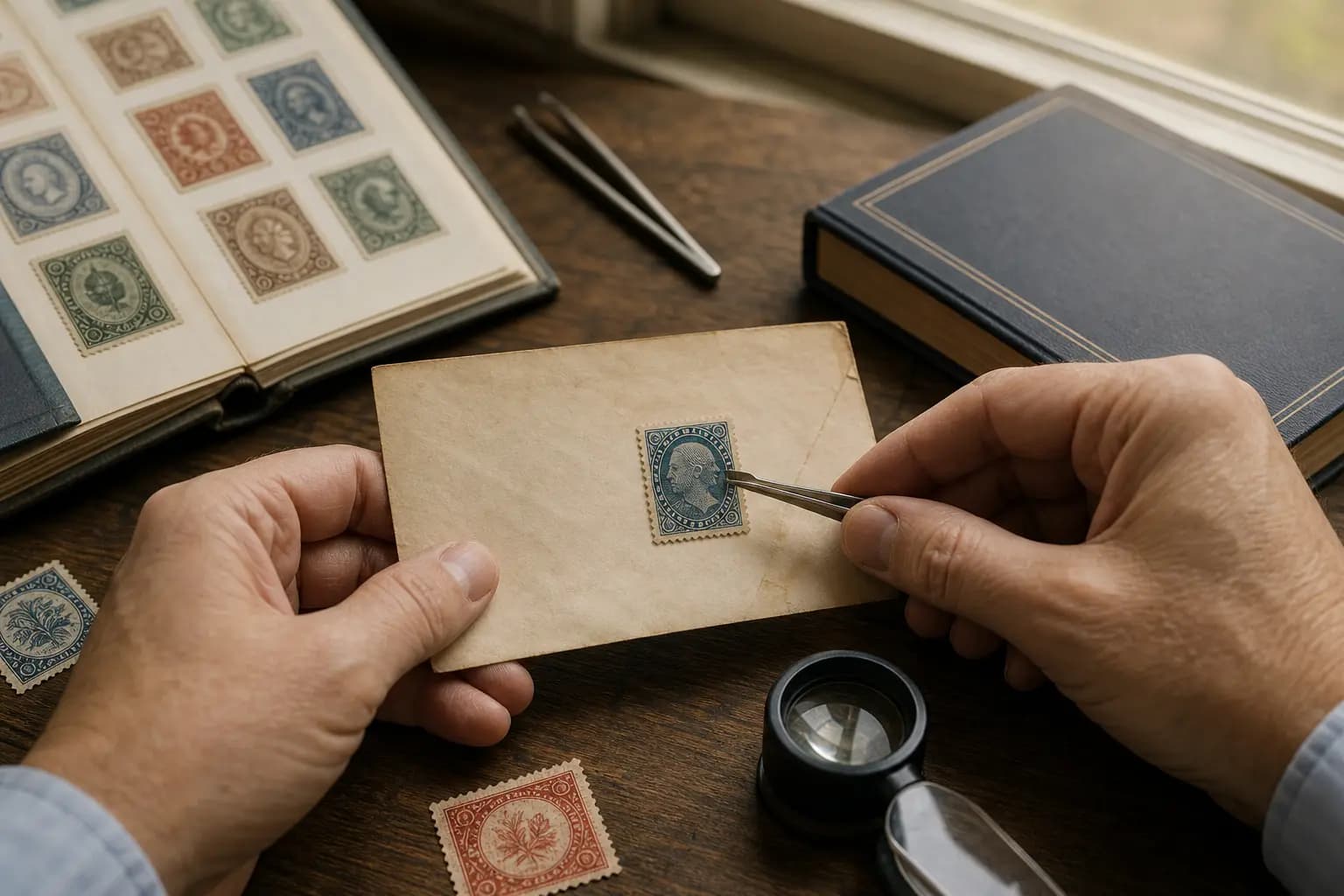
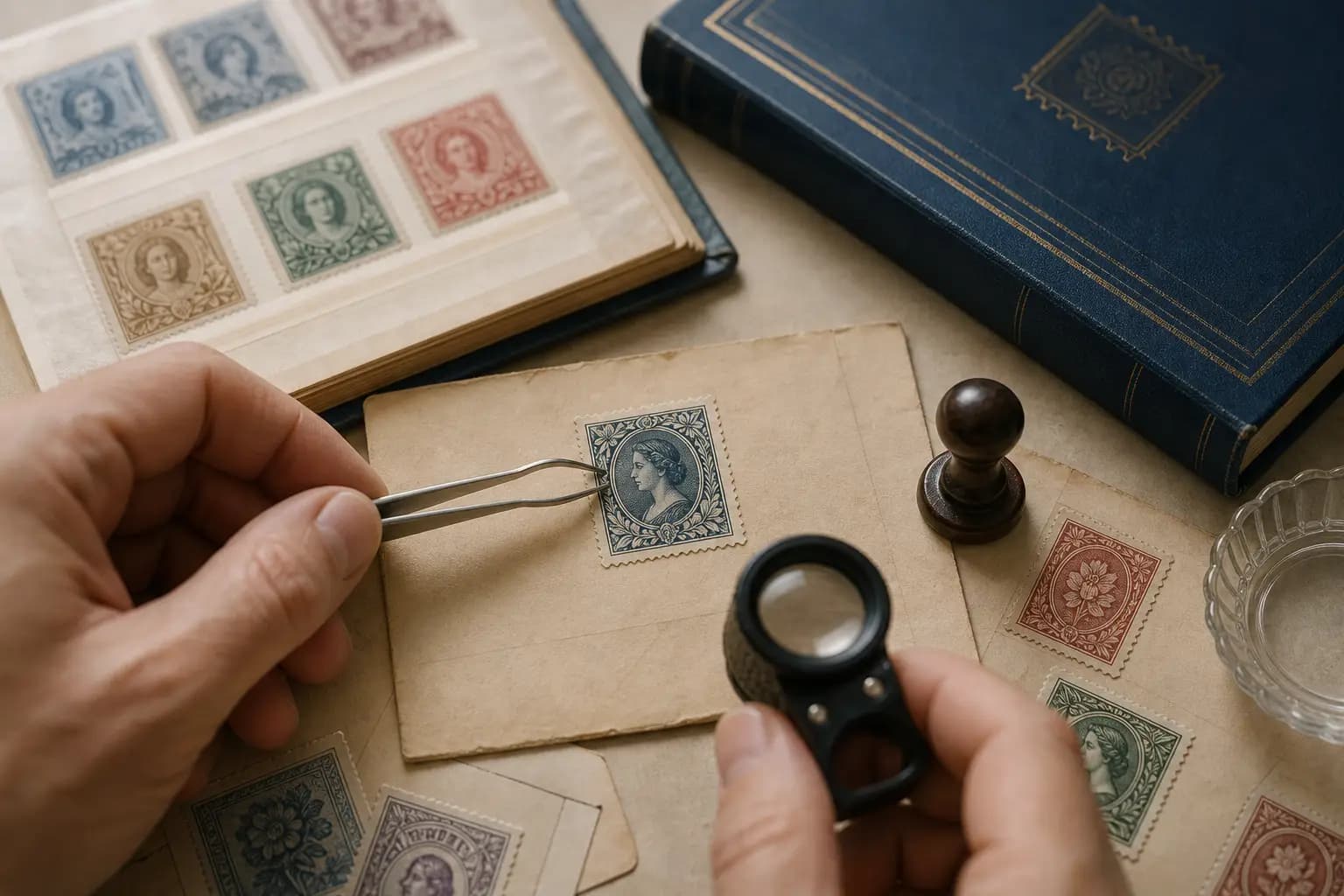
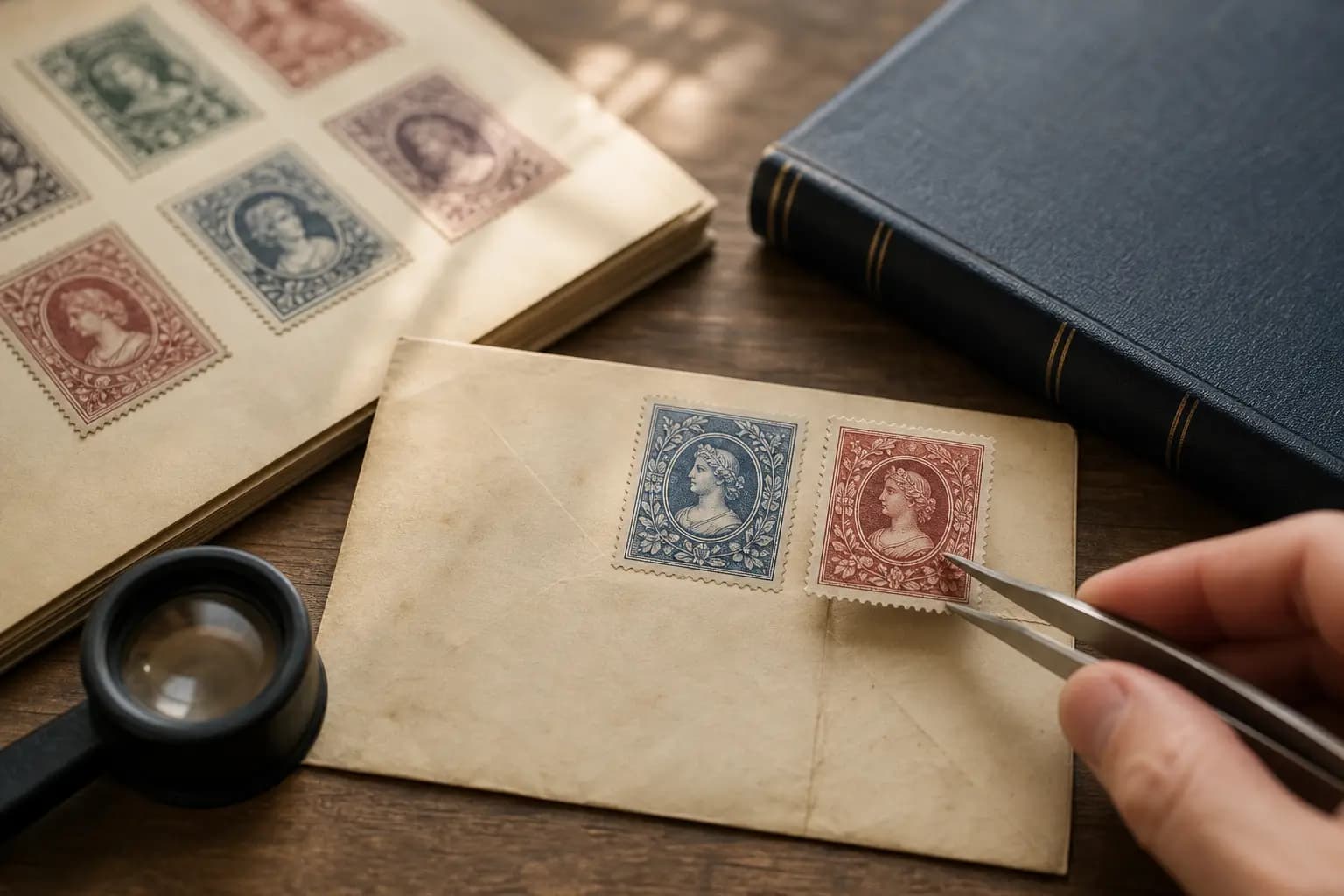
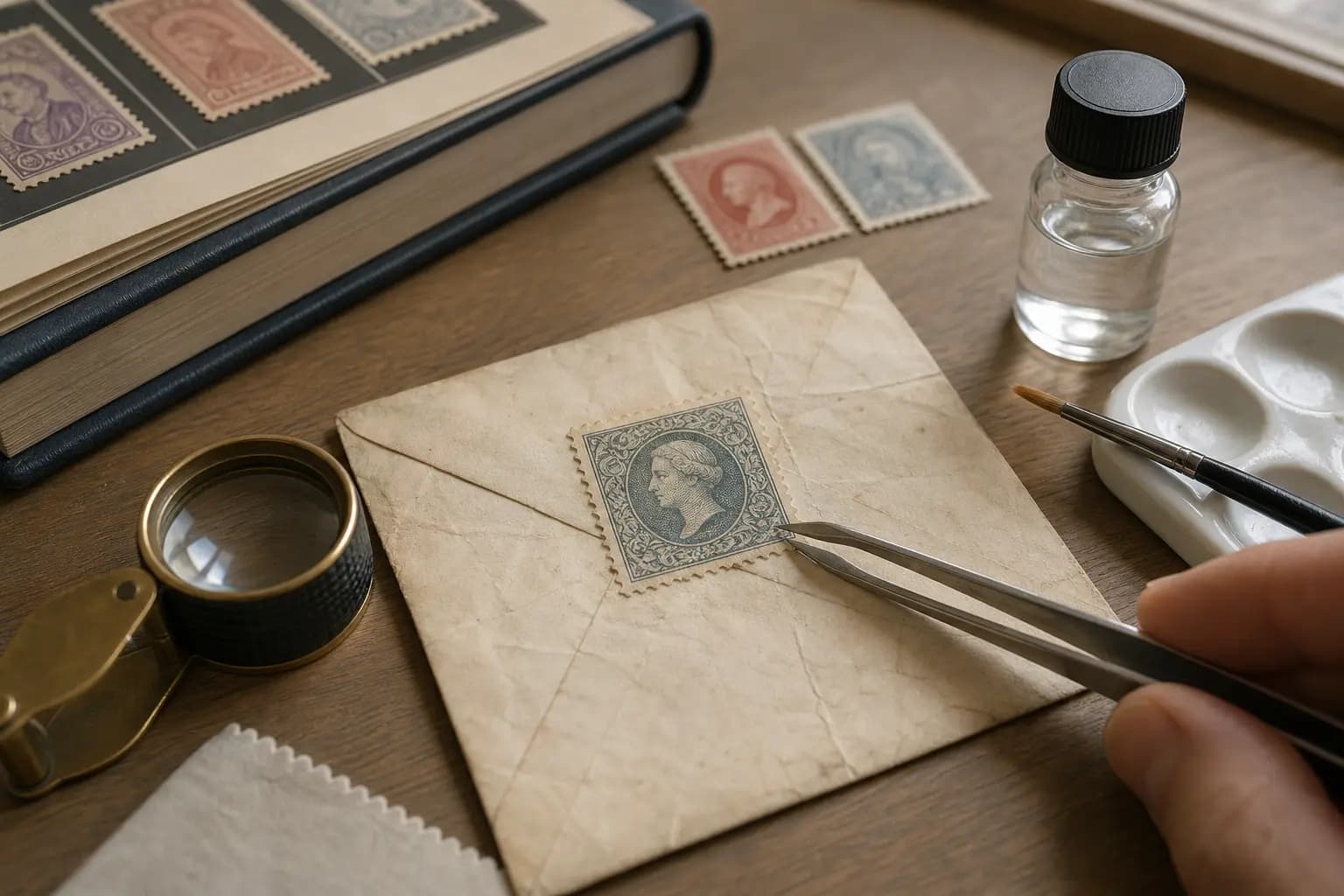
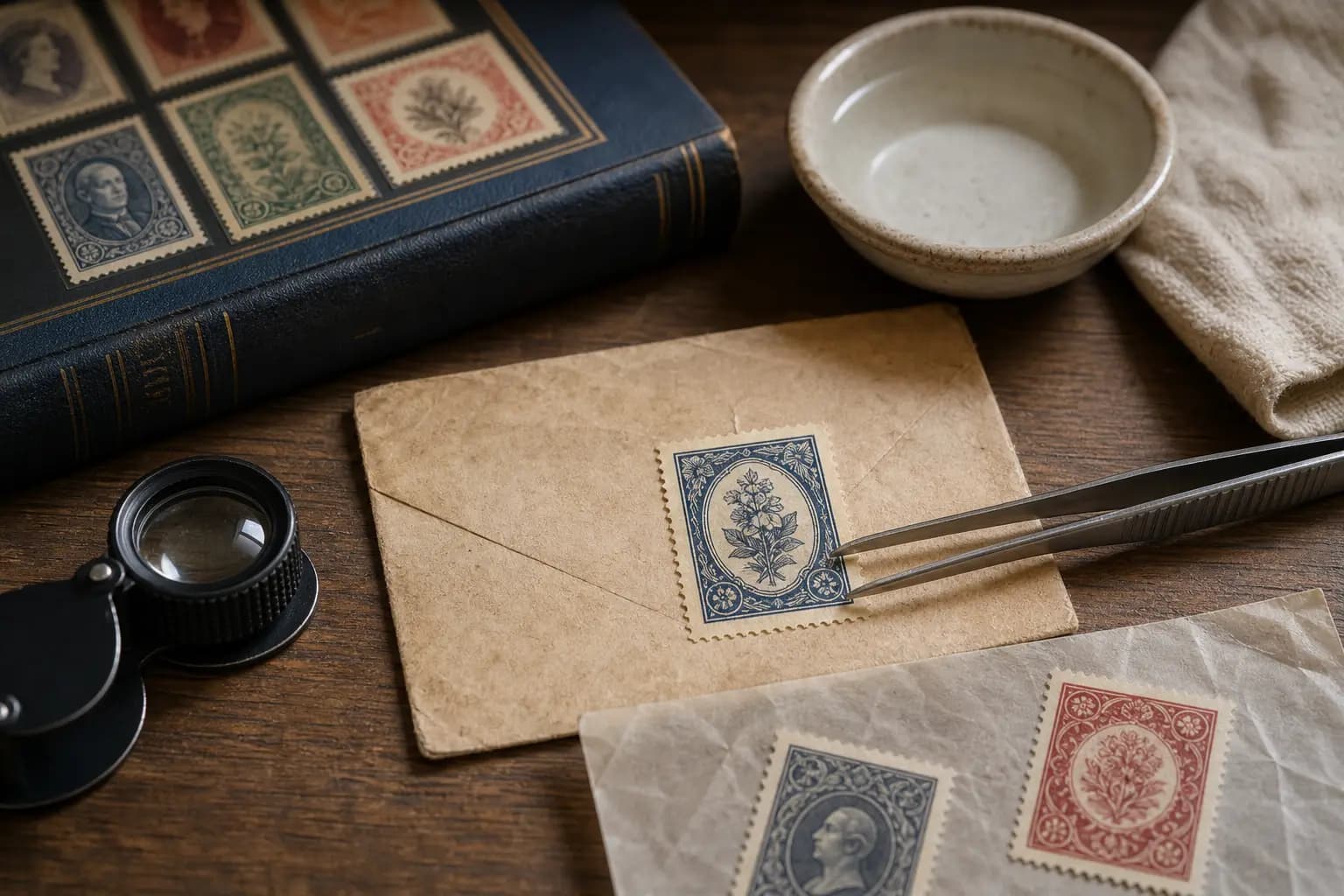
Watermarks can be the sole difference between a common stamp and a rare variety. Discover how to safely identify these security features using traditional watermark fluid and optical detectors to protect and value your collection.
A classic stamp's visual appearance is only part of its valuation. Hidden paper faults like thins and creases can drastically lower its value, while rare watermarks can elevate a common-looking issue to a prize worth hundreds or thousands of dollars. Learn how to safely inspect your stamps using professional watermark fluid.
Struggling to tell early North Borneo stamps apart? Learn how to distinguish the 1886 1/2-cent rose postage stamp from the 1887 postage and revenue variety by examining the bottom scrollwork, and discover safe methods for watermark and fault detection.
Early Liechtenstein stamps featuring Prince Johann II can look remarkably similar, but key design details like corner dates and hidden watermarks determine their catalog number and value. Learn how to identify these varieties safely.
Discover how hidden paper watermarks act as security features that distinguish common stamps from rare varieties. Learn safe detection methods using specialized watermark fluid to protect your collection.
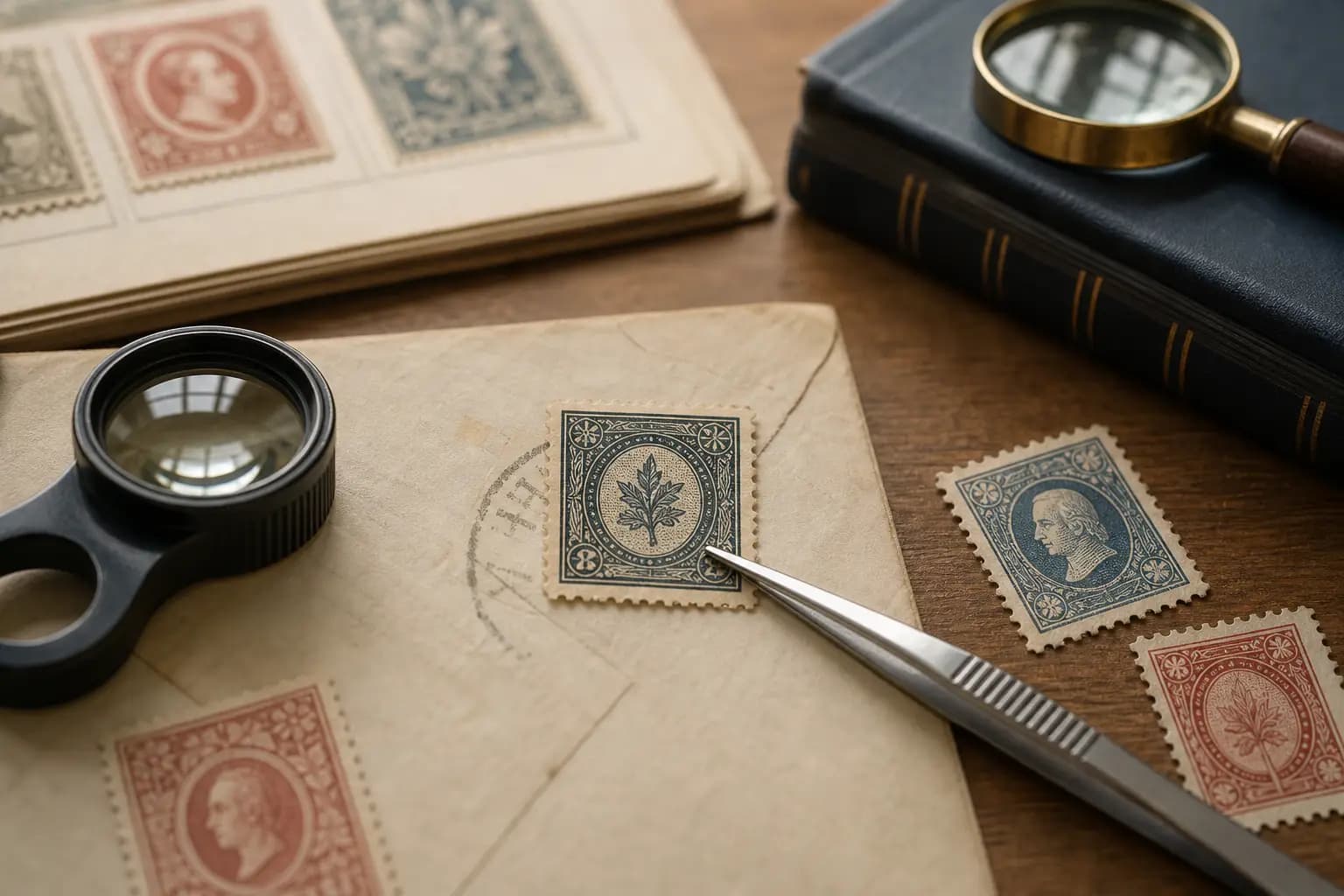
Discover how to distinguish look-alike stamps by examining subtle corner design variations, date inscriptions, and paper watermarks using safe philatelic methods.
Discover how to identify and value the first United States postage stamps issued on July 1, 1847. Learn about the design details of the five-cent Benjamin Franklin and ten-cent George Washington issues, their production history, and safe handling methods for these classic imperforate stamps.
Distinguishing between look-alike definitive and commemorative stamps is critical for accurate valuation. Learn how to identify subtle design changes, inscriptions, and watermarks using safe, expert-approved methods.
Distinguishing look-alike stamps requires a methodical inspection of micro-design details. Learn how to identify subtle year-dates, text inscriptions, and security watermarks to find the correct catalog listing for your stamps.
A stamp's face can hide serious structural damage. Learn how to safely use commercial watermark fluid to detect hidden thins, creases, and paper faults that impact stamp valuation.
To preserve the value of modern self-adhesive stamps, collectors must distinguish between pre-2007 water-soluble backings and post-2007 oil-based backings. Using the wrong separation method can cause irreversible paper damage, thins, or staining, which severely impacts a stamp's condition and ultimate valuation.
Watermarks and paper condition are critical factors in stamp valuation. Learn how to safely use watermark fluid to identify rare stamp varieties and detect hidden paper faults like thins and creases without damaging your collection.