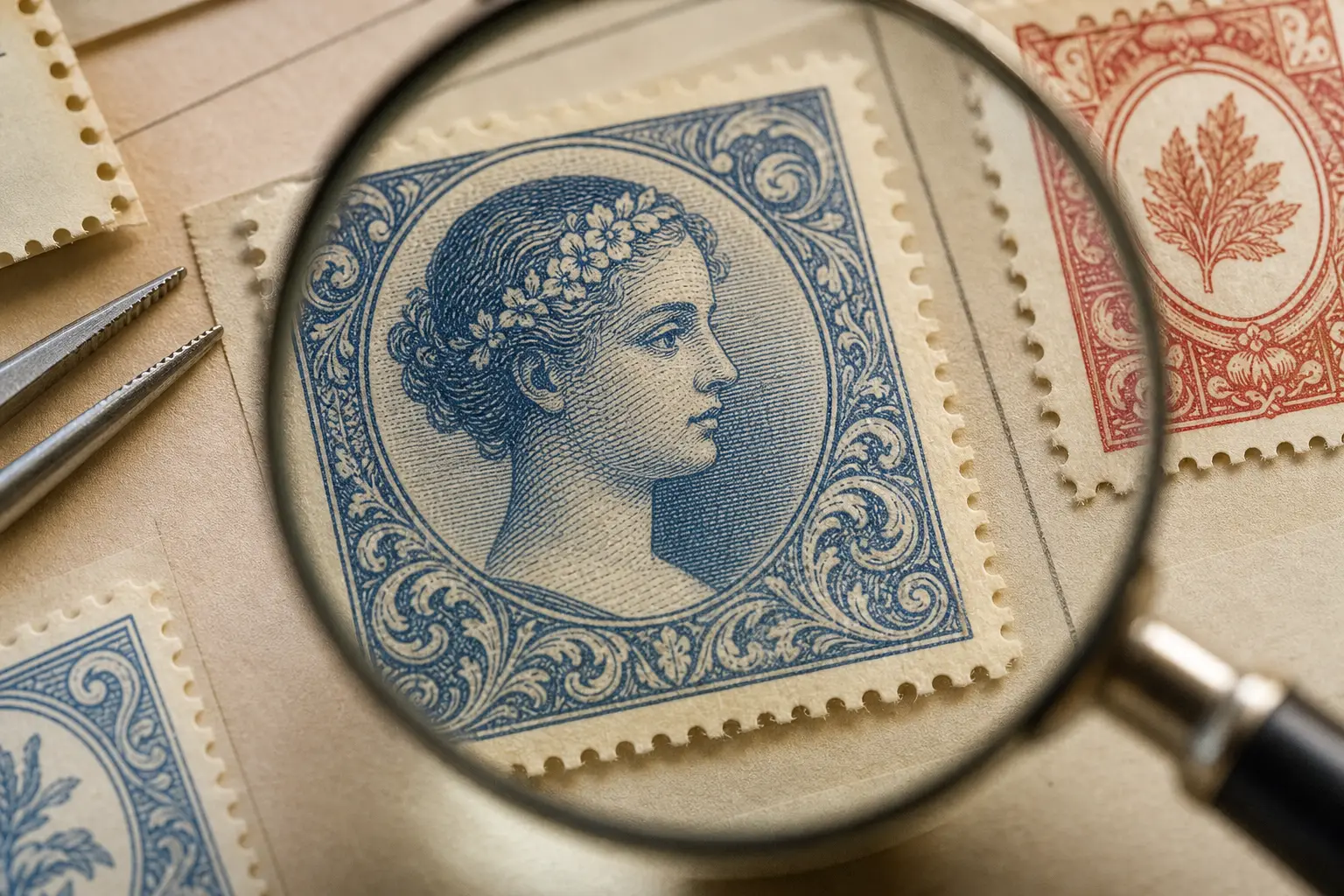
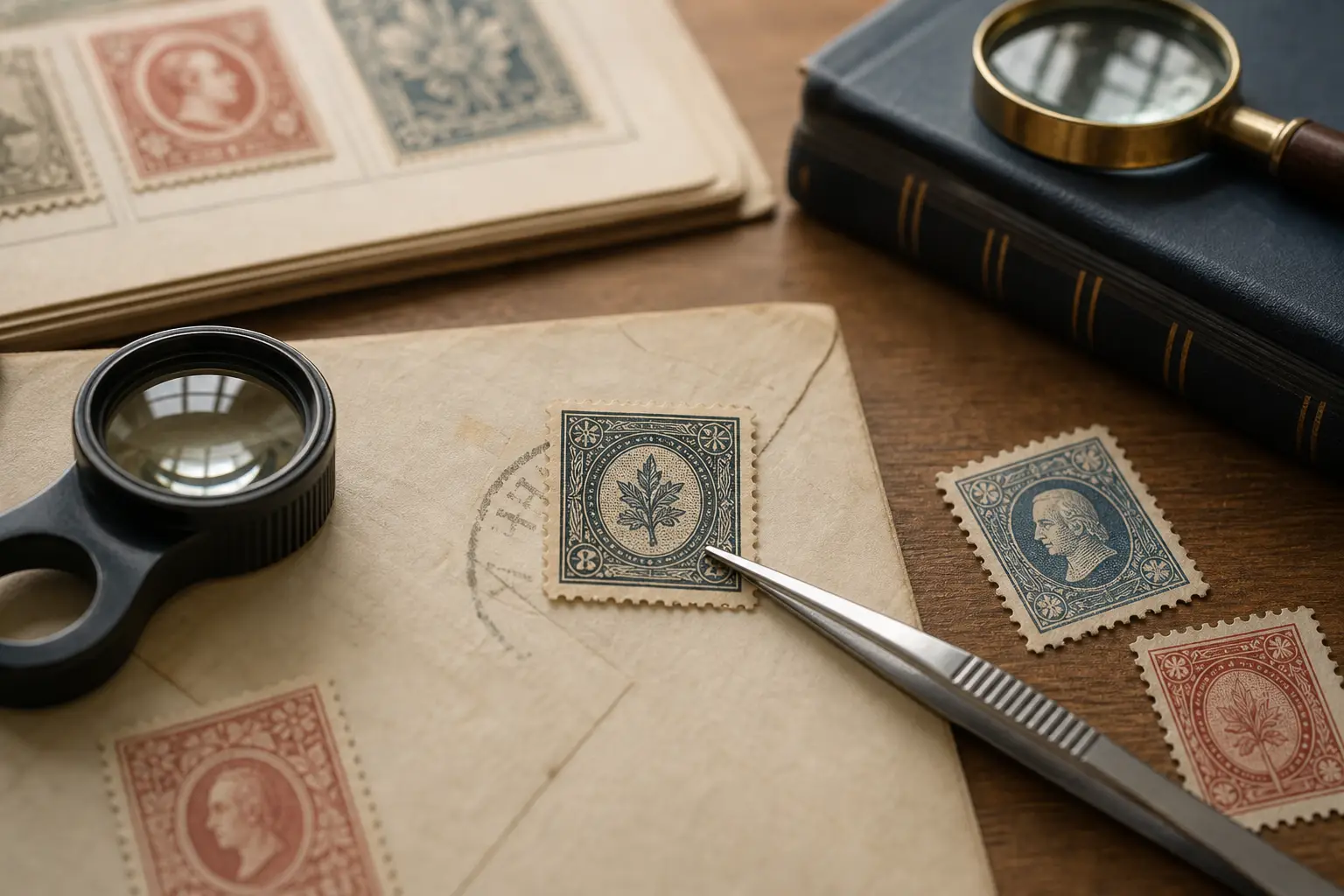
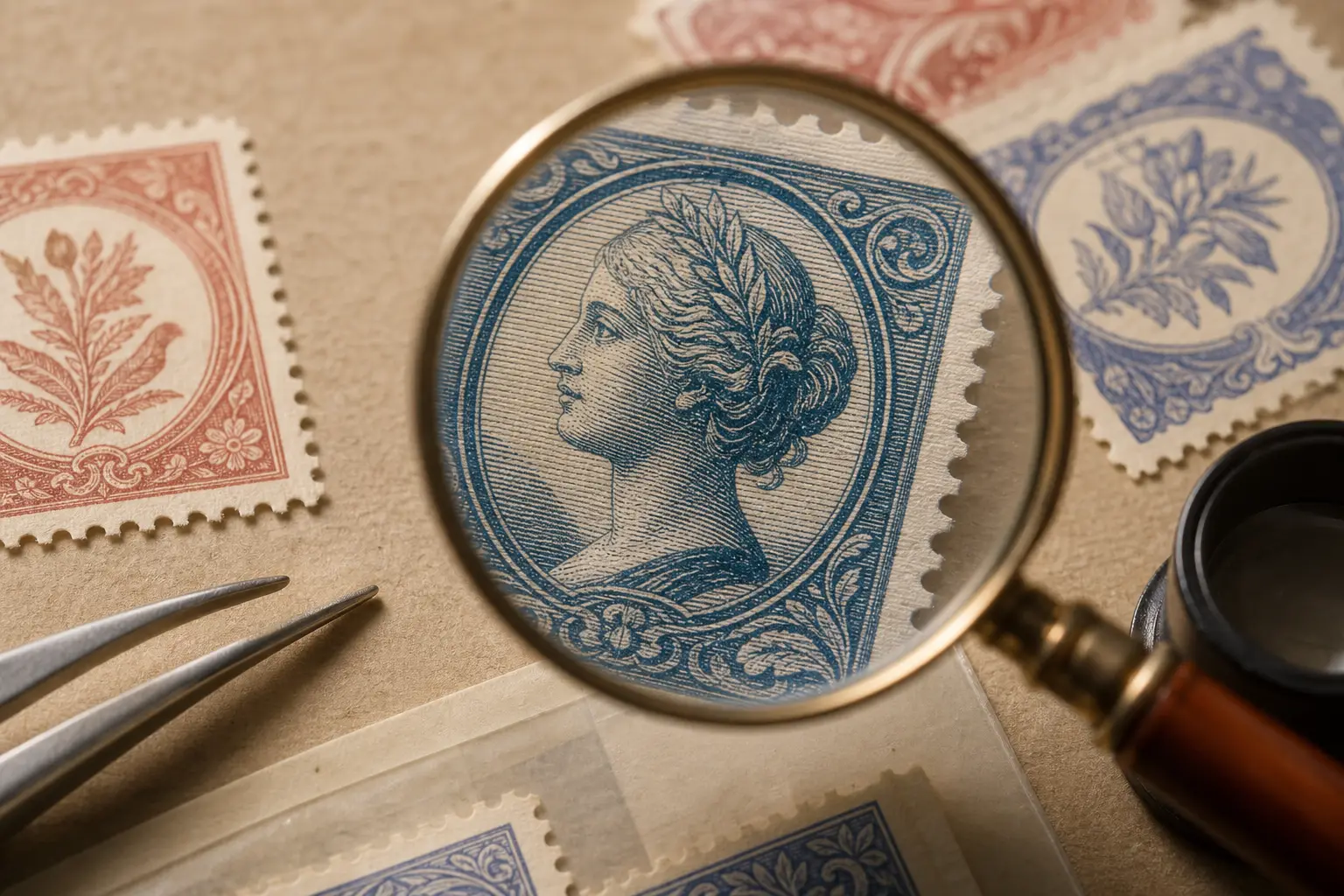
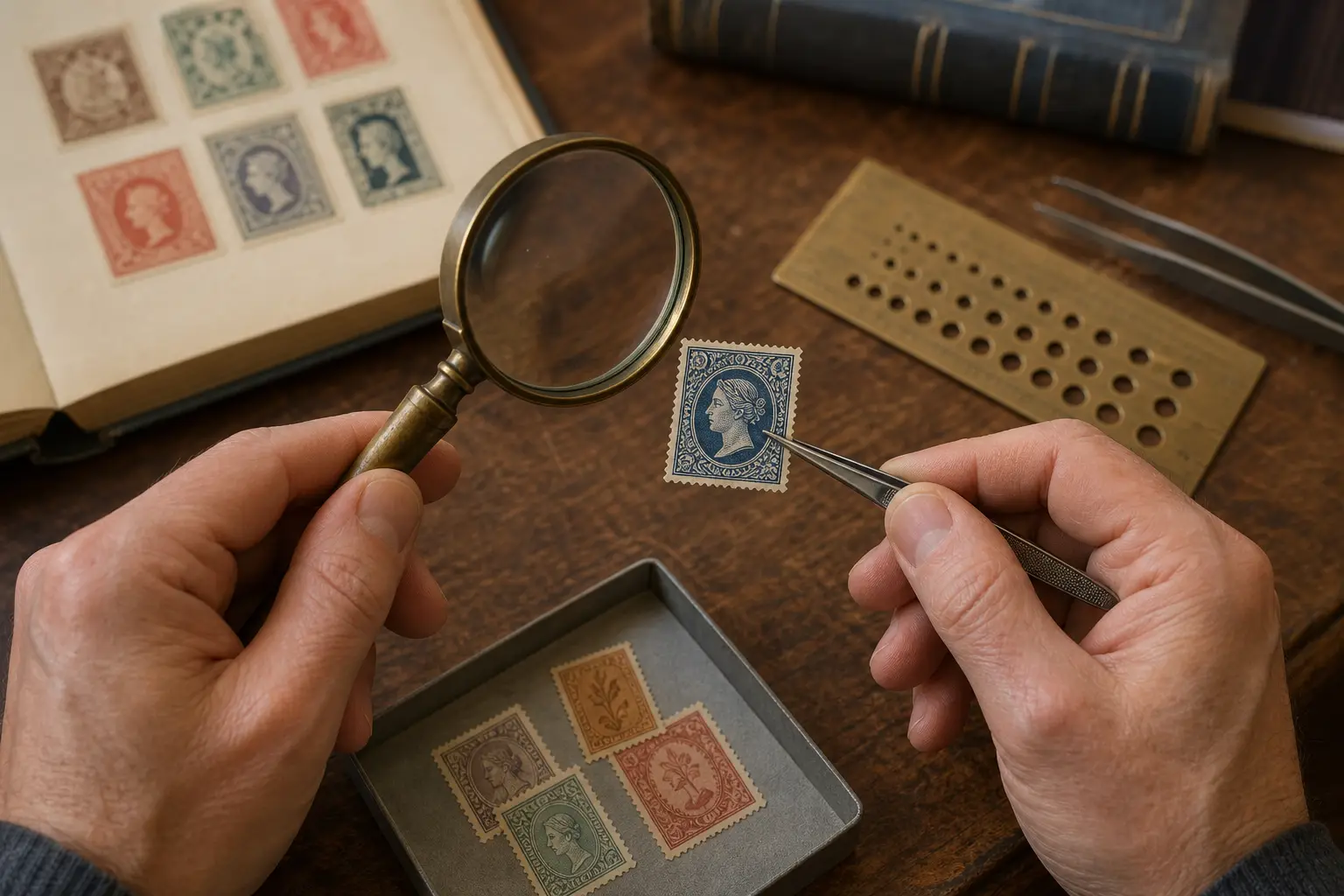
Distinguishing gravure from offset lithography can be challenging because both methods utilize screened structures. Learn how to safely analyze these printing families using non-contact magnification, oblique light, and official production records.
In the late 19th century, stamp collecting transitioned from an informal hobby into an organized discipline. Early philatelic societies established the first structured exhibitions, peer-reviewed research journals, and expertizing systems that still shape the hobby today.
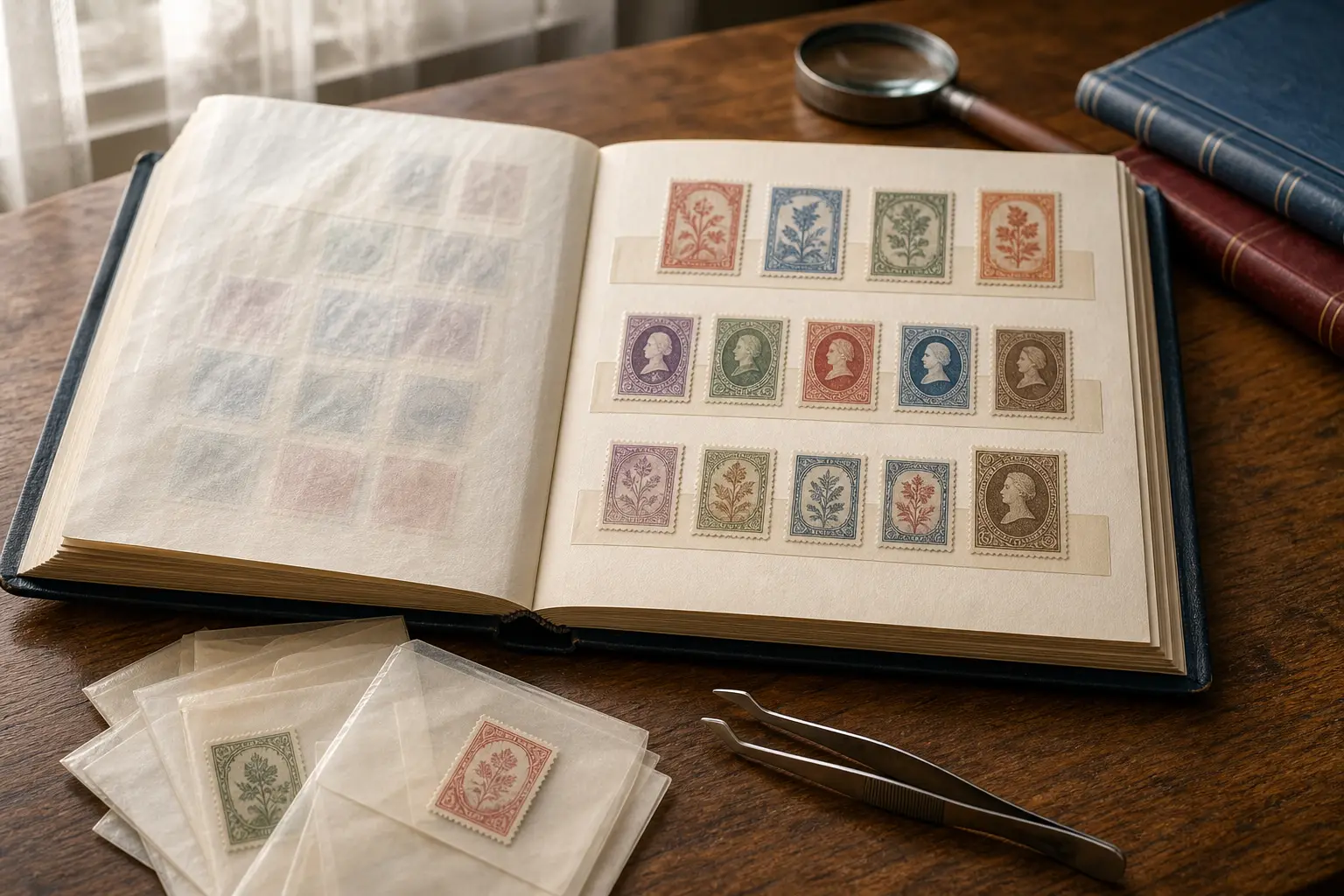
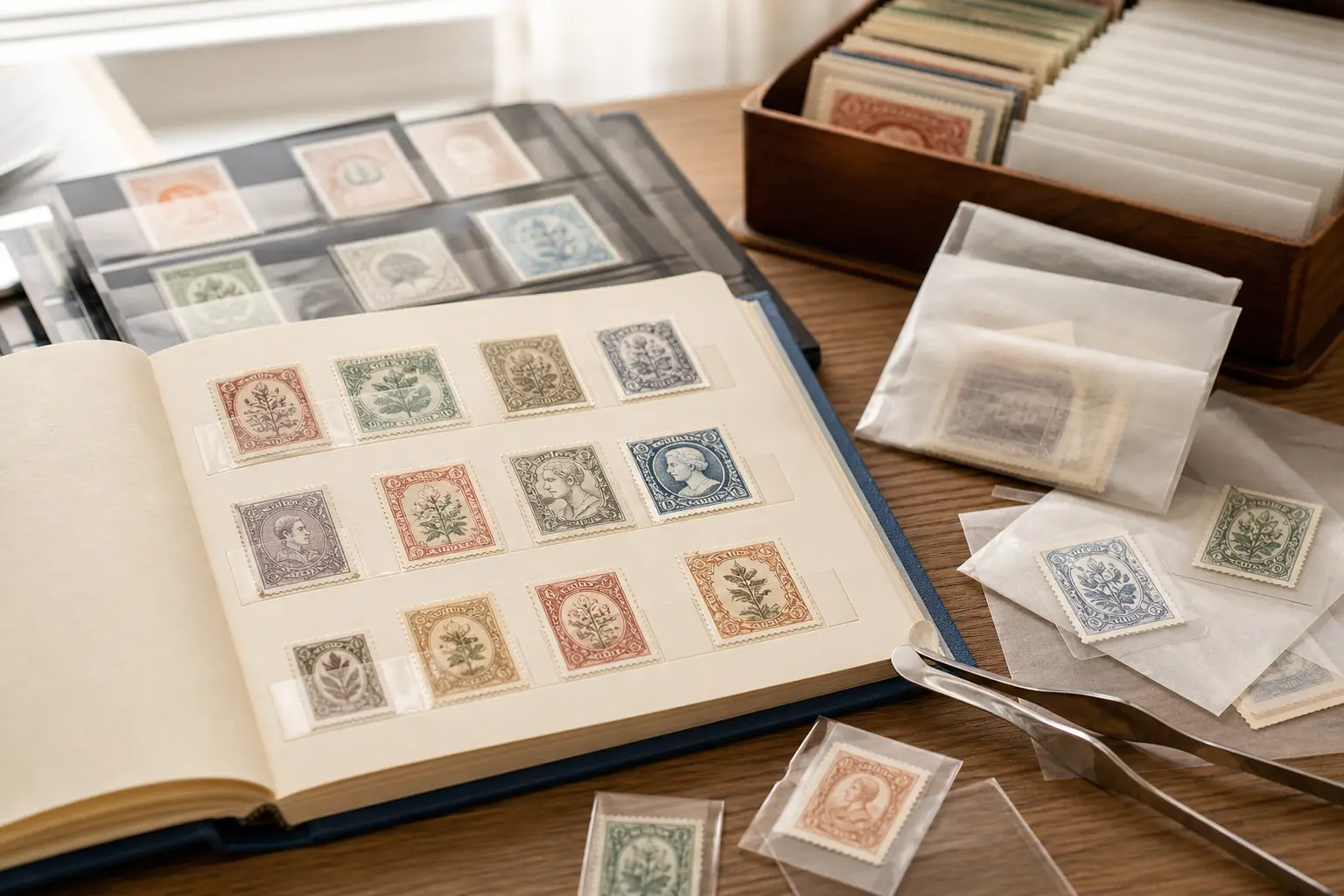
Protect your stamp collection from environmental damage and handling wear. Discover how to use glassine envelopes and stock books as safe, flexible storage solutions for your loose, dry stamps before final mounting.
Collecting stamps issued since your birth year is a highly personalized, manageable way to specialize in modern philately. It helps narrow down the overwhelming volume of global issues—which totals about 10,000 new postage stamps each year—into a structured, affordable, and deeply meaningful collection.
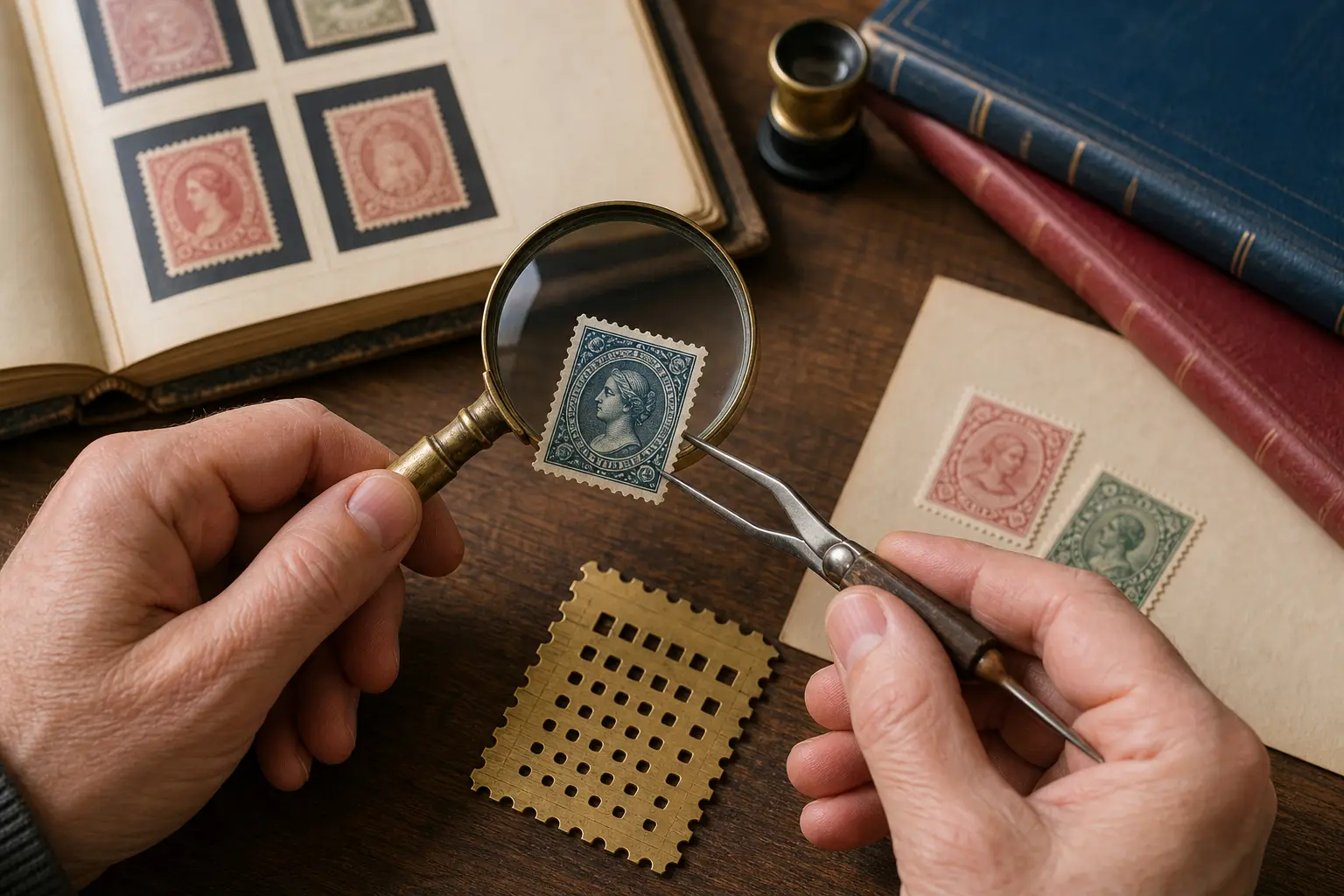
Discover how to distinguish look-alike stamps by examining subtle corner design variations, date inscriptions, and paper watermarks using safe philatelic methods.
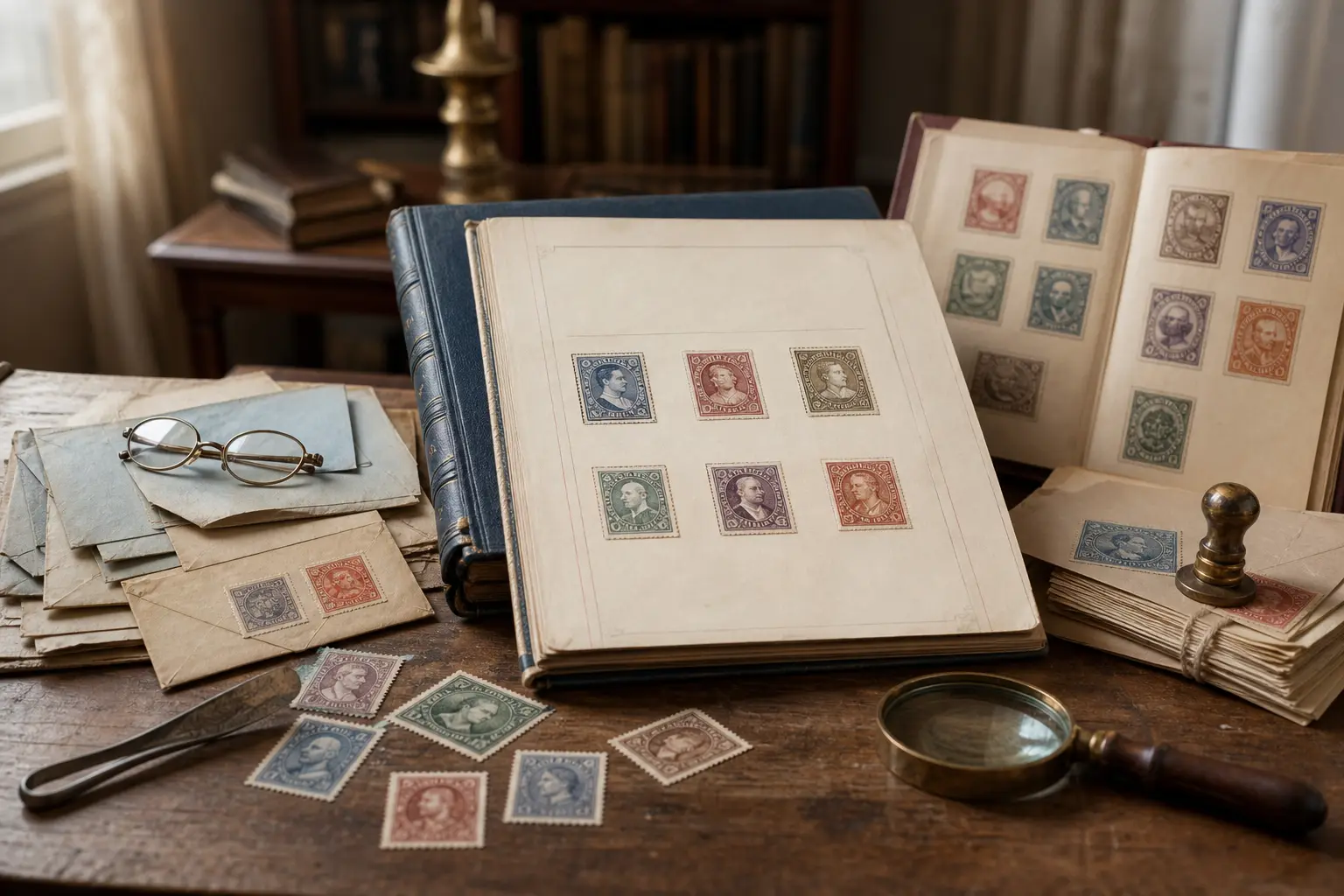
Discover how to identify classic postage stamps by analyzing portrait subjects and security printers. Learn safe handling techniques and catalog research methods.
To accurately classify classic stamps, collectors must look beyond surface designs. Discover how to combine printing family analysis with safe watermark detection to distinguish look-alike varieties.
Early philatelic organizations built libraries and literature collections to help members acquire philatelic knowledge and share specialist research. Discover how the American Philatelic Association and other early societies established reference repositories, relying on donations and member contributions to preserve postal history.
After soaking stamps from paper, the next critical step is evaluating their condition and sorting them. Learn how to safely identify damaged stamps, select the best-centered duplicates, and organize your collection for long-term storage.
Collecting stamps by visual traits like shape, color, and custom postmarks offers a highly creative and flexible alternative to traditional country-specific collecting. Learn how to safely build and organize a visually themed stamp collection using essential philatelic tools.
Discover how to identify and value the first United States postage stamps issued on July 1, 1847. Learn about the design details of the five-cent Benjamin Franklin and ten-cent George Washington issues, their production history, and safe handling methods for these classic imperforate stamps.
Struggling to identify a postage stamp with no country name? Learn why Great Britain is the only nation permitted to omit its name, how to recognize the ruling monarch, and the safe tools you need to identify and organize these historic issues.