Discover how early postal history transitioned from recipient-paid refused mail to prepaid postage stamps. Learn to identify the world's first issues using safe handling practices and essential tools.
Distinguishing between the four major stamp printing families requires a methodical approach. By combining non-contact magnification, oblique light, and safe watermark detection, collectors can reliably identify complex stamp varieties.
Early philatelic organizations, such as the American Philatelic Association founded in 1886, fostered international affiliation and collector relations by establishing formal constitutional objectives, exchange systems, and shared reference materials.
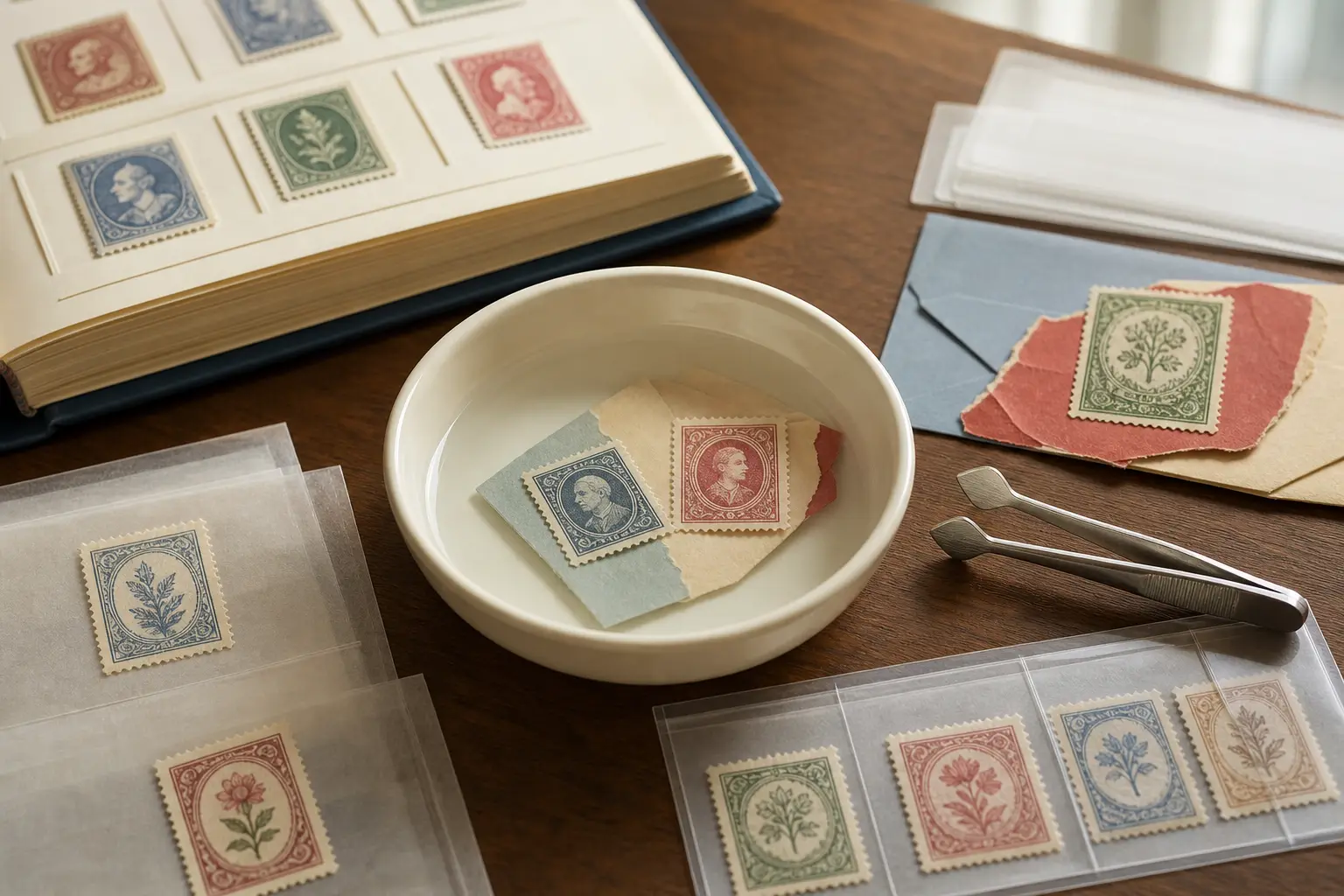
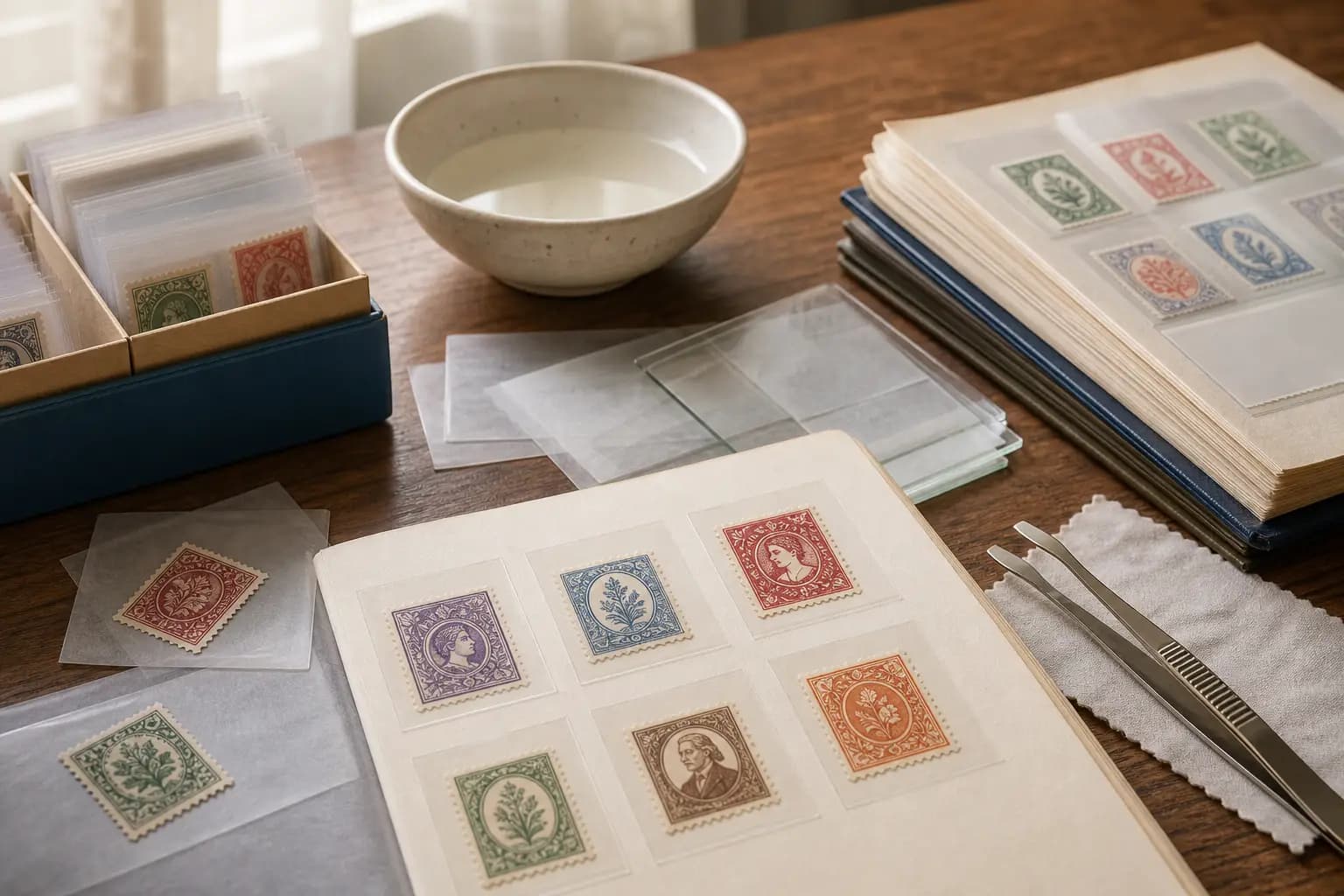
Soaking postage stamps off paper is a classic philatelic technique, but brightly colored envelopes pose a serious risk of color bleeding. Learn how to isolate red or green paper backings, manage water temperatures, and dry your stamps safely to protect their original colors and paper integrity.
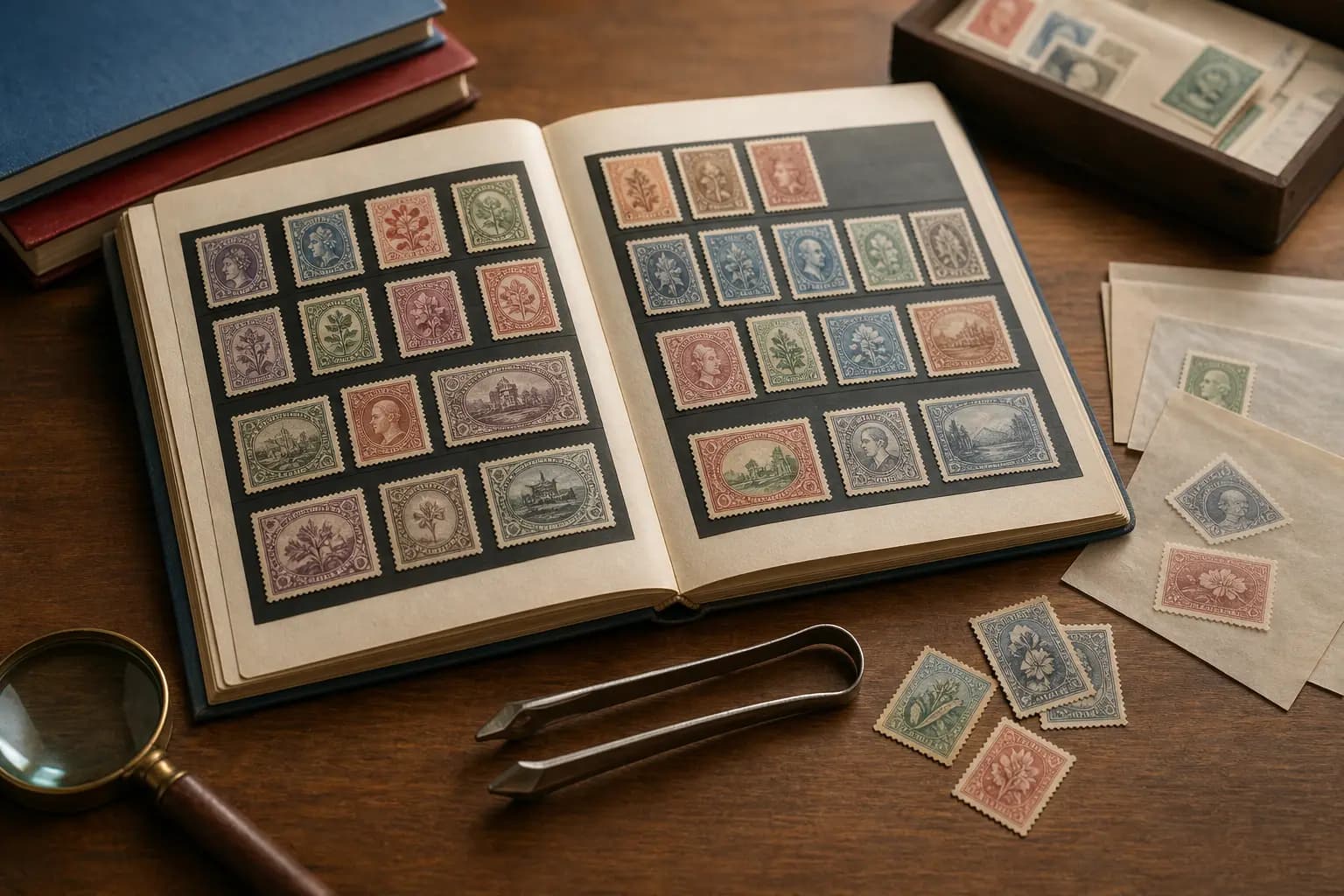
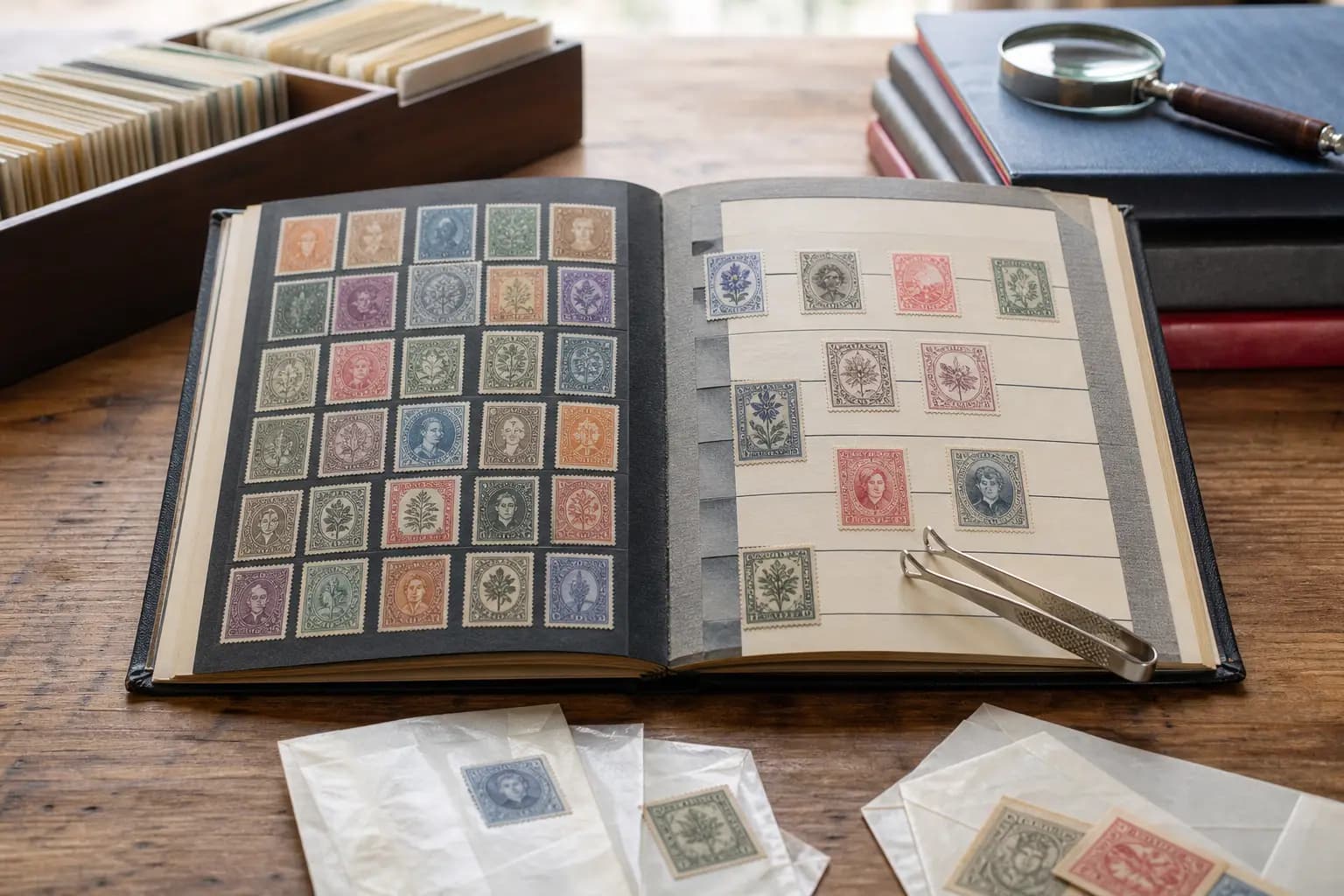
Stamp collecting does not require great wealth. By focusing on used stamps, selecting affordable topical themes, and starting with basic tools like tongs and a simple album, you can build a rich, educational collection without spending a fortune.
Distinguishing look-alike stamps requires a methodical inspection of micro-design details. Learn how to identify subtle year-dates, text inscriptions, and security watermarks to find the correct catalog listing for your stamps.
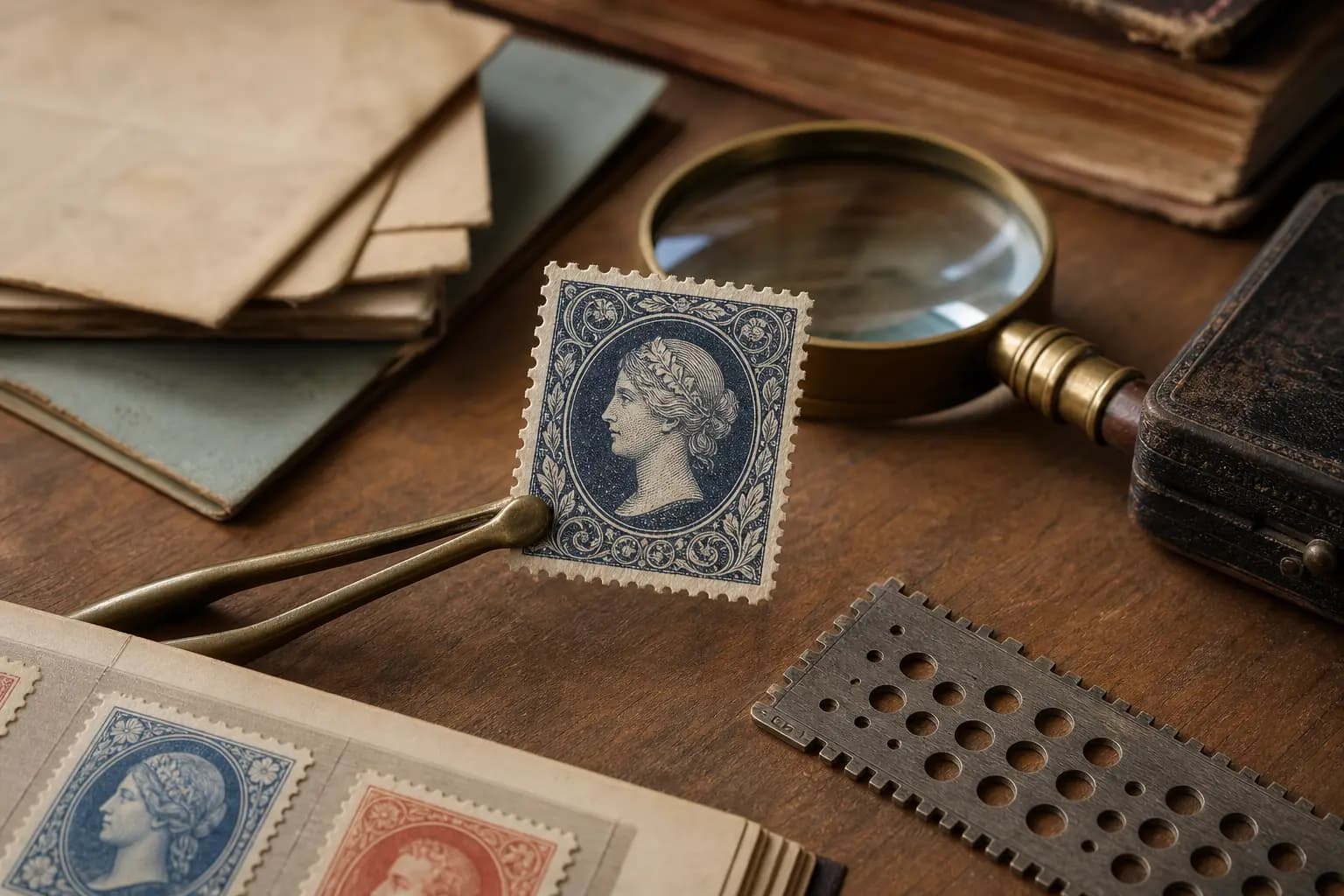
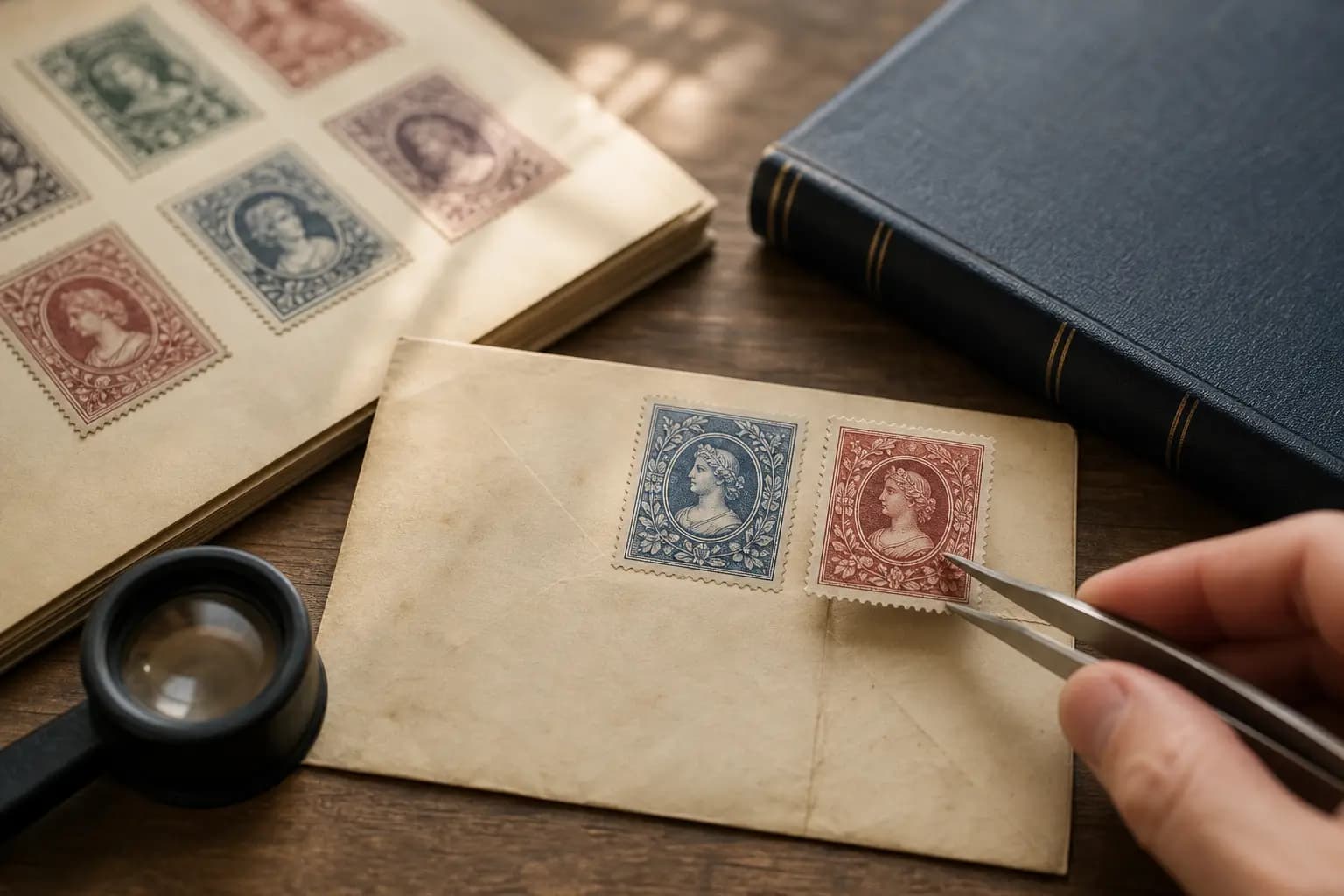
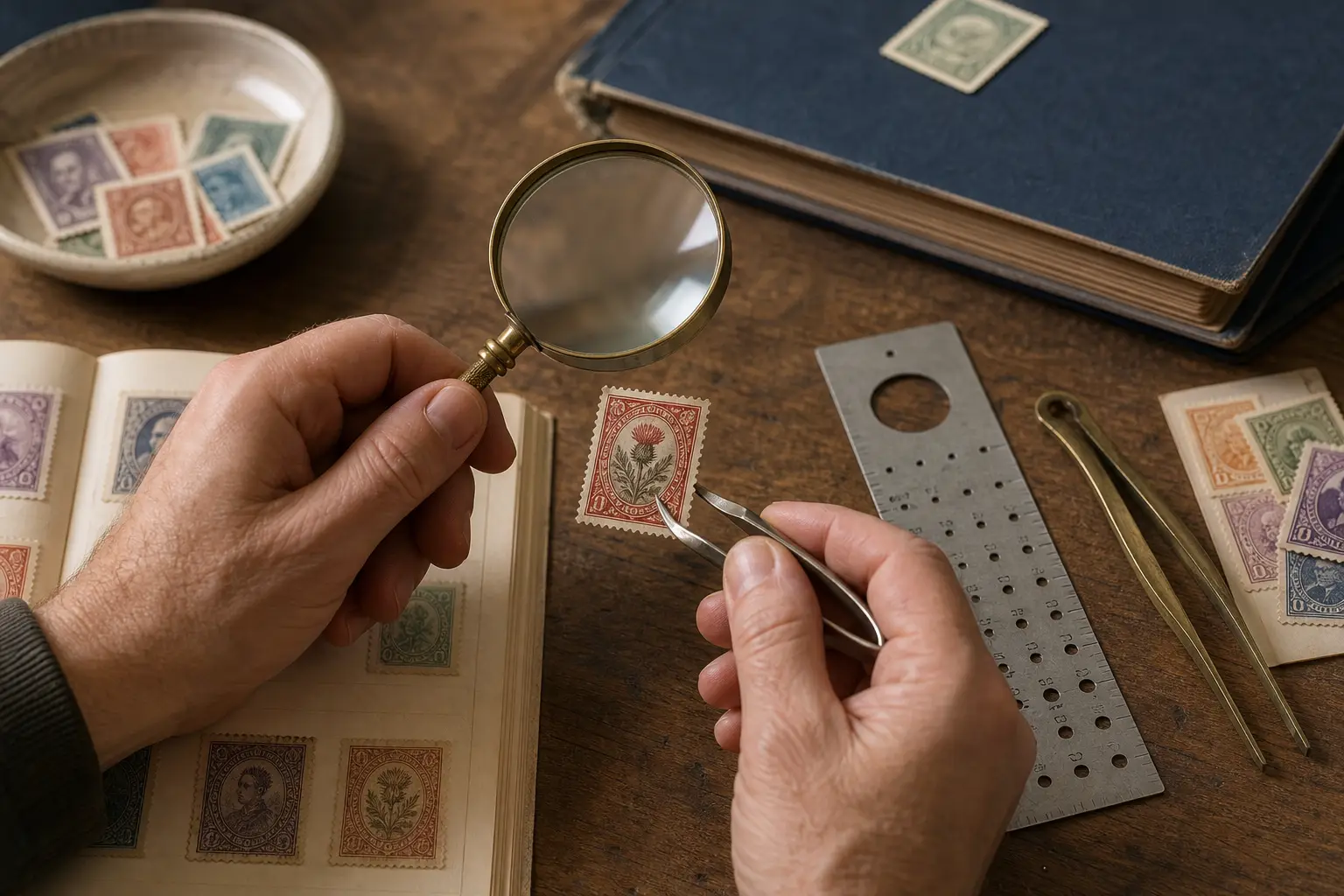
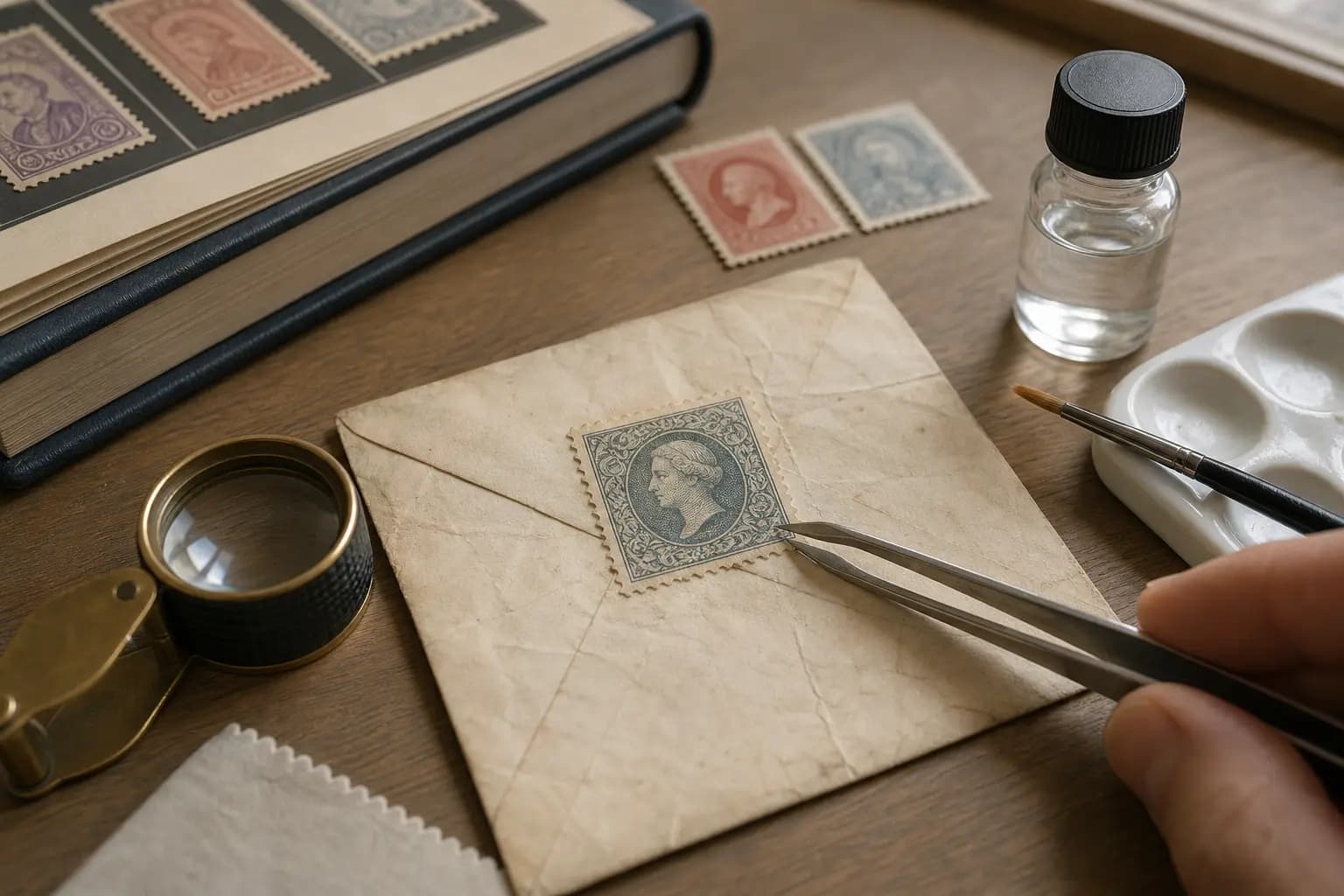
Discover a safe, methodical process for identifying stamp varieties. Learn how to combine stamp tongs, magnification, perforation gauges, and reference catalogs to inspect and document your collection without causing damage.
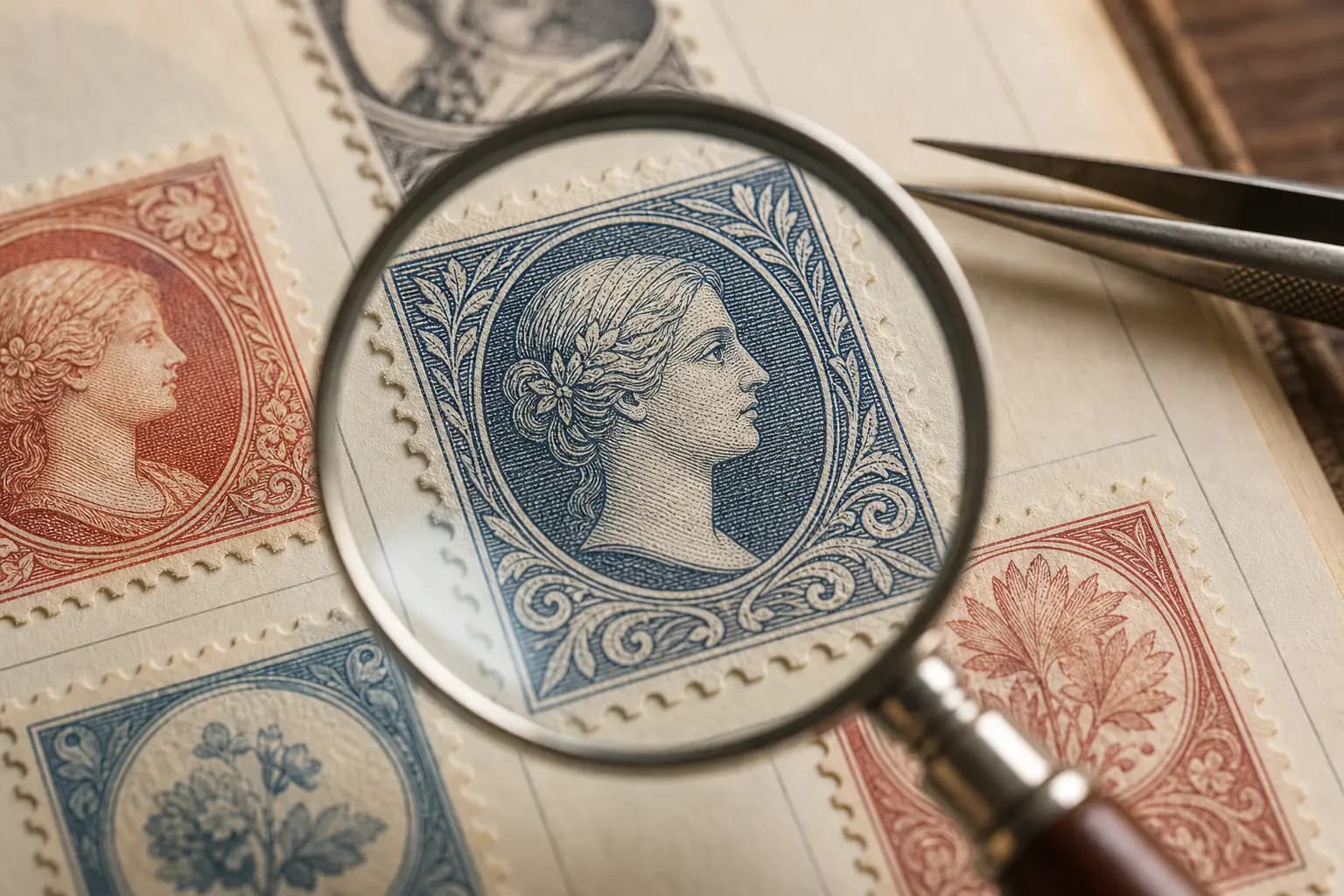
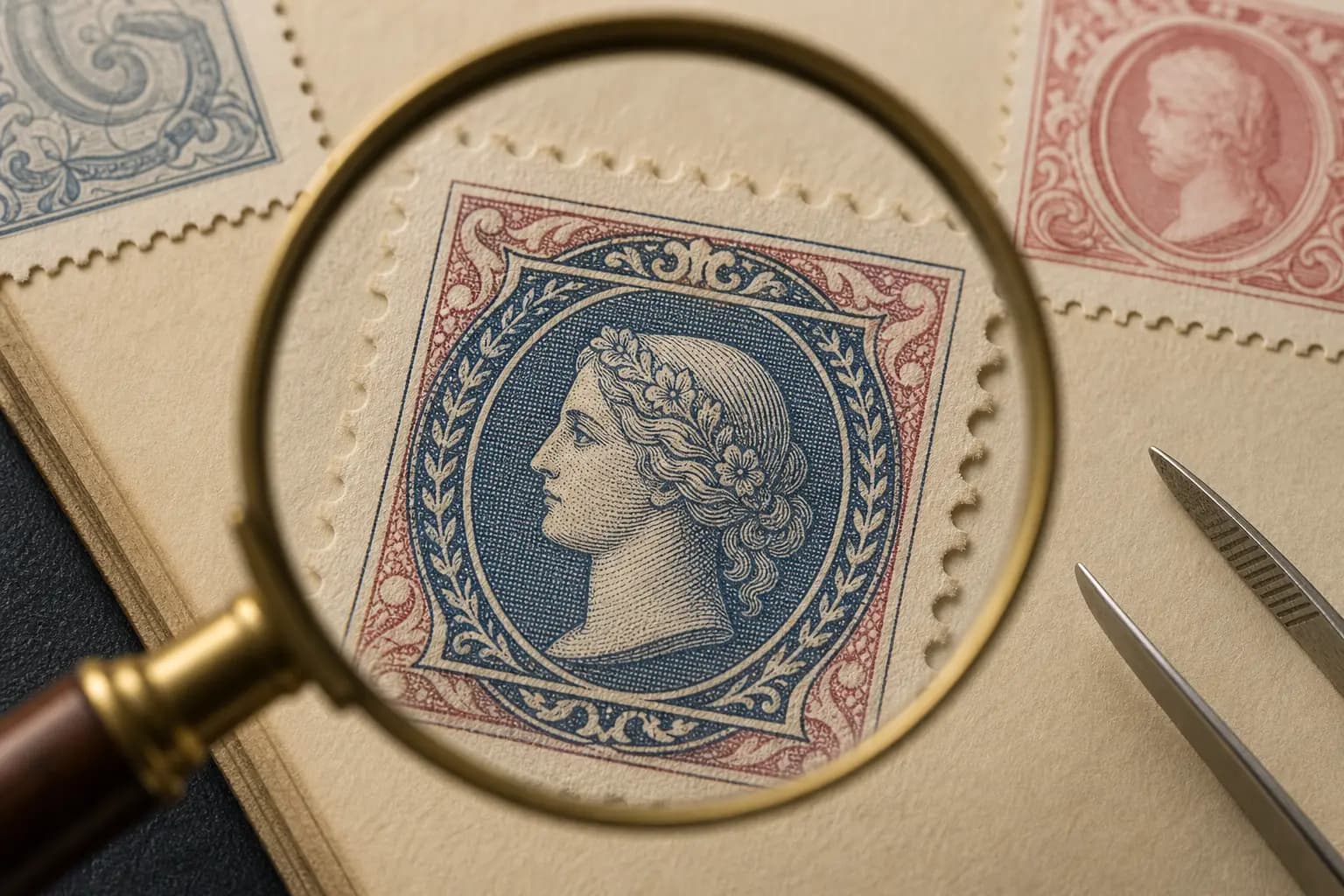
Identifying stamp printing methods requires looking beyond simple dot patterns. Learn how to analyze screened structures across lithography, gravure, and other printing families using non-contact magnification, oblique light, and official production records to make accurate identifications.
In September 1886, the American Philatelic Association established a formal national structure for stamp collectors. Explore how early dues, membership cards, and the historic button badge laid the foundation for organized philately.
Separating self-adhesive stamps from paper envelopes requires understanding their adhesive type. While older self-adhesives can be soaked in water, modern issues with oil-based backings require specialized solvents. Learn the safe, step-by-step methods to protect your stamps from tearing and adhesive damage.
Transitioning from worldwide stamp collecting to a country-specific focus helps collectors manage space, time, and budget constraints. By specializing in a single nation or era, you can build a more complete and organized collection using methodical tools and references.
A stamp's face can hide serious structural damage. Learn how to safely use commercial watermark fluid to detect hidden thins, creases, and paper faults that impact stamp valuation.