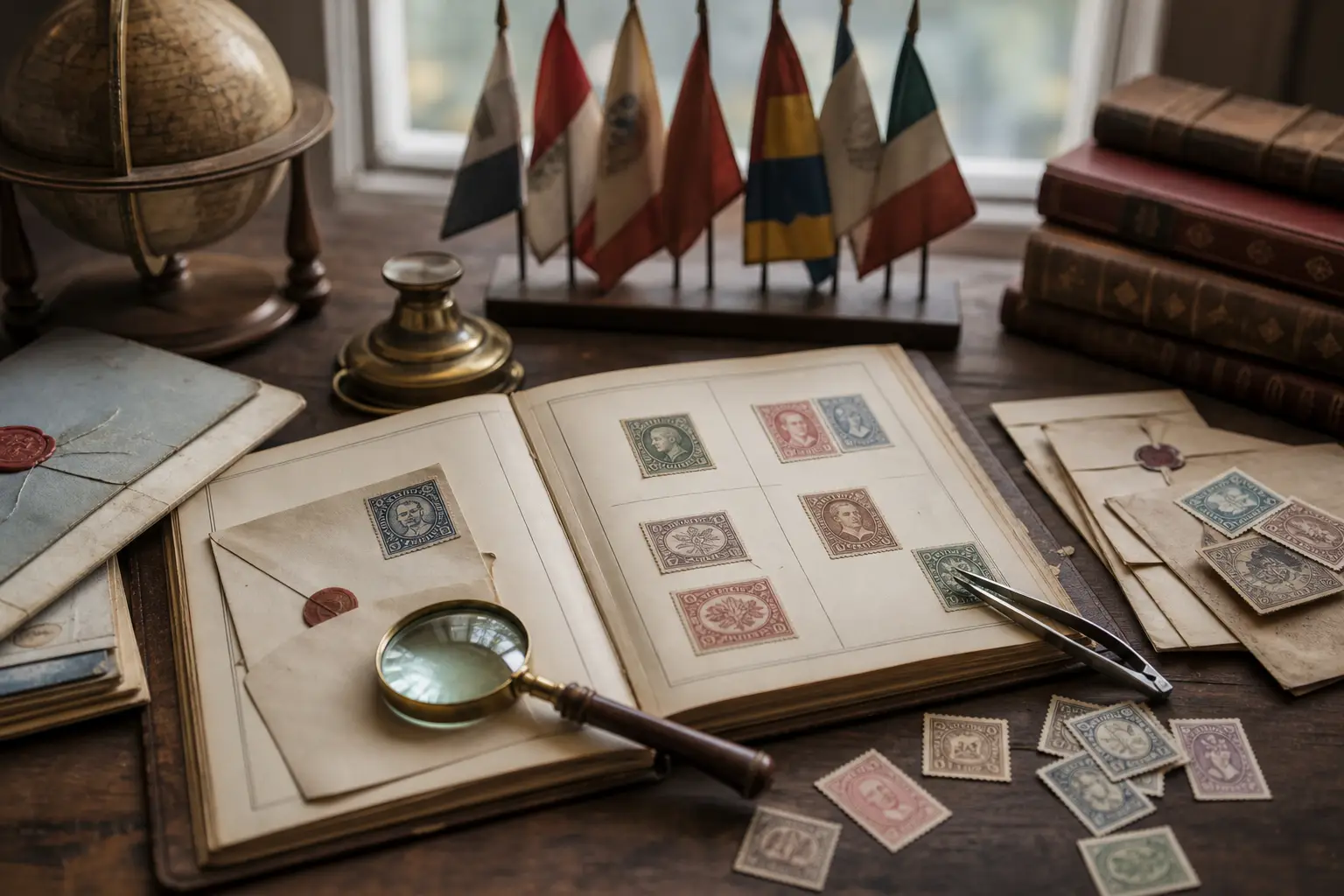
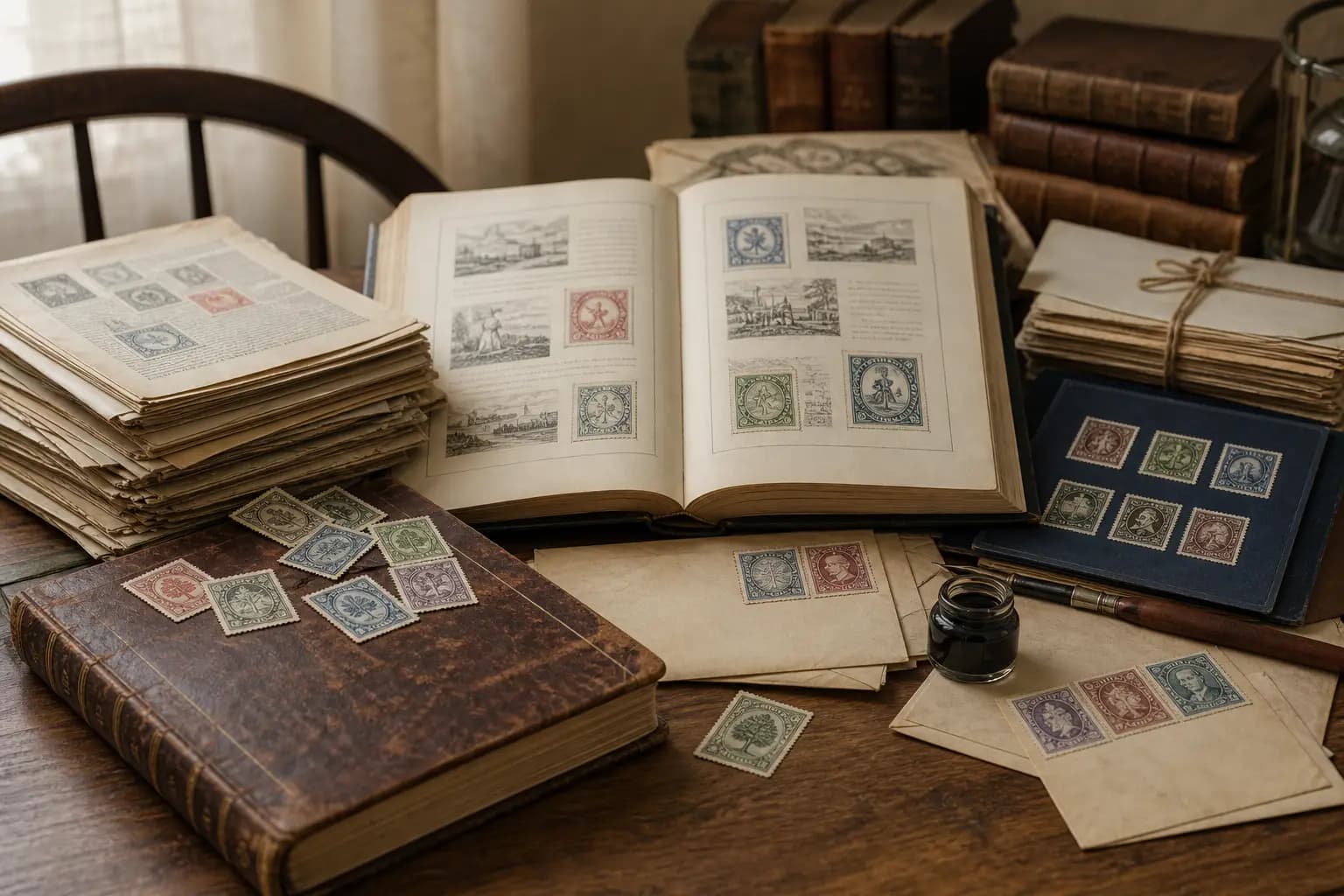
From 19th-century reference libraries to mid-century meeting guides, discover how published philatelic literature and structured educational resources transformed local stamp clubs into centers of research and community.
Successful stamp clubs thrive by balancing social interaction with structured educational activities. Discover the historical guides, trivia resources, and organizational models that have helped local philatelic societies engage members and preserve collecting history.
In the mid-19th century, stamp collecting evolved from informal gatherings of a few enthusiasts into structured national organizations. By exploring historical milestones like the 1886 founding of the American Philatelic Association, modern collectors can understand how early philatelists established exchange networks, research standards, and local clubs.
The rapid expansion of stamp collecting from the 1850s to the 1880s transformed a niche hobby into a national movement. Learn how early enthusiasts organized the first national philatelic association, established essential member services, and published the first official journals to connect collectors across the United States.
In the late nineteenth century, early philatelic organizations developed structured systems to facilitate duplicate exchanges, coordinate collective purchasing, and combat the spread of counterfeit stamps.
In the late 19th century, stamp collecting transitioned from an informal hobby into an organized discipline. Early philatelic societies established the first structured exhibitions, peer-reviewed research journals, and expertizing systems that still shape the hobby today.
Early philatelic organizations built libraries and literature collections to help members acquire philatelic knowledge and share specialist research. Discover how the American Philatelic Association and other early societies established reference repositories, relying on donations and member contributions to preserve postal history.
In September 1886, early American stamp collectors used a unique proxy voting system and a twenty-five cent fee to establish the American Philatelic Association. Discover how this democratic process and early leadership shaped the services, publications, and fraud-detection systems of modern organized philately.
Early philatelic organizations, such as the American Philatelic Association founded in 1886, fostered international affiliation and collector relations by establishing formal constitutional objectives, exchange systems, and shared reference materials.
In September 1886, the American Philatelic Association established a formal national structure for stamp collectors. Explore how early dues, membership cards, and the historic button badge laid the foundation for organized philately.
In the nineteenth century, the rapid growth of stamp collecting drove a critical need for reliable communication. Early philatelic journals and official organs bridged geographical gaps, allowing collectors to share research, verify varieties, and build a cohesive global community.
Explore the history of early national philatelic services. Learn how the American Philatelic Association, founded in 1886, introduced purchasing, exchange, and counterfeit detection services to help early collectors safely acquire and verify postage stamps.