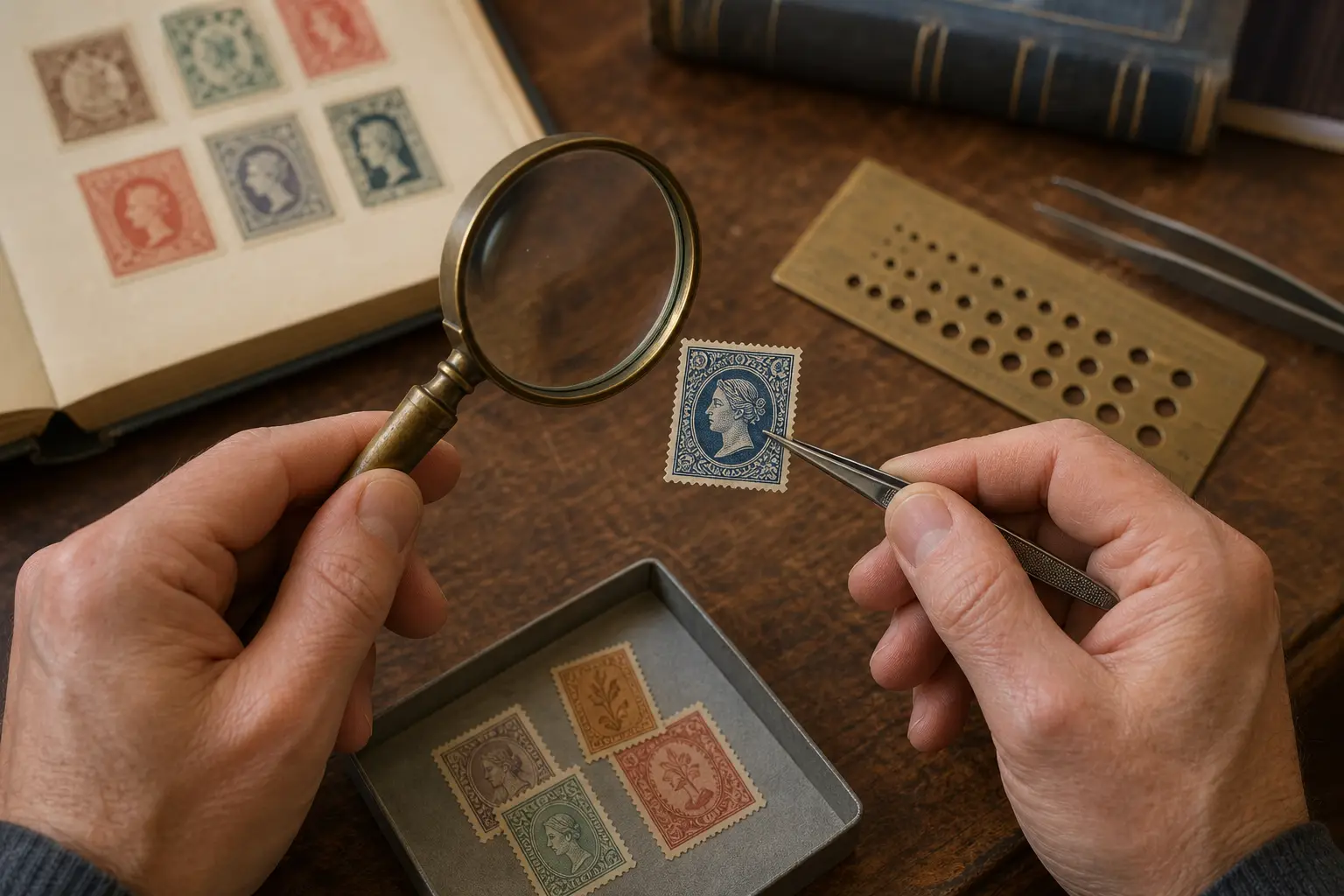
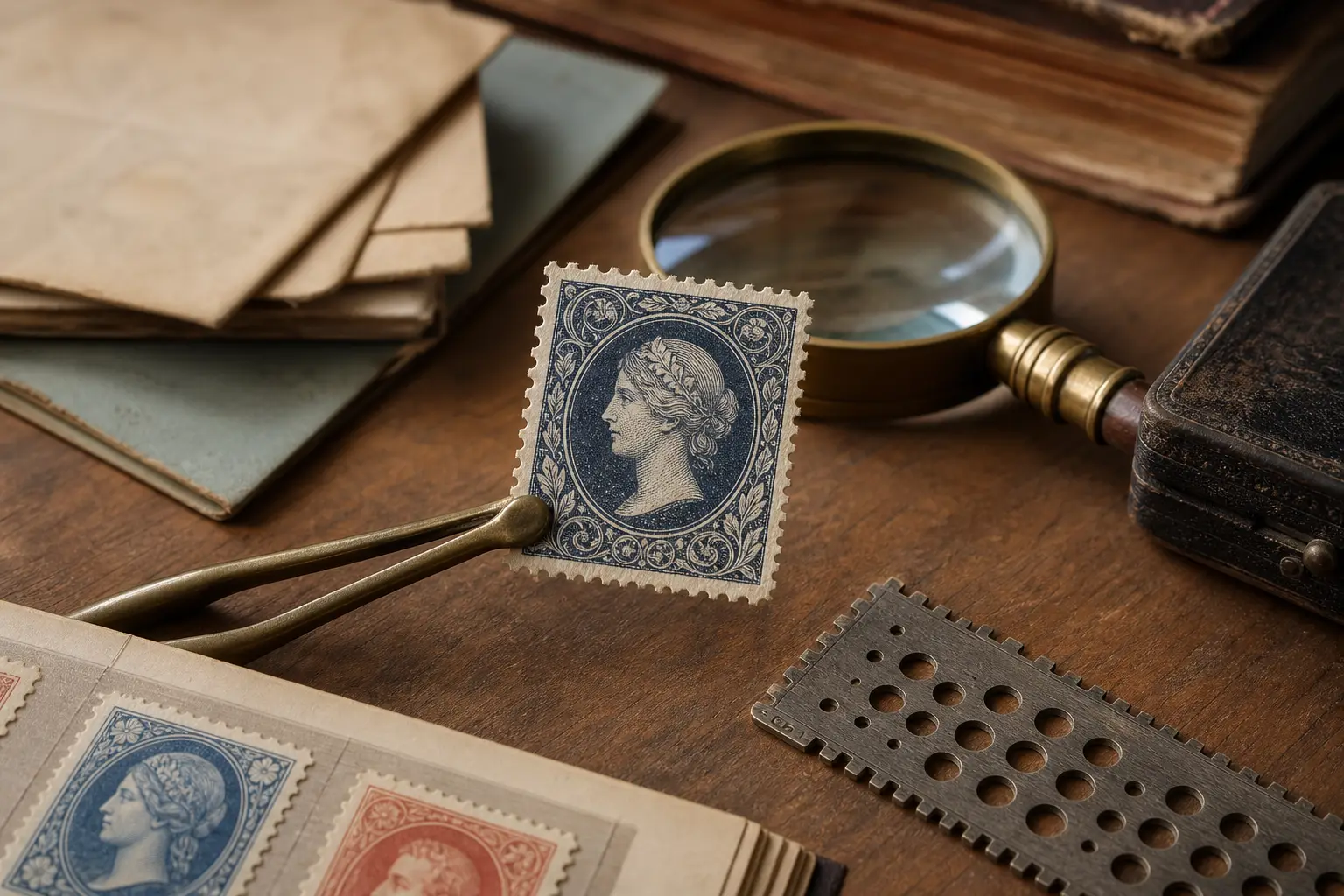
To accurately classify classic stamps, collectors must look beyond surface designs. Discover how to combine printing family analysis with safe watermark detection to distinguish look-alike varieties.
Early philatelic organizations built libraries and literature collections to help members acquire philatelic knowledge and share specialist research. Discover how the American Philatelic Association and other early societies established reference repositories, relying on donations and member contributions to preserve postal history.
After soaking stamps from paper, the next critical step is evaluating their condition and sorting them. Learn how to safely identify damaged stamps, select the best-centered duplicates, and organize your collection for long-term storage.
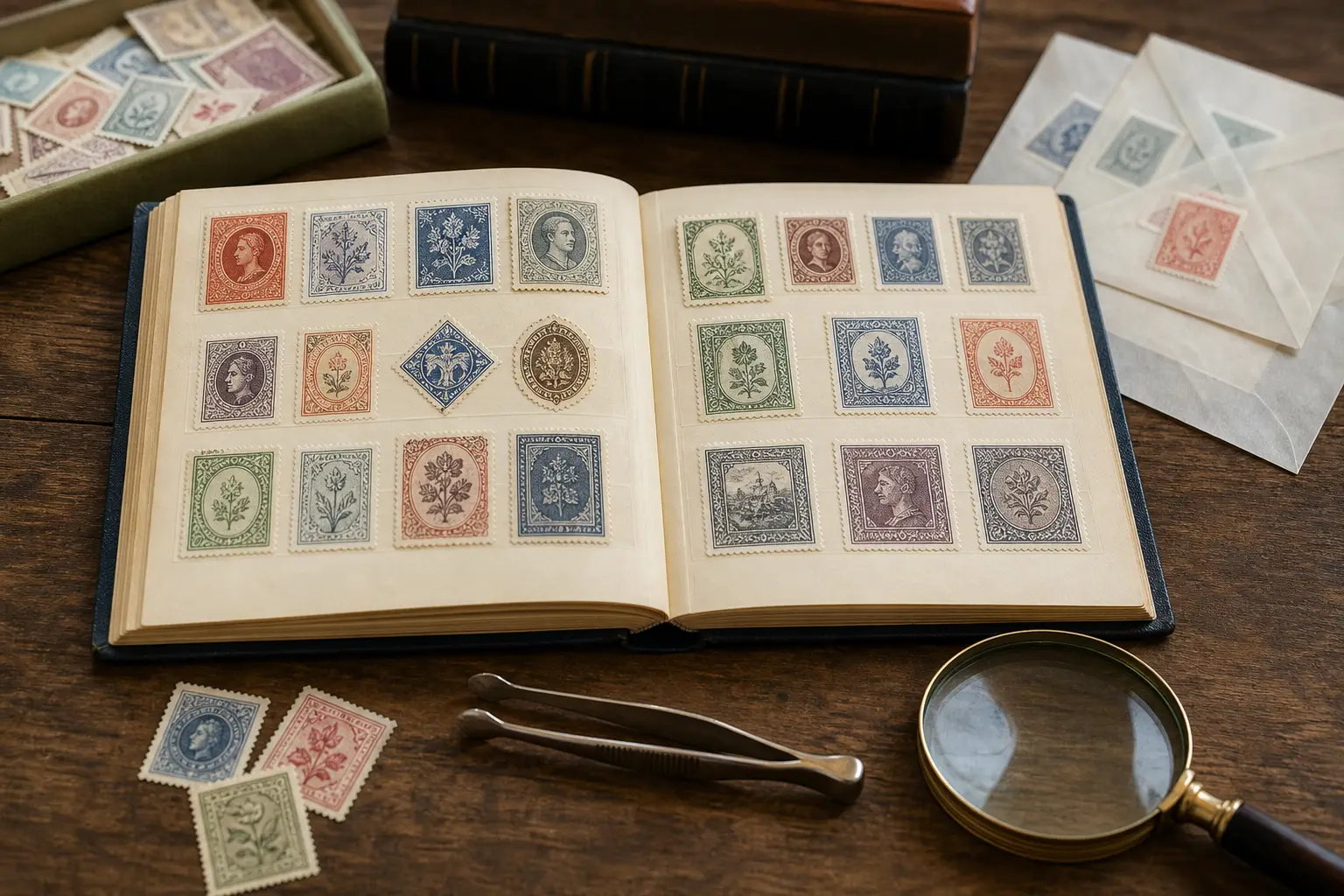
Collecting stamps by visual traits like shape, color, and custom postmarks offers a highly creative and flexible alternative to traditional country-specific collecting. Learn how to safely build and organize a visually themed stamp collection using essential philatelic tools.
Discover how to identify and value the first United States postage stamps issued on July 1, 1847. Learn about the design details of the five-cent Benjamin Franklin and ten-cent George Washington issues, their production history, and safe handling methods for these classic imperforate stamps.
Struggling to identify a postage stamp with no country name? Learn why Great Britain is the only nation permitted to omit its name, how to recognize the ruling monarch, and the safe tools you need to identify and organize these historic issues.
Distinguishing offset lithography from other printing families requires a methodical approach. Learn how to combine cumulative visual clues, non-contact magnification, and official production records to identify planographic stamp issues safely.
In September 1886, early American stamp collectors used a unique proxy voting system and a twenty-five cent fee to establish the American Philatelic Association. Discover how this democratic process and early leadership shaped the services, publications, and fraud-detection systems of modern organized philately.
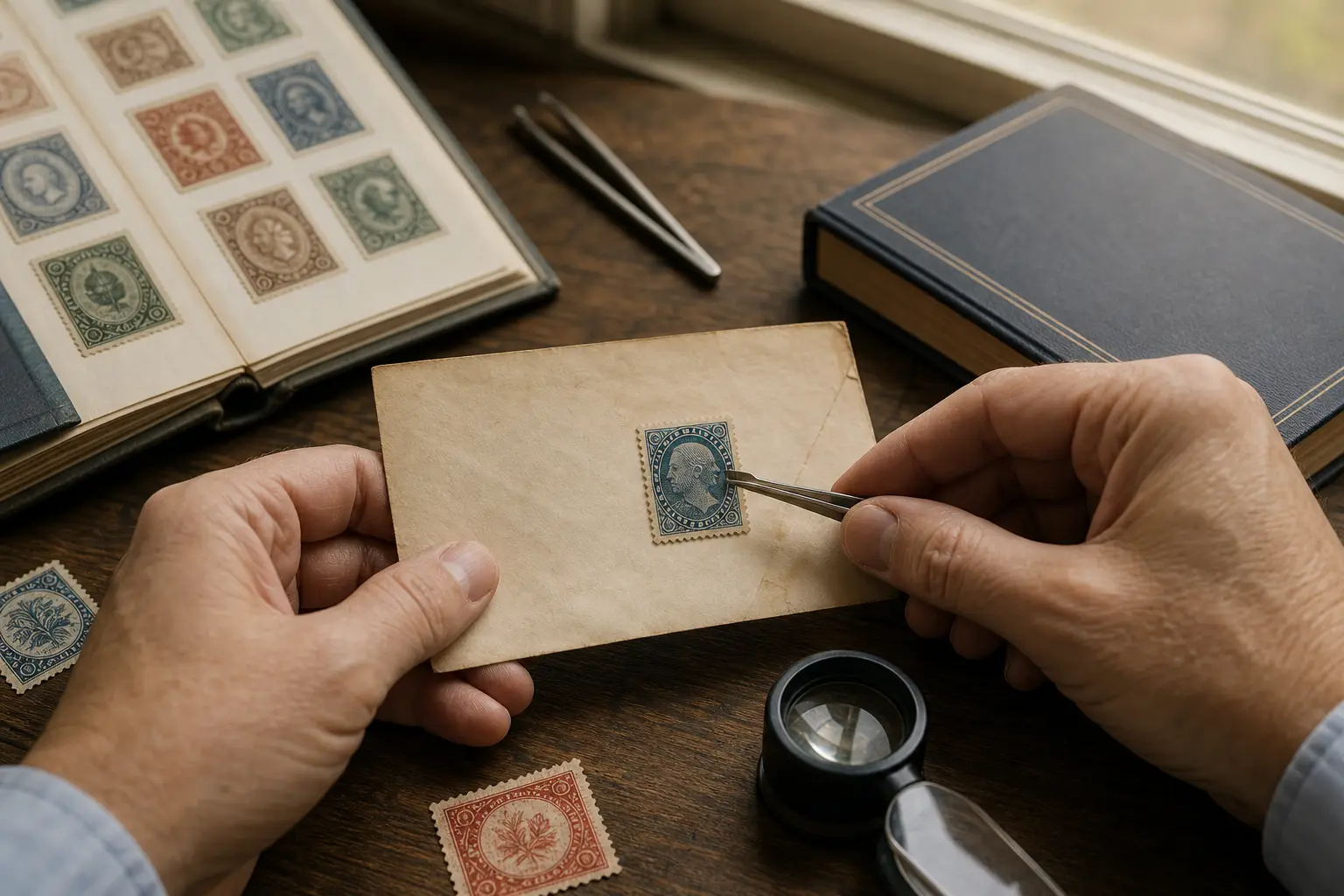
Protecting your postage stamps from invisible skin oils is a fundamental step in preservation. Learn how to choose and use specialized stamp tongs safely, understand why you should never use them on wet stamps, and discover how to keep your collection in pristine condition.
Stamp collecting is a flexible, globally popular hobby enjoyed by millions of people from all walks of life. Whether collecting for relaxation, historical knowledge, or the beauty of miniature art, philately offers a customizable experience. Learn why famous figures collect and how you can begin your own collection today.
Distinguishing between look-alike definitive and commemorative stamps is critical for accurate valuation. Learn how to identify subtle design changes, inscriptions, and watermarks using safe, expert-approved methods.
Discover how early postal history transitioned from recipient-paid refused mail to prepaid postage stamps. Learn to identify the world's first issues using safe handling practices and essential tools.