Philatelic clubs preserved stamp history by bringing collectors together to compare, discuss, and exchange material, then turning that shared interest into journals, libraries, research, and exhibitions. Here is the safe, practical way to study their historical role.
Dry stamps should be handled gently, blotted flat, and left to dry overnight under light pressure. For soaked material, use tongs only after the stamp is no longer wet and avoid pulling, heat, or rough handling.
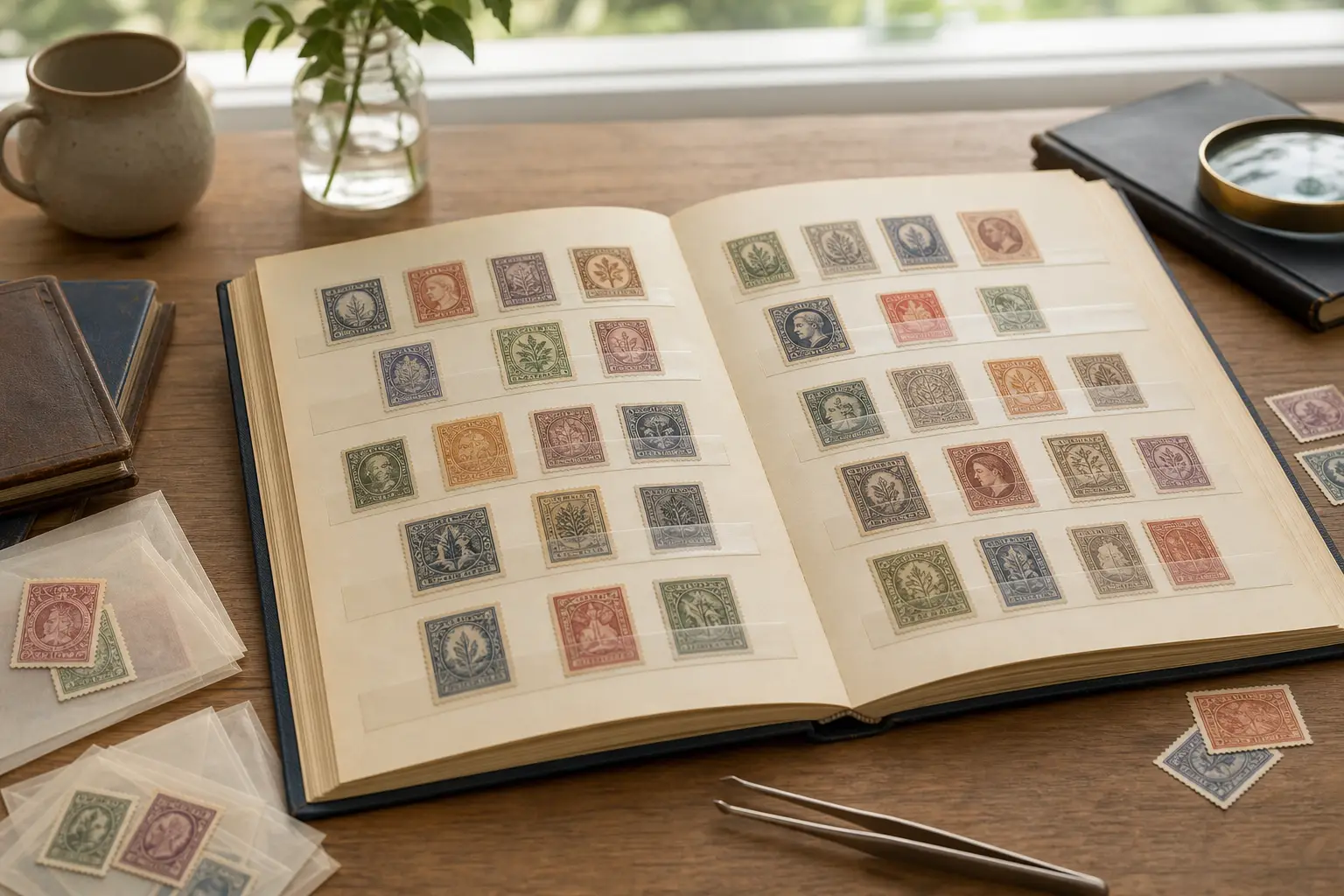
The safest way to begin is to choose a collecting focus that matches your interest, budget, space, and time. You can collect by country, topic, mint or used, or even by shape and color, then build slowly with simple tools and reliable references.
Yes—when two stamps look alike, a watermark can be the only difference between a common stamp and one listed separately. Price them by exact identification first, then confirm the watermark safely before relying on any value estimate.
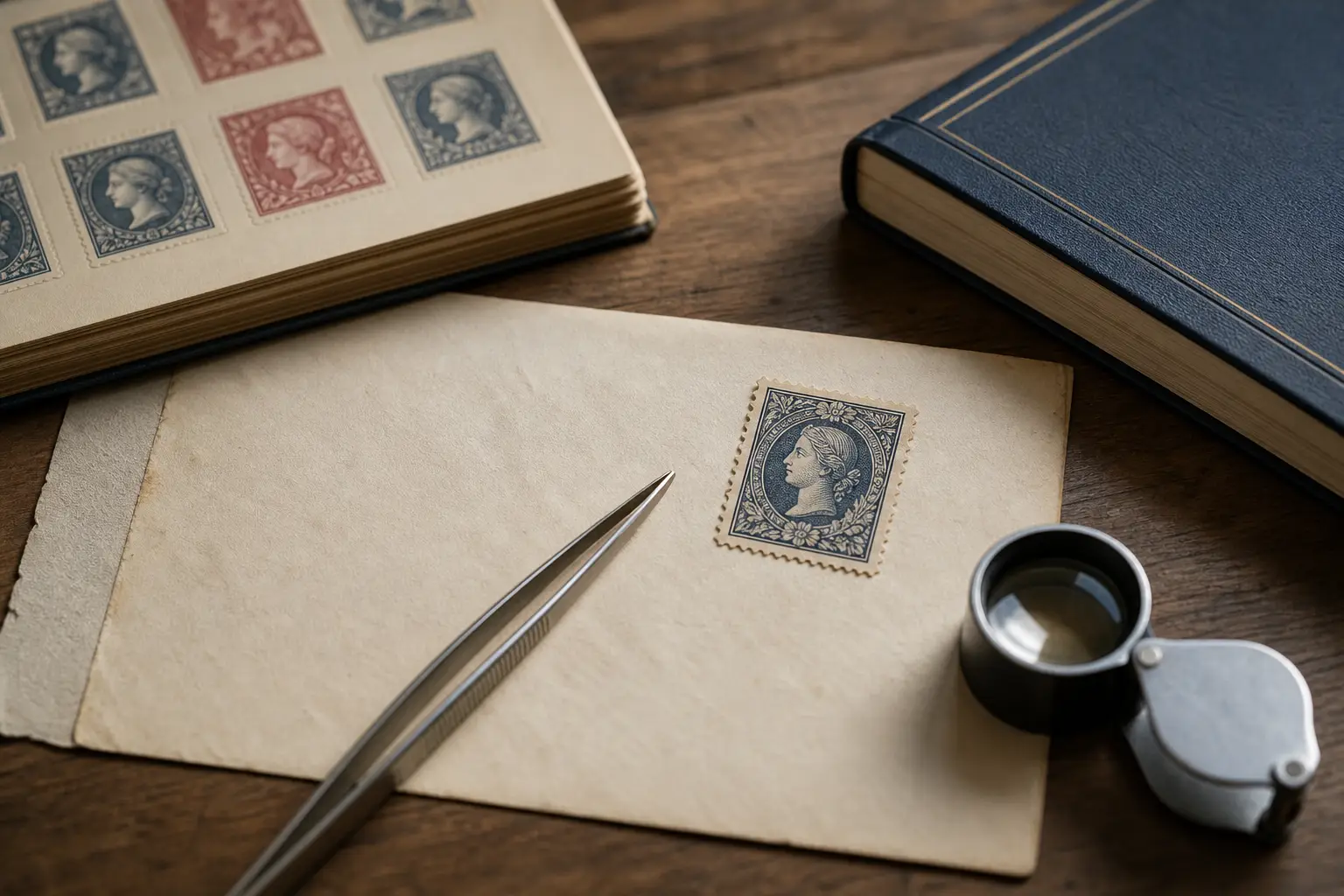
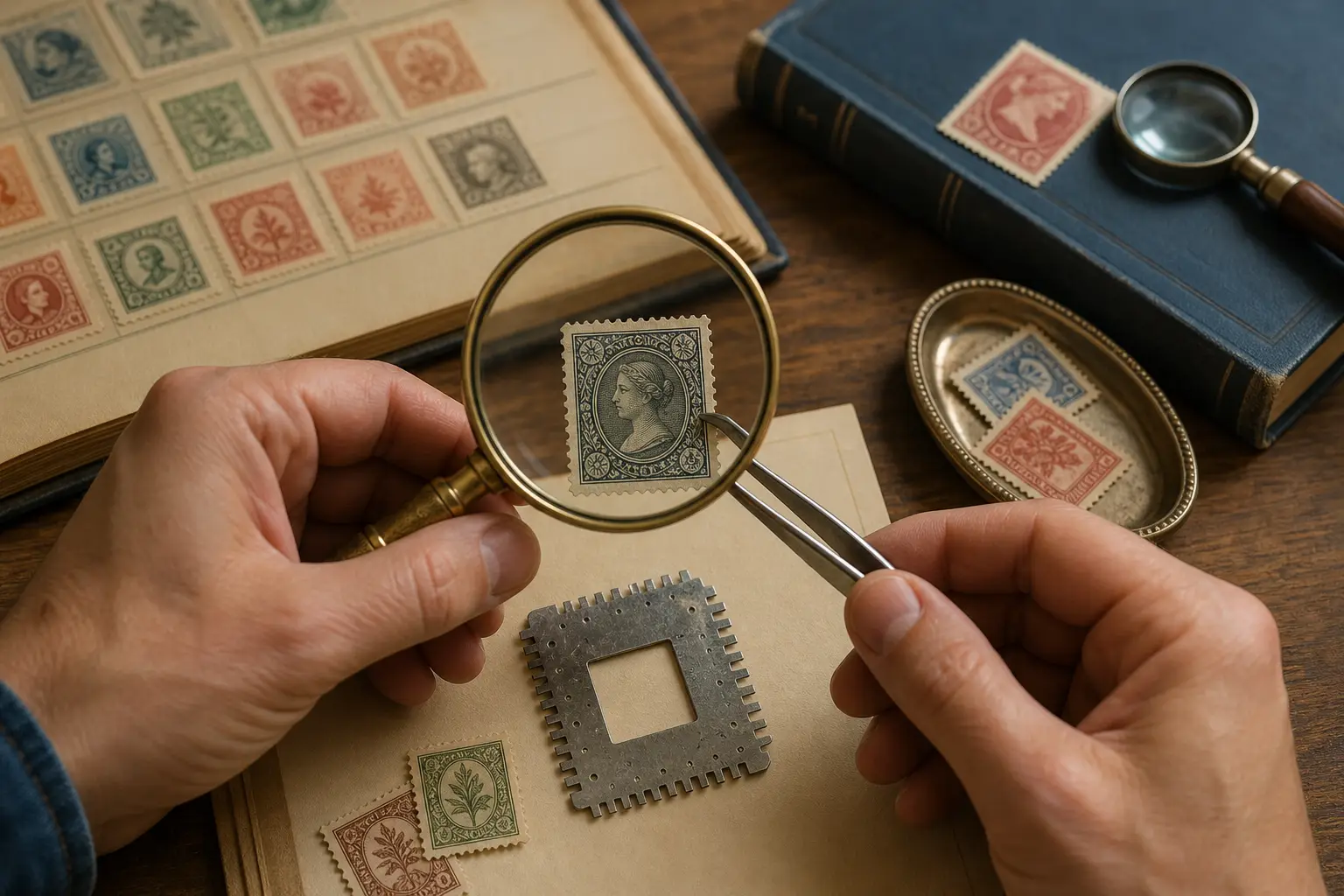
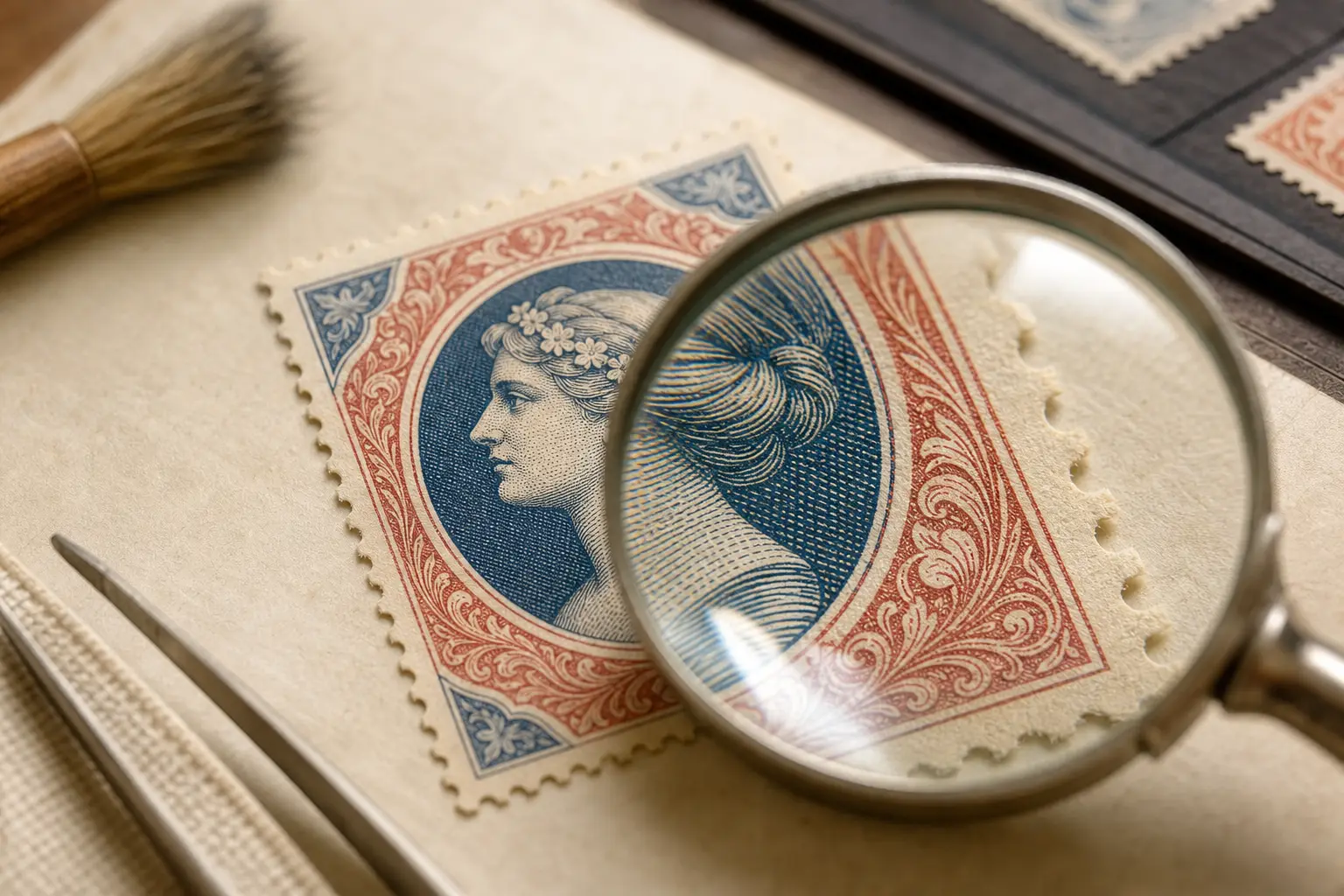
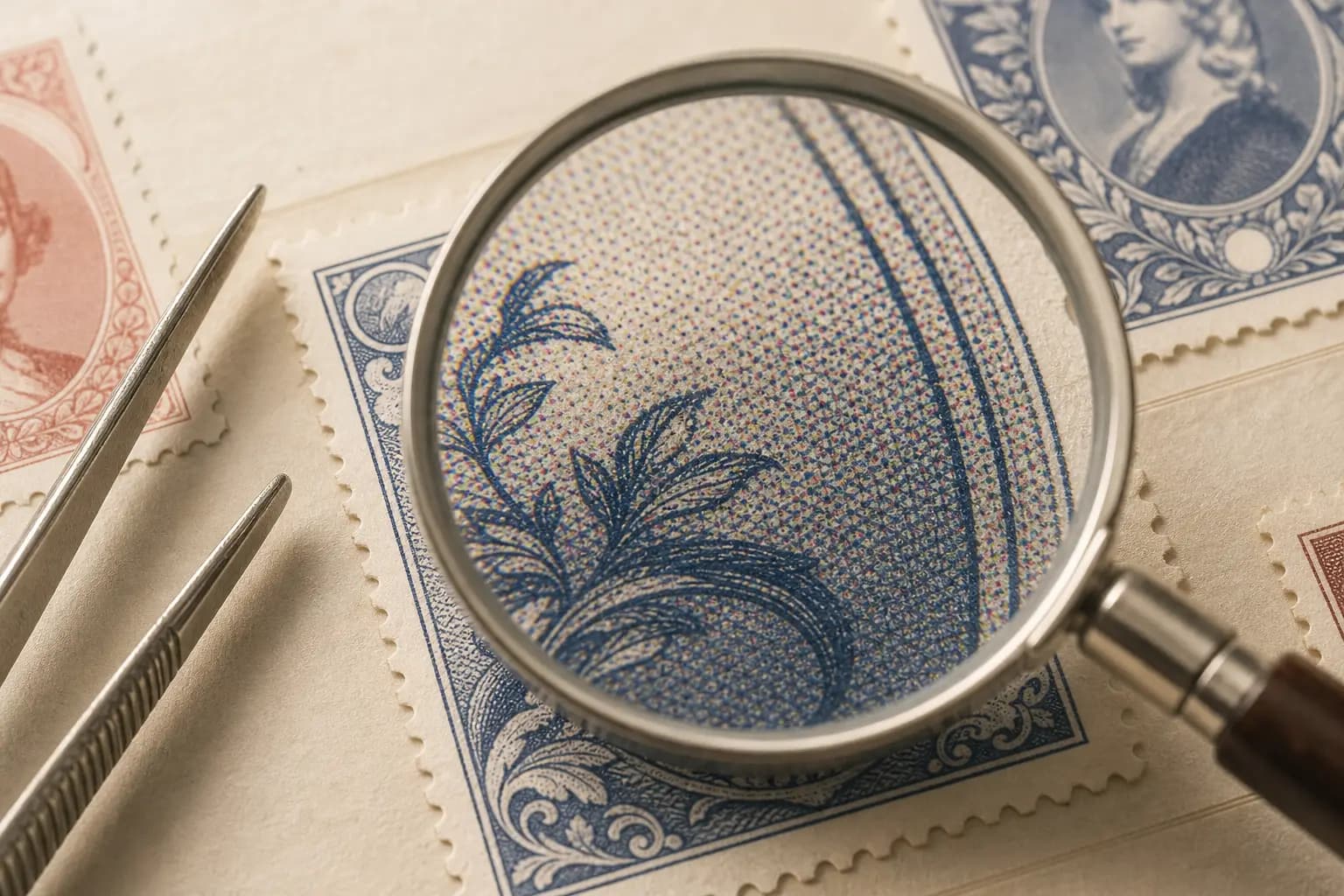
You can often narrow a stamp’s printing process by combining catalogue information, magnification, perforation measurements, and cautious observation of paper and design details. If the clues do not align cleanly, treat the identification as provisional.
A modern stamp may combine more than one printing process, so the safest approach is to compare several visual clues together. Learn the major printing families, what each can suggest, and why dots, sharp edges, or raised effects should never be used alone.
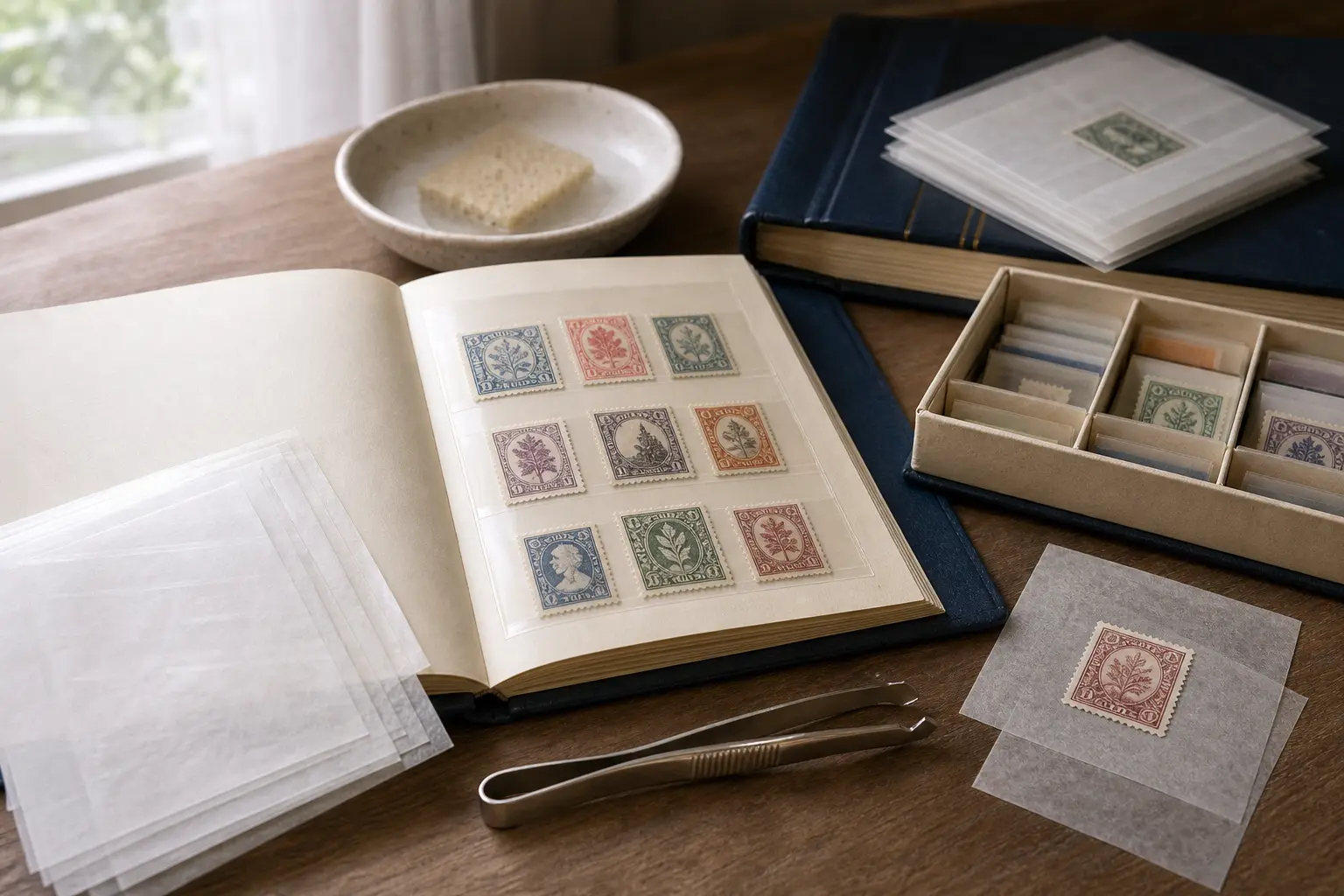
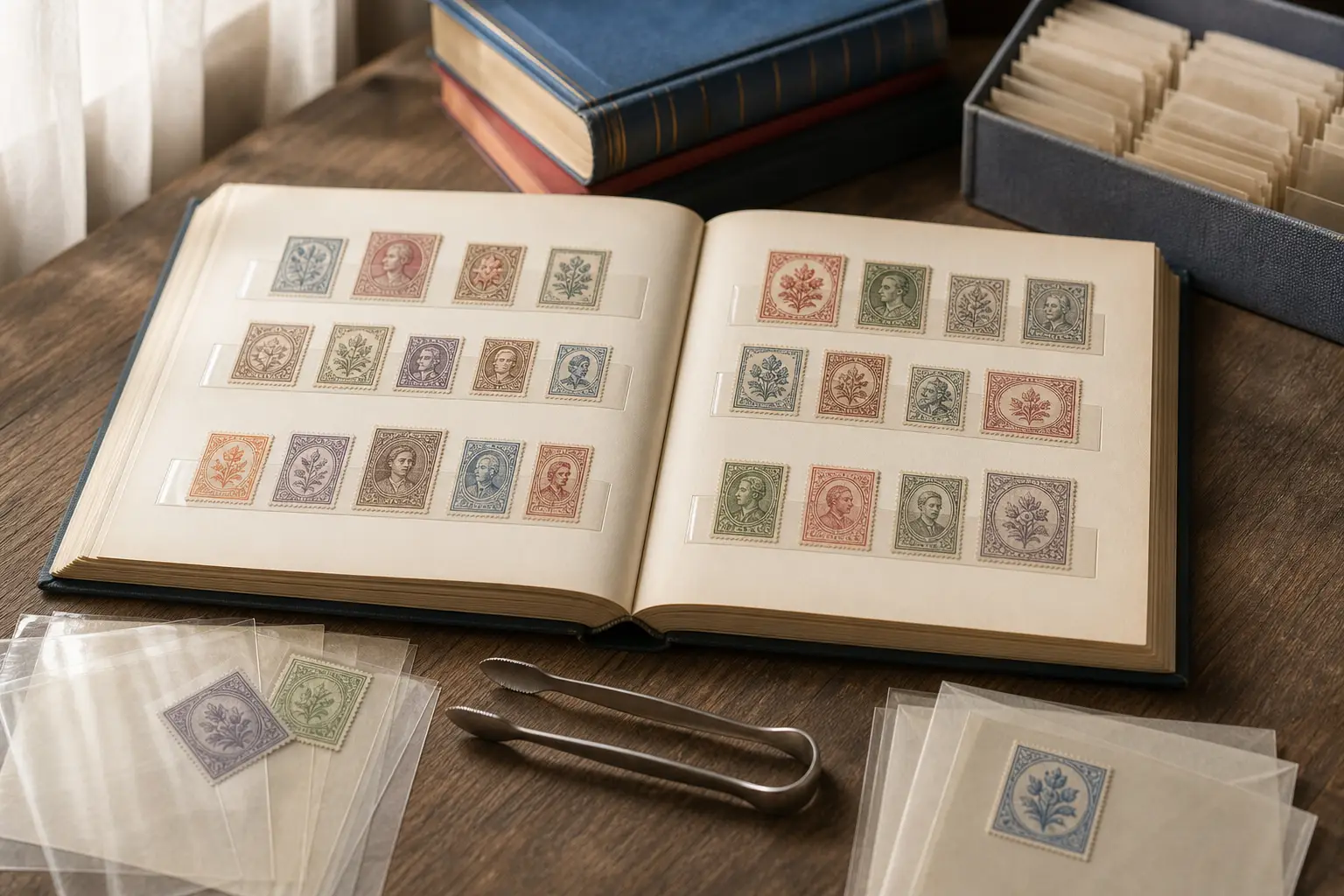
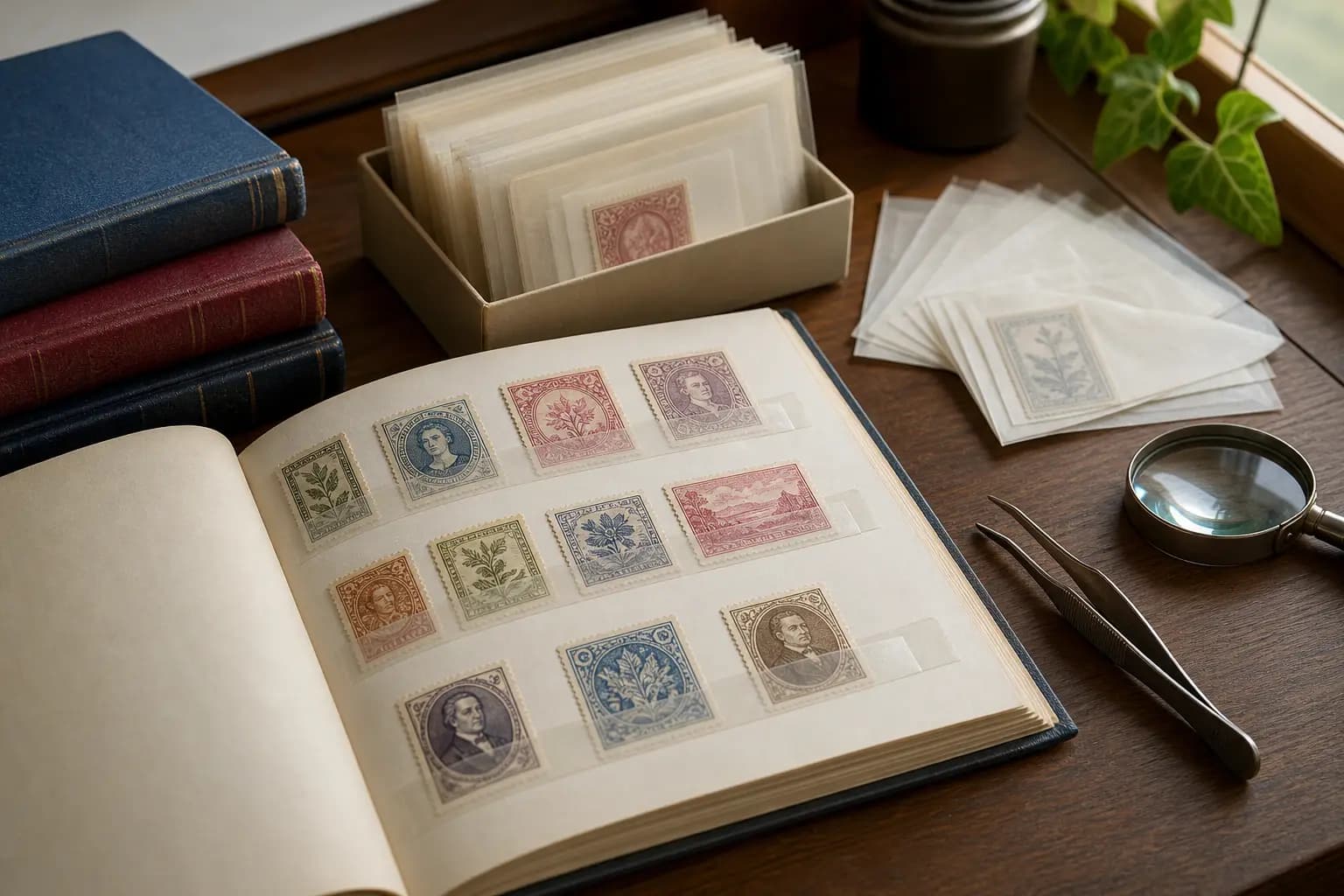
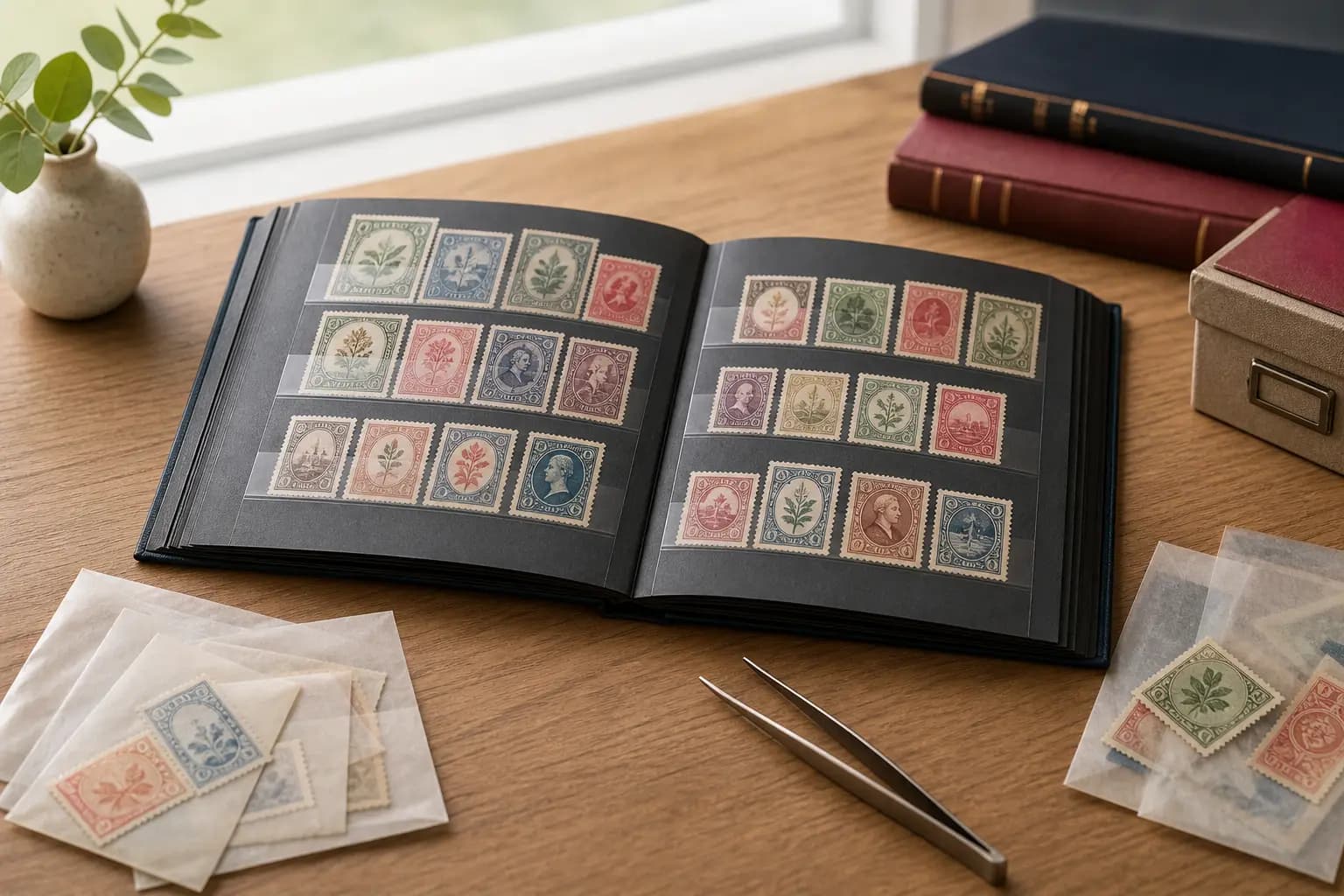
Dry stamps should be handled as little as possible, stored in acid-free or purpose-made holders, and mounted with hinges or mounts rather than tape or glue. Keep wet or damp material separate until fully dry, then sort and store it methodically.
Yes. When two stamps share the same design, a watermark can be the detail that separates a common stamp from a different catalog entry with a very different value. Check safely, because a visual guess is not always enough.
Offset lithography can often be suggested by a smooth planographic image, fine dot layers, and context from the stamp itself, but no single clue is enough. Use magnification, oblique light, and production records together.
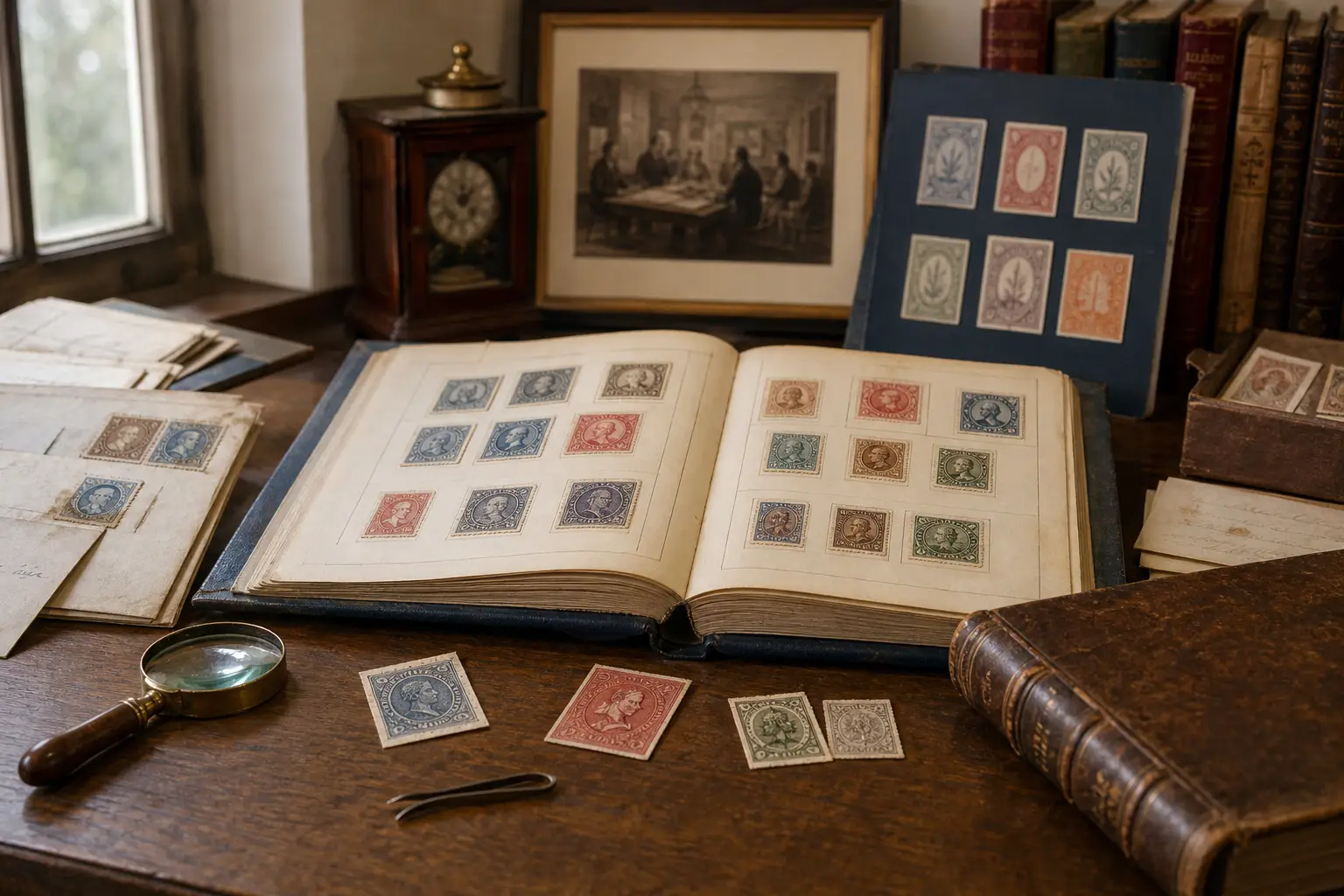
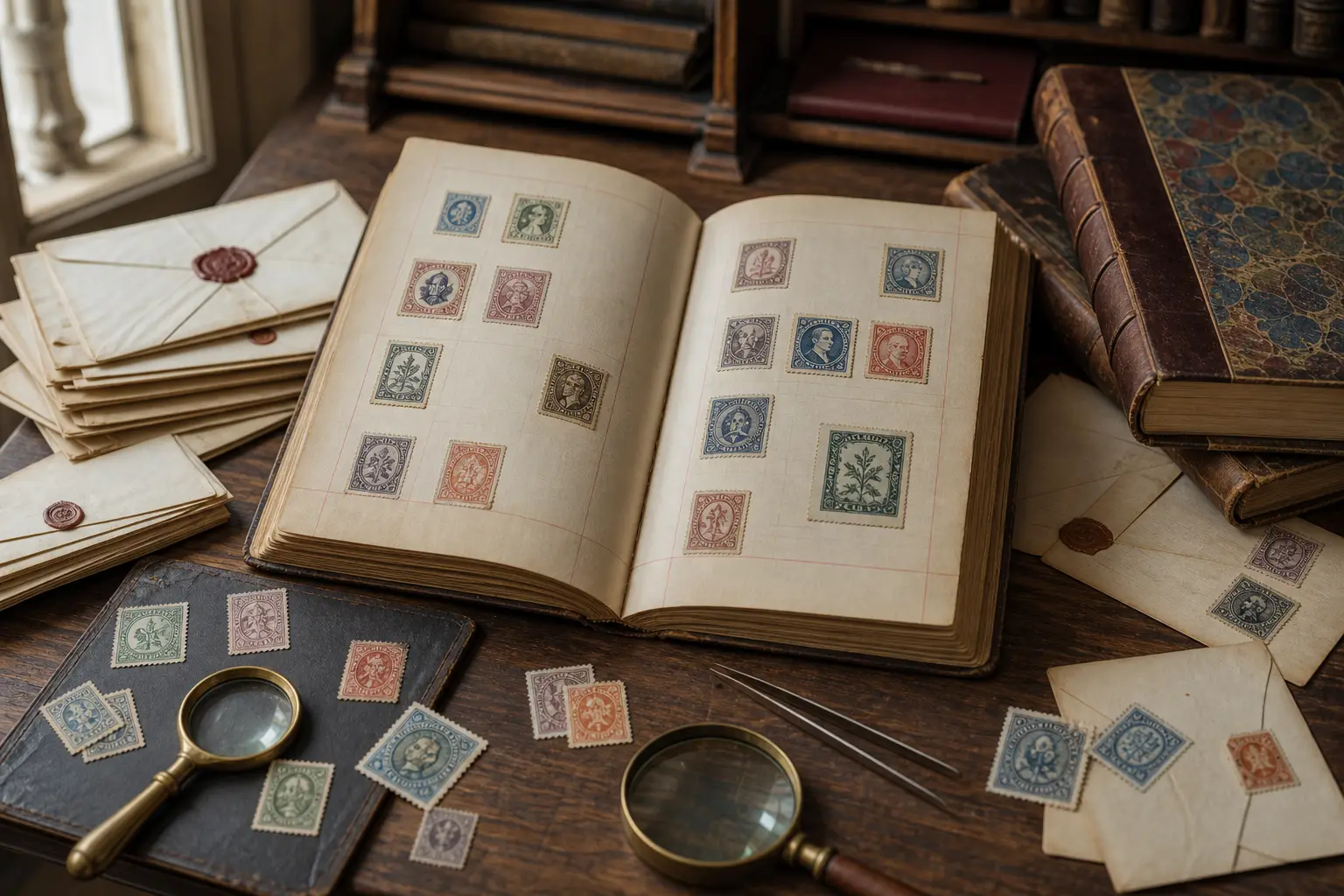
Philatelic clubs helped create the historical record by bringing collectors together to compare stamps, publish research, build libraries, and preserve specialist knowledge. This article explains the historical role of clubs, with dated milestones and a safe, methodical way to research collections today.
Store stamps in a dry, organized holding system before mounting by separating wet material, avoiding tape and glue, and using albums, stock books, or glassine only when the stamps are ready.
You can start stamp collecting in a small space by choosing one clear focus, keeping a modest tool set, and storing material carefully. The key is to collect intentionally, not broadly, and to use reliable references when details matter.